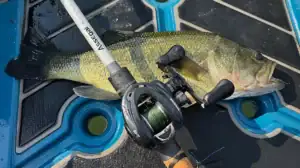
After an overview of the entire bass spawn, we’ve taken a deep dive into both the pre-spawn and the spawning phase itself. Now it’s time to discuss the post spawn, when bass can act pretty funny as they’re coming off the bed.
Some are super aggressive, gorging themselves on shad spawns, salad bars, and bream bed buffets. Others stay shallow and are super spooky, not prone to biting big, aggressive baits. Some hang around balls of fry, as the males guard them and the females try to eat them; these bass can be hard to get, but they are often catchable. Then there are those bass shooting straight to deeper water, looking to recover in the cooler temps around brushpiles and other cover and structure.
In short, there’s a lot going on in the post spawn. Here’s what you need to know.
What is the Post Spawn?
“Post spawn” describes the immediate timeframe after the bass leave the beds, up to about a month removed. Bass typically spawn by moving shallow, fanning clean a spot to lay their eggs, and then depositing those eggs. This can be a grueling process that takes multiple days to complete.
After this is over and the eggs are out and hatched, the post-spawn phase begins. This can be a tough time to be a bass fisherman, as many of the fish are moody and reluctant to bite. But there are certainly ways to still catch them.
What Bass Are Doing
Bass are focused on a couple key things. Immediately after spawning, they are tired and hungry, having spent their energy getting eggs out and guarding their beds over the previous few days. These bass are looking to feed up and rest up. Some — the smaller males in particular — start to guard fry, making sure that nothing preys on those defenseless newborns. Interestingly enough, it’s the females who turn cannibal quite often and become the biggest threat to their newly hatched bass.
A week or so into the post spawn, bass start to leave their fry to hunt food. Some forage deeper, around brush and ledges. Others take advantage of various spawning baitfish, like shad and bluegill. These bass can be very aggressive, schooling up on those concentrations of bait.
Where to Look
Tune in to shallow cover to find the shad spawn. Shad spawn by rubbing up against something to get their eggs out. Anything like a floating dock, grass line, or seawall can be a great place to start. Then look for bream beds in shallow pockets and along flat, protected banks a little later in the post spawn.
For the early offshore bite, look for shallow cover like brush and boulders around shallow ledges and points where bass will hunker down for a few days and sometimes group up. Shallow is relative depending on where you are; whatever you consider deep, cut that in half and start by looking there.
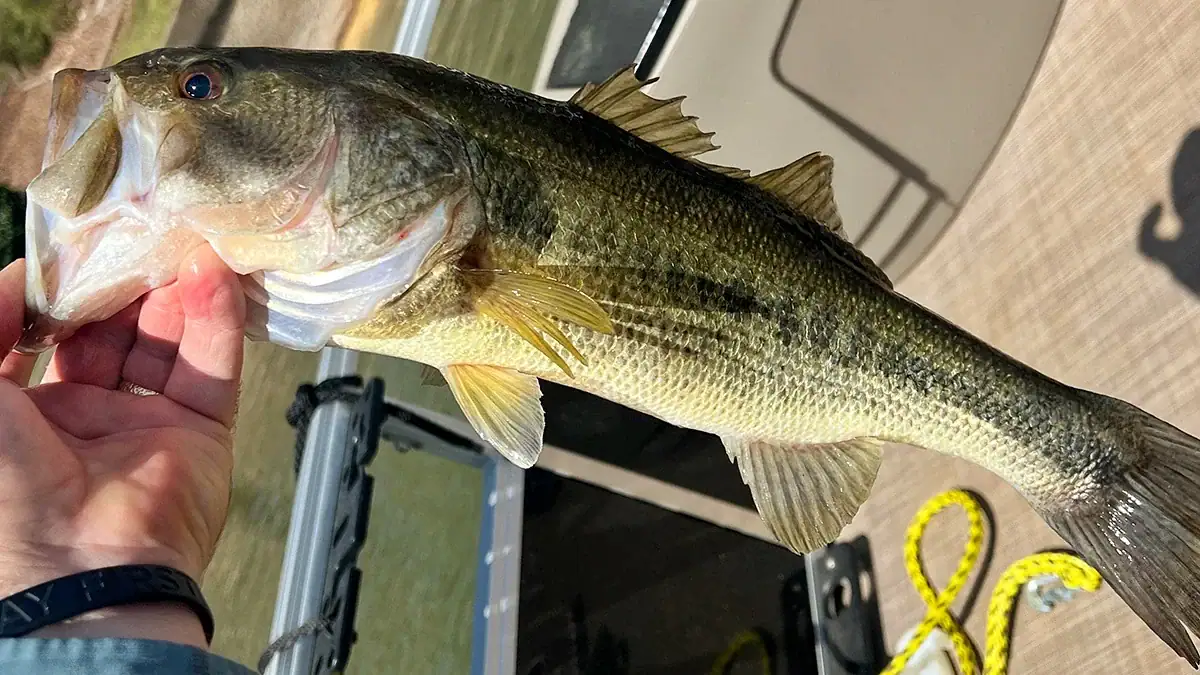
Keep in mind that some older and bigger bass will head straight to the river channel immediately after coming off their beds. You can tell if you catch one offshore that’s fresh off the spawn because its tail will still be bleeding from the bed-making process.
Focus primarily on shallow cover along the bank to find forage, and then the first cover or structure out a little deeper. But keep the deep bite honest, too.
What to Fish With
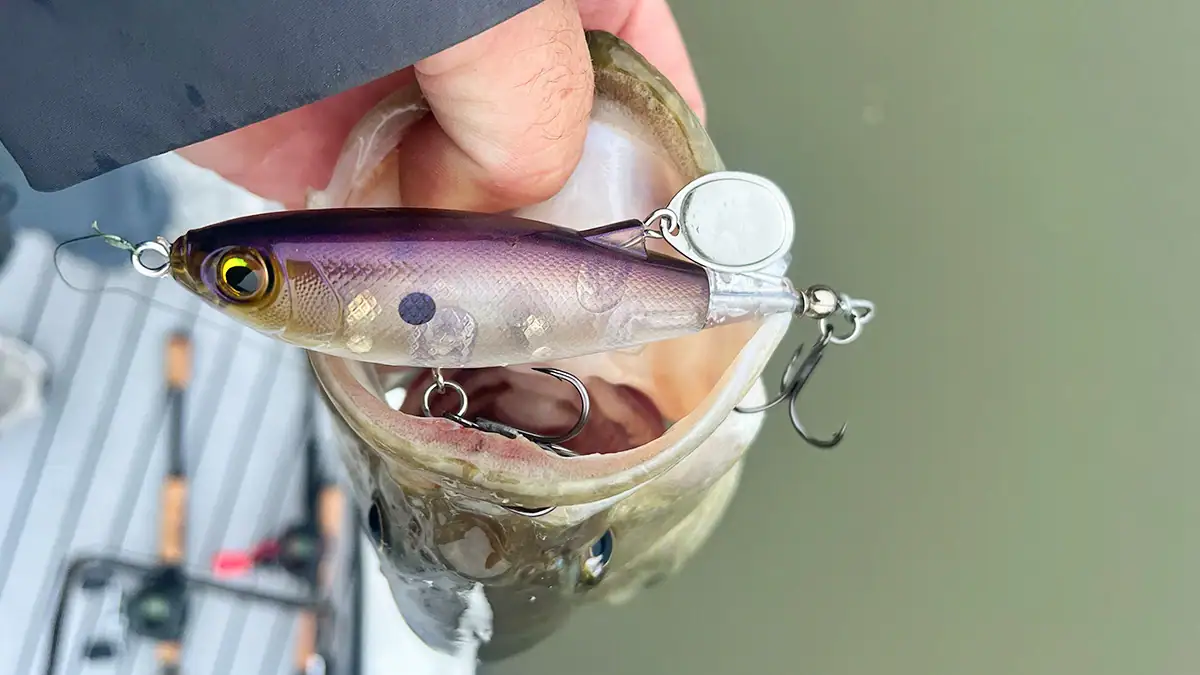
A wacky rig, floating worm, Neko rig, drop shot, or other finesse-style bait works really well around fry-guarders. These bass can be weary and hard to catch, so something a little less intimidating works best. But these bass will also bite a topwater, like a small popper or a toad. Keeping a bait like this in your hand while covering water is a great way to locate and catch fry guarders, even if you have to slow down once you find them to catch them on a finesse bait.
For the shad spawn, a plethora of baits will work. Post-spawn bass are often going nuts for the first few minutes of the day. Since they’ll eat a lot of things, base your bait selection on the area’s conditions. If you’re fishing around vegetation, a swimjig is great. For fishing along a clean seawall, a topwater is fantastic. If the shad are spawning a little beneath the surface on hard bottom, a squarebill can be phenomenal. Basically, pick something you can fish efficiently, as well as something with a high-percentage landing rate.
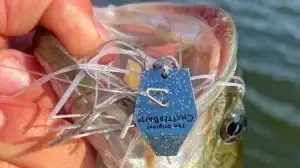
For the bream beds a little later in the post spawn, I like to keep a topwater like a buzzbait or Whopper Plopper in my hand and cover water until I run into them. When I do collide with bass around a bream bed, they’ll often smoke the topwater. There are times, though, when slowing down and working a wacky rig, Neko rig, or dropshot through and around a bream bed will be more effective. But then pick the topwater back up and cover water until you find another concentration of bait and, hopefully, bass.
Moving to the shallow brush and cover, crankbaits and moving baits work well; however, slow bottom baits like casting jigs, Texas rigs, and shaky heads are even more effective. These bass are typically pretty easy to pinpoint, so using a search bait isn’t necessary. If you know where a brush pile, rock pile, or shallow drop off is, try dragging a bait near or through it — and be ready to set the hook.
Final Thoughts
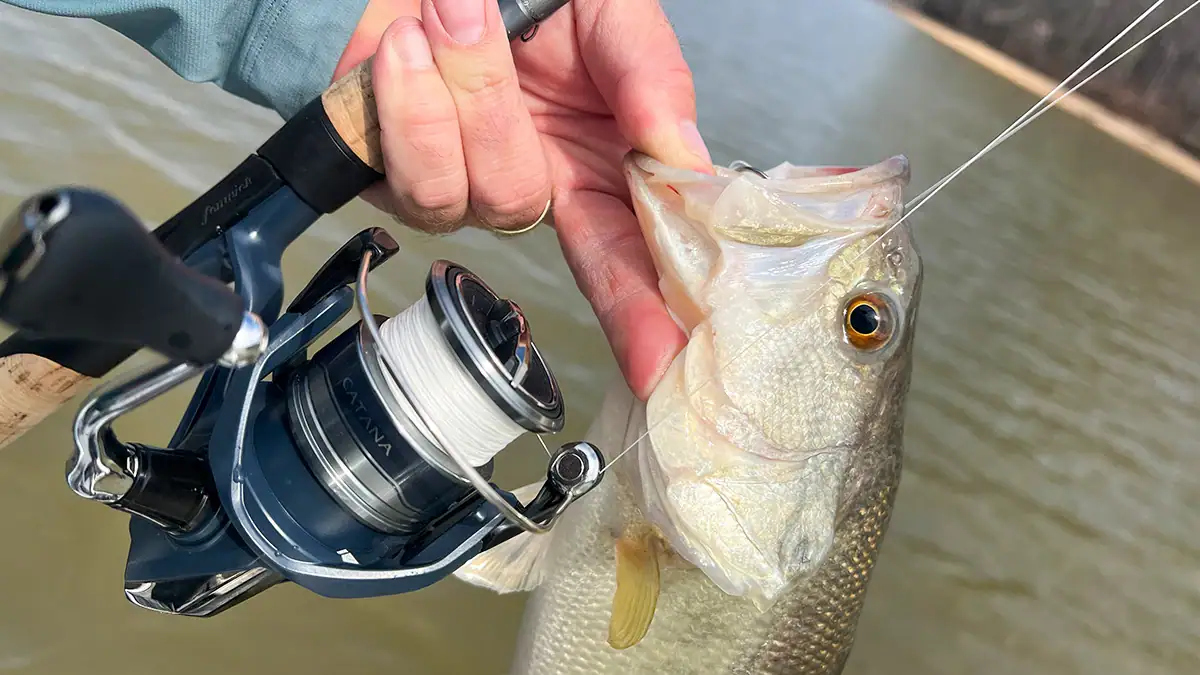
As the bass spawn winds down, look for fish anywhere they can recuperate and feed. Shad spawns, bream beds, and other baitfish spawning activities can be hot beds of aggressive bass willing to bite almost anything. Others will be harder to catch, as they guard fry or float around shallow looking for an easy meal. Then there are the early offshore fish, which can be caught on a variety of baits. But slow-moving lures with good hookup and landing ratios are among the best options for these bass.
You’ll hear a lot of old heads talk about the “post-spawn funk.” Don’t let them fool you: The bass are still biting. It just takes knowing where to go, what to look for, and what to fish with. Once you dial in on these, the confidence kicks in and you’ll be on your way to catching post-spawn bass in no time.