The first installment of this four-part series provided an overview of the entire bass spawn. The second focused on the pre-spawn. Here, we’ll explore the spawning phase itself.
That spawning phase is when bass move shallow to make their beds and lay their eggs. And It can be some of the most exciting and interactive fishing you’ll do all year.
Oftentimes, you can see these fish on bed with nothing but your eyes and a pair of polarized glasses. Then there’s also the option of locating and targeting them with modern electronics, like Garmin LiveScope in Perspective Mode. Other times, you can actually go for these fish without seeing them at all. You can cast to where you think they are, or find them and then back off to cast where you know they are. This is called “blind bed fishing,” and it’s just one part of effectively fishing the spawn. So let’s get to it.
What Bass Do During the Spawn
The bass spawn is when males and females pair up to make beds, lay and fertilize eggs, and perpetuate the species. This primarily happens in the spring across much of the country, but can happen earlier in the warmer deep south and later in the chillier far north.
Male bass start roaming the shallows in search of prime spawning real estate when water temps break the 50-degree mark. Most bass will spawn in water between 55 and 70 degrees, with a few instances where they spawn in colder and warmer waters.
When a male finds a good location to spawn, he’ll use his tail to fan the area clean. This creates a bed for the larger female to come in and deposit her eggs. Once the eggs are on the bed, the male will fertilize them and then guard them against any would-be predators. The female typically hangs around the general vicinity.
Where to Look

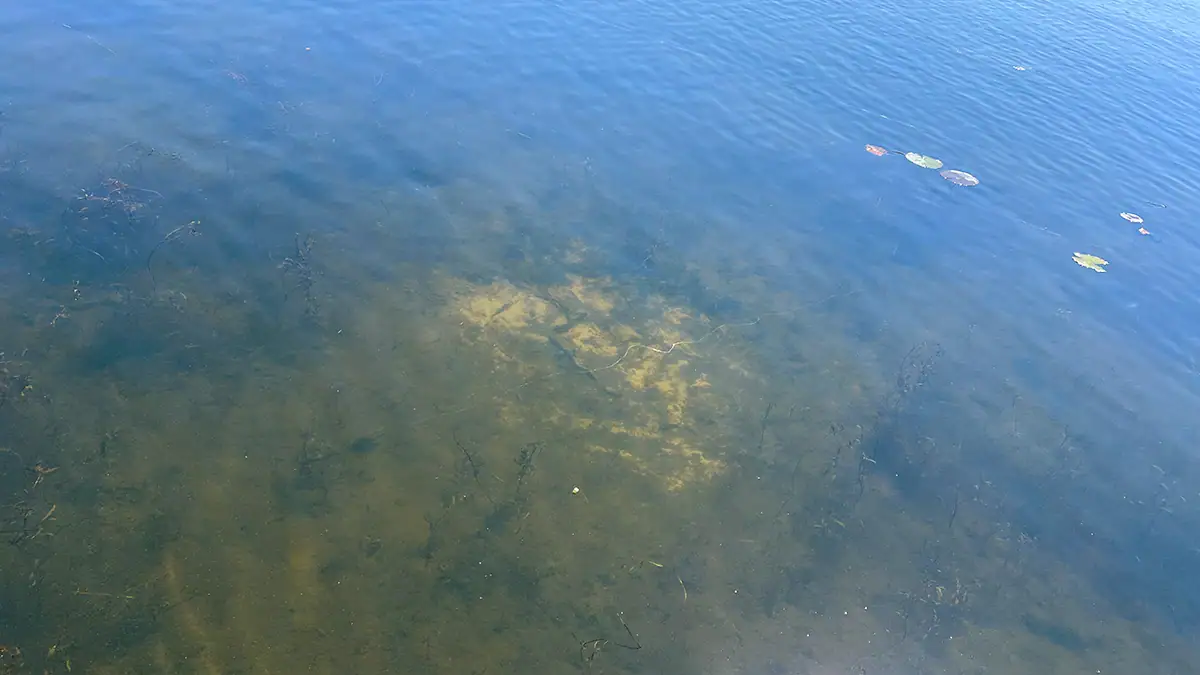
Bass focus on creating clean beds in areas with hard bottoms that are easy to defend. Start your search in bays, sloughs, and other areas protected from wind and strong current. Look for isolated cover like reed clumps, boulders, stumps, and dock posts where the bass can fan silt and debris away to reveal sand, clay, rock, or gravel. Bass have even spawned on the tops of stumps, so keep an open mind when looking for “hard bottom.”
On marshy fisheries, certain vegetation will give away an area’s hardest bottom. Dock posts often have either concrete around them or some form of firm bottom, like gravel, clay, or sand. And bass are notorious for spawning in the knobby knees of cypress trees. Then there are even smallmouth up north that spawn in deeper water around boulders. These areas are all easier for the bass to defend than if the beds were out in the open.
What to Fish With
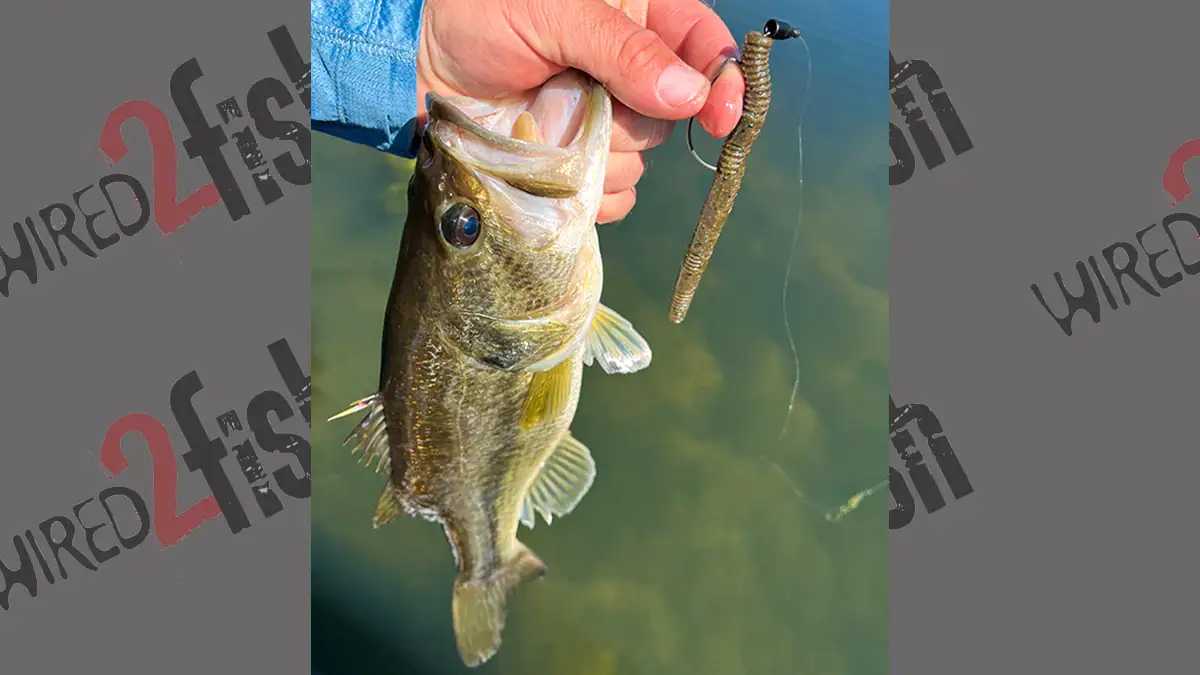
When talking about baits for targeting spawning bass, it’s important to remember that you’re usually trying to trigger a defensive reaction from the fish, as opposed to an aggressive bass biting out of hunger. Spawning bass rarely strike out of a desire to feed. They instead focus on attacking anything they view as threatening their eggs.
This makes bottom baits really effective. Shaky heads, Texas rigs, Neko rigs, Ned rigs, drop shots, and Tokyo rigs are all fantastic bed-fishing baits. They can be dragged slowly through a bed, and resemble a crawfish, bluegill, or something else trying to eat their eggs.
Tubes, Ned rigs, and drop shots are common fare when targeting spawning smallmouth in particular. These bass are among the most aggressive when on bed, but you won’t always be able to see them. Since the water on many smallmouth fisheries is super clear, the bass can bed much deeper and still have enough sunlight make it to their beds to incubate the eggs. If you do suspect bass are spawning in 10 to 20 feet, you can use a flogger to peer through the ripples and the glare to locate bedding smallmouth. You can also use LIVE sonar and side sonar to find these deeper beds and catch these bass.
How to Fish
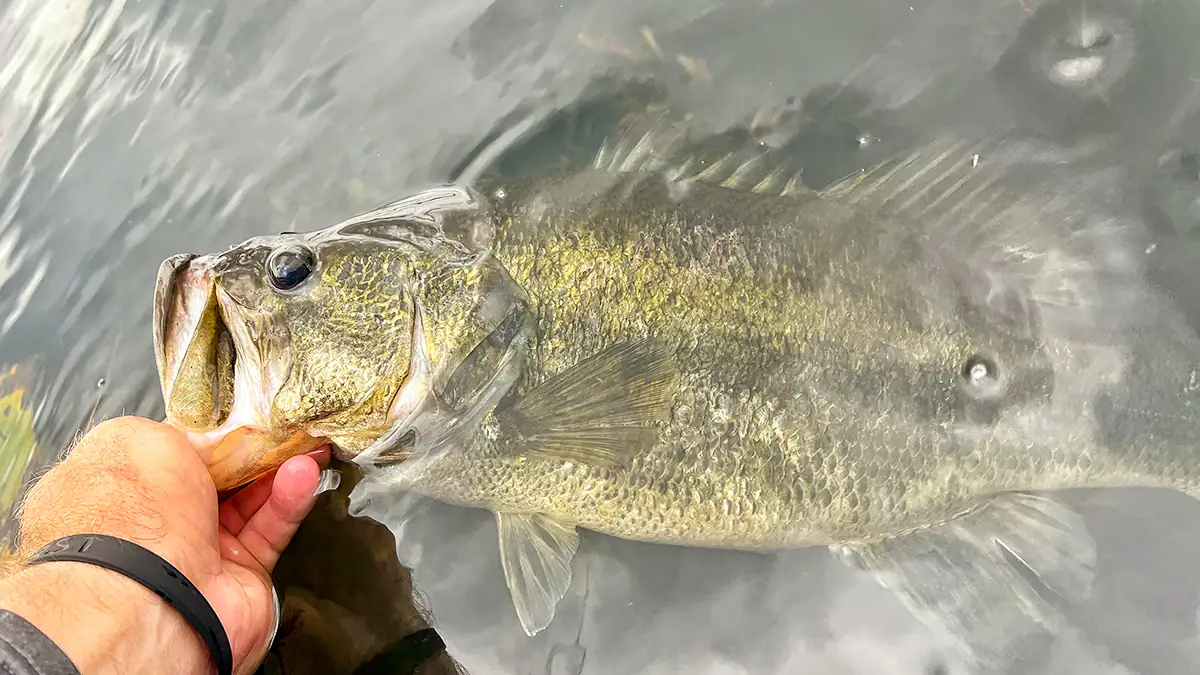
In some situations — like when fishing for largemouth on bed in shallow, clear water — you can visually locate the bass on bed with a good pair of polarized glasses. Then you can pitch your bait repeatedly to the bed and often pester the bass into biting. During this process, you’ll typically find that there’s one small spot in the bed where the eggs are actually laying. This may be the size of a milk jug’s top even though the bed is two feet in diameter. When you find it, the fish will get a lot more restless, sometimes shooting away from the bed for a moment only to return. It is typically the male that does this first. You’ll know the fish is about ready to bite when it happens.
It often takes catching the male off the bed to get the larger female bass to “lock on.” She’ll become more stationary and guard the bed in the male’s absence, making her much easier to fish for. Sometimes, it only takes a few pitches to get her to bite. Or sometimes it may take hours; other times, the fish doesn’t bite at all, slowly swims away, and eventually disappears. Sight fishing for spawning bass is an imperfect science, with each pairing behaving slightly differently than the one before.
To add a level of difficulty, you can blind cast to bedding bass, too. Sometimes you can find these fish and then back off and throw where you know they are, even though you can no longer see them. Other times, you’re just casting your bait to high-percentage places, like alongside stumps and dock posts. In either case, imagine you can see the bass on bed and drag your bait painfully slowly through the area.
Be sure to make repetitive casts to any area that looks good, especially if you know for sure that a bass is there. Bedding bass are sometimes easier to catch this way than by sight fishing, even if the conditions are conducive to looking at them. Bass are less spooked the more you stay away from them.
Final Thoughts
The spawn is a really fun and interactive time to fish. The bass are shallow, often in water that’s clear enough to see them. Using bottom baits, you can trick bedding bass into thinking your bait is a threat to their eggs — and voila, they bite out of defense.
Don’t think you always have to be able to see them, though. You can look for visual indicators like stumps, dock posts, and boulders to find where bass are likely spawning, then make repetitive blind casts to those areas and work your bait slowly by.
If you’re persistent and poke around long enough up shallow in the spring, you will eventually stumble onto some spawners and have yourself a good time.