If it’s been a tough day on the water and the bass just don’t want to play, what do you throw? For me, it’s a Senko worm. That’s my confidence bait, and it tends to outproduce everything else when fishing for finicky bass in shallow water. If you fish it properly, it could be your confidence bait, too.
The original Senko made by Yamamoto Baits is, in my opinion, still the best version of stickbait on the market. I’ve tried other brands but these salt-impregnated worms have a subtle cadence on the fall that just seems to trigger bites better than others. The difference between a bad day and a good day is often in those subtle details and how you fish a Senko. Consider the following tips.
When and Where to Throw a Senko
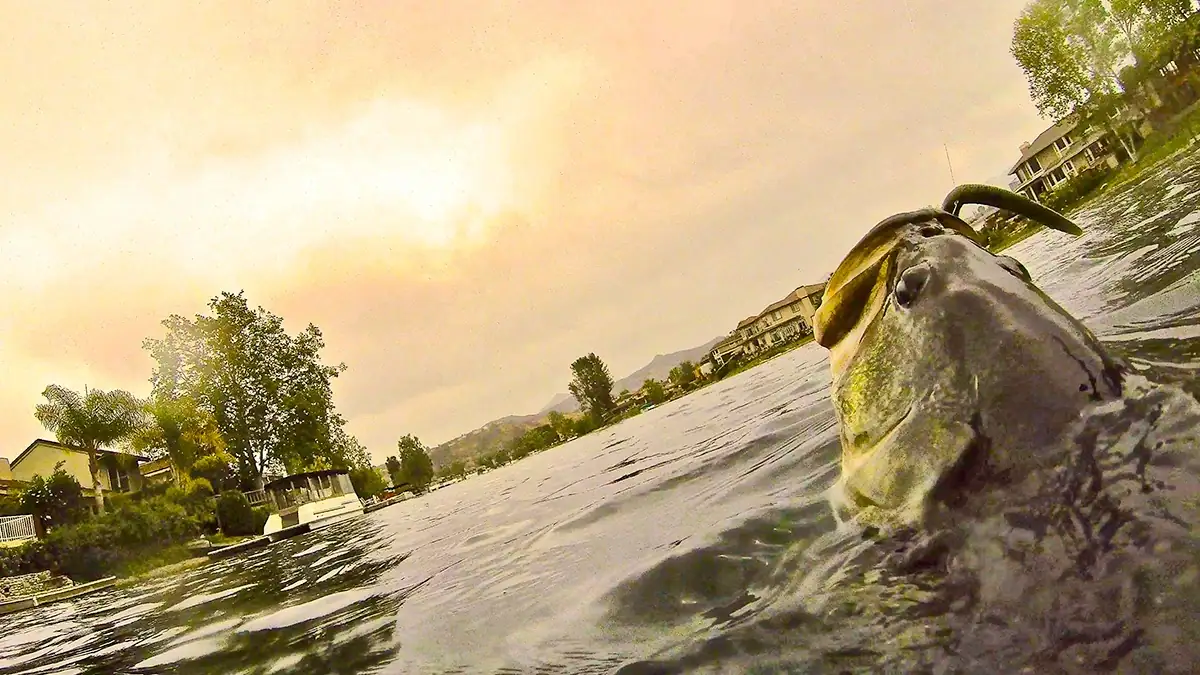
First off, Senkos are not fish locators like a crankbait, spinnerbait, or any fast-moving lure that can cover a lot of water quickly. It’s a finesse bait. That means a Senko should be fished slowly and methodically, and is especially effective around cover in shallow water of around 12 feet or less — though it can go much deeper with added weight. It’s a great bait to throw from the time the water warms up until the fall turnover.
When bass are less active and don’t want to chase a lure, they still can’t resist a juicy, wriggling Senko dropped on their doorstep. While you can work a shoreline or bank for a fish here and there, you’re better off targeting specific spots, which requires precision casting.
Skip Around Docks and Boats
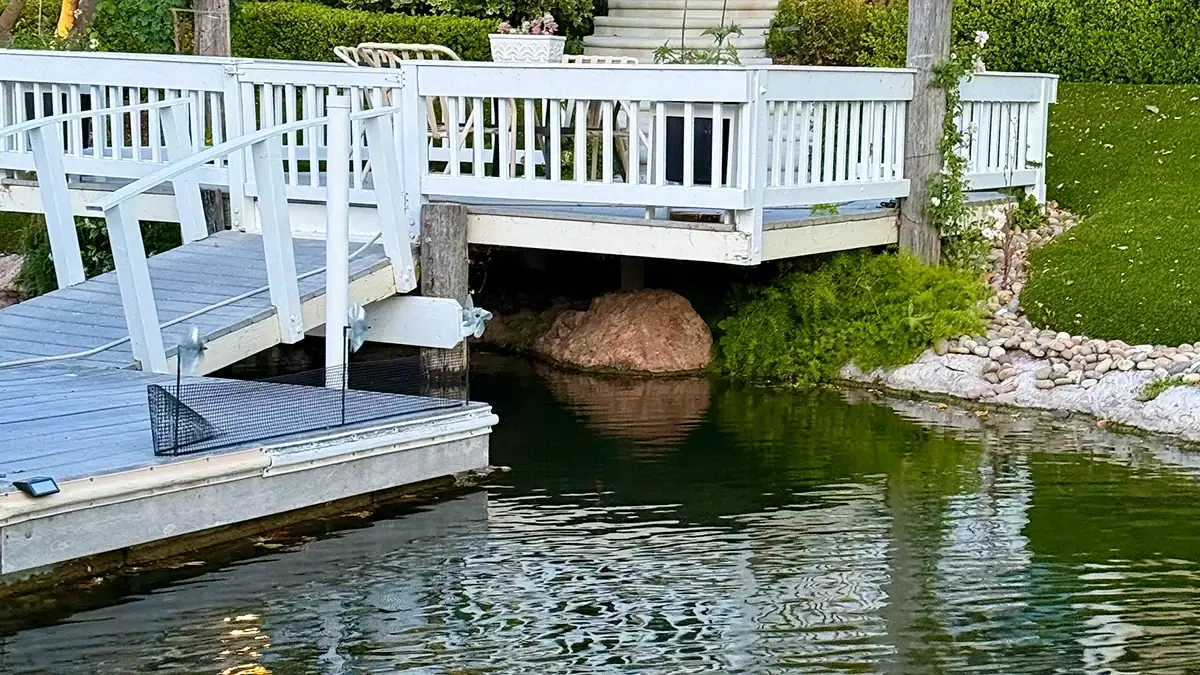
My greatest success with Senkos is fishing it wacky style, tight to docks and under boats. With both practice and spinning tackle, it’s easily skipped along the surface and will slither into tight spaces. When the skies are blue and the sun is high, bass seek shade. That’s when they’re most likely to be found under docks and boats.
Boat positioning is key. Put yourself in the best position to skip or cast a bait under a boat or dock. Be stealthy when using your trolling motor to position your boat for a good cast and go sloooow. Vibrations from your trolling motor can put the bass on alert.
Have a Target Strategy
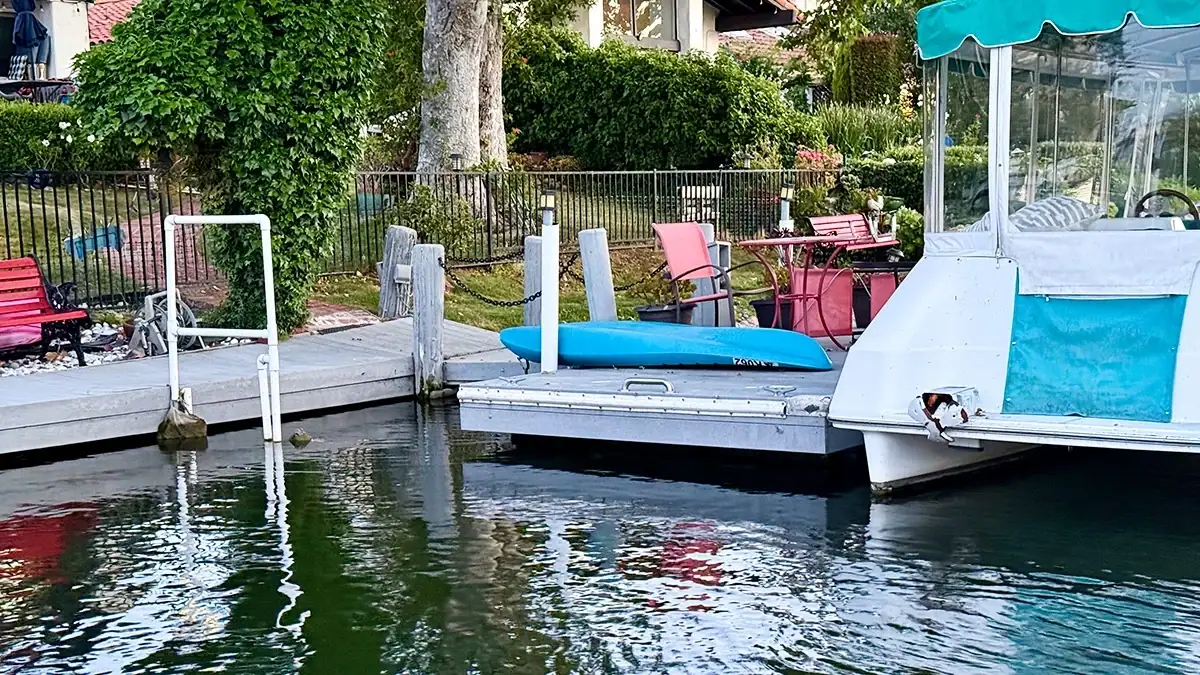
When you approach a shoreline with docks, boats, wood, or other cover, have a plan on where to cast first. Most times, especially around docks with boats tied to them, there are multiple targets. Do you hit the boat first or the dock? And if you aim for the dock, what part of it do you zero in on?
Look for the shady sides and pockets. Then, hit the outermost part first so you don’t disturb a fish farther back under the dock. However, sometimes you’re better off hitting the spot that you feel is most likely to hold a fish first, which may not be the outside part of the dock. That way you don’t spook it when casting nearby. Most of your bites will come on the sink. If not, let it sit for a few seconds and then do a slow twitch-and-pause retrieve from there for about six to eight feet from where your bait landed. Seventy-five percent of your bites will come within that distance. And if you don’t get any bites, try elsewhere.
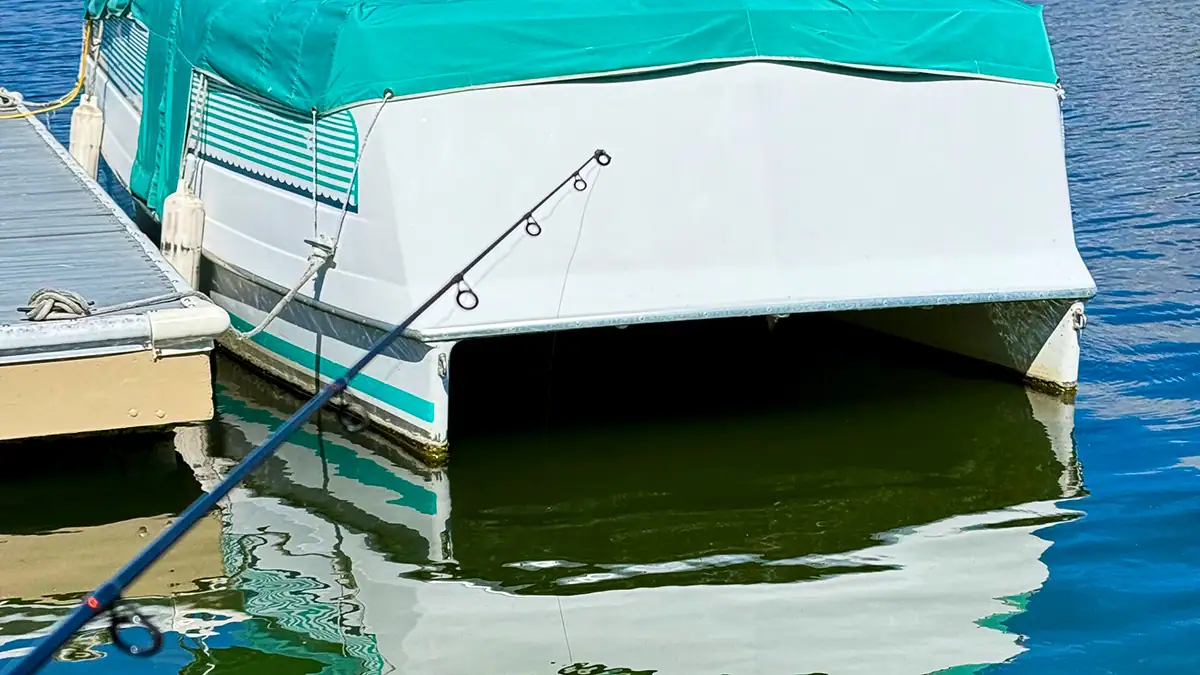
One of my best targets of late is under the short ramps from the shore to the dock. These very tight spots require precision casting but hold some big fish. I think they feel safe there and are more likely to pounce on a defenseless worm entering their lair. Pontoon boats are another great target and give you an opportunity to skip a bait between the pontoons.
Most of the time the bite on a Senko is subtle, just a tick or thump. When you feel it, make sure your line comes tight and then swing. Other times, you won’t feel a thing. That’s why you always have to watch where your line enters the water. If you see any movement, the fish has already taken the bait and is swimming away with it. Tighten up your slack and swing.
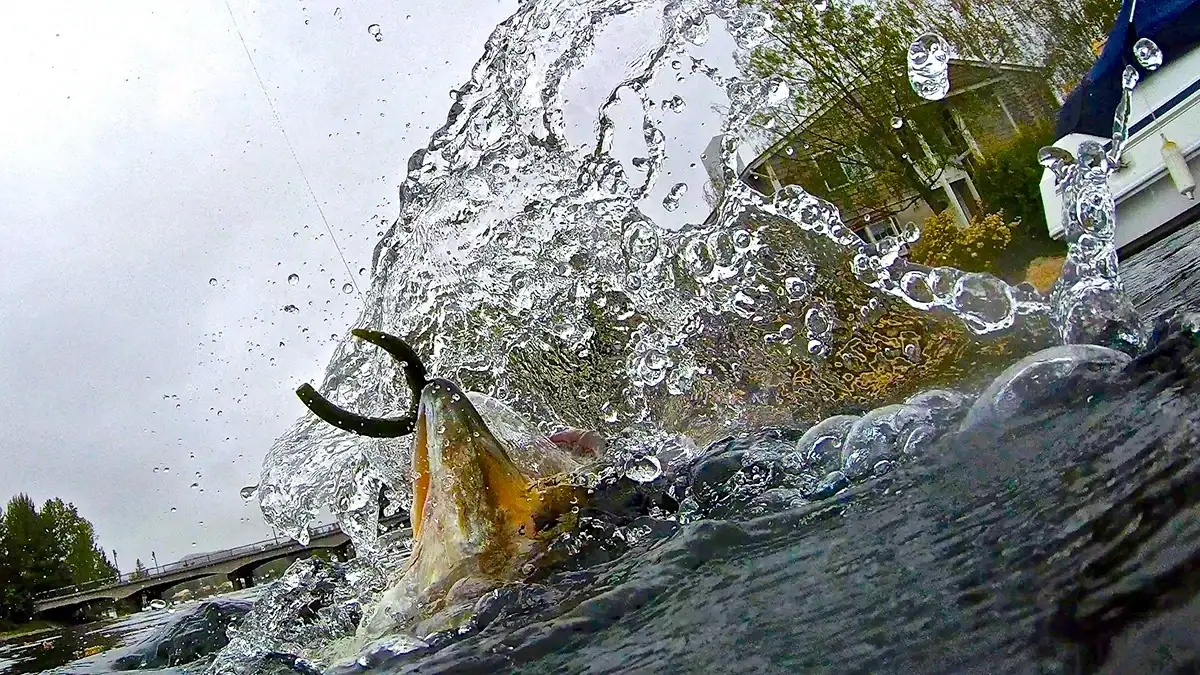
On occasion, when you cast under a pontoon boat or dock and land your Senko right on the head of a bass, you’ll get an immediate, explosive reaction bite as the bass inhales it. Those spine-tingling bites are the ones we all hope for.
Tackle Tips
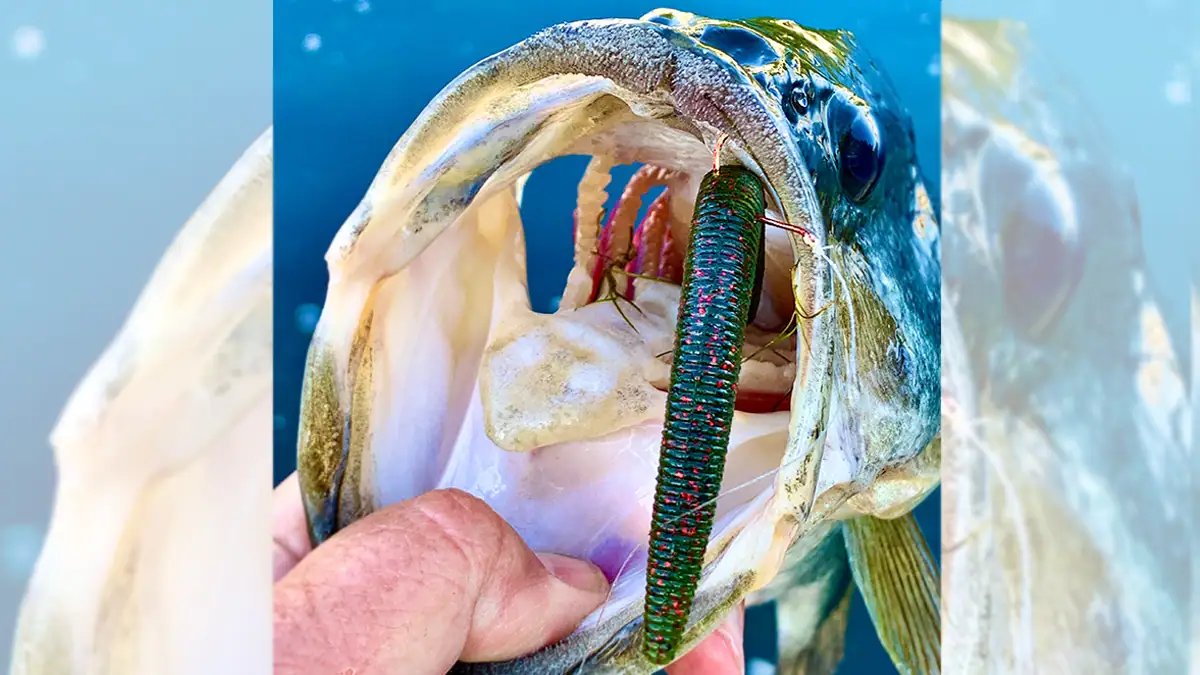
There are many ways to rig Senkos. I rely on the wacky rig 90% of the time and prefer the five-inch size. However, unlike many other anglers, I’ve found that small size-1 or even size-2 octopus style hooks get me more bites than larger hooks, or hooks put through rubber O-rings. That’s because bass are less likely to see or feel the hook. I tie the hook to six feet of eight-pound fluorocarbon leader, which is tied to an eight-pound braided main line on a 2500-size spinning reel. Personally, I like a shorter 6 1/2-foot, medium weight spinning rod for better casting accuracy.
I used to say any Senko color goes, so long as it’s watermelon with red and black flake. That’s still my favorite — but many colors get bites, too. Some bass even like bubblegum or neon colors in murky water or when the fish are on beds, since they stand out more. Pick your poison.
Alternate Presentation Styles
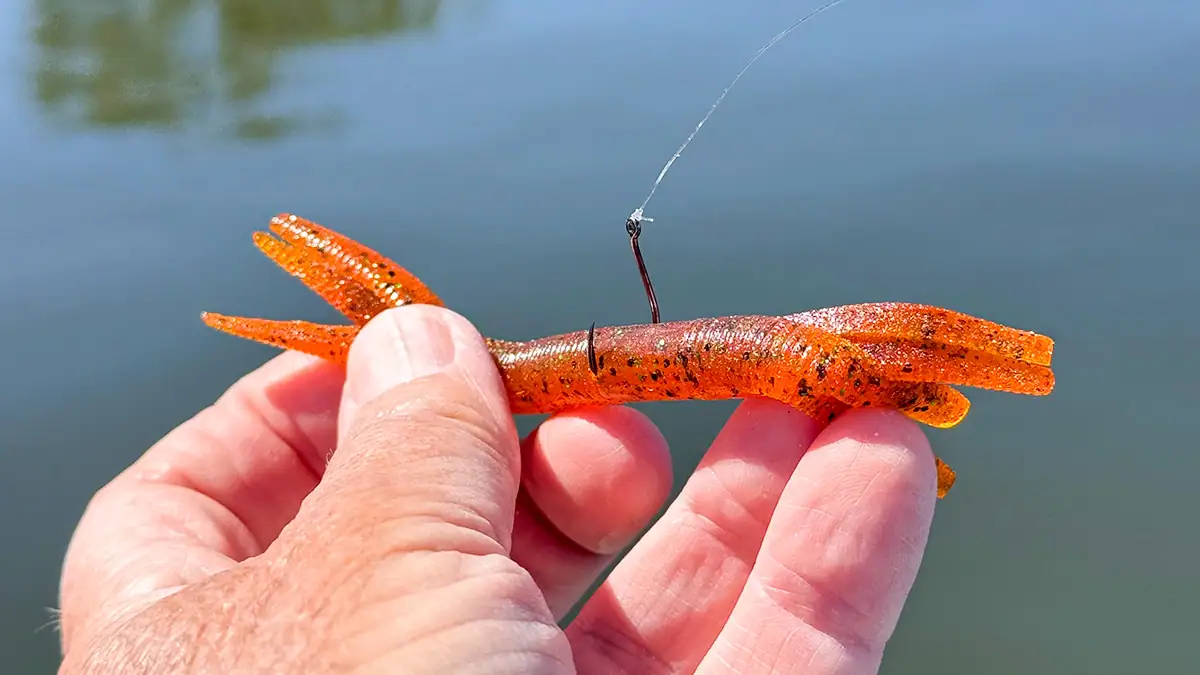
While wacky rigging is most common, Texas rigging, adding a nail weight to one end, or wacky rigging with a small 1/8-ounce leadhead with a weed guard in heavy/weedy cover are alternate considerations. These work well around dock or bridge pilings where you want to fish the bait more vertically. You can also do things like stretching your worm out to release some of the salt and increase the action of the worm on the sink.
Something I’ve been playing with lately is using scissors to cut the ends of the worm into thin tentacle-like one-inch strips so that it looks like a skirt. It gives the bait an extra bit of flutter and acts similar to its cousin, the Fat Ika. It’s been very effective at coercing reluctant bass.
The next time you’re on the water, give some of these tips a try. They just might take you from zero to hero.