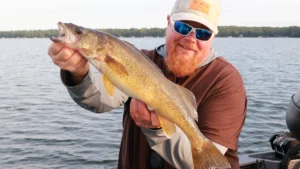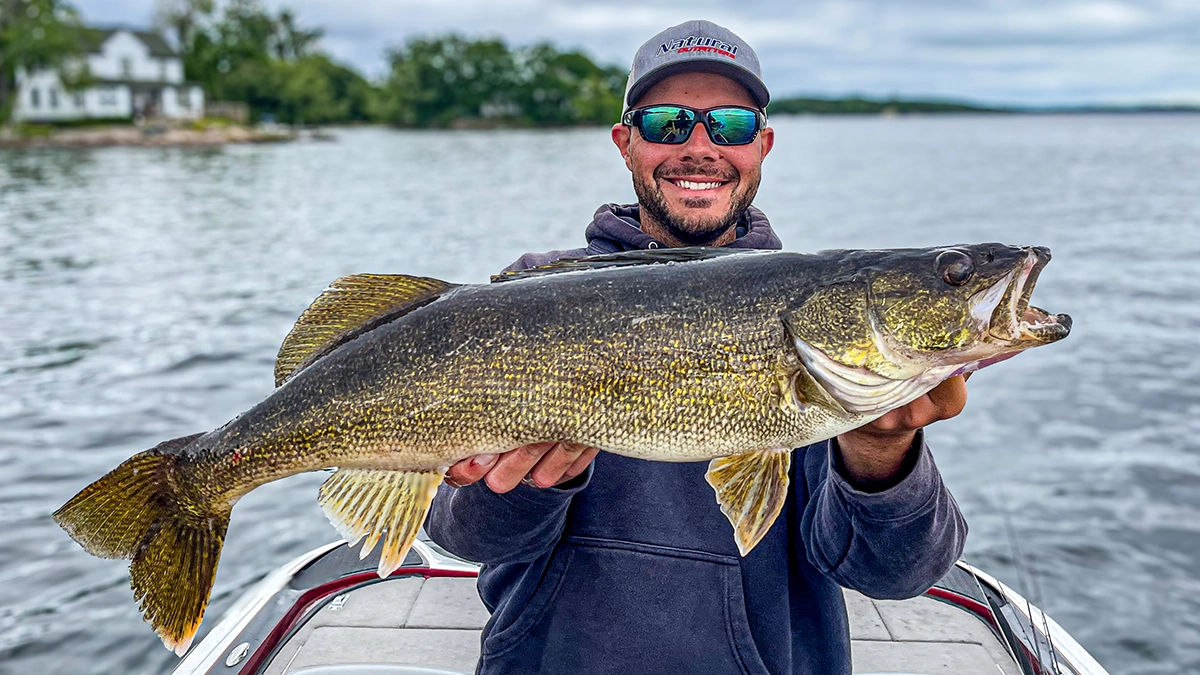
Fishing for walleye is the ultimate experience for countless cool-water anglers. Walleye fishing is fun, provides angling opportunities during all four seasons, and presents the chance to put tasty food on the table. A giant one measuring 28 inches or more is certainly impressive.
Since catching my first “Walter” decades ago, I’ve been intrigued by both this opportunistic predator and figuring out how to get better at consistently hooking them throughout the year. They are found in lakes, rivers, and reservoirs, and they can be caught on a variety of jigging, casting, and trolling tactics involving both live-bait and artificial lures. This guide intends to help you tangle with walleye on a regular basis by covering the following topics:
- Understanding Walleye
- Where to Find Them
- Best Times to Catch Walleye
- Fishing Techniques
- Recommended Gear
- Final Tip: Don’t Pigeonhole Walleye
Understanding Walleye
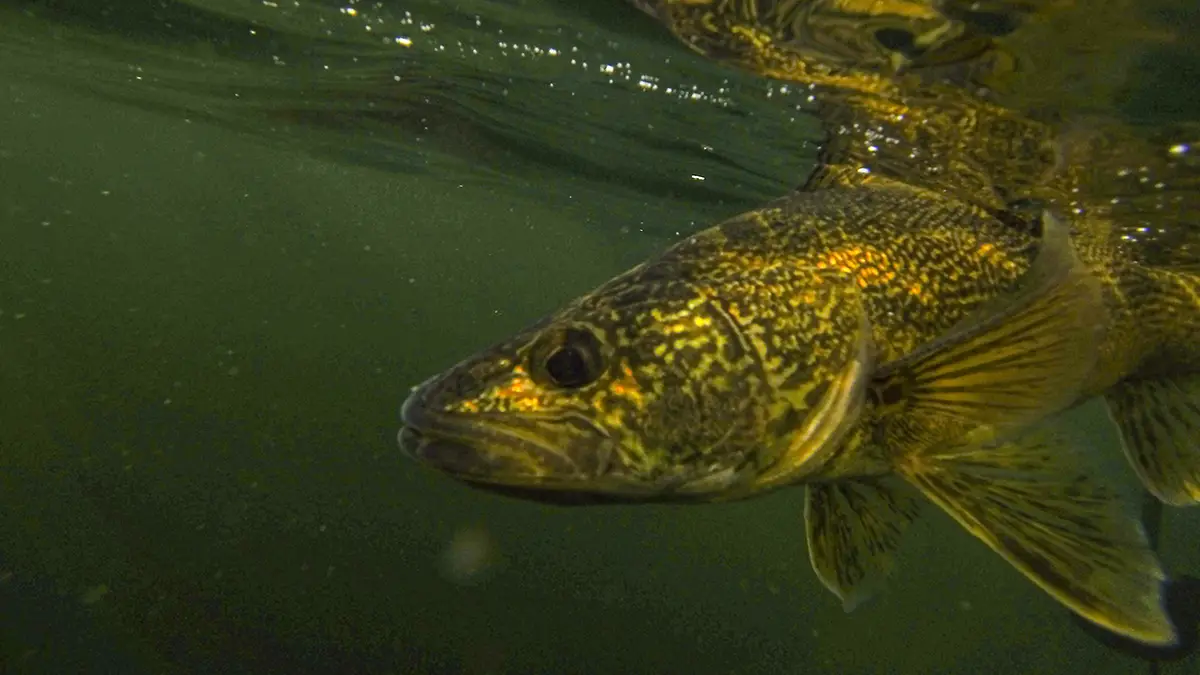
Knowing a bit about the species will help you become a better angler. You can learn all about distribution, habitat, diet, spawning cycle and more in our comprehensive guide to walleye. But a few topics deserve additional highlighting to help you find and catch them. For example, a walleye’s diet varies throughout its lifespan. Baitfish rank high on their menu, but walleye are opportunistic predators that also eat crayfish, worms, leeches, frogs, mayfly nymphs, and more.
Clear, sunny waters are not the best recipe. Looking at a walleye, you’ll notice their eyes take on a somewhat milky appearance in certain light. This characteristic relates to their excellent low-light vision. While yellow perch have difficulty seeing once night falls, “marble eyes” swim around with the evolutionary equivalent of night-vision goggles. Naturally, they use this quality to their advantage to actively hunt both in low-light conditions and at night.
Where to Find Walleye
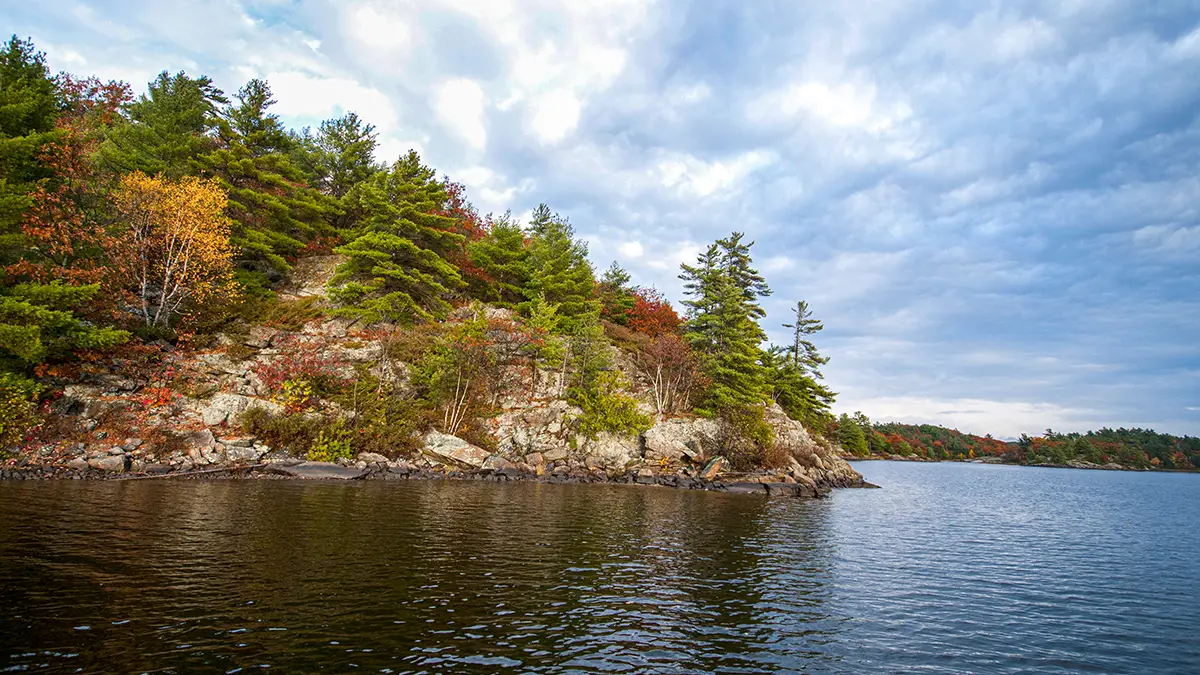
Walleye are a fairly adaptable species. You’ll find them in small streams, big rivers, remote back lakes, the massive Great Lakes, and also in reservoirs. Here are a few things to keep in mind when exploring your local waters for walleye.
Seasonal Changes
One of the best things you can do to become a better walleye angler is learn the annual cycles of this species, and then use this knowledge to track down their whereabouts on a given lake, river, or reservoir. Walleye spawn in early spring on shallow, rocky reefs and gravel shoals. They then hang around these sites for a while, recovering and taking advantage of the abundant forage found in the shallows this time of year. In summer, you’ll often find walleye positioned near deeper structures or suspending in open-water, following and feeding on baitfish schools.
While in shallow, fertile water systems, it’s common to find walleye relating to deep, healthy vegetation. Come autumn, they transition from summer locations to sites where they will spend the cold-water period. Generally, this sees fish holding in deep water in close proximity to their spring spawning grounds.
Consider a walleye’s daily movements. As noted above, a common 24-hour pattern is for fish to relate to deeper areas when the sun is high during the day, and then move shallow to feed from dusk till dawn. As an angler, it’s important to capitalize on this behavior, whether you’re fishing from the bank or from a boat.
Find the Forage
Walleye are never far from their next meal. Get in the habit of asking yourself what and where they are eating. If you’re fishing a waterbody with yellow perch in it, you can bet this species will heavily influence their whereabouts. When baitfish school up, expect to find walleye following their food source. Regularly concentrating around and into tributaries in the fall is just one example of this pattern.
Current positions the fish. Focusing on water flow is important when fishing for walleye. I catch a lot of river walleye every year from current seams (where fast and slow moving water intersect). These features are found around wing dams, points, island, channel swings, boulders, humps, and other obstructions.
Look for structural complexes. Focus on fishing locations that offer several structural elements within a relatively confined area. On lakes, look for island clusters, multiple mid-lake humps, saddles, and other structures closer together. You’ll also want to look for shallower feeding areas containing rocky reefs, tributaries, creek channels, points, and sand bars. On rivers, focus on bends, points, wing dams, tributaries, and bridges.
Rocks, deep vegetation, and wood can all be important. Walleye, for good reason, have a reputation of being fond of rocky areas. Hard-bottom mid-lake humps, rocky points, and boulder strips on flats are three great areas for summer and fall.
Commonly referred to as weed beds, these underwater forests provide walleye with plenty of food, daytime shade (remember they can be light sensitive), and, in the case of rivers, relief from current. I have caught my fair share of fish buried deep within cabbage and milfoil beds on sunny days, but by far the majority of my catches occur along the outer perimeter.
Fish Edges
Keep walleyes’ fondness for edges in the forefront of your mind when deciding where and how you fish for them. They frequently position along drop-off ledges, bottom transitions and weed lines. Edges come in many varieties. Some are less obvious than others, but it’s still important to find them.
For example, walleye often hold on flats. At first glance, flats can appear featureless. But scanning the area with a fish finder will likely reveal an edge that fish use as a travel corridor. These could be long strips of rocks, the edges of short grass beds growing on the flat, or a deeper trough or old creek channel along bottom.
Best Times to Catch Walleye
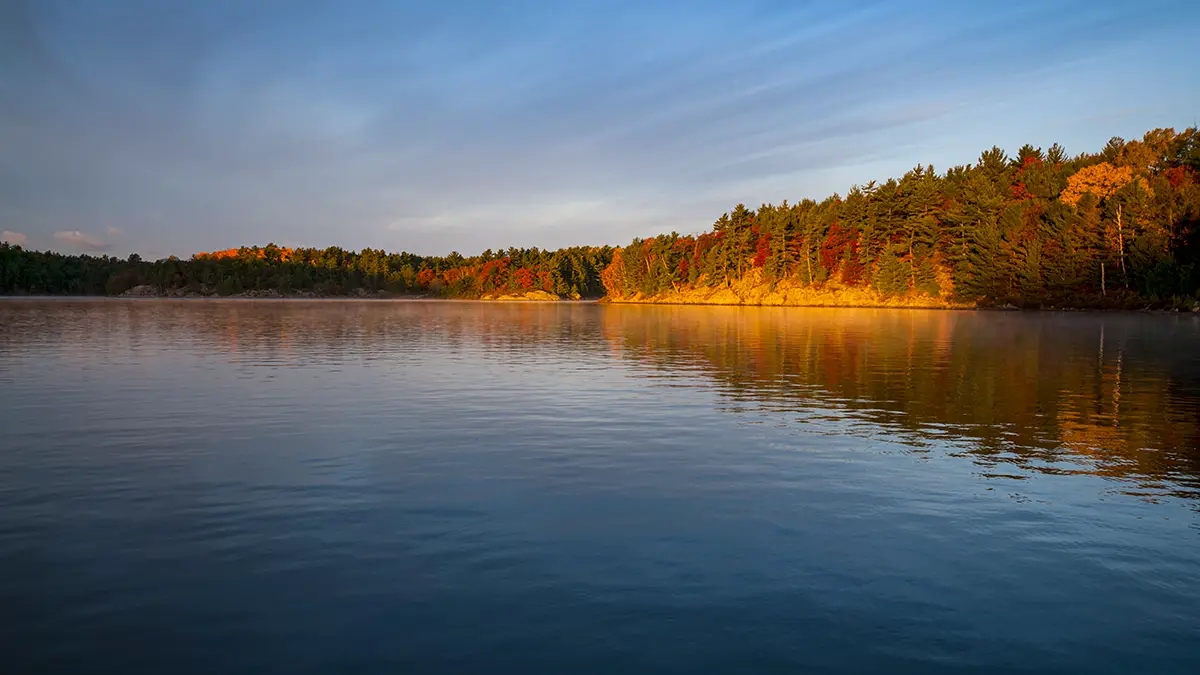
Being on the water when walleye actively feed during low-light conditions is among the easiest ways to increase catch rates. Fishing before sunrise and during the morning’s first few hours offer some of the best fishing times, often rewarding me with some amazing days over the years. Dusk can be just as good. Fishing shallow water for walleye at night is also very productive.
Overcast days are generally better than bright, sunny ones. But, there are workarounds for bright sun, including fishing deeper or in dirty water. Wind is another key factor to consider. Waves reduce light penetration, as well as disorient baitfish. These conditions, in turn, often stimulate walleye feeding activity. With respect to the open-water season as a whole, spring into mid-summer is a great timeframe to catch fish, although post-spawn fish can be moody for a little while.
Depending on the waterbody, late summer into early fall can sometimes pose challenges for anglers, but focusing fishing efforts during dawn, dusk, and night will likely yield good summertime walleye catches. Mid-fall to early winter brings the arrival of cold water — and some of the year’s best fishing, for both size and numbers. As winter’s icy grip takes hold, many anglers shift to ice fishing, but open-water opportunities can be found in certain areas with big fish concentrated in key spots.
Fishing Techniques
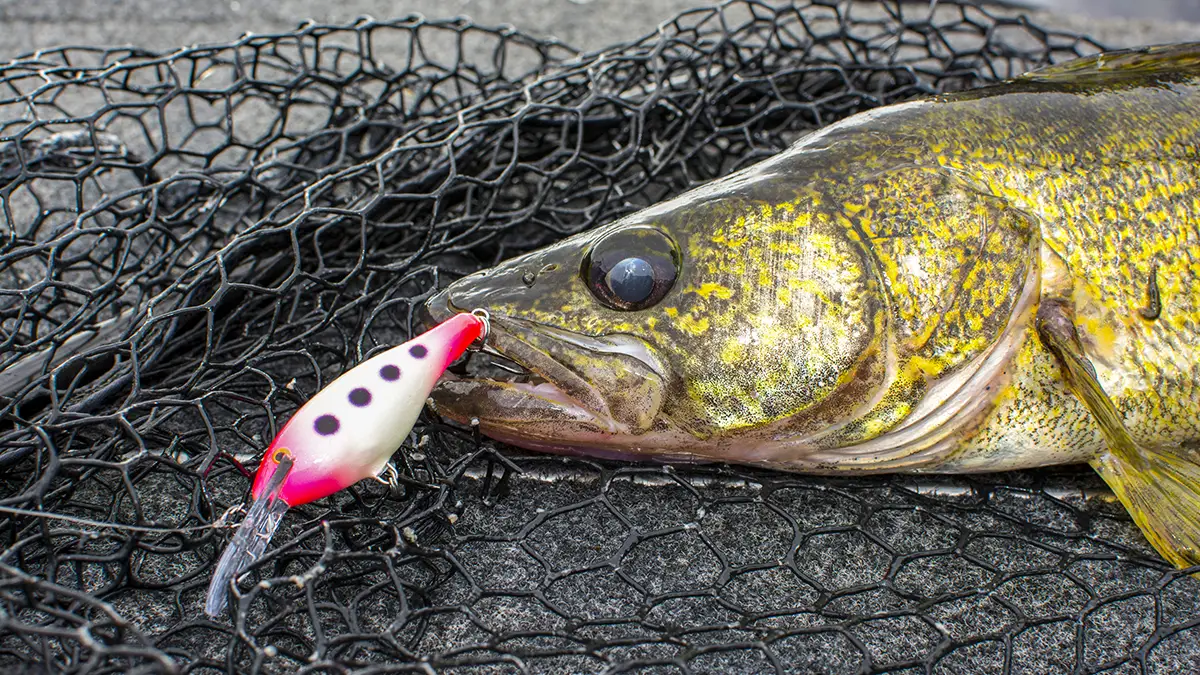
Part of the fun of walleye fishing is the variety of tactics you can use to catch them. A well-rounded angler will be skilled at an assortment of casting, vertical jigging, trolling, and live-bait rigging presentations. We can’t discuss every technique in one article, but here’s a quick overview of some popular ones.
Casting
Whether fishing from shore or a boat, casting is a great technique. In spring, I catch a lot of post-spawn walleye casting 1/8- to 3/16-ounce jigs rigged with 3- to 4-inch soft-plastic minnows to shorelines, points, drop-offs, and vegetation edges in six to 14 feet of water. Casting and hopping a lipless crankbait along bottom in dirty water is another hot springtime tactic. Casting and retrieving a shallow-diving crankbait over the top of sparse grass flats and along rocky shorelines is also effective from season opener into early summer.
Retrieving a swimbait on a jig is a good way to cover water in the summer. It’s also deadly for walleye in low-light conditions and at night. In autumn, casting 3/8-to 5/8-ounce metal lures, such as blade baits and Rapala Jigging Raps, to mid-lake structures and drop-offs between 18 to 35 feet catches plenty of fish. Slowly retrieving a swimbait along bottom is also good this time of year.
Vertical Jigging
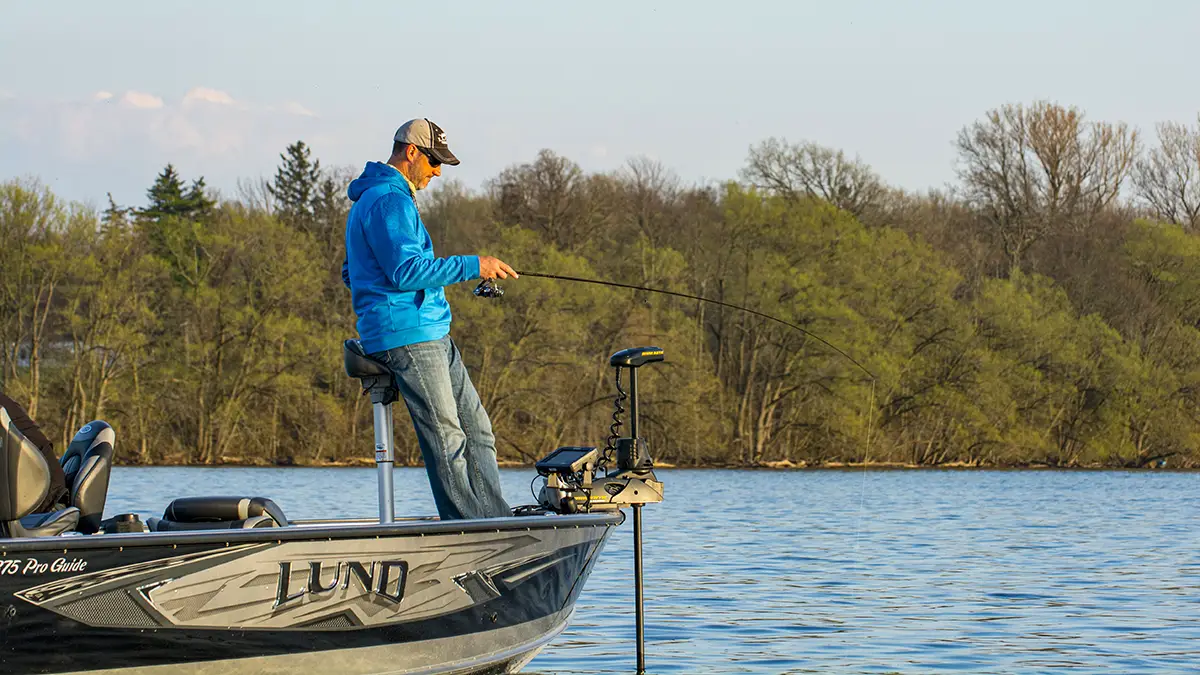
This is a skillset worth learning if you fish for walleye from a boat. In a nutshell, the goal is keeping your line hanging vertically and the lure directly below you. When it’s done right, vertical jigging provides excellent control of the bait. This results in a better presentation and more bites. You’ll also get fewer snags vertically jigging hazardous terrain compared to casting. This technique is extremely popular in rivers, but effective in lakes and reservoirs, too, whenever walleye are deep enough that a boat overhead won’t spook them. Jigs tipped with live bait or soft plastics and metal jigging baits are some popular lures for this technique.
Trolling
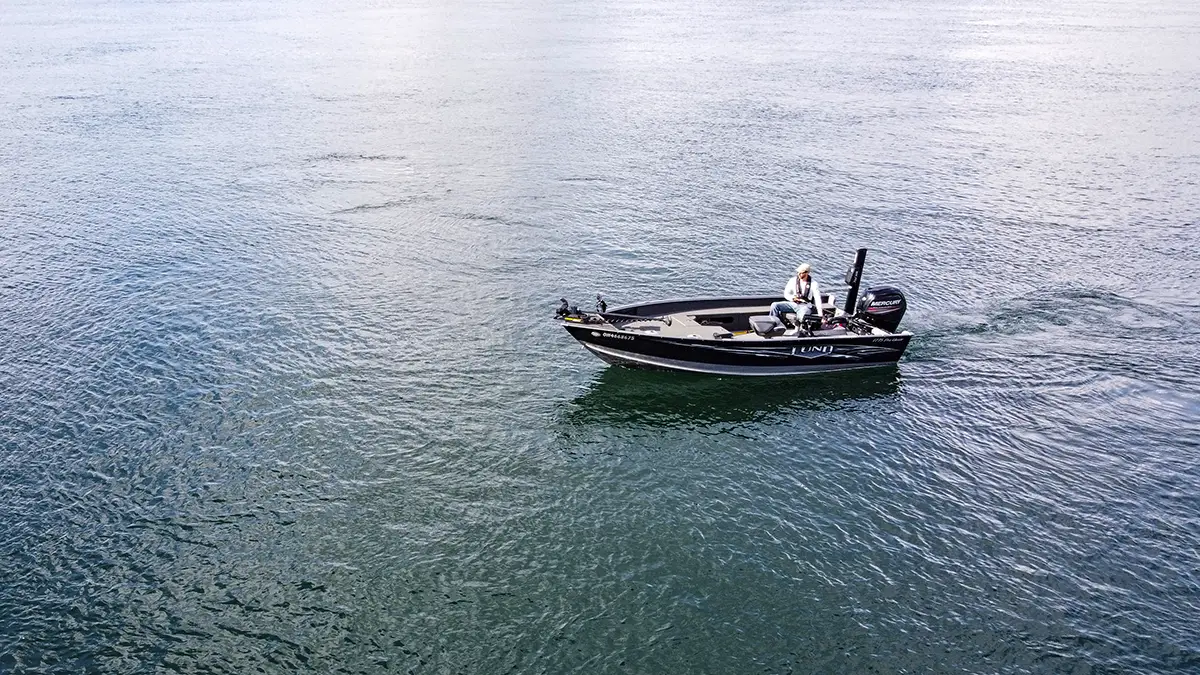
Trolling maximizes the time your bait is in the water and is a great technique to cover ground. Trolling’s a smart strategy when you’re fishing new areas and trying to locate fish. Trolling tactics are also efficient when walleye are scattered or suspended. Hard-baits, spinners, and spoons are just three popular baits for trolling.
Trolling tactics reign supreme on the Great Lakes, but you can pull baits and catch walleye anywhere they swim. When several anglers are in the boat, planers boards are often used to stagger lines and keep trolling spreads organized. When starting out, you don’t need a bunch of trolling-specific equipment.. Troll a crankbait behind the boat (known as flat-lining) along the break line of a shallow food shelf at dusk and you’re probably going to get bit. Then at night, switch to trolling a shallow-running crank or minnow bait over the shallow flat and you’ll keep catching fish under the stars.
Live-Bait Rigging and Bottom Bouncing
Using live-bait to catch walleye is a deeply rooted tradition. As such, a variety of casting, jigging, trolling and drifting techniques center around using real minnows, leeches, or night crawlers to tempt fish to strike. One of the most potent rigs ever at making fussy walleye eat is a walking sinker rig (aka Lindy Rig). It consists of a snag-resistant sinker, followed by a swivel, a length of monofilament leader, and then often an octopus hook. Personally, I prefer some buoyancy at the business end of this rig to keep a minnow, leech, or nightcrawler up off bottom.
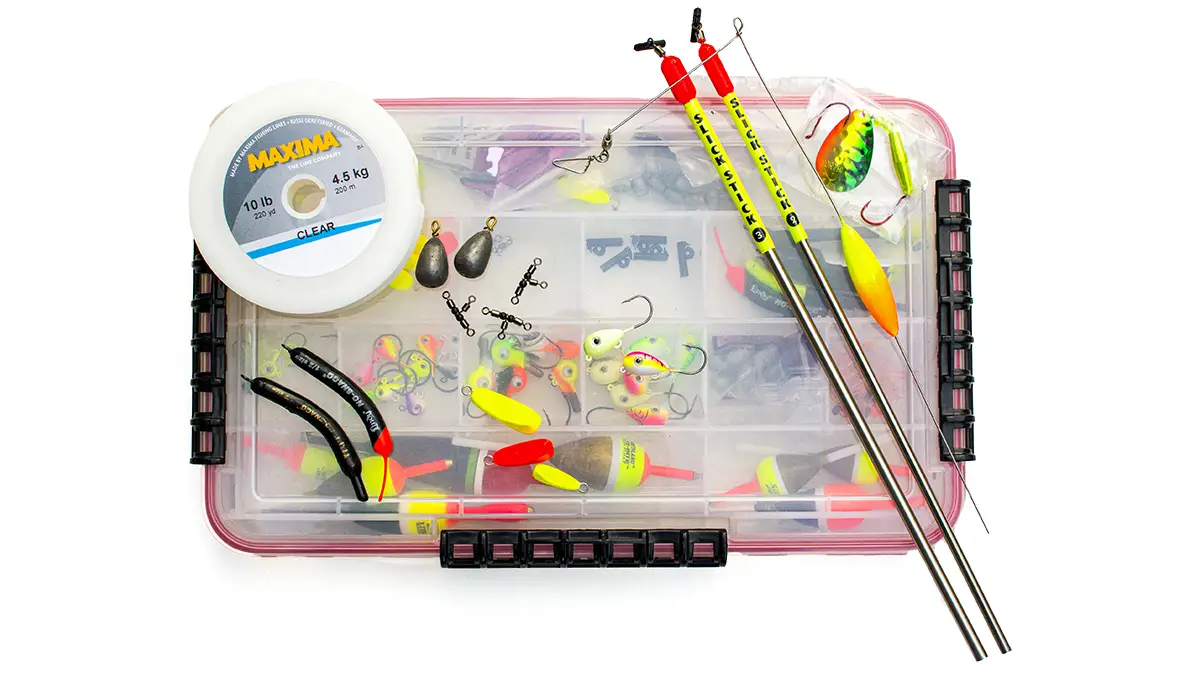
I’ve slowly drifted a leech or a minnow on a walking sinker rig to catch cranky post-spawn walleye sulking on sandbars, flats, and along shorelines on reservoirs and lakes. It’s also great for working deep structures on Canadian Shield lakes in summer and fall. I’ve even lobbed it out from the shore when river bank fishing.
Trolling or drifting a bottom bouncer to troll a spinner rigged with a nightcrawler, leech, or minnow is another reliable technique. Keeping the line anywhere from vertical to 45 degrees behind the boat makes this rig very snag resistant. As a result, this presentation does an excellent job of keeping your bait in the strike zone of bottom-oriented walleye. A potent variation is skipping the spinner and using a slow-death style hook tipped with a nightcrawler.
Recommended Gear
Baits
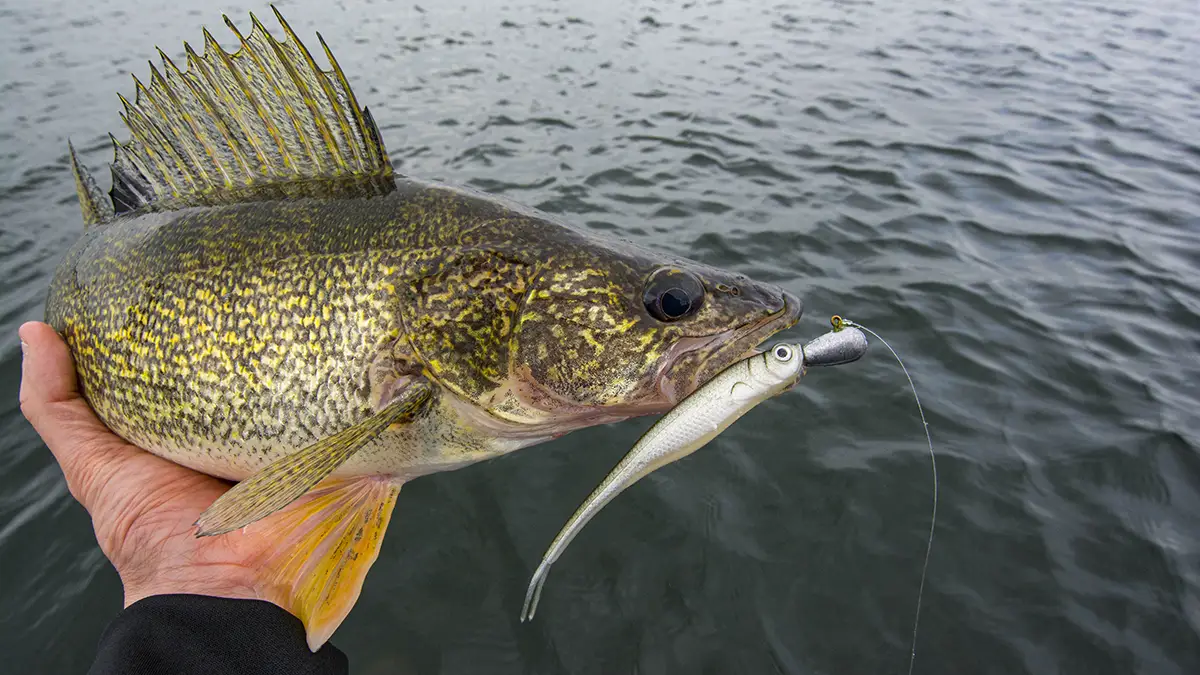
When you’re up against lock-jawed fish, it’s hard to go wrong using a minnow, leech, or nightcrawler. For everything else, this type of fishing can involve casting, vertical jigging, trolling, and live-bait rigging. There are a lot of quality baits on the market, too. If you were to poll a group of North Country anglers about their favorite bait for walleye, a jig rigged with some kind of soft-plastic would rank high on the list for many.
You’ll find more in-depth information on artificial options in our best walleye lures guide, but here’s a quick rundown of some of the best walleye baits:
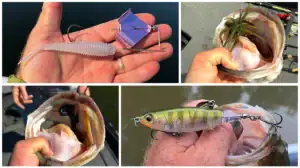
- Swimbaits are deadly for walleye. I mostly fish these paddle-tail plastics on a jig, but also catch fish on internally weighted swimbaits. Most anglers gravitate to 4- to 5.5-inch swimbaits, but don’t overlook smaller, finesse versions for clear water and fickle fish.
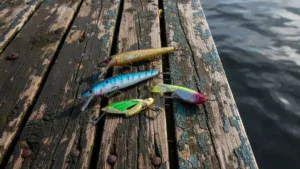
- Crankbaits consistently catch fish from spring to ice-up. My collection spans everything from small, two-inch shad cranks to deep-divers pushing six inches, along with lipless cranks. Casted and trolled, crankbaits are must-haves.
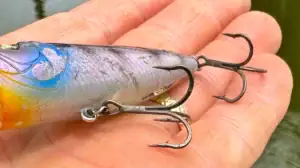
- Jerkbaits and minnow baits also have a place in any angler’s tackle box. I’ve had some pretty fun days casting jerkbaits to wind-blown points and weed beds. Minnow baits are also great for trolling.
- Trolling spoons are important lures for targeting suspending walleye oriented around open-water baitfish on the Great Lakes and other water bodies. Spinners tipped with scented soft-baits are also important trolling baits.
- Jigging hard baits are also some of the best lures available. These include jigging spoons, blade baits and gliding jigs, like a Rapala Jigging Rap. Some anglers reserve these for spring, fall, and winter, but they also work in summer.
Rod Setups
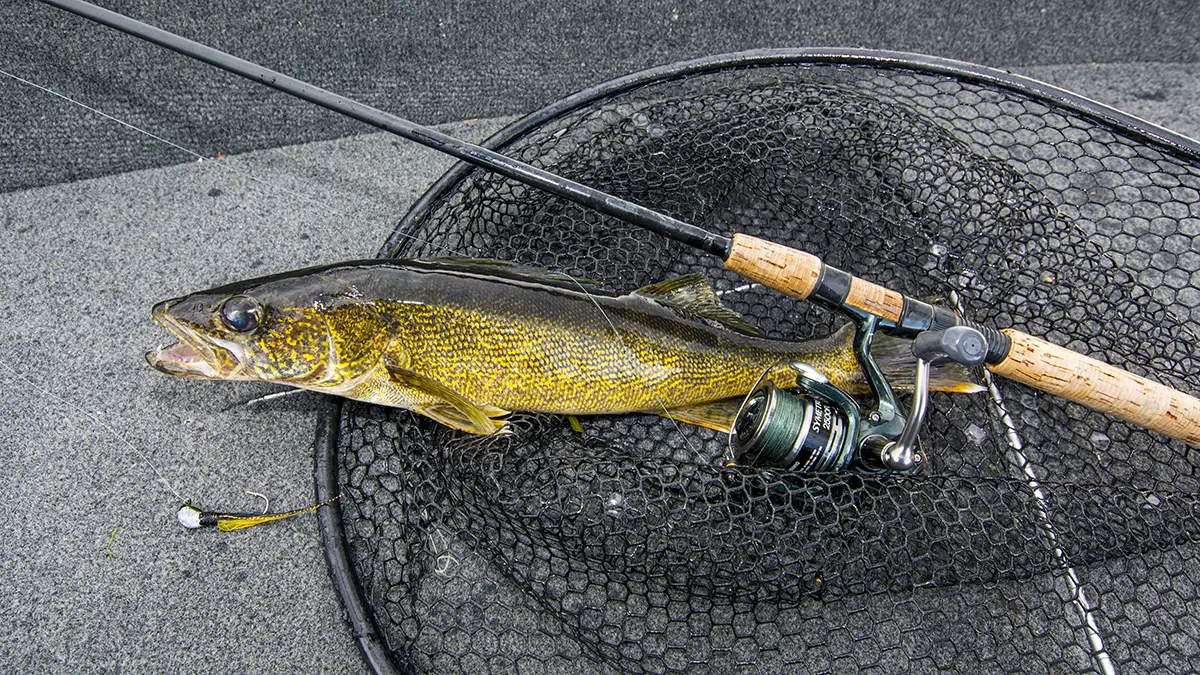
Most anglers own multiple rod and reel set-ups, and prefer the characteristics of certain combos for various jigging, casting, trolling, and bait-rigging techniques. I am one of these people. But when I started out, I caught plenty of walleye using a six-foot, six-inch medium spinning rod, 2500-sized reel and eight-pound monofilament. You definitely don’t need to go overboard with fishing gear purchases if you’re just starting out.
Most fishing rods today list a lure weight rating on the blank. Here is a great guide for checking out the best walleye rods to buy for various fishing techniques. A six-foot, six-inch to seven-foot medium-light, fast, or extra-fast spinning rod is a good choice for jigging, live-bait rigging, and casting presentations within the 1/8- to 3/8-ounce range. Depending on where and how deep you fish though, you may find a seven-foot medium spinning with a 3/16- to 5/8-ounce range is a better rod to build your collection around.
While spinning rods are extremely popular among walleye anglers, casting models have their place. I pick conventional rods from my bass collection when using large crankbaits for walleye in summer and fall. Swimbaits on heavy jigs pair well on medium or medium-heavy baitcasting outfits. Casting rods are preferred for bottom bouncing heavy weights, as well.
If you’re planning to troll baits on a regular basis, consider getting a trolling-specific set-up. I regularly use seven-foot, 10-inch medium-heavy and eight-foot, three-inch medium telescopic rods with moderate-fast actions. Great Lakes guides I know regularly use rods up to 10 feet when running planer boards. They stagger rods to keep the trolling spread organized, using shorter rods for inside lines and the longer rods for lures running the furthest away from the boat. Keep in mind, we’re just scratching the surface here because there’s a lot of details to consider when it comes to trolling tactics.
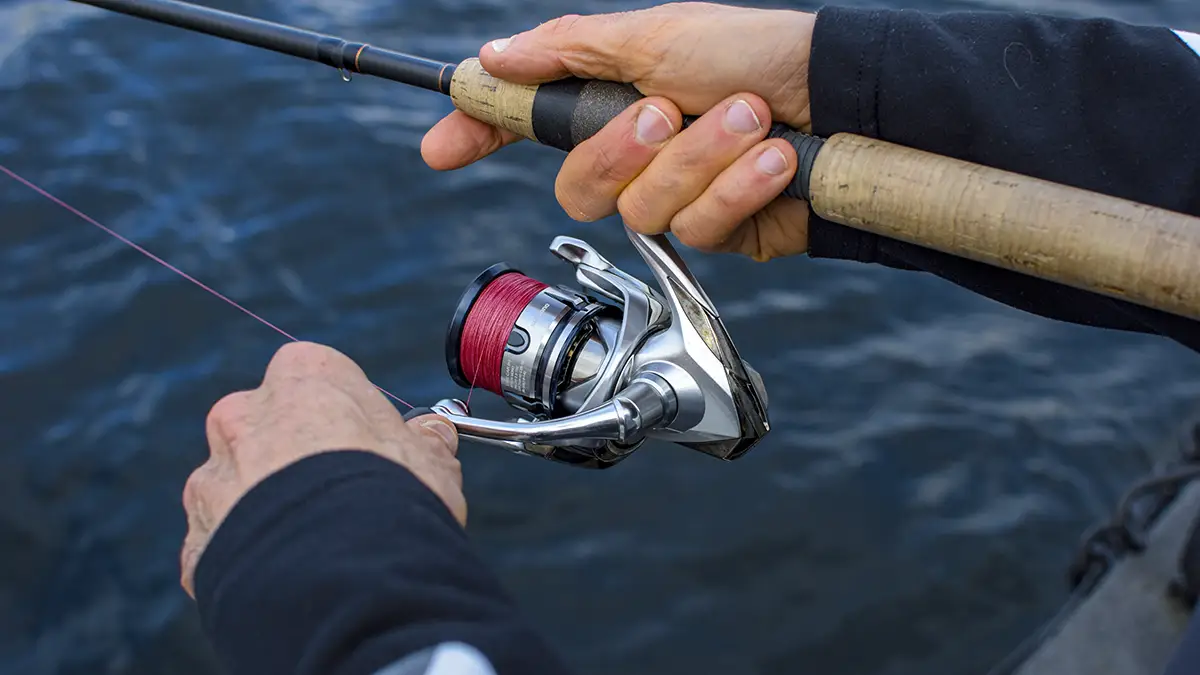
Don’t underestimate the importance of a smooth, quality fishing reel. Most of my spinning rods have 2500 or 3000 sized reels on them. If you’re keen on trolling for walleye, investing in a line-counter reel is worthwhile. It tells you how much line is out and, when cross referenced with a product’s dive curve information, serves as a useful tool for trolling with better depth control and precision. Baitcast reels are popular among anglers for bottom bouncing. Being able to press the thumb bar and let out line using only one hand is advantageous when pulling bouncers over irregular bottom terrain and keeping the presentation in the strike zone.
Using quality fishing line makes angling easier and more productive. You’ll encounter less problems, like wind knots and tangles, and experience better overall performance when using good fishing line. The right line can also enhance certain applications, such as using monofilament when fishing a minnow on a walking sinker rig or certain crankbait scenarios. The majority of my spinning rods have 8- to 15-pound braid with a fluorocarbon leader at the end, but a few are spooled with straight fluorocarbon. This said, those starting out will find 6- to 8-pound monofilament is great for many jigging and casting applications. Learn more about the best monofilament and fluorocarbon in our fishing line buyers guide.
Electronics
You don’t need a fish finder to hunt walleye from a boat or kayak, but the information it provides will certainly help. Traditional 2D sonar is useful for determining bottom depth and composition, as well as marking both fish and their depth in the water column. Having digital map contours and GPS functionality improves everything from finding and navigating to spots quickly, and then maintaining proper boat position on these areas in order to fish them effectively. Being able to make your own contour maps is very handy, too. Cutting-edge livescope is also changing the game.
Final Tip: Don’t Pigeonhole Walleye
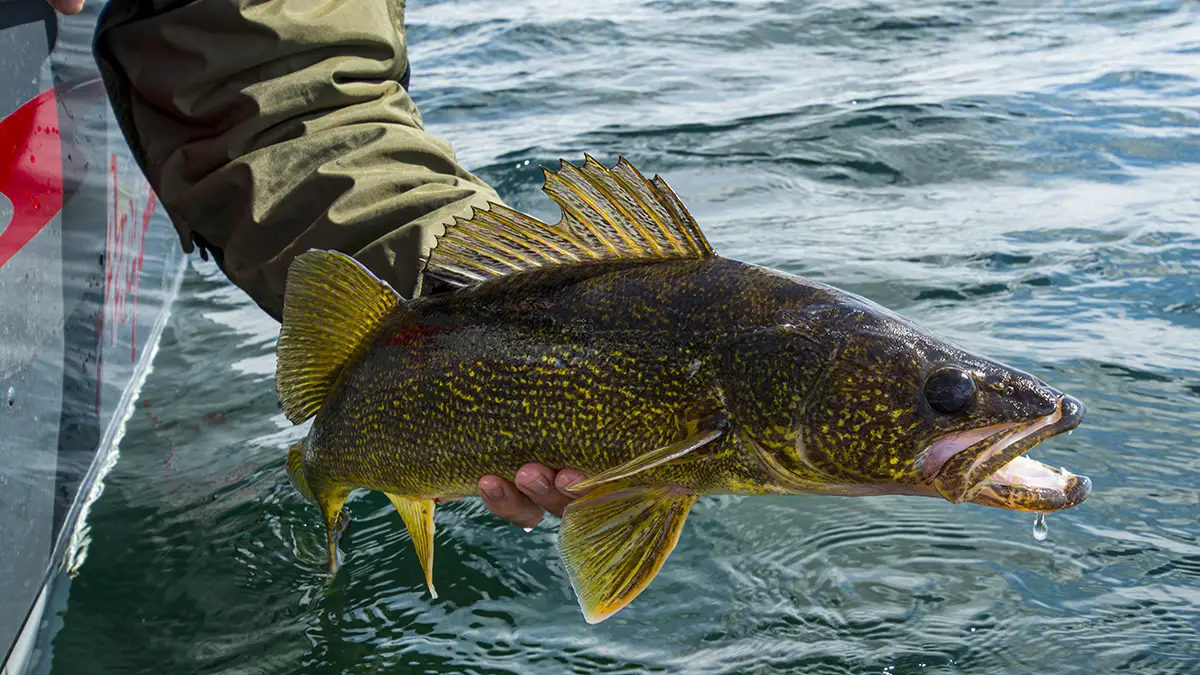
If there’s one thing I’ve come to realize from fishing for walleye, it is the importance of keeping an open mind. The species is an incredibly adaptable predator with a hearty appetite, and they aren’t following a dedicated rule book. Over the years, I’ve had my assumptions challenged many times. Catching walleye from shallow, clear water during the day or on a “bass technique,” like a drop-shot, are just two examples of things that struck me as off the wall.
But these unconventional discoveries were important to learning and, subsequently, have helped me catch a lot of fish over the years. If you’re wanting to catch walleye on a regular basis, there’s no arguing the importance of learning the fundamentals when it comes to where to find them and the tried-and-true techniques for catching them. But, also don’t be afraid to go against the grain, trying different locations and experimenting with fishing techniques.