On June 29, the Great Lakes Aquatic Invasive Species Landing Blitz kicked off its two-week, coordinated multi-state effort to help stop the spread of invasive plants and animals throughout the region.
And even if you’re fishing elsewhere in the country, it’s a timely reminder that anglers everywhere can be proactive conservationists of their own local waterways.
Great Lakes Invasives
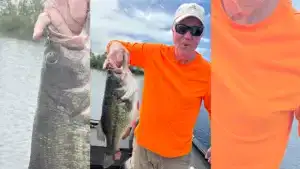
Conservation-minded anglers absolutely should — and do — remove invasive fish from lakes. With The Great Lakes accessible to anglers across numerous northern states, several initiatives to address invasives are going on now.
As one example, the Wisconsin Department of Natural Resources released both information and advice ahead of the June 29-July 12 Great Lakes Landing Blitz so boaters and anglers are well-informed about their roles in stopping the spread of invasive plants and animals among the state’s waters.
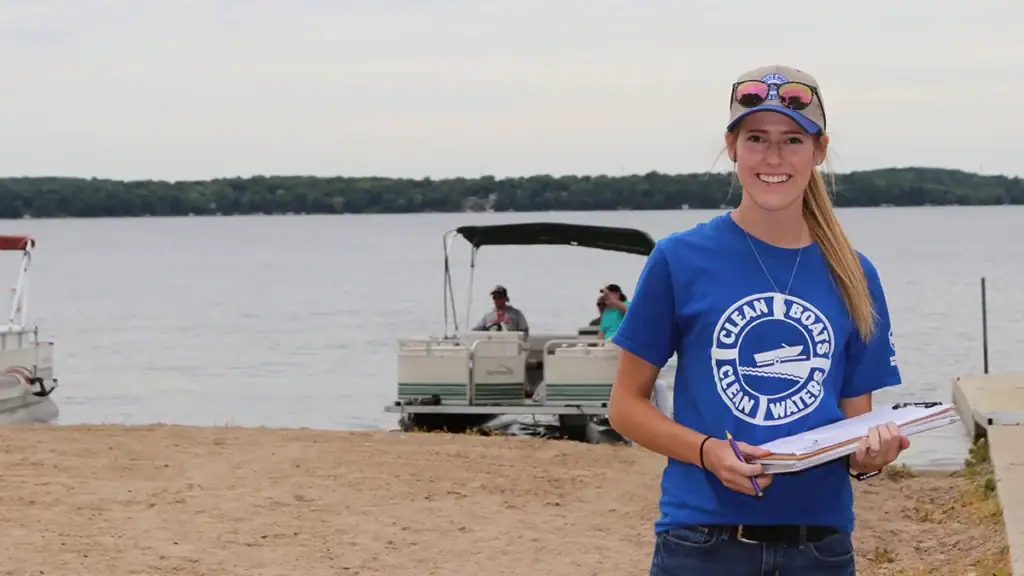
During the two-week initiative that’s currently underway, Clean Boats, Clean Waters (CBCW) representatives will be at boat landings and access points across the state. Those individuals will be on hand as both educators sharing information about aquatic invasive species and demonstrators illustrating some simple steps to stop invasive species from spreading.
“[W]e have a major opportunity to practice good stewardship,” said Erin McFarlane, statewide CBCW educator. “The Great Lakes Landing Blitz is a great reminder that small actions — like draining a livewell or removing plants from a boat trailer — add up to a massive positive impact for our shared environment.”
Monetizing Invasive Elimination
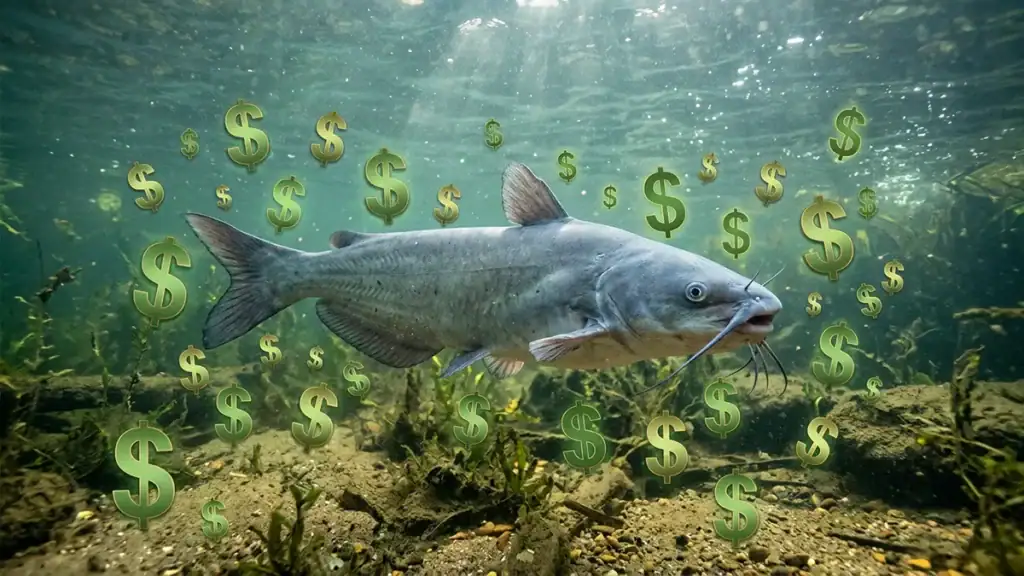
As Wired2fish previously reported, both Colorado and Maryland are rewarding anglers who answer the call to catch regional invasives.
The Colorado Parks and Wildlife Green Mountain Reservoir Pike Removal Tournament kicked off last month and will continue to exclusively focus on ridding state waters of their invasive northern pike. The ongoing tournament, which ends Sept. 30, gives anglers the chance to win up to $500 a month for stepping up to protect some of the state’s most valuable fisheries.
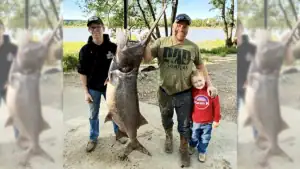
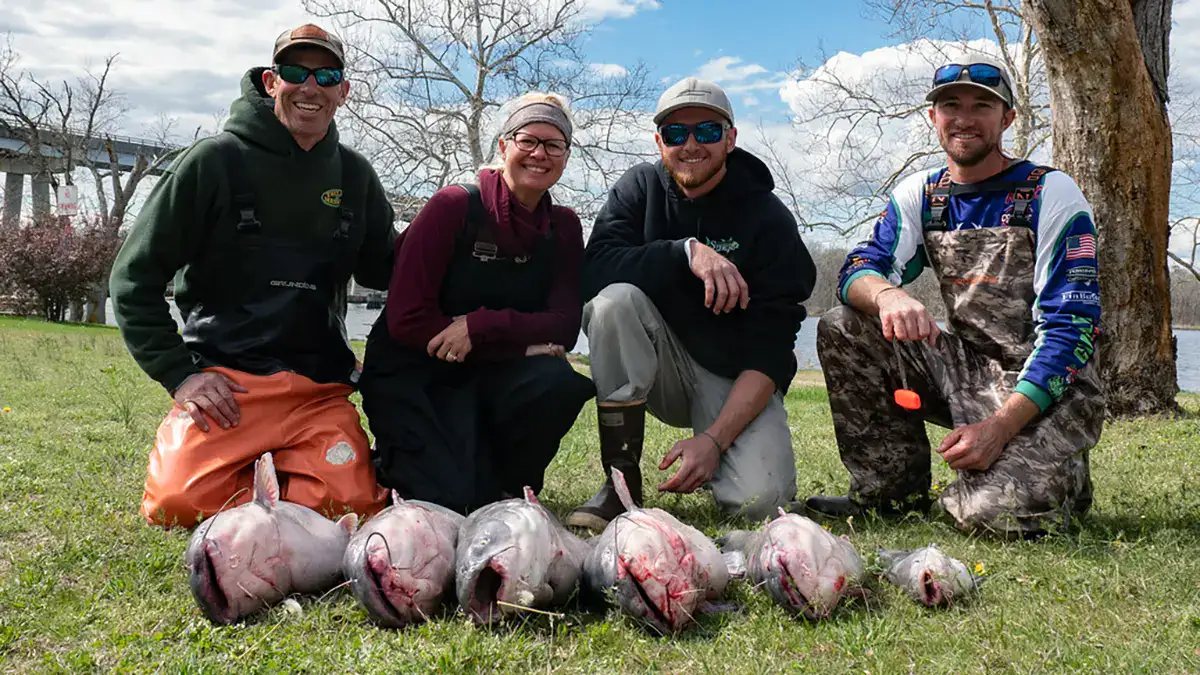
Meanwhile, the Maryland Department of Natural Resources is both supporting and partnering with numerous fishing events that target non-native blue catfish throughout the second half of 2026. The predatory invasive continues to expand its presence throughout the Chesapeake Bay ecosystem, gobbling up native species like blue crabs, white perch, and menhaden as it spreads.
Maryland continues to promote and partner with numerous tournaments and events that reward anglers for harvesting blue catfish and other invasive species. Those joint efforts not only provide prize money and foster community engagement, but also yield useful harvest data while removing thousands of pounds of invasive fish from local waterways.
Florida’s Lionfish Challenge
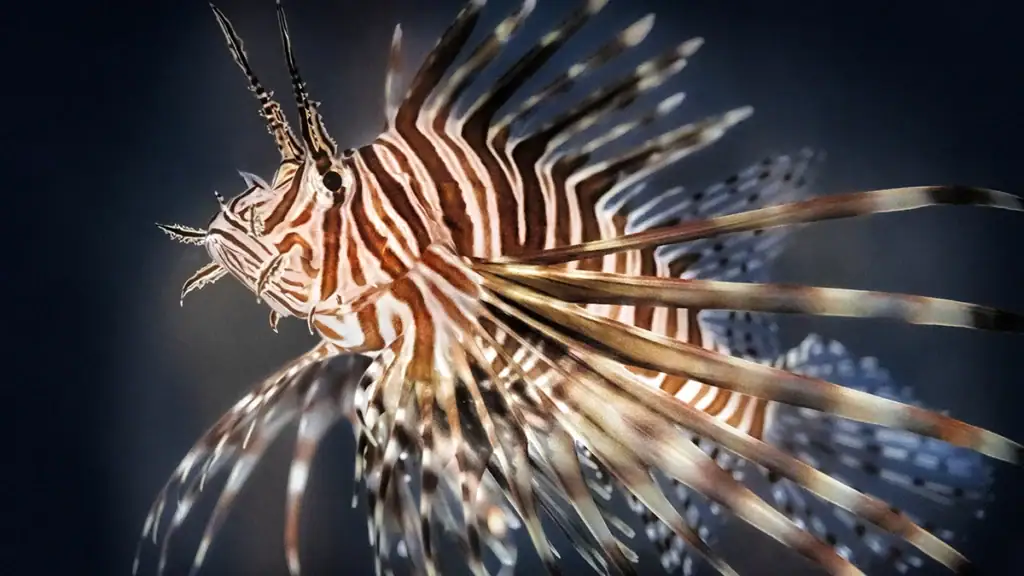
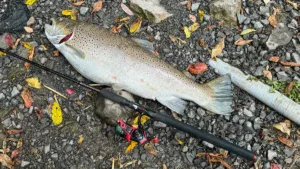
Species management is an ongoing endeavor anglers can often assist with throughout the year. Take the Florida Fish and Wildlife Conservation Commission’s Lionfish Challenge 2026, a statewide program that began May 22 and goes ‘til Sept. 14. The initiative rewards both recreational and commercial anglers alike in proportion to the number of lionfish they remove from state waters.
The initiative’s monthly giveaway drawing doles out prizes on six tiers, which includes Challenge Coins, apparel, fishing gear, and an electronics package. With reward levels for recreational anglers who catch anywhere from 25 lionfish to 600 of the invasives, the challenge is designed so that “the more lionfish you submit, the more prizes you receive.”
The More You Know
Of course, education is important in combatting invasives, too. In Georgia, its Department of Natural Resources’ Wildlife Resources Division (WRD) encourages private citizens to arm themselves with knowledge about what they call aquatic nuisance species and ways to keep them from entering state waters.
It also points the public toward online certification training to deepen that awareness. Once an individual reads through the educational section of the page — which explores topics like the consequences of aquatic nuisance species, how anglers and boaters can mitigate that spread, and steps that state officials are taking to protect native plants and animals — they’ll answer 15 multiple-choice questions about what they learned to receive their digital certificate.
“Aquatic nuisance species, or ANS, threaten many of our waterbodies around the state,” said WRD ANS Program Manager Jim Page. “To help further education about this topic, we have created an online certification tool designed to teach participants about various ANS in or near Georgia; provide insight on why these invasive species are a big deal; and give guidance on how the public can help prevent these species from being introduced.”
Simple Ways to Stop Invasives
Of course, there are plenty of individual steps one can take to stop invasive aquatic species at the local level. The national campaign Stop Aquatic Hitchhikers! is one of many resources dedicated to empowering “recreational water users [to] be part of the solution to help prevent and slow the spread of aquatic invasive species.”
Numerous state organizations offer helpful advice and actionable items specific to their local ecosystems, too. Montana Fish, Wildlife & Parks, for example, maintains a dedicated page to assist locals and visitors alike in protecting state waters from aquatic invasive species by providing everything from information about obtaining a required inspection before launching an out-of-state watercraft on Montana waters, to an invasive-species identification guide, to handling the removal of an invasive specimen.
The “Clean. Drain. Dry” approach remains an effective tactic in minimizing the spread of invasives.
Step One
Clean off all the aquatic plants, animals, and mud from your equipment before leaving the water access by rinsing equipment and boat hulls with high-pressure hot water, washing off interior boat components with low-pressure 120°F water, and flushing your motor with similarly hot water for either two minutes or according to manufacturer instructions.
Step Two
Drain the likes of your motor, bilge, livewell, and anything else that contains water, also before leaving water access.
Step Three
Dry everything for at least five days, or thoroughly wipe it all down with a towel before reuse.
For anglers, there’s also a highly recommended fourth step: Dispose of any unwanted bait, worms, and fish parts by throwing them in the trash before you go. If you’re keeping any live bait, drain the container and replace that liquid with spring or dechlorinated tap water. Never dump live fish or other organisms from one water body into another.
Preventing the introduction of invasives is a far easier task than fighting back their growth once they’ve entered non-native waters, which makes being a diligent steward of your local lakes, ponds, rivers, and reservoirs an imperative no matter where or when you’re fishing.