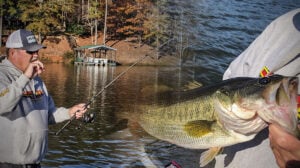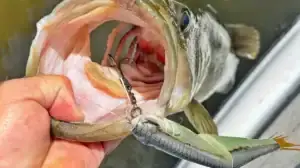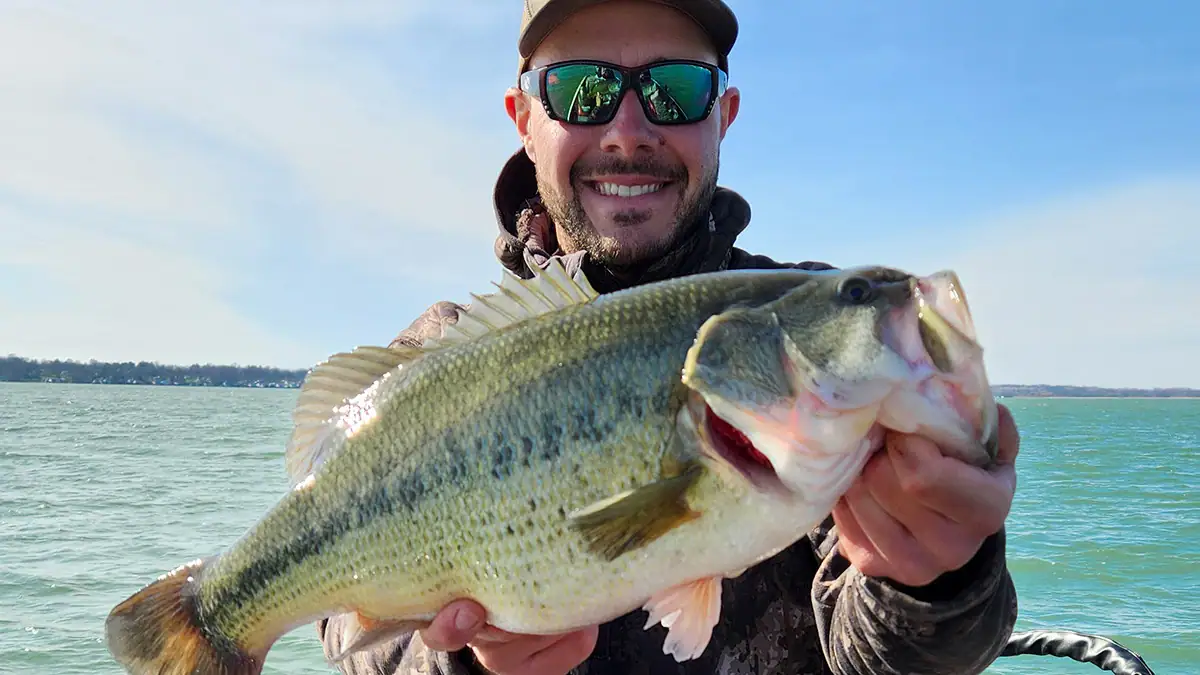
There’s something special about that first stretch of open water after a long winter. For someone like myself who doesn’t ice fish, it’s a welcome sight after a long, harsh winter.
Ice-out bass fishing carries a mix of anticipation, frustration, and opportunity. The fish are there, often grouped up and predictable; however, they’re also sluggish, moody, and heavily influenced by conditions. Over the years, I’ve learned that success during this window isn’t about doing more. It’s about doing the right things and avoiding the wrong ones.
After much trial and error, here are three of the most common mistakes during ice-out bass fishing — and how to fix them. These mistakes happen way more often than you’d think, so be aware of what you’re doing, pay attention to conditions, and read what the bass are doing. I guarantee that you’ll be putting more big bass into your boat this ice-out season.
Fishing Too Fast
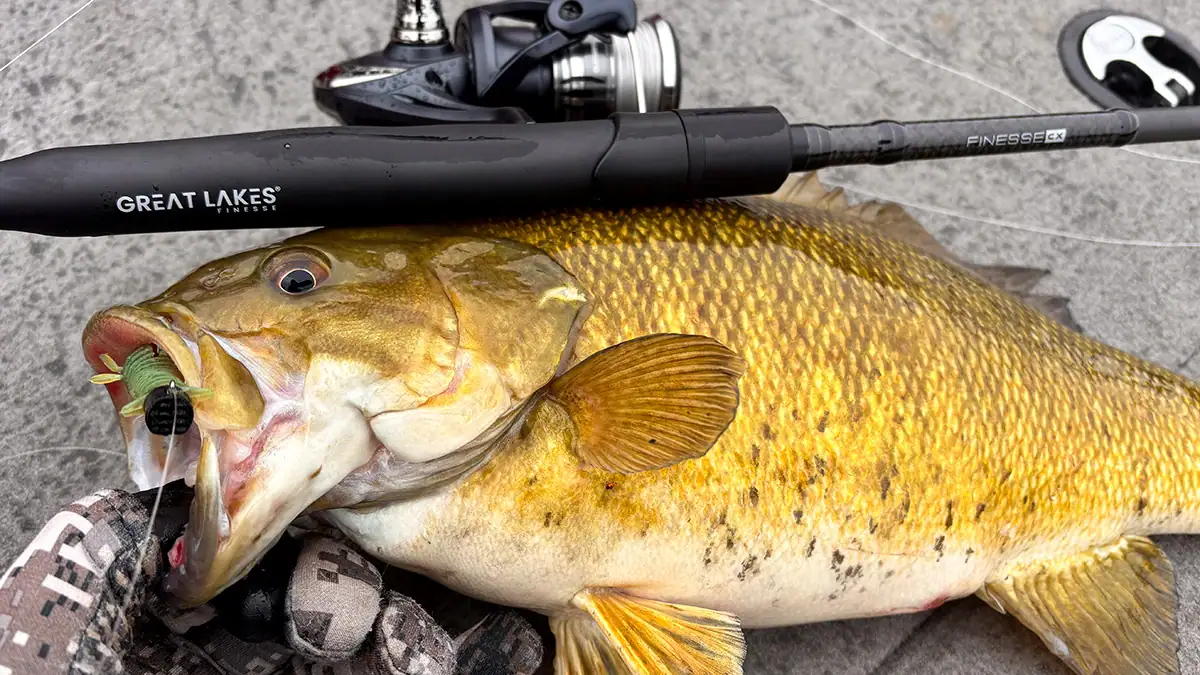
This is hands-down the biggest mistake I see every single early spring. After months of not casting, it’s natural to pick up a bait and start covering water quickly. But ice-out bass are still in a winter mindset. Their metabolism is slow, their strike zone is small, and they’re not going to chase down a bait moving like it’s mid-July.
When water temps are hovering in the upper 30s to low 40s, bass are conserving energy. They’ll eat — but only if the meal is easy. The key to fixing this is to slow everything down. Think of your presentation like you’re trying to annoy the fish into biting rather than triggering a reaction. This is the time for:
- Dragging a hair jig or small swimbait painfully slow along the bottom
- Blade baits yo-yoed subtly
- Suspending jerkbaits with extended dead time
If you think you’re fishing slow enough, slow down even more. I cannot stress this enough. I’ve had days where a 10-second pause on a jerkbait was the difference between no bites and a solid bag.
A good rule of thumb is to keep your bait in the strike zone for as long as possible. Ice-out bass won’t move far, but they will eat if you put it right in front of them long enough.
Ignoring Differences in Water Temperature
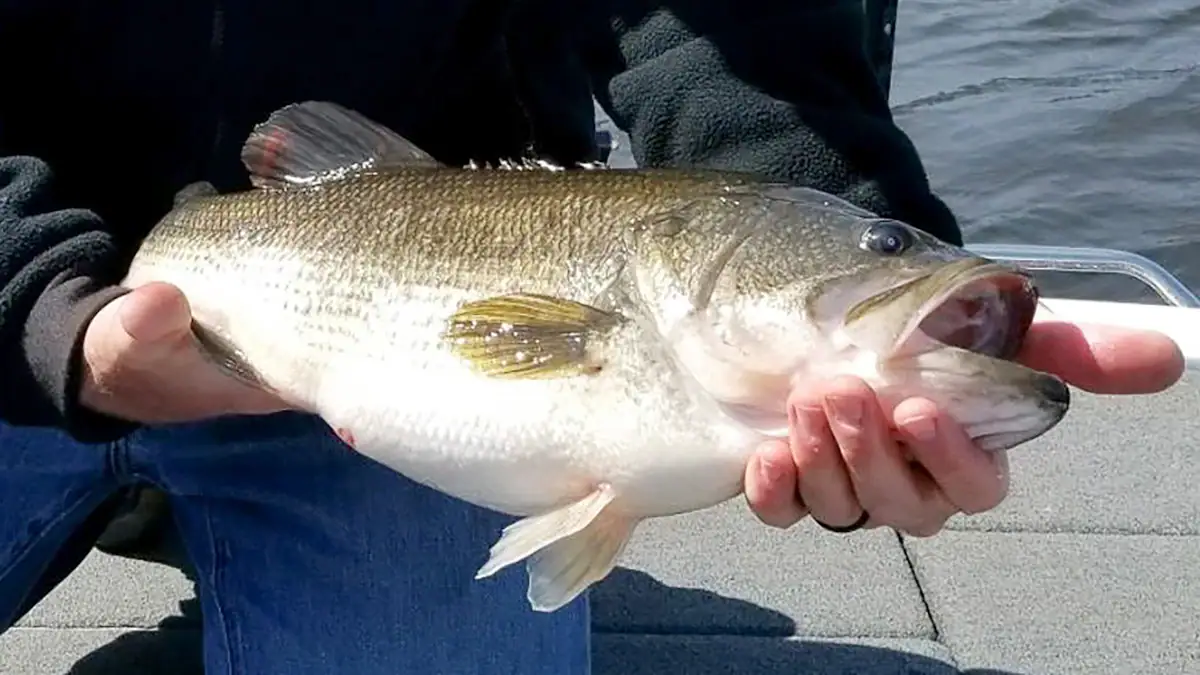
Not all water is equal during ice-out. One of the biggest misconceptions is that the entire lake warms uniformly. In reality, small temperature changes — even just two to three degrees — can make a massive difference in where bass position themselves.
A lot of anglers launch their boats and start fishing the same areas where they caught fish in the fall or late summer. That’s a mistake. Ice-out is all about finding the warmest, most stable water available. Do some exploring to seek out the warmest water you can find, even if it’s just by a degree.
Focus your efforts on areas that warm up first, such as:
- North-facing banks that get the most sunlight
- Dark-bottom areas (like mud or rock) that absorb heat
- Protected coves out of the wind
- Shallow flats adjacent to deeper water
Even runoff from a small ditch or creek can bring in slightly warmer water to draw in bait and fish. Bring a temperature gauge if you’re a shore fisherman, or pay attention to your electronics when on a boat. If you find water that’s even one degree warmer, slow down and fish it thoroughly. There’s a good chance some bass are grouped there.
Also, don’t overlook the impact of wind. A light wind blowing into a bank can push warmer surface water and baitfish into an area, making it more productive.
Fishing Where You Want Fish to Be
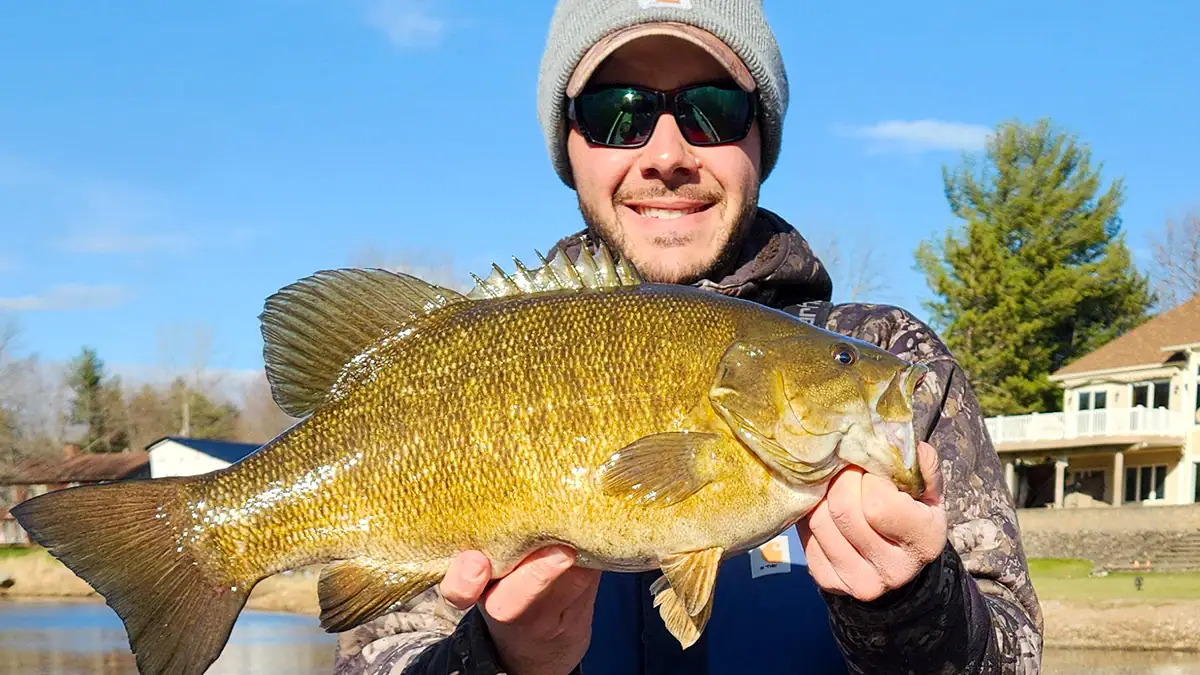
This one is more mental than technical. Every angler has confidence spots on certain bodies of water, like points, weed edges, or docks that have produced in the past. But during ice-out, bass aren’t necessarily set up in those classic patterns yet.
Bass during this time of year are in transition: They’re where they want to be, not where you want to find them. A lot of anglers jump straight to shallow spawning areas too early, expecting prespawn behavior. The reality is, most bass are still holding close to their wintering areas, especially if temperatures haven’t stabilized. If that water temp is in the mid- to upper-30s, most likely they will not be in their normal prespawn areas. This may differ around the county; here in the north country and the midwest, however, water temperature determines everything.
The key is to look for transitional zones. Instead of going all-in shallow, focus on areas that connect deep wintering water to eventual spawning flats. These include:
- First breaks outside shallow bays
- Channel swings near flats
- Staging points
- Subtle depth changes (even a two- to three-foot difference matters)
Bass often stack in these transition zones before making the move shallow. If you find one, there are usually more nearby. Electronics can be a huge help here, especially for identifying subtle structures these fish in transition will key on. And don’t be afraid to fish deeper than you think. A lot of early-season fish are still hanging in that 15- to 20-foot range, especially on natural lakes and reservoirs in areas where there’s extreme cold temperatures.
Patience Pays Off During Ice-Out
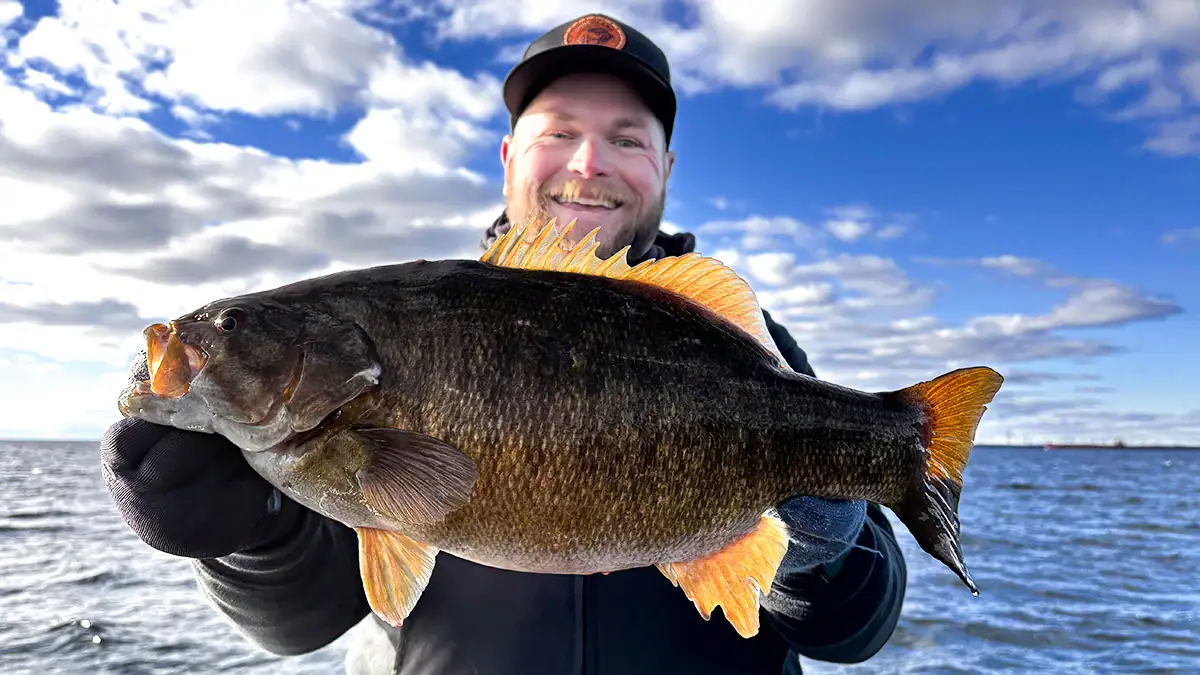
Ice-out bassin’ isn’t about covering water or burning down the bank. It’s a thinking man’s game. The anglers who do best this time of year are the ones who stay disciplined, fish slow, and let the conditions dictate their approach. Anglers during this time period have to be adaptable and let the fish make their next move.
To recap:
- Slow down your presentation way more than feels natural
- Hunt for warmer water — even slight differences matter
- Fish transition areas, not just obvious shallow spots
If you can avoid these three mistakes, you’ll already be ahead of most anglers on the water. The best part is that bass during this period often group up. When you figure them out, you can have one of those days that reminds you exactly why you’ve been waiting all winter to get back out there. Cold hands, numb fingers, and a slow bite — but when it all comes together, there’s nothing better.