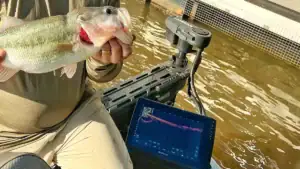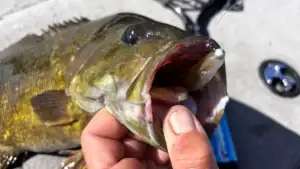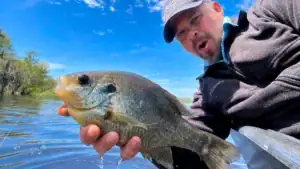
The pre-spawn season starts in late winter and ushers in spring, and it’s my personal favorite time of year to fish. It’s when bass are big, aggressive, and often shallow. That’s a great combination for a power-fishing fanatic like me. But for all of us, from north to south and east to west, who like to chase bass, the pre-spawn is a phenomenal time of year to fish.
Whether you’re plucking smallmouth off boulders on the Great Lakes, feeling the thump of a big spot hitting a jig in Alabama, or punching through a mat of grass down in Florida while tying into the fight of your life, the pre-spawn is a whole lot of fun. In this second part of our four-part series about fishing the spawn, let’s talk about what the pre-spawn is — and how to catch bass during this phase.
What is the Pre-Spawn?
The pre-spawn refers to the window of time prior to bass spawning. This season can really be broken into two segments: the early pre-spawn and the immediate pre-spawn. The early pre-spawn is when bass first start leaving their winter patterns and begin moving toward creeks, bays, sloughs, and other protected areas. Along the way, these bass will position around mid-range cover and structure to feed up for the spawn.
Then the immediate pre-spawn is when bass really push toward spawning grounds, spending the last few days aggressively feeding relatively shallow close to where they will soon make their beds. It’s “relatively shallow” because a largemouth may be in two feet of water in a muddy creek during the immediate pre-spawn and a smallmouth up north may be 20-feet deep by a boulder. So these depths are relative to where each of these bass will spawn, since the smallmouth often spawn far deeper than the largemouth in these two scenarios.
What Bass Are Doing
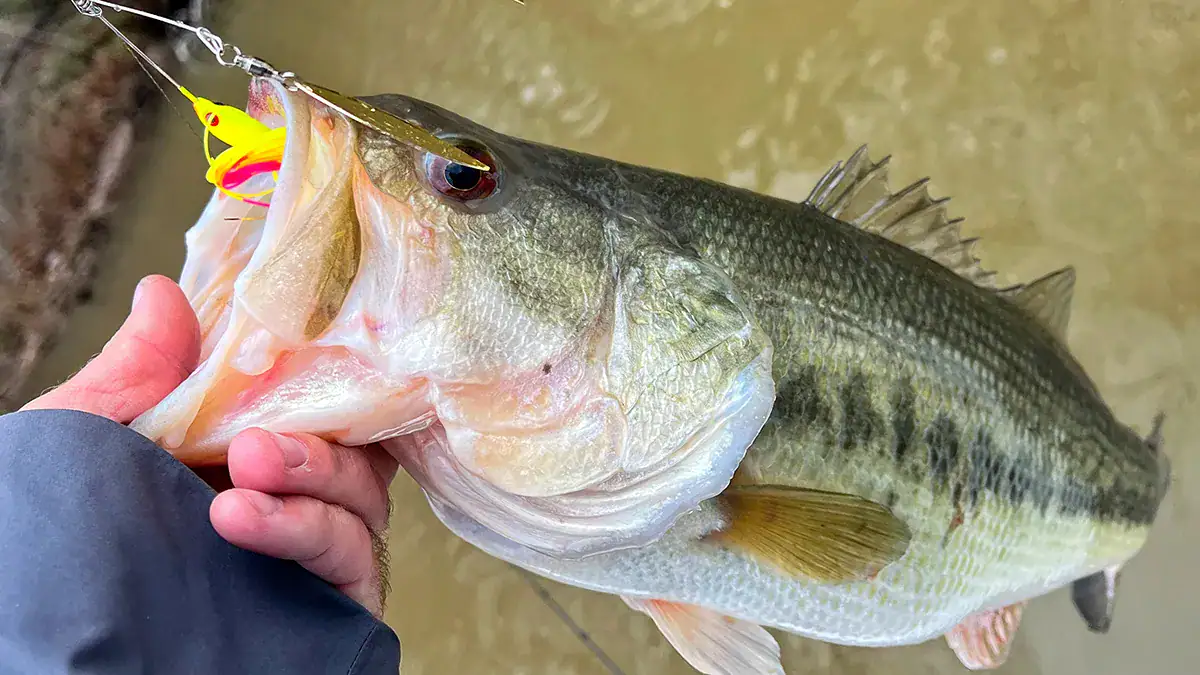
The pre-spawn season is really about bass packing on the weight to store up as much energy as possible. Once bass actively start fanning and defending their beds, they become hyper-focused on spawning and are reluctant to eat anything.
It’s a little different for smallmouth, which remain pretty aggressive on the bed. Still, in the early and immediate pre-spawn, you can expect bass to be feeding heavily. They’ll use the terrain and any cover around them to aid in this process, hunkering down near ambush points. They’ll also work in teams, or wolfpacks, corralling bait as a unit. Whatever must be done to feed must be done.
Where to Look
Look for balls of baitfish around the mouths of creeks and bays, and you will likely find some early suspended pre-spawn bass chasing bait. Move closer to the bank or edge of channel swings and look for structure and cover like dropoffs, rock veins, points, humps, stumps, timber, and brush. Bass use these areas to stage and feed for the spawn, attacking both crawfish along the bottom and any baitfish swimming by these ambush points.
In the immediate pre-spawn window, bass will move even shallower, close to where they’ll soon spawn. Look for bass to stage around isolated cover like dock posts, stumps, boulders, and reed clumps, while they’ll also bury up to feed in nearby grass mats and weed beds. Submerged vegetation near spawning areas is a big deal in the pre-spawn, since this cover provides the perfect blind for bass to hunt from. And, this vegetation can be found at a consistent depth all over some fisheries, making the bass easier to pattern.
What to Fish With
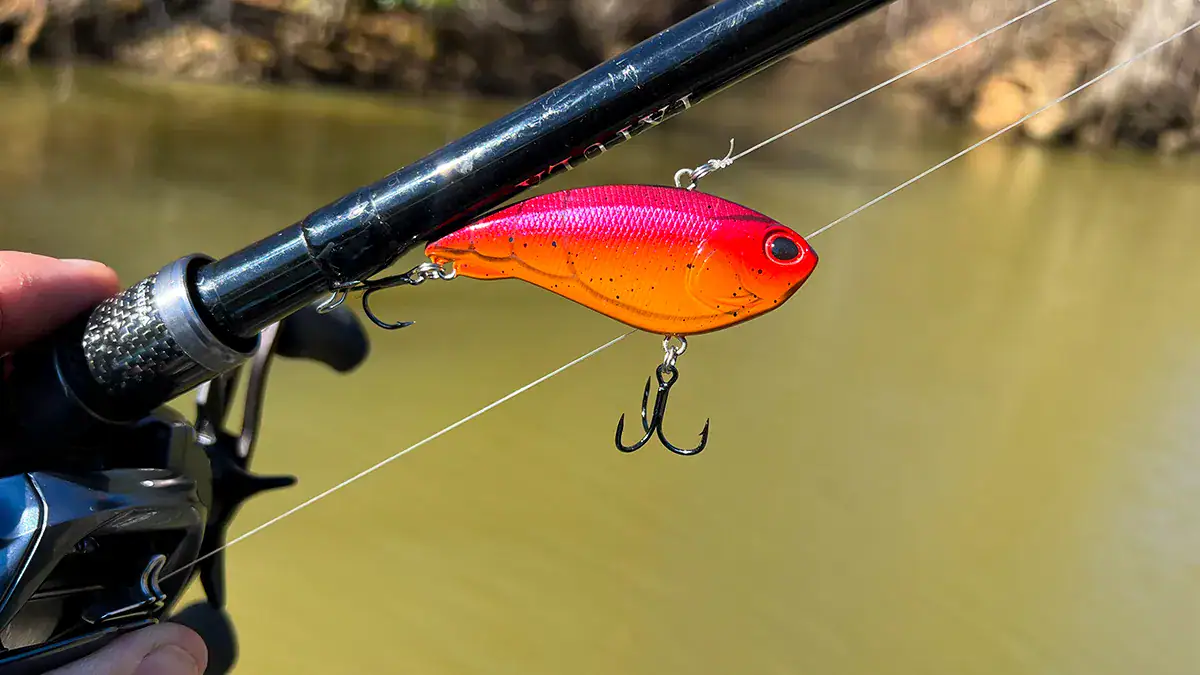
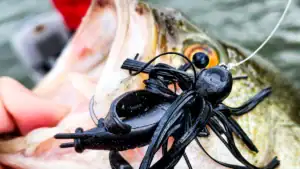
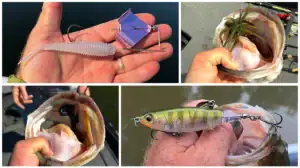
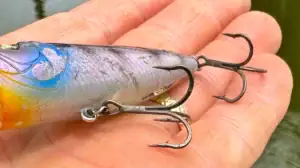
In the early pre-spawn when bass are either deeper or suspended, you have a lot of bait options. For suspended fish, jerkbaits, umbrella rigs, jighead minnows, and underspins are great. Along the bottom, try football jigs, shaky heads, finesse jigs, and Ned rigs. When the immediate pre-spawn kicks in and bass move shallower, they’ll relate more to cover near where they plan to spawn. During this part of the pre-spawn, look to ChatterBaits, spinnerbaits, swim jigs, squarebills, medium diving cranks, and lipless cranks to be big producers.
The lipless cranks and ChatterBaits work exceptionally well around submerged vegetation. Ripping these baits from the grass and then pausing or twitching them a little is a tried-and-true way to trigger strikes from pre-spawn bass. When pushing shallower, the squarebills and spinnerbaits are great for shallow woody cover, like stumps and laydowns. These baits are surprisingly weedless if you keep them coming along on a steady retrieve through the cover. But just when you clear the cover, try pausing or pumping them for a split second. This sudden irregularity in the action mimics an injured baitfish and can again be the key to getting bites.
Hair jigs, jerkbaits, tubes, and Ned rigs are key fish-catchers for smallmouth during the pre-spawn. And there’s no better bait around than a shaky head for targeting big pre-spawn spotted bass, though the Ned rig can produce a lot of spotted bass catches, too. You can even get lucky sometimes and catch bass on a topwater in the immediate pre-spawn. If the area is experiencing a multiple-day warming trend, try tying on a buzzbait and skimming the shallows. The water can still be in the mid-50s, but if the lake has experienced an eight or nine-degree upswing in water temp, the bass will often bite a topwater.
Final Thoughts
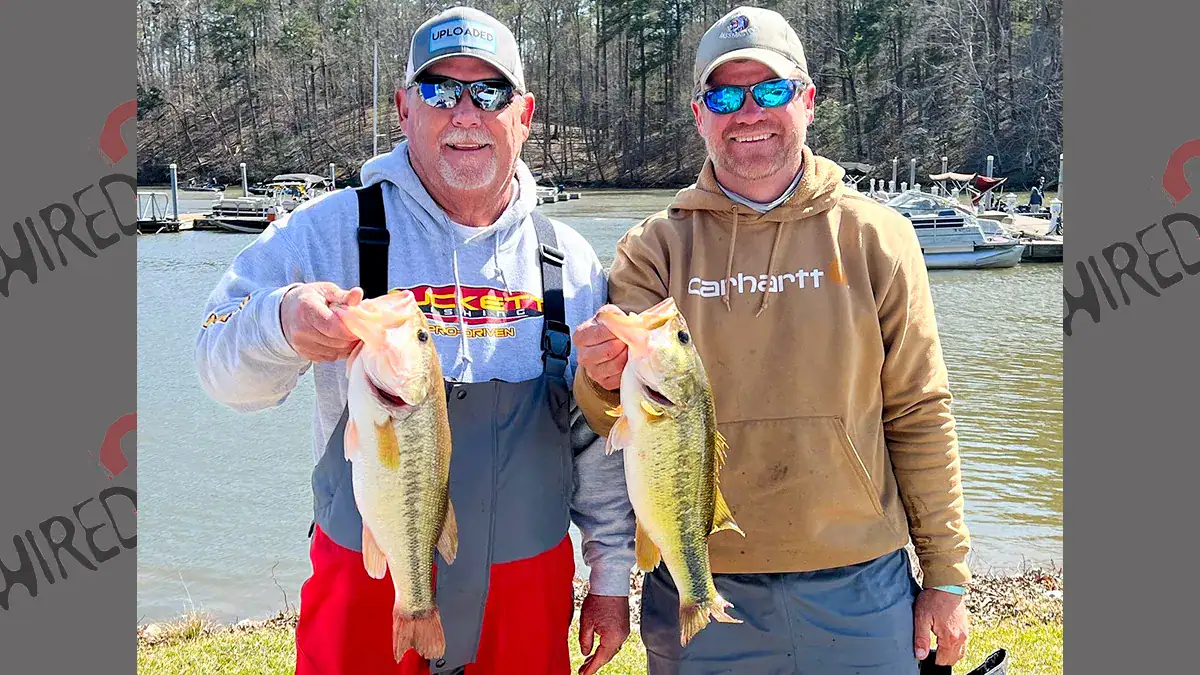
In my opinion, there’s not a better time to fish than the pre-spawn. This is when you can catch the biggest bass you’ll land all year, as they have fed heavily and are full of eggs.
Once these bass reach the beds, lay their eggs, and expend a lot of energy doing so, you can expect them to lose a considerable amount of weight. So, if you want to catch a big one, get out there on the water and insert your lure into the food chain. It’s a whole lot of fun!