Times are tough for a lot of folks. In the words of Hank Jr., the interest is up, the stock market’s down, and you only get mugged if you go downtown. But it sure feels like a mugging every time we go to a gas station, grocery store, or doctor’s office.
With all the financial priorities we have in life, it’s easy to think that our hobbies are no longer affordable. But, as my dad always told my mom, fishing is cheaper than therapy. Or it can be if you do it right, at least. And to help you do just that, here are some ways you can fish on a budget.
Build a Budget
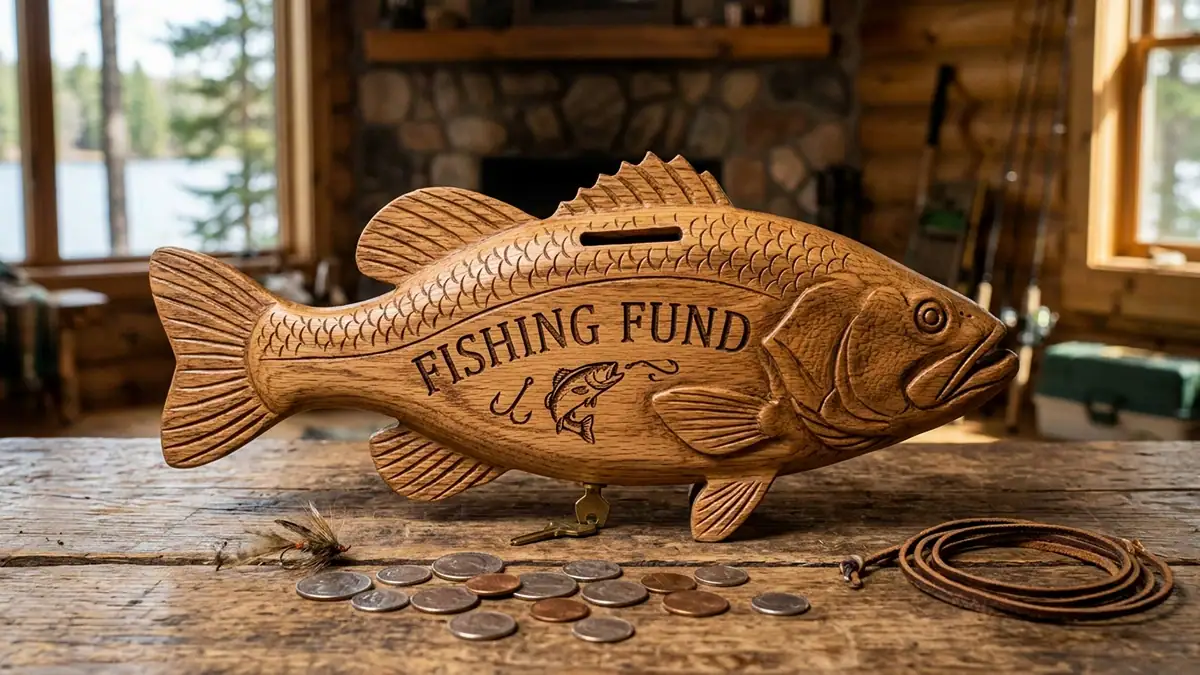
Don’t let me lose you right off the top with this one. But it is hard to bass on a budget if you don’t actually build that budget. I know from experience.
I was really bad with money up until a few years ago. That’s when I met my wife, and then financial guru Dave Ramsey shortly after. When I met my wife, she had no debt, two degrees, and money in the bank; I did not. I dove in with Ramsey and learned he’s great at stating the obvious. Like, for example, if you don’t have the money to buy something, you can’t afford it. But that’s not what culture teaches and you don’t know what you don’t know, so all of this was revelatory. At 36 years old, I built my first budget. And I’ve lived on one ever since.
A budget has been the single most impactful tool for straightening out my finances. Plus, it can help you afford to go fishing even when you think you can’t. That’s the good part about a budget: It doesn’t tell you that you can’t spend money, it tells you when you can. If you have the funds on hand and make a plan at the beginning of the month to spend $100, $500, or whatever amount on fishing, then you can. It eliminates the guilty feeling I used to get anytime I spent money on something. Now, I know I have money to spend on it.
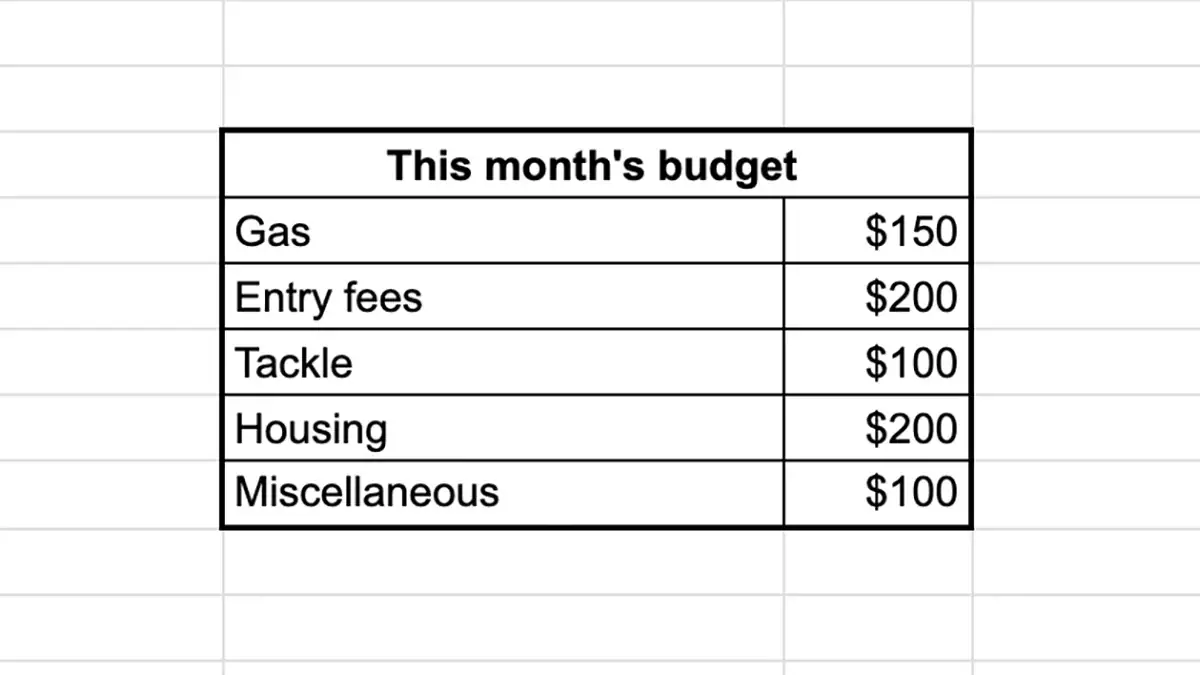
In practice, it looks like mapping out any expenses related to fishing that you expect in the coming month: gas, tackle, entry fees, etc. Take whatever your allocated amount is — say $200, for example — and start breaking that up over the different line items. If you get halfway into the month and realize you’re running out of gas money, you can pull some from the tackle fund. But if you do, know that the money you could have spent on bait is gone until next month.
Getting used to making a budget can be a bit cumbersome at first. Don’t worry about making each category perfect; you can learn and adjust accordingly each month. The main point is making a plan for how you’ll spend your money. Then, stick to the bottom line so you don’t overspend on fishing for the month.
Take it from me: If you’re married, this will greatly decrease any tensions between your spouse and your sport. But no matter your marital status, a budget will alleviate a lot of tension in your own head and heart.
Don’t Dive in Too Fast
One common mistake is anglers diving in too quickly and spending money they don’t have on things they don’t need. Sometimes it’s to impress people they don’t even like; sometimes it’s just pure excitement sending them over the spending edge. Either way, you can get over your head in a hurry when you jump into fishing too fast.
Instead, take a beat. You don’t have to have all the latest and greatest gear to catch a fish. I see guys buy stuff from rods to graphs they don’t even know how to use, and ending up with a $5,000 glorified depth-finder. Pace yourself to avoid a lot of buyer’s remorse. (However, if you’re reading this after purchasing marine electronics you’re not sure how to use, check out our guide to improving their efficiency and start getting your money’s worth from those gadgets now!)
Shop for Gear on a Budget
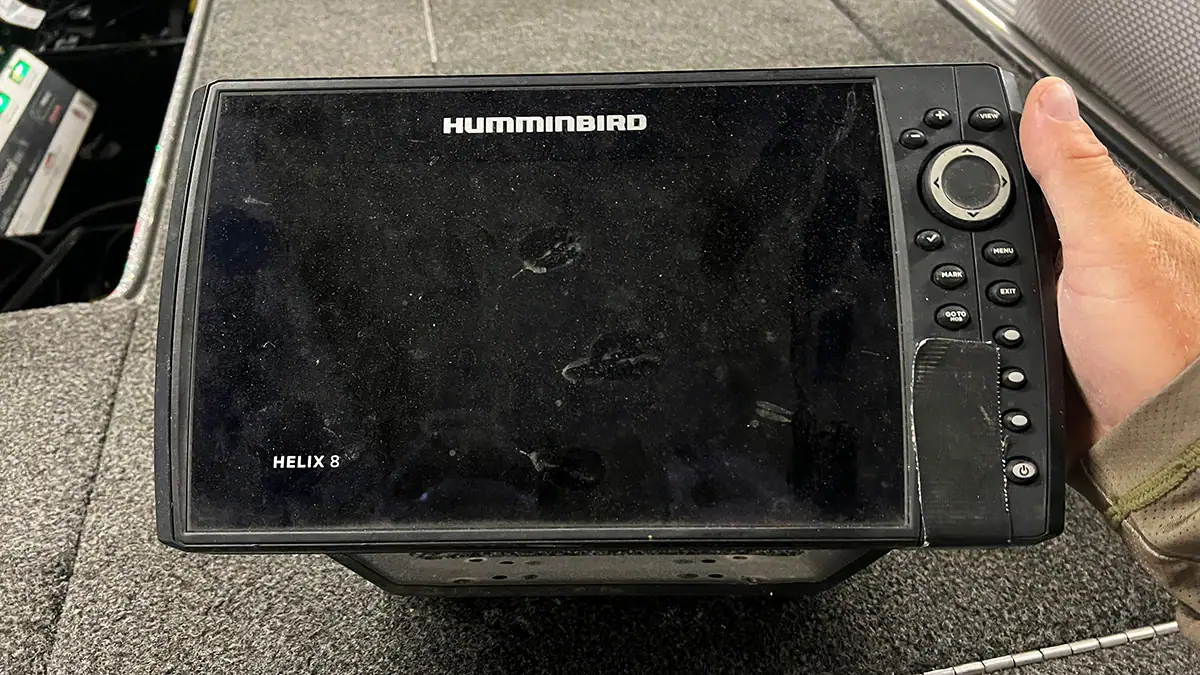
When you do decide to buy gear, there are several ways to find good deals.
Secondhand online outlets like Facebook Marketplace and eBay can be great for finding gear at a fraction of the cost. Estate sales and yard sales are also good options, and thrift stores even have some tackle from time to time.
There are even “buy nothing” pages on Facebook in a lot of towns that you can join. There, people literally give away toasters, rugs, grills, and whatever else they want to find a new home for. If you’re quick when someone puts fishing gear on the digital curb, you could pick up a free new setup.
Clearance and Prior Models
A lot of great gear is often discontinued simply because people never found out about it. That means you can find some great deals in the clearance sections of big box stores and online retailers.
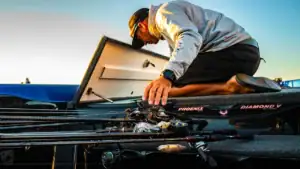
In the fast-paced world of evolving marine electronics, it doesn’t take long for today’s cutting-edge innovation to become tomorrow’s old news. But in reality, the transducer for which you would’ve paid your last dime three months ago will still be a heckuva a fish-catching tool for a while, especially if you know how to maximize its potential and power. And when plenty of anglers pull those transducers off and swap them out for the even-newer version, the savvy buyer can snatch up a half-priced, secondhand FFS system with plenty of life left.
Buy Your Boat Off-Season
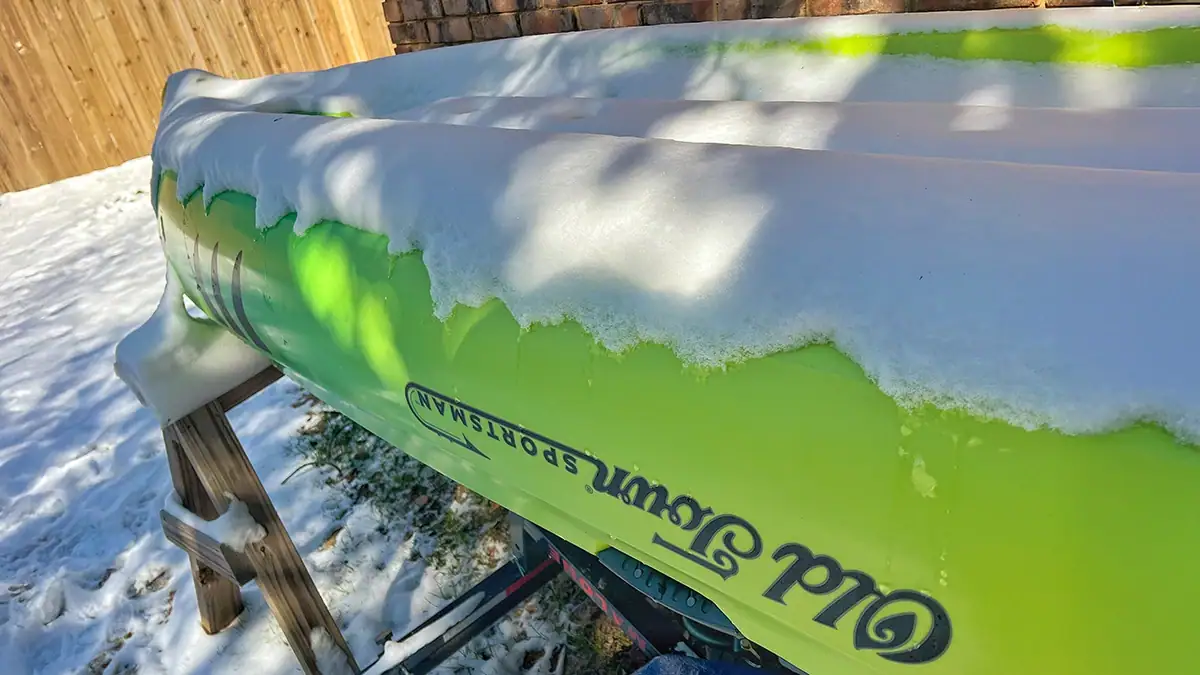
It’s an easy mistake to buy your boat at the wrong time of year, and it’s a costly one. When the weather begins to crawl its way out of winter, the grass turns green, and the birds start to sing, everyone wants to get on the water. This creates a seller’s market, where the demand for anything from a fiberglass bass boat to a kayak skyrockets. This drives the prices up drastically, and you can pay thousands more than you need to.
On the flip side, a lot of would-be anglers realize that the boat they bought in March only went on three outings by October. When they — along with many others — decide to cut those boats loose at a time of year their potential buyers are thinking about hunting and football, that’s the time to strike. You can find a fantastic deal on a watercraft in the fall, saving yourself hundreds on a kayak or even thousands on a bigger boat.
If you do have the funds to buy new, look for deals on previous-year model boats that sat on the dealership floor for months. Dealers will be eager to get those boats off the lot to make room for the newer models. When buying a boat — or anything for that matter — a motivated seller is a budget-conscious buyer’s best friend.
Final Thoughts
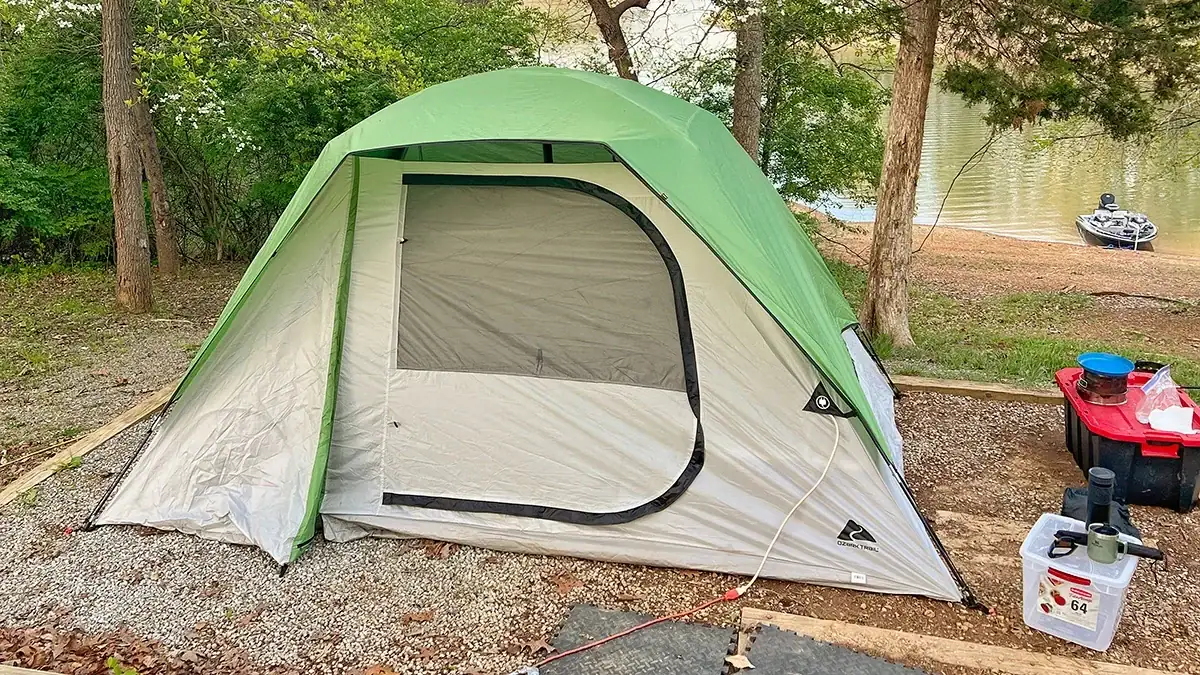
There are lots of ways to save money and still get to go fishing. You can shop for secondhand gear, be strategic about the timing of boat purchases, keep a level head to prevent emotional spending, and even do things we didn’t dive into today, like camp instead of staying in a hotel room if you want to go on a week-long fishing trip.
It really comes down to two things: You need to set a budget, and then you need to stretch your dollar as far as you can to stay within that budget. If you do these two things, you’ll find that it’s far more realistic than you thought to fish on a budget, even in this economy.