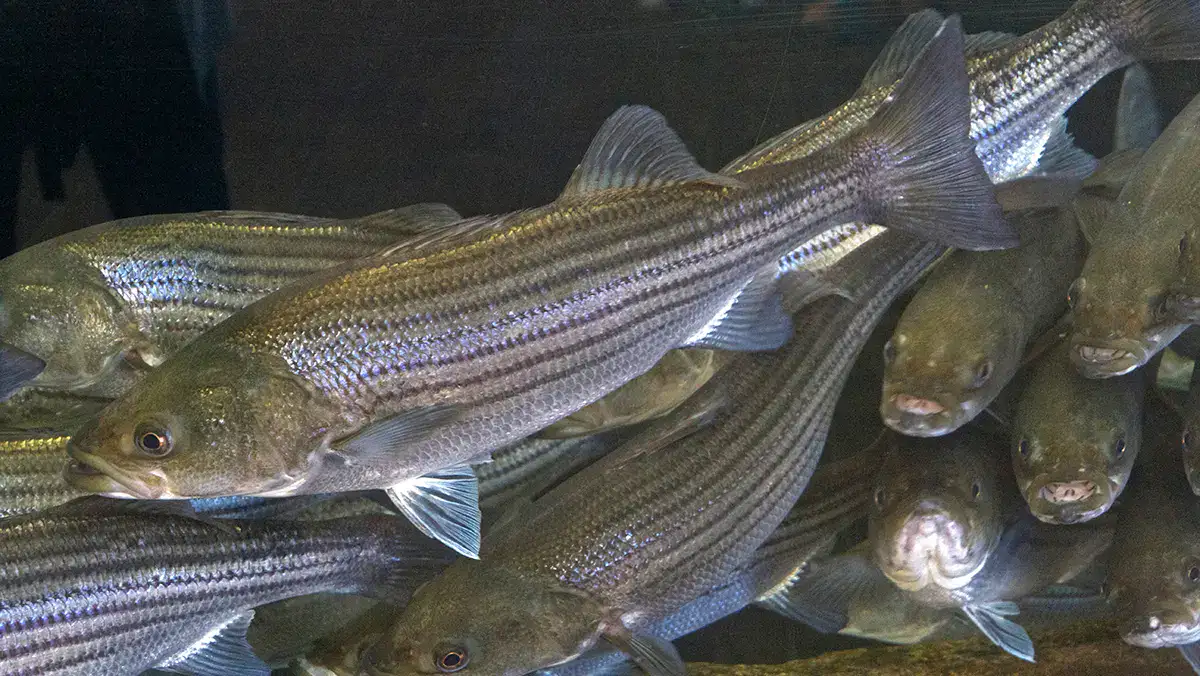
For generations, the Hudson River has symbolized both the natural beauty and industrial history of New York. Long associated with heavy pollution and contamination, especially from polychlorinated biphenyls (PCBs), the river has spent decades under strict fish consumption advisories. In 2026, however, New York State health officials announced a major turning point: For the first time in 50 years, some fish from the Lower Hudson River are now considered safe for limited human consumption.
This development is the result of years of cleanup efforts, improved monitoring, and stricter environmental protections. Yet the announcement has also sparked debate among New Yorkers about trust, safety, and the future of urban fishing culture.
A Historic Change in Fish Advisories

In April 2026, the New York State Department of Health updated its fish consumption guidance for waterways across the state. The most notable change involved the Lower Hudson River, stretching from the Rip Van Winkle Bridge in Catskill to the Battery in New York City.
Health officials stated that declining PCB levels in several fish species now allow limited consumption of certain catches, including striped bass. According to the updated advisory, sensitive populations — including pregnant people and children under 15 — may eat one 8-ounce meal per month of approved species. The general population may consume up to four meals per month. Carp and smallmouth bass remain unsafe to eat due to elevated PCB contamination.
The Department also emphasized that proper preparation techniques can significantly reduce exposure to contaminants. Removing skin and fatty tissue and cooking fish so fat drips away may cut PCB exposure roughly in half.
The announcement represented a major shift from decades of warnings that effectively discouraged eating any fish from much of the Hudson system. Officials credited long-term environmental remediation efforts and improved scientific monitoring for the progress. The updated guidelines also incorporated newer standards for PFOS, part of the broader family of PFAS “forever chemicals,” which are increasingly monitored in waterways across the United States.
Public Skepticism Remains

Despite the scientific reassessment, many New Yorkers remain cautious about eating fish from the river. Reactions ranged from curiosity to outright disgust after the advisory was announced.
A report from News 12 Hudson Valley highlighted that health officials continue to stress moderation and careful preparation. The report reiterated that PCB contamination still exists, though at reduced levels, and that anglers should closely follow consumption limits.
Meanwhile, interviews conducted by the New York Post captured widespread skepticism among residents. Some described the idea of eating Hudson River fish as “off-putting,” while others questioned why anyone would consume fish from waters long associated with industrial pollution. Yet a smaller group viewed the changes as evidence that the river has genuinely improved over time.
The mixed reactions reflect the Hudson’s complicated reputation. For decades, the river was heavily contaminated by industrial dumping, particularly PCB discharges from manufacturing facilities. Cleanup projects led by state and federal agencies have gradually reduced pollution levels, but public memory of the river’s condition remains powerful.
The Angler Making Hudson River Sushi
Perhaps the most striking symbol of changing attitudes toward the river is the story of Gilberto Diaz Jr., a Queens fisherman who has spent years making sushi and sashimi from striped bass caught in the Hudson River.
In a 2026 feature published by the New York Post, Diaz described how he began experimenting with Hudson River sushi in 2014. Inspired by the fact that striped bass and other species are commonly used in sashimi preparation, he started preparing raw fish dishes from his catches around Manhattan.
Diaz carefully details his process: immediately dispatching the fish, filleting it along the spine, removing the skin, and slicing the meat into thin sushi portions. He seasons the fish with lemon and soy sauce, insisting that most diners would not recognize the difference between Hudson-caught sashimi and restaurant-quality fish.
For Diaz, the changing ecosystem itself signaled improvement. He pointed to increasing sightings of dolphins and whales near New York Harbor as evidence that water quality has improved dramatically over the past two decades. He also noted that when he fished the Hudson as a child with his father, they would never eat what they caught because the river was considered too polluted.
His story illustrates how environmental recovery can reshape cultural perceptions of urban waterways. What was once viewed solely as a polluted industrial river is increasingly being reconsidered as a living ecosystem capable of supporting recreation, wildlife, and even limited food harvesting.
Environmental Progress With Continued Caution

The updated fish advisories do not mean the Hudson River is entirely free of contamination. State officials continue to warn that chemicals such as PCBs and PFOS remain present in some fish species and may pose health risks if consumed excessively.
The advisory system is designed as a risk-management tool rather than a declaration that all fish are safe for consumption. Vulnerable populations remain subject to stricter limits because contaminants can affect childhood development and pregnancy outcomes. Officials also continue to discourage eating certain species entirely.
Fifty years ago, the idea that families could safely eat striped bass from the Lower Hudson River would have seemed unlikely. Today, while caution remains essential, the river’s gradual recovery demonstrates the long-term impact of environmental regulation, cleanup efforts, and scientific monitoring.