“Hunters And Anglers, The World’s Best Conservationists” read the bumper sticker on the state-provided truck that allowed me to perform my duties as a fisheries technician. After a couple decades of working in fisheries and wildlife management, and later, the broader outdoors industry, I can say that fact remains true. No one does more to care for the world around them than those who actively participate in it.
I would venture to guess that if you asked 100 people if they cared about clean water, 99 would say yes. But that number is significantly lower when it comes to folks who’d willingly dedicate some free time to ensuring that clean water exists.
Fishing — and Acting — Locally
Ultimately, how much you care about something is proportional to how much it directly affects you. When I was working toward my degree in wildlife management, my advisor Doc Losito introduced me to the concept of “vested interest.” Cambridge Dictionary defines this as “a strong personal interest in something because you could get an advantage from it.”
Well, those who recreate in the outdoors certainly stand to benefit from clean water and a healthy environment. Who wants to fish in a polluted mud puddle?
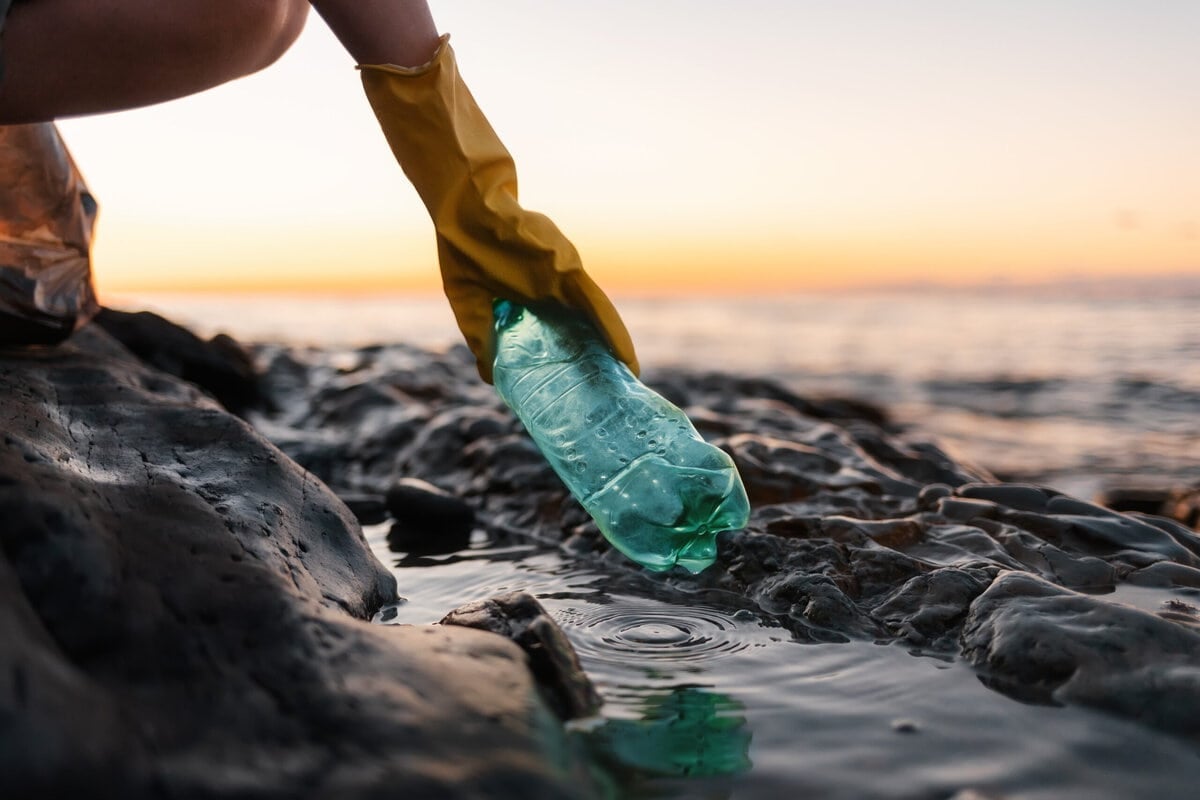
Show up to any stream or beach cleanup and you’ll probably see that play out. While there will be some folks from the community who just want to help, the majority present will probably be anglers. Around here, local fishing clubs organize most cleanups, dedicating their free time to actively caring for those places anglers hold dear. While it’s hard to pin down an exact figure, my Googling indicates that an estimated 1,000 to 3,000 stream and waterway cleanups happen annually.
The Impact of Anglers
Fishing groups often volunteer to plant vegetation, stabilize riverbanks, or restore wetlands. Organizations like Trout Unlimited are well known for involving anglers in stream restoration projects. This is another figure that’s tough to nail down on a national level, but my research has indicated that angling groups participate in about 1,000 habitat restoration projects a year, though I suspect that estimate is low — and doesn’t factor in projects to create fish-friendly structure in lakes. I’ve planted more willow cutting than I can count over the years. And now, I catch smallmouths as I walk along the no-longer-eroding bank.
Anglers are out on the water frequently, so they’re often the first to notice problems like oil spills, algal blooms, or invasive species such as zebra mussels. Reporting these quickly helps authorities respond faster. When I was a fisheries tech, most of the calls I received to report a waterbody issue came from a concerned angler.
And back in my fisheries days, we removed many dumpsters full of invasive Ludwigia peploides from a river by hand, with the aid of volunteers from the Peconic Sportsman club. Nowadays, anglers are also on the frontlines of invasive species defense, with programs to remove snakeheads, blue catfish in the Chesapeake, and even invasive exotics in Florida, among many others.
Anglers also contribute great sums of money to fisheries management. They may do so by donating to clubs or non-governmental organizations that actively contribute to managing watersheds. Again, I had a really hard time pinning down an exact number, but published data from Trout Unlimited shows that the organization spends approximately $65-75 million annually on conservation programs, based on recent financial reports showing total revenues of about $83 million, plus 80-87% of expenditures directed toward habitat restoration, fisheries protection, and related conservation work.
Today’s Efforts Protect Fishing’s Future
But even if they don’t donate directly, anglers are still contributing to fisheries management. Fishing licenses and taxes on fishing gear contribute directly to conservation programs. There’s an excise tax on fishing gear at the federal level, known as the Dingell-Johnson Sport Fish Restoration Act, that is distributed back to the states based on the number of anglers there (tabulated using license sales) to support habitat protection and wildlife management.
“Few anglers know that by simply participating in the activity they love, they are part of a massive system of conservation funding that is envied the world over. Through the excise tax on sportfishing equipment, fishing licenses and private donations, anglers generate a total of $1.7 billion annually to support and improve fisheries conservation,” Mike Leonard, Vice President of Government Affairs for the American Sportfishing Association tells Wired2fish. “Considering recreational fishing has a $230.5 billion annual economic impact, this is a smart investment in ensuring the health and sustainability of the fish we love to pursue.”
We here at Wired2fish believe that there’s no better stewards of the waterways and lands we love than the anglers who spend their time there. Our aim is to instill a love of fishing that compels folks to care for the world around them. Because, as we all know, there’s no better way to spend time than with a bent pole — and passing that love on to the next generation.
My son is now 8 years old and he’s come to love fishing, as it lets him interact with the environment in a meaningful manner. I want him to have places to enjoy when he’s my age, and older. I’ll do my best to ensure he does.