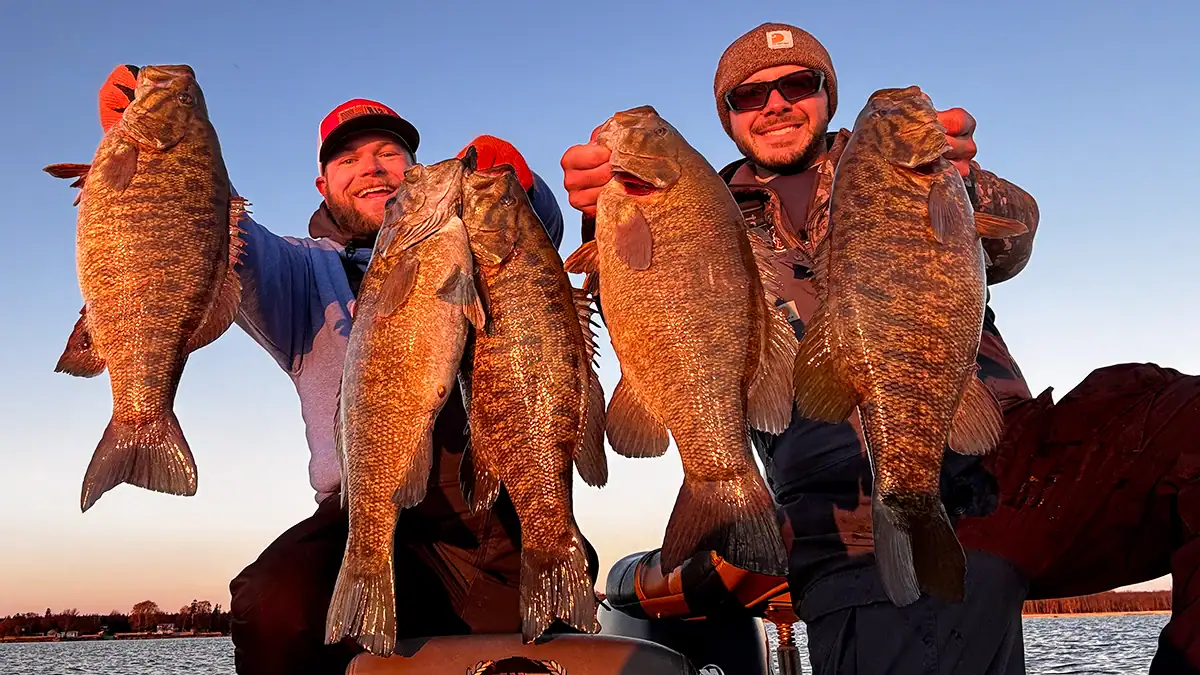
Ever since I was little, all I wanted to do was fish bass tournaments. Watching the Bassmasters every Saturday morning was a ritual in my grandparents’ house, when I was still too young to join my dad on his boat. The dream of walking upon that big stage to weigh in bass as an audience comprising hundreds of people watched grabbed hold of my little brain.
It wasn’t until I started fishing bigger collegiate tournaments for the SUNY Cobleskill Bass Fishing Team that I started asking myself “Is the tournament game all it’s cracked up to be? Is this even fun anymore?”
Bass fishing, at its core, is supposed to be an escape. It’s early weekend mornings, quiet water, and the simple anticipation of the next bite. For some, it’s something we only get to enjoy once every weekend between work and family time. But when you add a tournament to the equation, that peaceful experience quickly turns into something else: pressure.
In tournament fishing, every cast carries weight. You’re no longer just hoping to catch a bass; you’re calculating whether it will help your bag. A solid two-pounder isn’t exciting, it’s disappointing. A slow hour isn’t relaxing, it’s stressful. Instead of enjoying the sunrise, you’re staring at the clock, mentally subtracting minutes and wondering if you need to scrap your entire game plan.
Pressure can sharpen skills, but it can also steal joy. For many anglers, the stress of competition replaces the very peace that drew them to fishing in the first place.
Fishing Becomes a Calculation
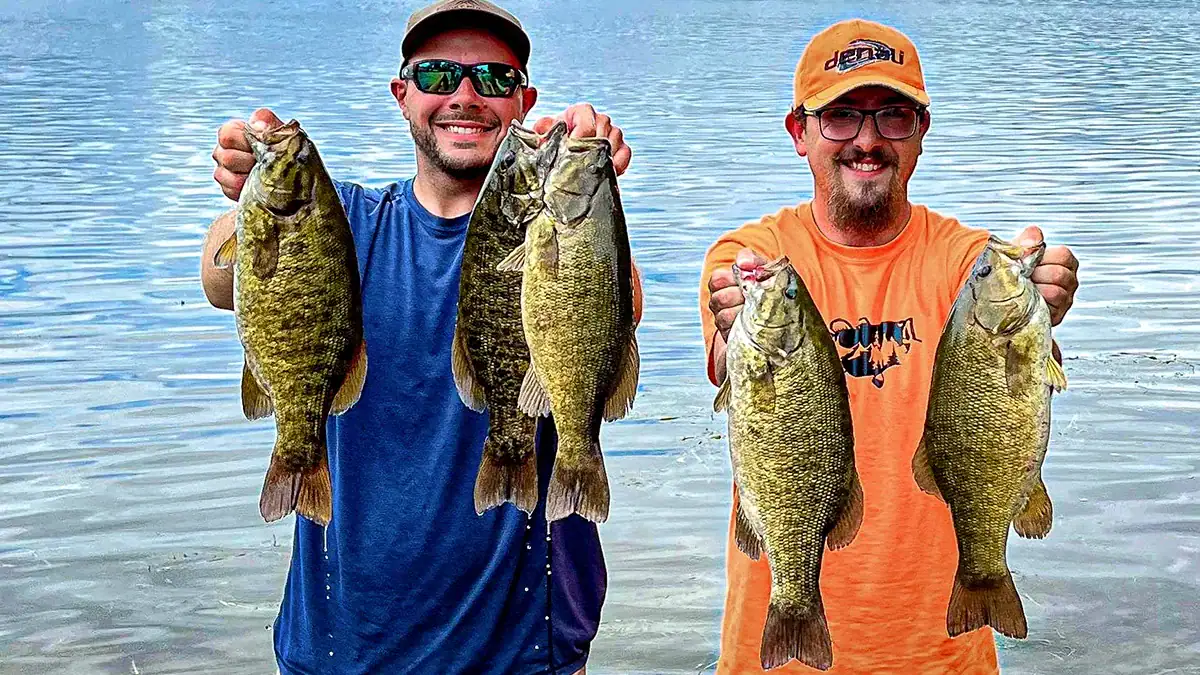
Fun fishing is creative. You throw a small swimbait because it feels right. You flip a dock just because it looks good. You experiment. You explore. You learn. And if you succeed, then you’ve just unlocked something new and are headed home with an ear-to-ear grin. That’s what fishing is all about.
Tournament fishing, on the other hand, often becomes a numbers game. Decisions revolve around percentages, history, and risk management. Instead of asking, “What would be fun to try?” you ask, “What gives me the best odds of a limit?”
That shift in mindset matters. Fishing stops being an art form and, instead, turns into a formula. Anglers lean on “safe” patterns instead of experimenting. They revisit community holes instead of checking new water. The priority becomes protecting a spot instead of enjoying the process. Over time, rigid strategy replaces the freedom that makes fishing so special.
The Atmosphere Changes at the Ramp
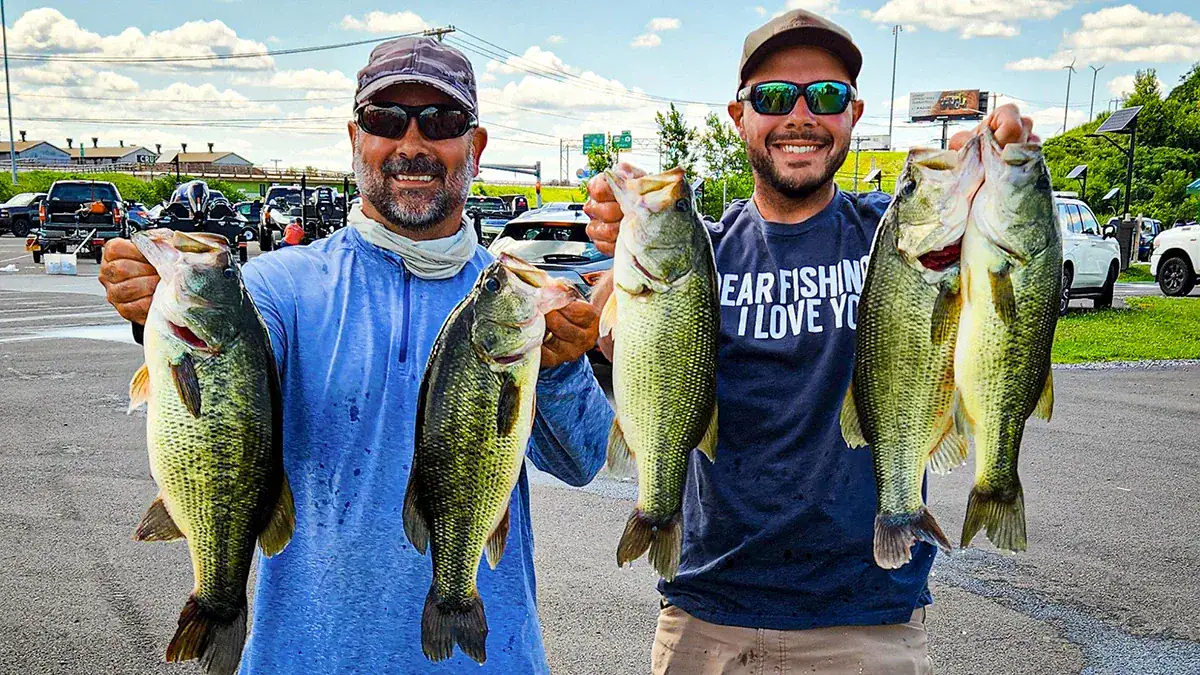
Spend time at a boat ramp on a casual Saturday and you’ll find friendly conversation. Anglers share general patterns, talk about what’s going on in the lake, and swap stories. There’s an unspoken understanding that everyone is just happy to be out there and can hopefully learn a thing or two before embarking on the day’s trip.
Tournament mornings feel different. Conversations become guarded. Practice reports are vague. Rod lockers close quickly. It’s competitive. And while competition isn’t inherently bad, it does change the energy. Instead of camaraderie, there’s tension. Instead of celebrating each other’s fish, everyone is measuring themselves against the field.
That competitive edge can chip away at the simple community fishing once offered.
Fish Become Numbers
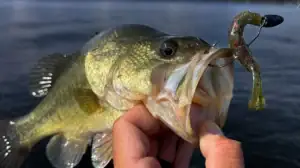
One of the most subtle but significant changes tournament fishing brings is how anglers view the fish themselves. When you’re fun fishing, every bass feels like a win. You admire its color, its size, its attitude. You take a quick photo, maybe appreciate the pattern, and send it back on its way.
In tournaments, bass often become upgrades. Assets. Ounces. You’re thinking about culling before the fish even hits the deck. The game of planning your next move and catch is neverending throughout the day. It’s not about the experience of the catch: It’s about whether it improves your position for the day to be on top of the leaderboard.
This shift can slowly disconnect anglers from the appreciation of the resource. The fish become a means to an end rather than the reason you’re out there.
Success is Redefined
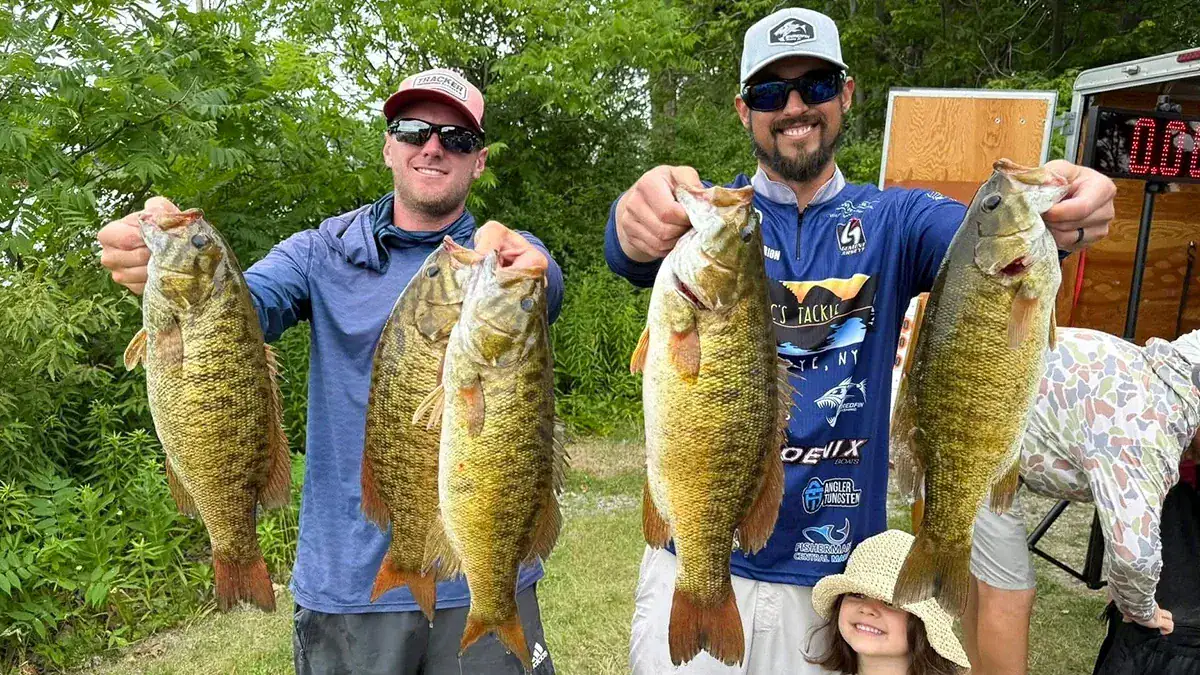
Outside of competition, success in fishing can mean many things. Learning a new technique. Figuring out a seasonal pattern. Watching a kid land their first catch. Even just enjoying a quiet day on the water. It’s all relative to the angler and the outcome is the same: coming home with a smile, wanting to do it again.
Success is much narrower on tournament day. It’s measured in placement, checks, or trophies. If you don’t cash, the day often feels like a failure — regardless of what you learned or experienced, and that’s a tough standard to live by. This was my biggest problem when I used to fish tournaments. Even today, my standards for going out fun fishing are relative to tournament bags and the mentality of “if you don’t catch at least 20 pounds for five bass then it’s not even worth it to fish.”
Fishing was once about growth and enjoyment. In the tournament world, it can become all or nothing. You either “did well” or you didn’t. The gray area — the part where most of the real learning and fun happens — gets overlooked.
The Social Media Effect
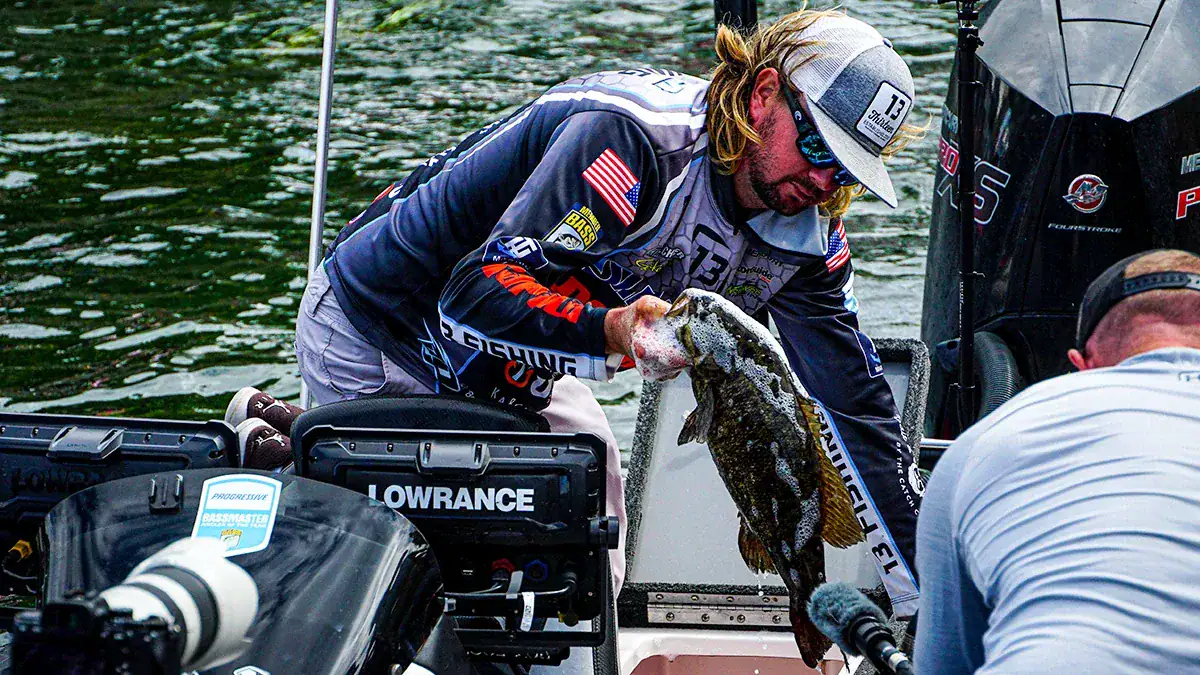
Modern tournament fishing doesn’t end at the weigh-in: It continues online. Photos, sponsor and prostaff tags, highlight reels, and leaderboard updates all extend the competitive atmosphere far beyond the water.
There’s nothing wrong with sharing accomplishments, but it adds another layer of pressure if you didn’t do particularly well. Anglers begin fishing not just to compete, but to post. Validation becomes part of the equation, and that’s not what fishing is about.
That dynamic can quietly drain the joy from the experience. Instead of being present, anglers think about optics. Instead of enjoying a bite, they think about how it will look online.
Fishing becomes a performance for internet validation, far from what fishing should be.
Burnout is Real
Many serious tournament anglers eventually feel it — burnout. What once felt exciting starts to feel exhausting. Every free weekend turns into practice, every lake becomes a proving ground, every trip carries expectations. Fishing shifts from stress relief to stress source. You worry about every little pattern, line strength, gas station stops for the truck and boat. It all weighs on you and stresses you out.
When your hobby starts feeling like a job, something has changed. The constant preparation, entry fees, travel costs, and mental strain can overshadow the simple pleasure of being on the water.
Without balance, the competitive grind can strip away the very reason you started fishing in the first place.
Imbalance, Not Competition, is the Enemy
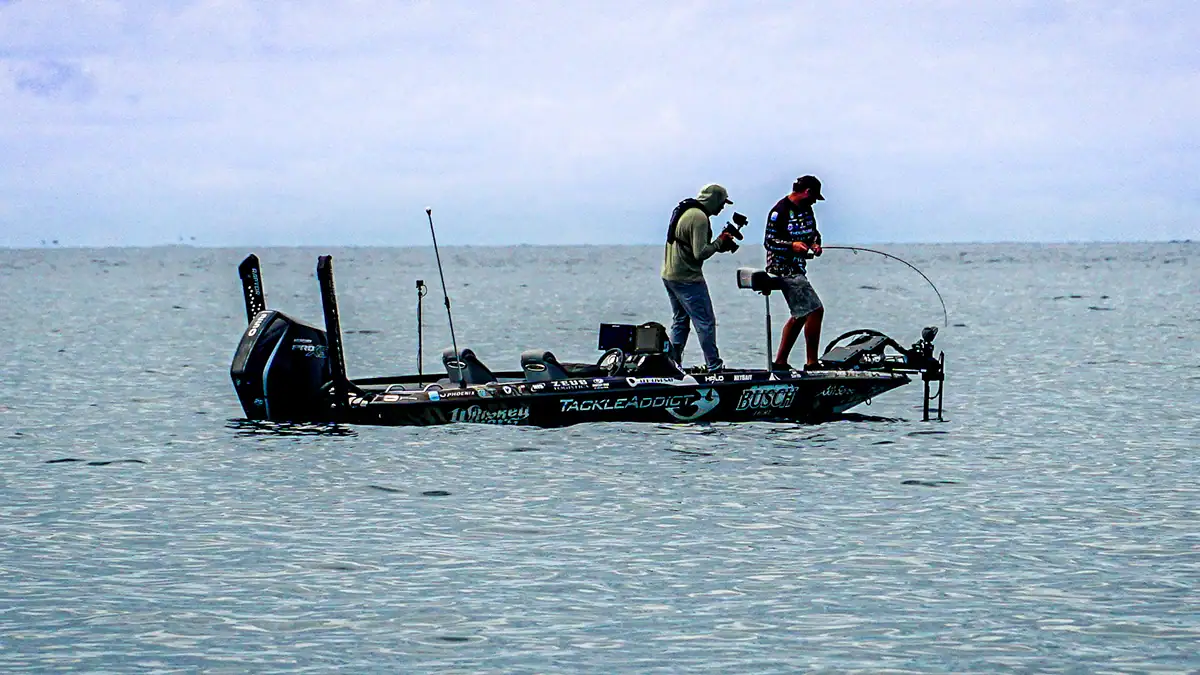
None of this means bass tournaments are inherently bad. Competition pushes anglers to improve. It builds discipline, strategy, and mental toughness. It has elevated bass fishing to a respected sport and strengthened conservation awareness. We are all there for one sole purpose: to better our game in the ever-changing world of bass fishing.
But when tournaments dominate your fishing life, fun often takes a backseat. The key issue isn’t competition itself, it’s losing sight of why you started. If every outing becomes about weight, placement, and validation, the magic fades. It changes the way you feel about fishing. Many guys I used to fish with no longer fish because tournaments had overtaken their lives.
Protect the Joy of Fishing
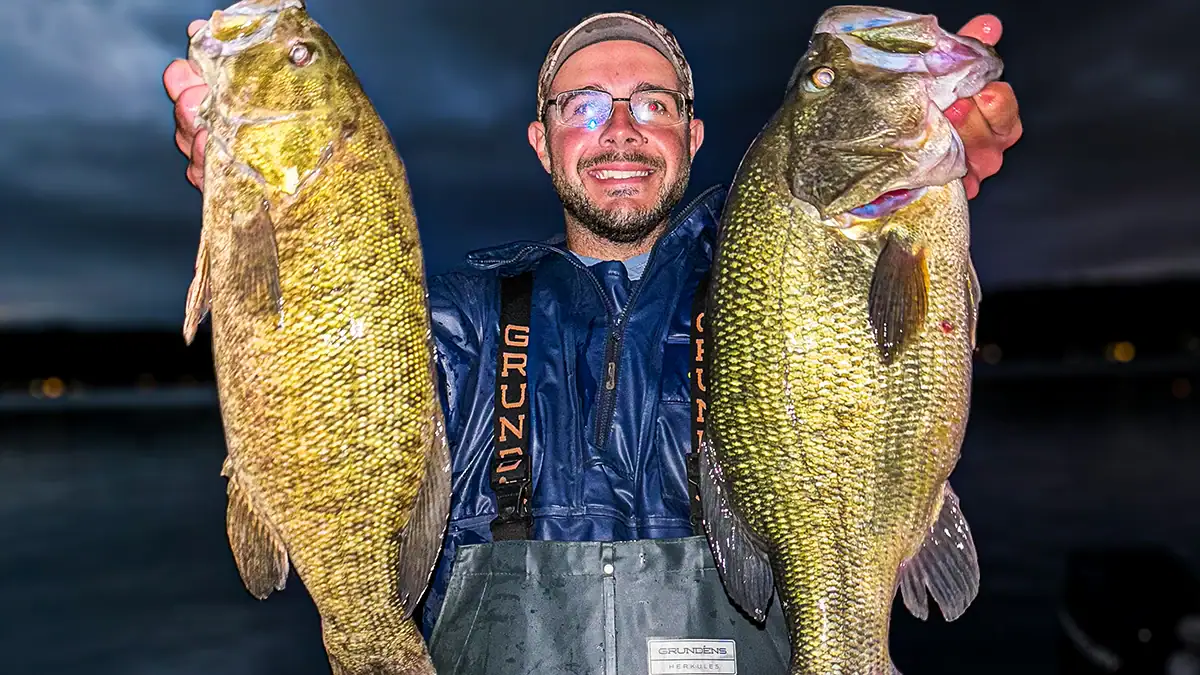
Bass fishing was never meant to be measured strictly in ounces. It was meant to be measured in moments: the thump of a jig in shallow grass, the explosion of a topwater at dawn, the satisfaction of figuring out a bite or a pattern.
To keep the fun alive, many anglers need to intentionally separate competition from recreation. Fish tournaments if you enjoy them. Test yourself. Compete. Improve.
But also protect days that belong only to you. Days with no entry fee, no livewell management, and no leaderboard. Days where you throw what you want, explore new water, and appreciate every bass, regardless of size.
Because when the pressure fades and the AOY points disappear, you’re left with what made you fall in love with bass fishing in the first place. And that’s something no trophy can replace.