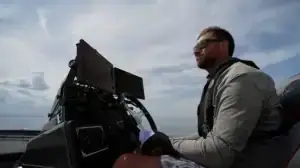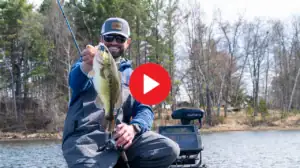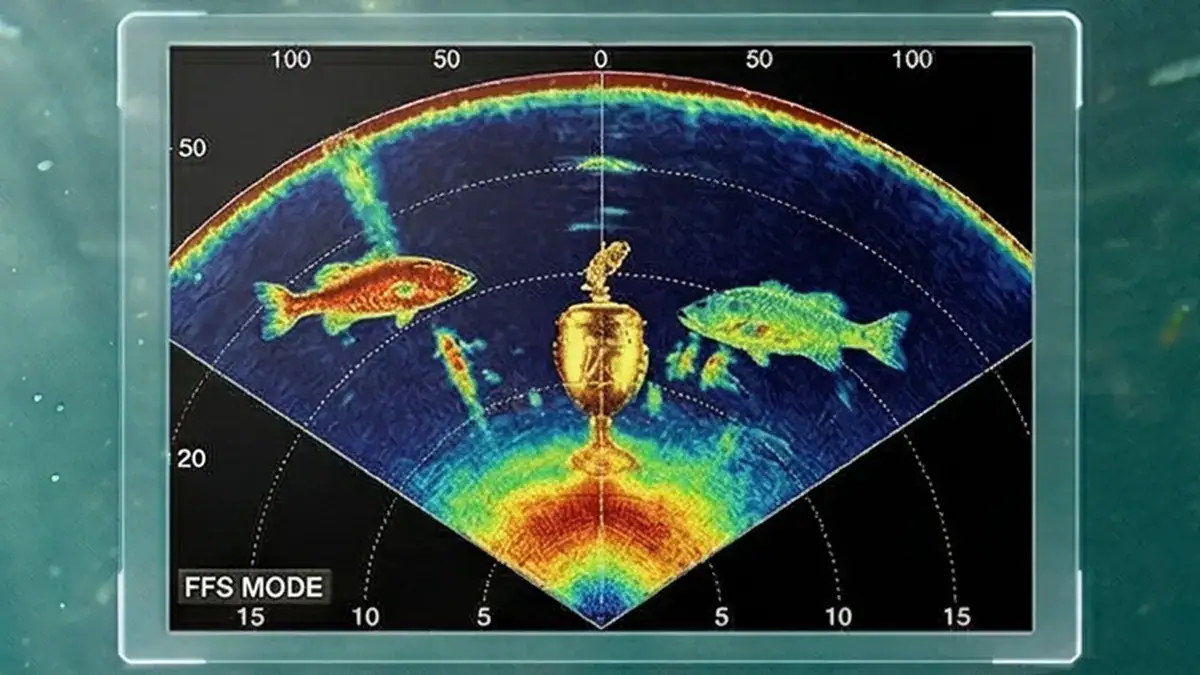
Dylan Nutt unknowingly set off another round of a long-standing debate when he used forward-facing sonar to win bass fishing’s biggest prize, the Bassmaster Classic.
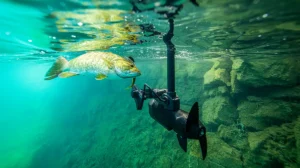
Some elevated Nutt to hero status as one of the young lions who can use the latest technology to find and catch bass. Others cast him as almost a villain for using LiveScope, which provides a real-time view of what the fish are doing in their once-mysterious domain.
To Scope Or Not To Scope?

To scope or not to scope? That’s been a hot issue that has pitted old-school bass fishermen vs. new-era techies ever since Garmin introduced LiveScope in 2018.
That debate only intensified when Nutt used the unit to catch many of the bass in his three-day total of 66 pounds, 13 ounces in the Bassmaster Classic on March 13-15 on the Tennessee River. What made that performance even more impressive, he was one of only two amateur fishermen to ever win the Classic.
Nutt earned $300,000 for the championship and earned a berth in the 2027 Bassmaster Elite Series, where the top pros compete.
Before the confetti even settled, though, Nutt faced a barrage of criticism from anglers who think the use of forward-facing (FFS) sonar should be banned in major tournaments. Some went so far as to suggest there should be an asterisk attached to the winner of the 2026 Classic in the listing of all-time winners.
The Peanut Gallery Chimes In
Randy Blaukat, a longtime pro bass fisherman and an outspoken critic of the new technology, was among those complaining the loudest. He labeled the latest championship tournament as the “Scopemasters Classic” in an episode of his “Intuitive Angling with Randy Blaukat” YouTube show.
While emphasizing that he wasn’t targeting any of the individuals who did well in the tournament, he criticized B.A.S.S. for allowing the use of FFS in the first place.
“You can’t sit and shake a minnow (lure) at a bass you see 50 feet in front of you and then follow it down the bank for a quarter mile and see it reacting in live image, live time ,and call it fishing,” Blaukat said in a video. “The whole magic of the Bassmaster Classic revolves around the mystery and mystique of the unknown.”
Blaukat went on to say that he has never heard such negativity about a Classic as this one, mainly because of the use of forward-facing sonar.
More Than Meets The Eye?
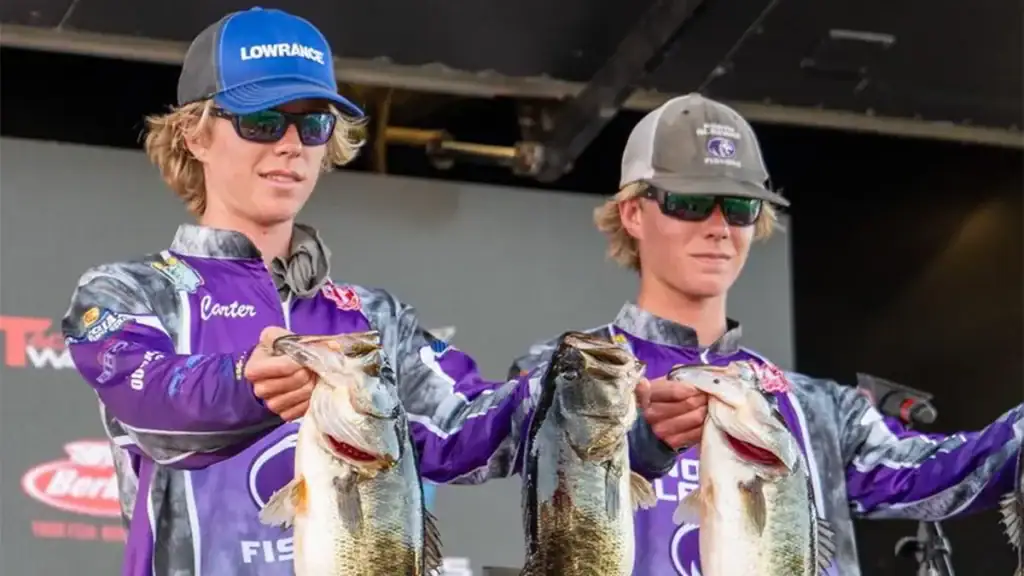
Nutt’s reaction? He maintains there is far more to fishing with LiveScope than most fishermen realize.
“You don’t just put a unit on your boat and automatically start catching more fish,” said Nutt, 22, who lives in Nashville. “You have to know where the fish are going to be at that time of the year — where they’re coming from, where they’re going, their mood, their general behavior.
“It’s a lot more difficult than people give it credit for.”
He and his twin brother Carter often compete together in buddy tournaments in the boat their dad bought them. They were doing well before they even considered using FFS. In their junior year of high school, they won the Tennessee State Championship and Team of the Year honors and used the $10,000 they won to buy a forward-facing sonar unit.
Getting the unit wasn’t a game-changer for the brothers, but it did help them refine their fish-finding skills.
In the Classic, Dylan used live sonar to target likely looking hiding spots, not necessarily the bass themselves.
The bass were in the pre-spawn stage and they were relating to cover such as brush and rocks before moving in.
“All the big largemouths I caught were hidden,” he told Wired2fish. “I would cast to a spot that I thought looked ‘fishy,’ without even seeing the fish, then I could see them come up out of that cover and hit.
“It’s not like I just went down a bank and flipped to laydowns. LiveScope helped me be more efficient with my casts.”
Nutt worked tirelessly prior to the tournament, using his electronics to find every piece of cover he could find before the waters went off-limits. He went back to those areas once the Classic got under way and found that they were holding bass.
Yes, LiveScope helped, Nutt said. But it wasn’t the only factor in his championship performance. He credits his bait of choice, a soon-to-be released Berkley Lab Series bait, as playing a key role. The bait features an ingredient that gives off a scent through a slime that disperses when it hits the water.
As for his use of live sonar, it took some experience of the subtle intricacies required to get the fish to hit.
“A few years ago, livescoping was like shooting fish in a barrel,” Nutt said. “It was like when the Chatterbait or A-rig first came out.
“But now every bass has seen a minnow-type bait and they’re getting wise to it. It takes some little tweaks to get them to hit.”
Another Tool In The Toolbox
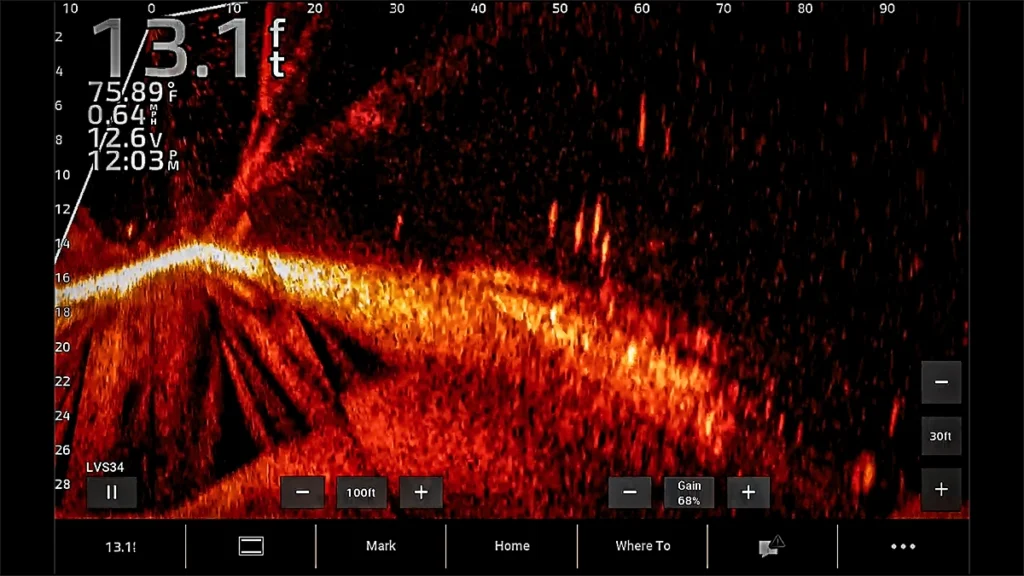
Nutt doesn’t fit the stereotype of the young angler who is technologically advanced. He knows how to use LiveScope to target fish and cover, but he said he isn’t proficient enough to change settings and go to advanced programs.
Nutt knows he and other young anglers will face changes this year as major bass circuits have reduced or eliminated the use of forward-facing sonar to appease the many anglers who have complained about the technique. But that doesn’t faze him.
“I look at live sonar as just another tool,” he said. “I can catch fish without it. I’ve proved that.”
Still, he will continue to use forward-facing sonar whenever it is allowed.
“When I was a kid, I dreamed of being able to see underwater,” he told Wired2fish. “With LiveScope, now I can.”