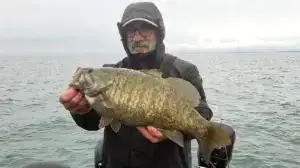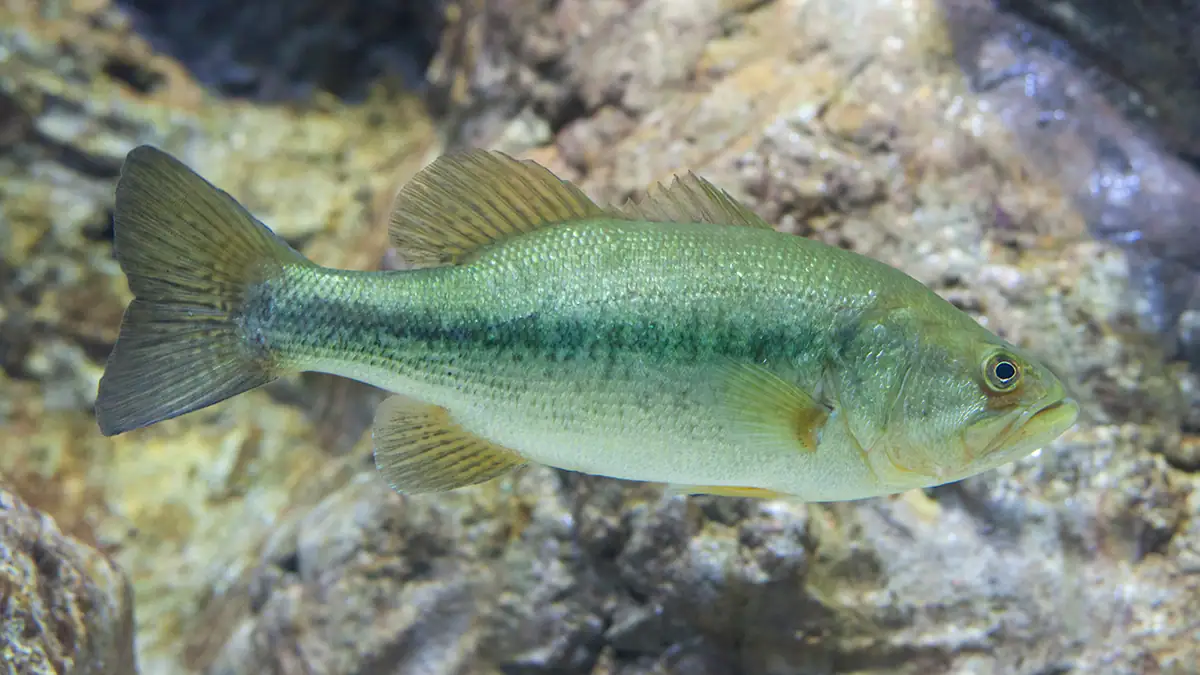
Kentucky state biologists have announced a breakthrough that sounds more like science fiction than fishing by identifying the key genetic characteristics to growing massive largemouth bass. Through an initiative called the Thoroughbred Bass Program, the Kentucky Department of Fish and Wildlife Resources (KDFWR) Fisheries Division hopes to use this roadmap to stock Kentucky waters full of trophy-potential largemouths.
The “bigger is better” quest in bass fishing always had a major geographic hurdle in Kentucky. Florida largemouths grow huge, but they are notoriously susceptible to the cold. Once moved north of Tennessee, they struggle to survive the winter.
“For more than 50 years, biologists have been trying to increase the size potential of largemouth bass,” said Adam Martin, a Fisheries Division biologist in Kentucky. “In many states to our south, that effort involves stocking non-native Florida bass or first generation (F1) hybrids. Stocking Florida bass has increased bass size in many lakes in warmer climates but despite other attempts, it hasn’t worked so far in areas colder than southern Tennessee. More northern states like ours haven’t had any great options for improving their genetics until now.”
Locally Grown
Kentucky’s solution? Don’t import outsiders—build a better local fish. Researchers performed what is known as a Genome Wide Association study. They took fin clips from 300 native Kentucky bass across 30 different lakes. The group was split down the middle: 150 heavyweights over 5 pounds and 150 slow-growing underachievers under 3.5 pounds.
By analyzing over three million genetic markers per fish, the team identified specific patterns common in the trophies but rare in the smaller fish. All samples were confirmed as pure largemouth bass before undergoing the full genome sequencing.
“Modern genetic tools are opening up a whole new world of potential that biologists even 10 years ago could only dream about,” said Martin. “To the best of our knowledge, this is the first time such markers have been identified in largemouth bass.”
Now state biologists and staff can screen potential largemouth bass broodfish for genetic purity with the best trophy genetics. The plan is to selectively breed fish in department hatcheries to maximize the size potential of the offspring and then stock public waters with these supercharged fingerlings aptly named “Thoroughbred Bass.”
A Selective Program
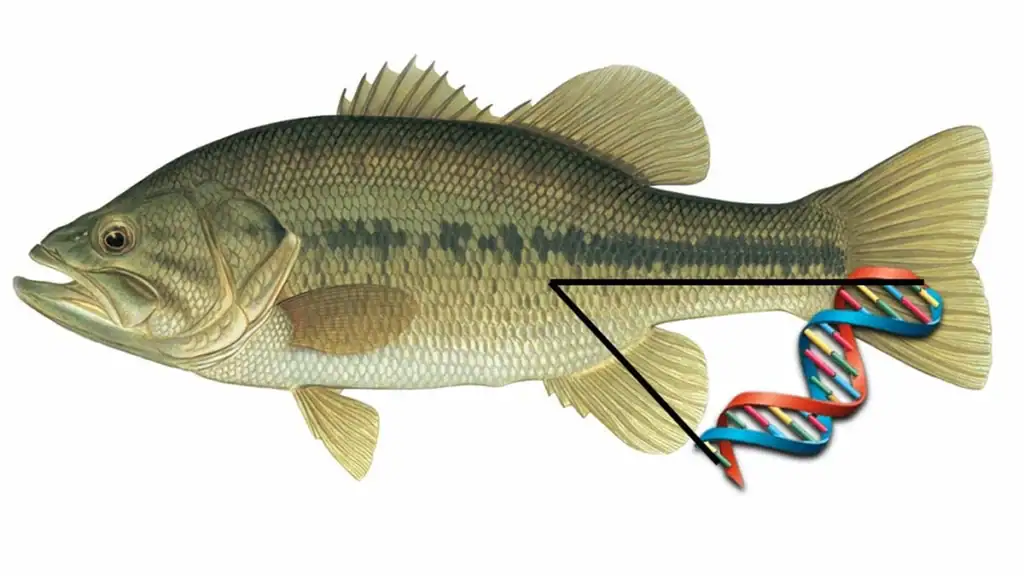
“This process is very similar to the traditional selective breeding programs used in agriculture for millennia,” said Jeff Ross, Fisheries Division assistant director. “The only difference is that we are using genetic markers to pick which fish to breed. Most importantly, we can use bass caught right here in Kentucky — which preserves local adaptation and genetic integrity.”
The program isn’t just about vanity—it’s about restoration. Fisheries experts have long worried about a phenomenon where heavy fishing pressure actually shrinks a population, as anglers remove the largest, most-aggressive fish. Bass anglers inadvertently leave the smaller, slower-growing fish to reproduce.
But this Kentucky program hopes to reverse that trend. By selectively breeding native bass that carry the trophy markers and stocking them in public waters, the department wants to integrate these high-performance genetics back into the wild.
“Most importantly, we can use bass caught right here in Kentucky,” said Ross. “That preserves local adaptation and genetic integrity.”
A Year Delay
While the science is ready, the supply chain is not. Anglers hoping to see the first thoroughbreds hit the water this year will have to wait. Martin noted that the department is still awaiting the manufacture of the specialized screening panels required to test the fish. Because bass only spawn once a year, the window for 2026 has already closed.
The department is pivoting the delay into a scouting year. Biologists will spend this spring and summer collecting and testing hundreds more wild bass to ensure that when the 2027 breeding season begins they are ready.
“The Thoroughbred Bass Program represents a science-driven, sustainable investment in Kentucky’s bass fisheries,” said Dave Dreves, Fisheries Division Director. “By combining advanced genetics with traditional hatchery practices, we are working to ensure that future generations of anglers have the opportunity to continue to catch exceptional bass in Kentucky waters.”