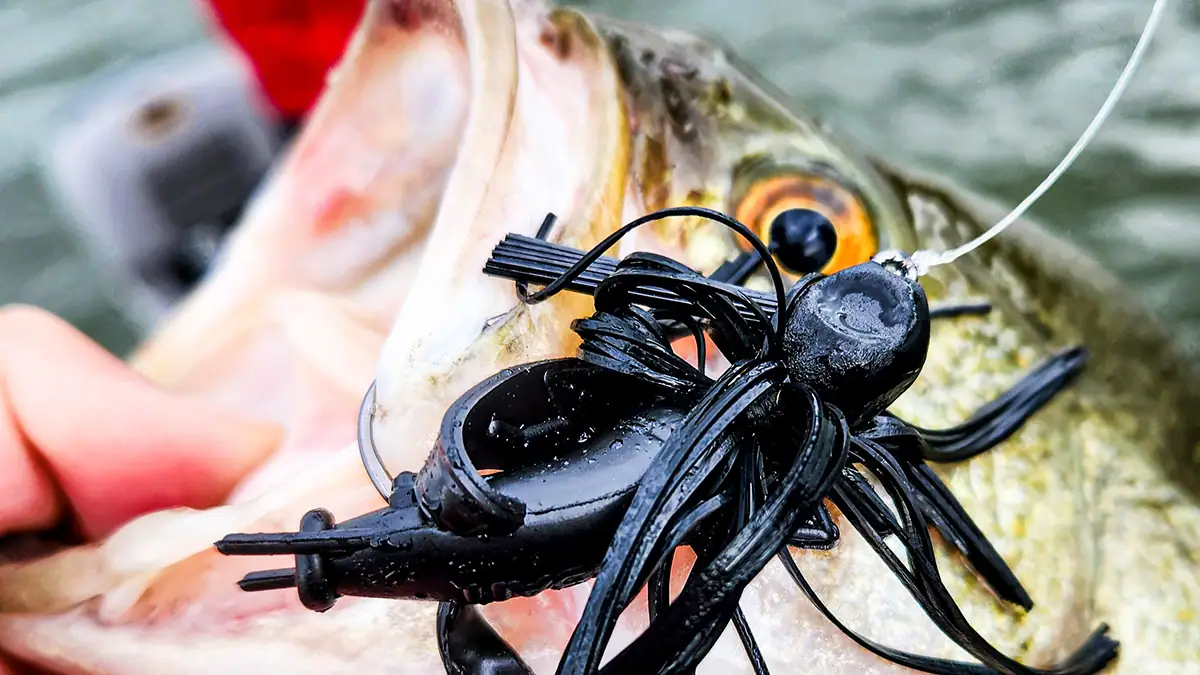
Every bass fisher has that one lure they trust when money’s on the line, when the bite gets tough, or when they just flat-out need to get their confidence back. For me, and for a whole lot of serious anglers, that bait is the skirted jig. If I had to fish the rest of my life with one lure tied on, it would be a jig — no hesitation or thought about it.
There are flashier baits. There are trendier baits. But nothing has stood the test of time like a jig. From farm ponds to the Tennessee River, from tidal fisheries to deep northern natural lakes, the jig flat-out produces everywhere you go. Here’s why I believe it’s the greatest bass bait of all time.
It Catches Big Bass Everywhere
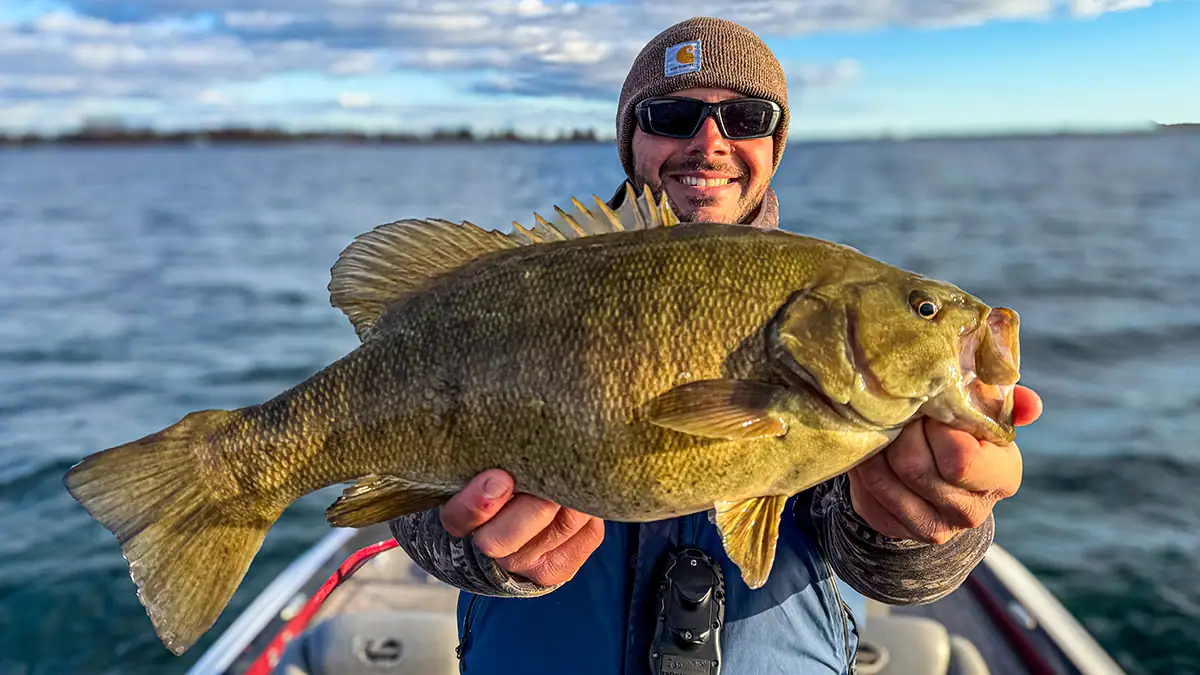
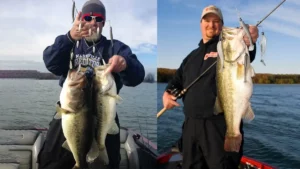
If your goal is numbers, plenty of lures can get bit. But if your goal is quality, that’s where the jig separates itself from the rest. Big bass love a jig because it represents a substantial meal. Whether it’s mimicking crawfish, a bluegill, baitfish, or some other bottom-dwelling forager, a jig offers a compact but meaty profile. Add a soft plastic trailer, and you’ve got something that screams “high-calorie feast.”
Look at the history of professional bass fishing. From the early days of tournament angling to the dominance of modern pros, the jig has always been a major player. Whether it’s flipped into heavy cover or dragged offshore, it has accounted for countless tournament wins and some of the heaviest five-bass limits ever weighed.
It’s not a coincidence. Bass species are predators that prefer efficient feeding. A jig looks like something worth the effort.
It Works All Year Long
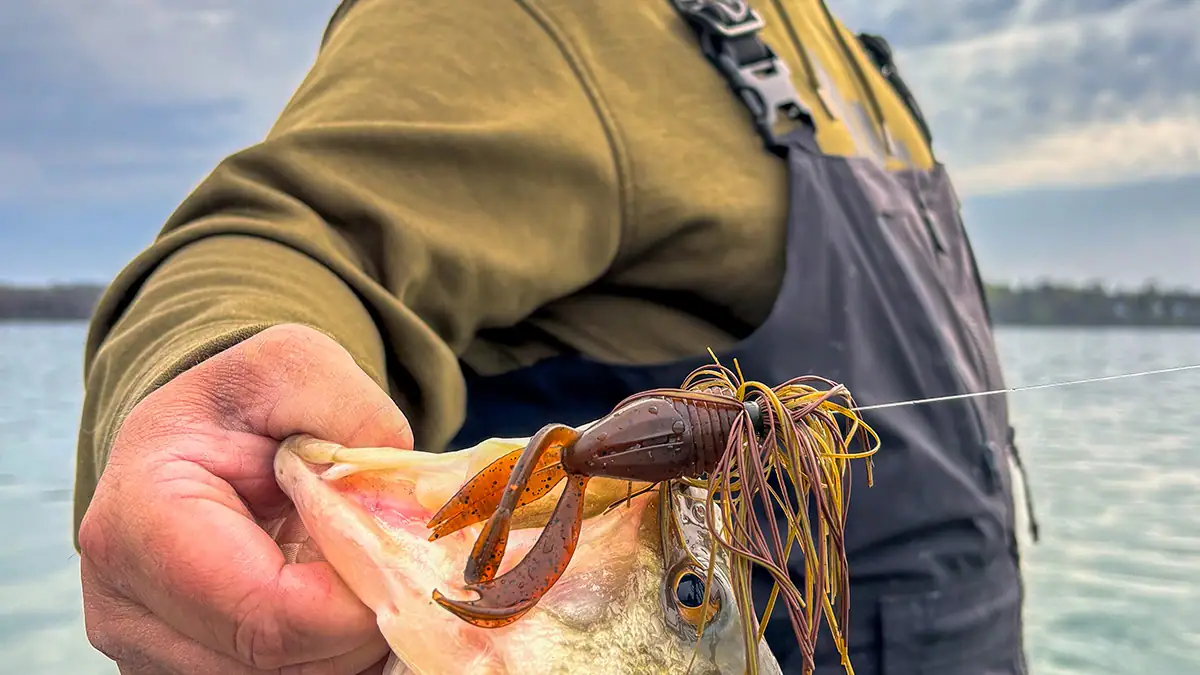
“If there was one bait I can confidently throw 12 months out of the year and catch a big bass, it’s a jig. It catches them during every season under every single condition” says Tristen Bauer, owner of T’s Tackle in Theresa, New York.
Some lures are seasonal. A hollow-body frog is deadly in summer slop but nearly useless in 40-degree water. A jerkbait shines in cold water but isn’t always the best in thick vegetation.
A jig? It doesn’t care what month it is.
In winter, you can crawl a football jig slowly along rocky bottoms and deep points. When it’s spring, you can pitch a compact flipping jig to spawning cover. You can punch a heavy jig through matted grass in the summer. In fall, you can swim a jig around dying vegetation and shallow baitfish.
It adapts to the conditions because it’s not locked into one retrieve or one environment. That kind of versatility bait is unmatched.
It Covers Every Depth and Type of Cover
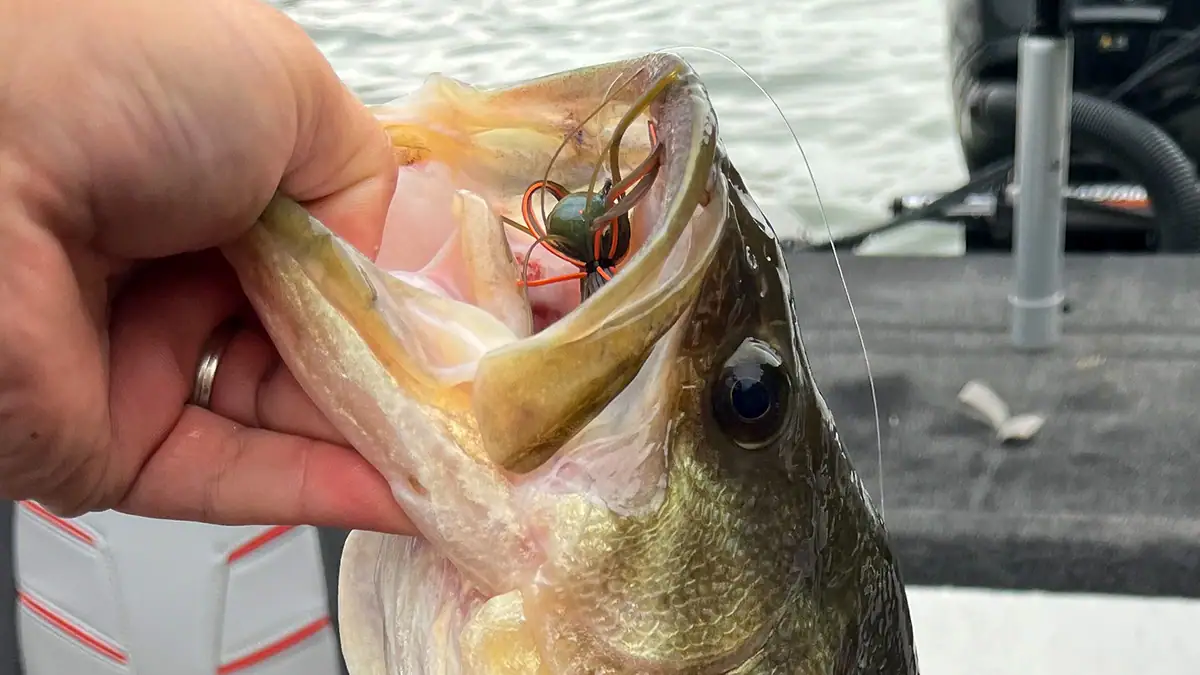
Name the cover. A jig can handle it.
- Laydowns
- Docks
- Grass mats
- Riprap
- Offshore ledges
- Brush piles
- Sparse vegetation
- Deep rock
With different head designs — flipping jigs, football jigs, swim jigs, finesse jigs — you can fine-tune your presentation for almost any situation. A football jig excels on hard bottom and offshore structure. A flipping jig slides through wood and heavy cover. A swim jig comes through grass like it was designed for it — because it was. Few lures are as comfortable in two feet of water as they are in 40 feet. The skirted jig doesn’t just tolerate variety; it thrives in it.
Subtle but Aggressive
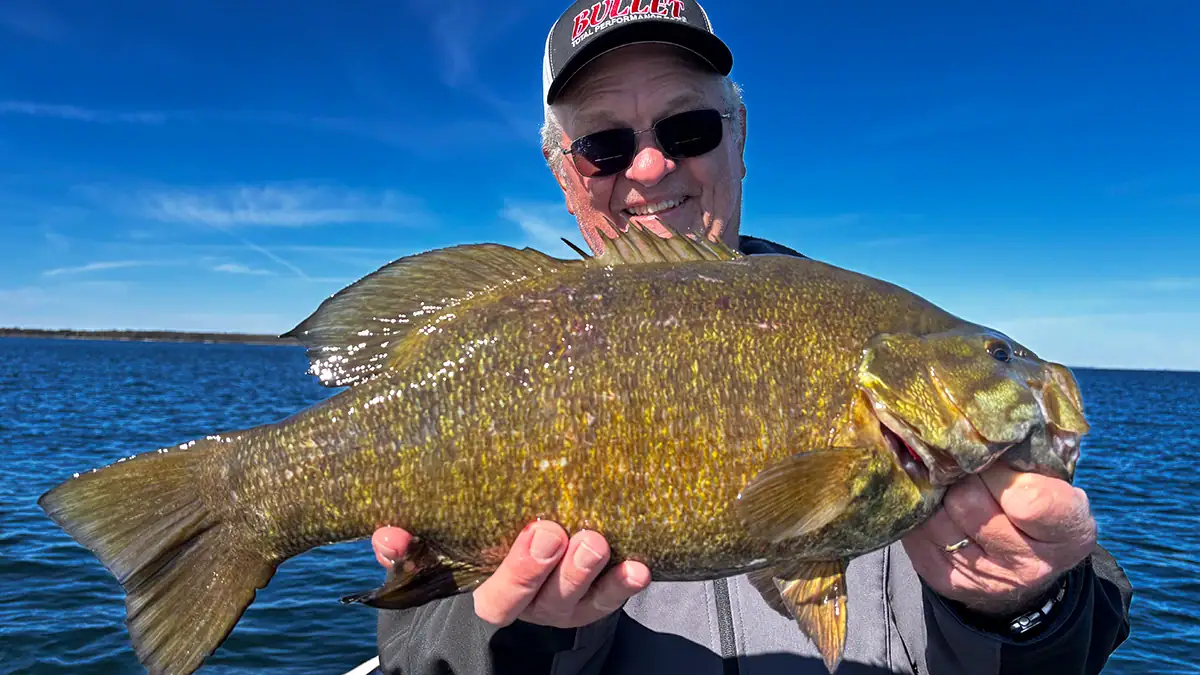
The beauty of a jig is in its dual personality. On one hand, it’s subtle. You can dead-stick it, barely crawl it, or let it sit as the skirt pulses naturally in the water. In tough conditions, like the post-frontal blues and pressured lakes, that subtle action can be the difference between a skunk and a solid day.
On the other hand, it can be aggressive. You can hop it hard off the bottom. Snap it out of grass. Pitch it into a heavy cover where reaction bites happen in inches, not feet. That skirt breathes underwater. Every time you move the jig, it flares and collapses. It gives the illusion of life without you having to overwork it. That natural motion is what fools educated bass.
It Teaches You to Be Better
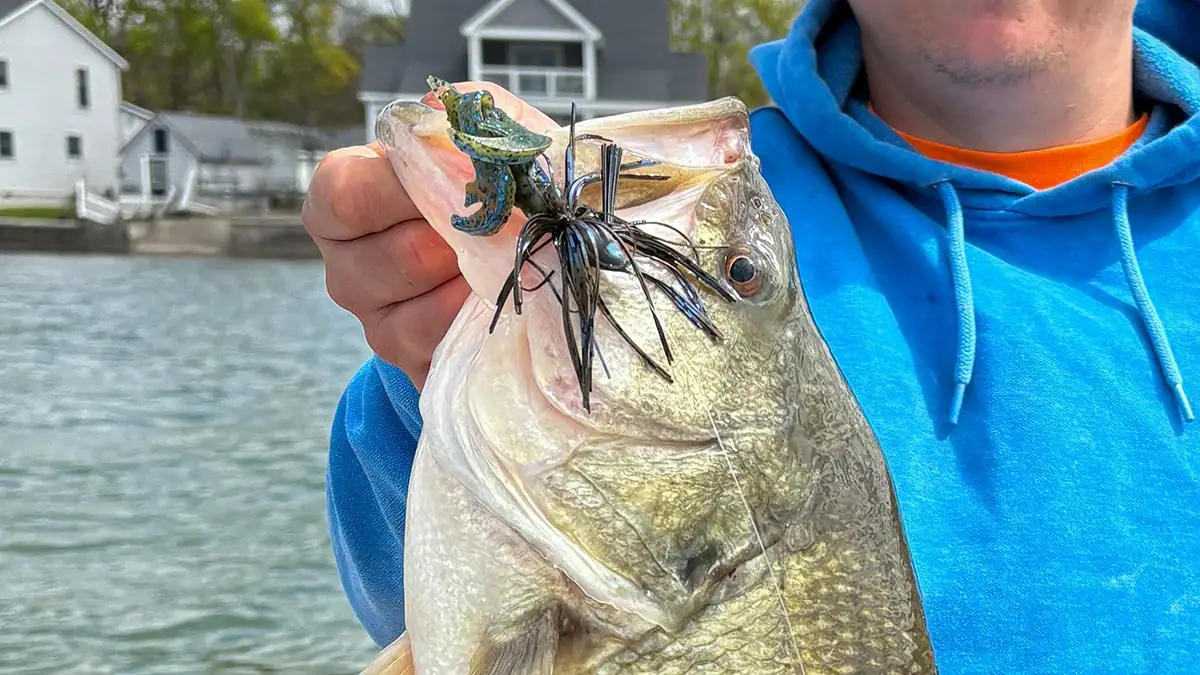
Here’s something people don’t talk about enough: Fishing a jig makes you a better angler.
It’s a bait that makes you pay attention. Most jig bites aren’t violent rod-ripping strikes. They’re subtle. A tick. A slight heaviness. A line that moves sideways. Fishing a jig forces you to develop a feel that you need with many other baits. You learn bottom composition, how to differentiate between wood versus rock, and what different kinds of bites feel like.
You can’t just mindlessly cast and wind. You’re engaged every second. And when you start recognizing those subtle changes, your overall fishing skill improves across the board.
It’s Customizable to Your Fishery
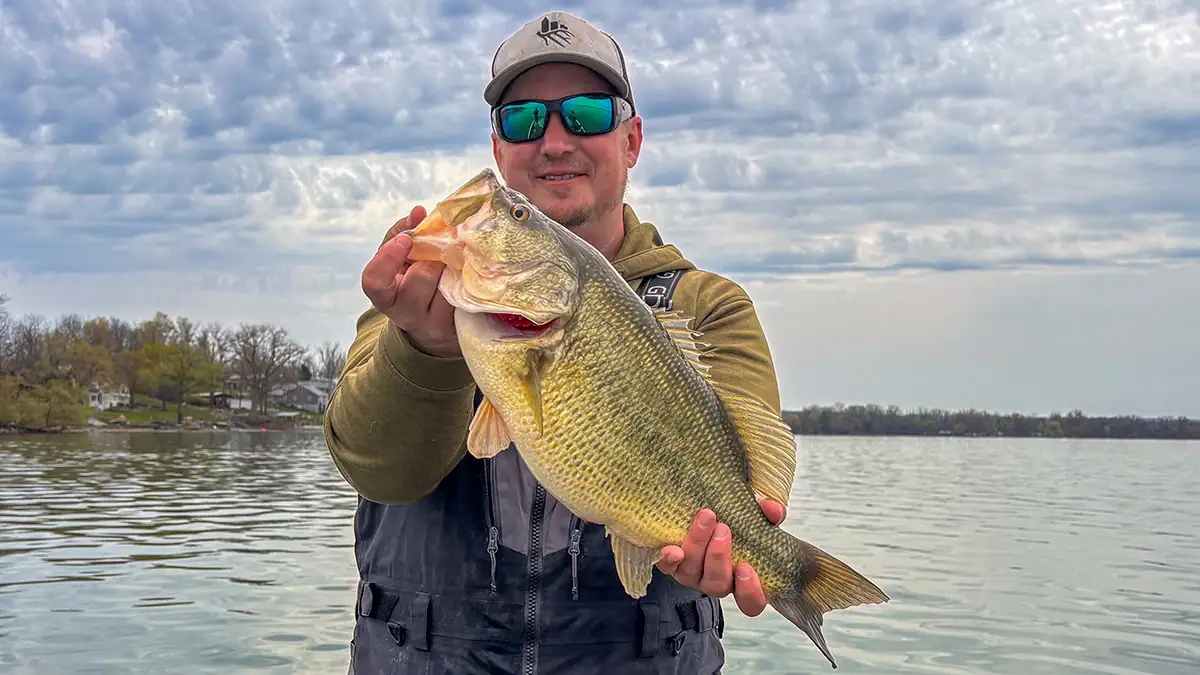
Color, trailer, size, weight — you can dial in a jig to match almost anything. Fishing a lake full of bluegill? Go with green pumpkin and a chunk-style trailer. Crawfish dominant fishery? Add some orange strands and a craw trailer with flapping claws. Dirty water? Black and blue. Clear water? Natural browns and greens.
You can bulk it up for bigger profile presentations or trim it down for pressured fish. You can shorten the skirt, thin it out, or match it precisely to local forage. It’s like building your own bait for the exact scenario.
That adaptability gives you confidence — and confidence catches bass.
It’s Withstood the Test of Time
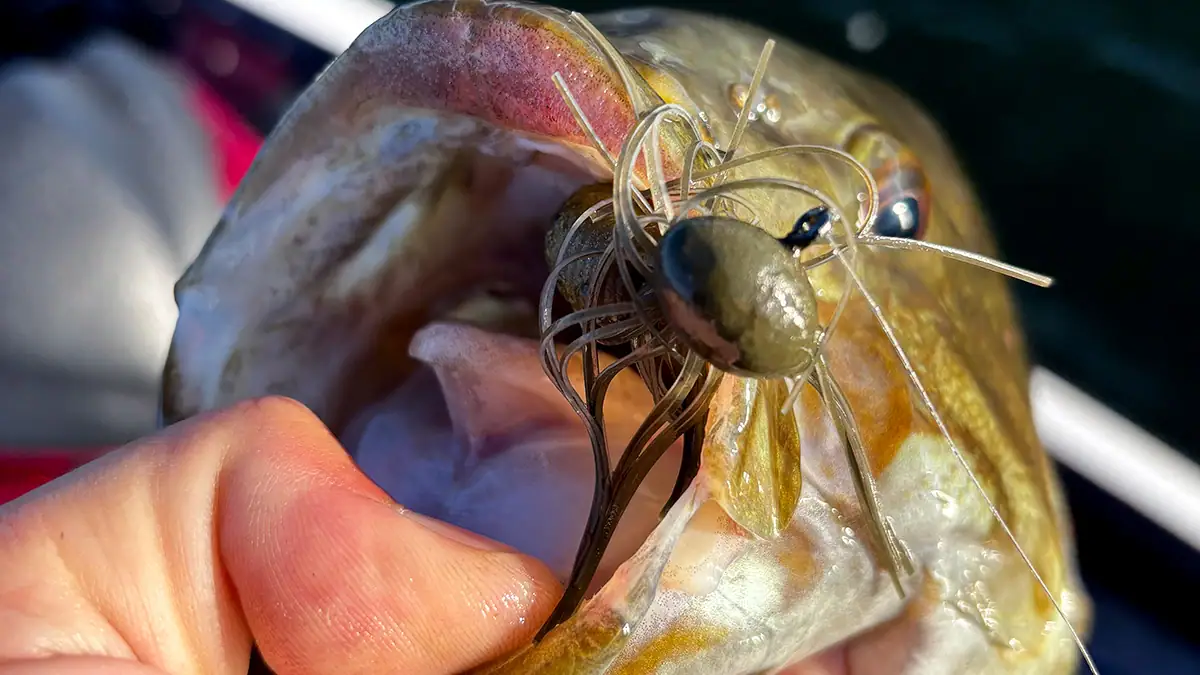
Fads come and go in bass fishing. But through it all, the skirted jig remains.
It was catching bass decades ago. It’s catching them now. And it will still be catching them for years into the future. That kind of staying power doesn’t happen by accident: It happens because a bait works in a fundamental, biological way. Bass eat crawfish and bluegill, and react to something invading their space. The jig taps into all of that.
Final Thoughts
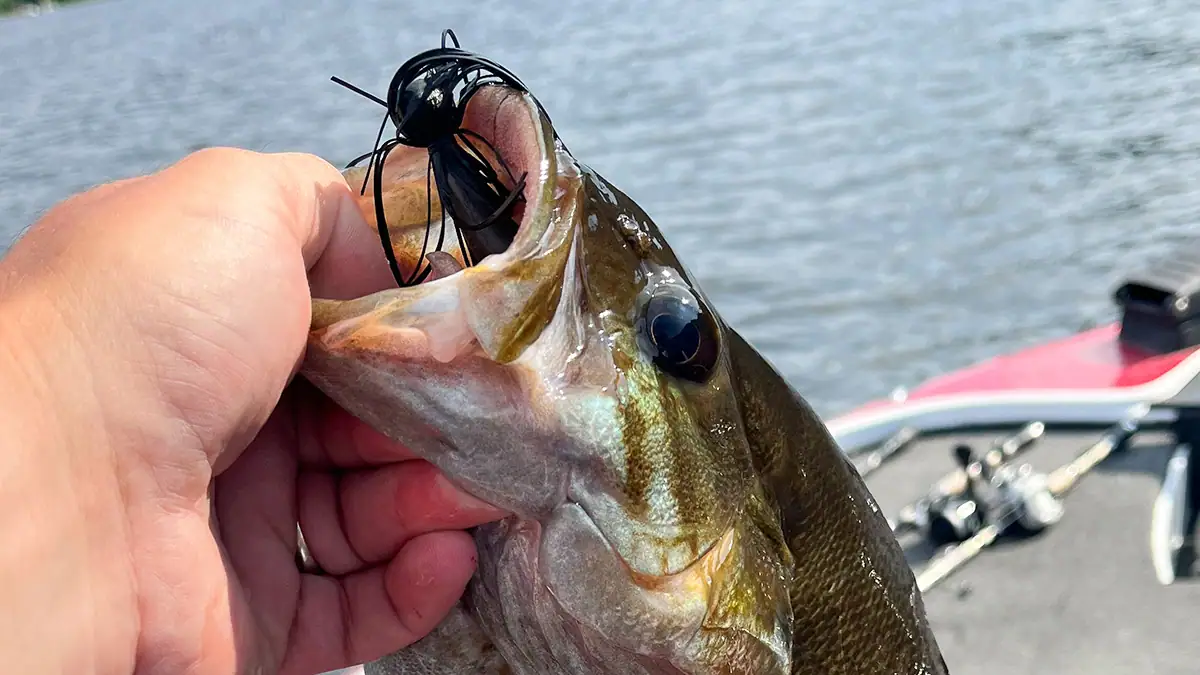
The greatest bass bait of all time isn’t the newest, loudest, or the most hyped. It’s the one that consistently produces big bass species, year-round, in any cover, under any conditions.
The skirted jig is a thinking man’s bait. It rewards patience and demands that special feel. And when you lean back and drive the hook home on a fish that just “felt heavy,” there’s no better feeling in bass fishing.
If you haven’t fully committed to learning the jig, you’re missing out. Because when everything else fails — and eventually it will — the skirted jig is still going to get bites.