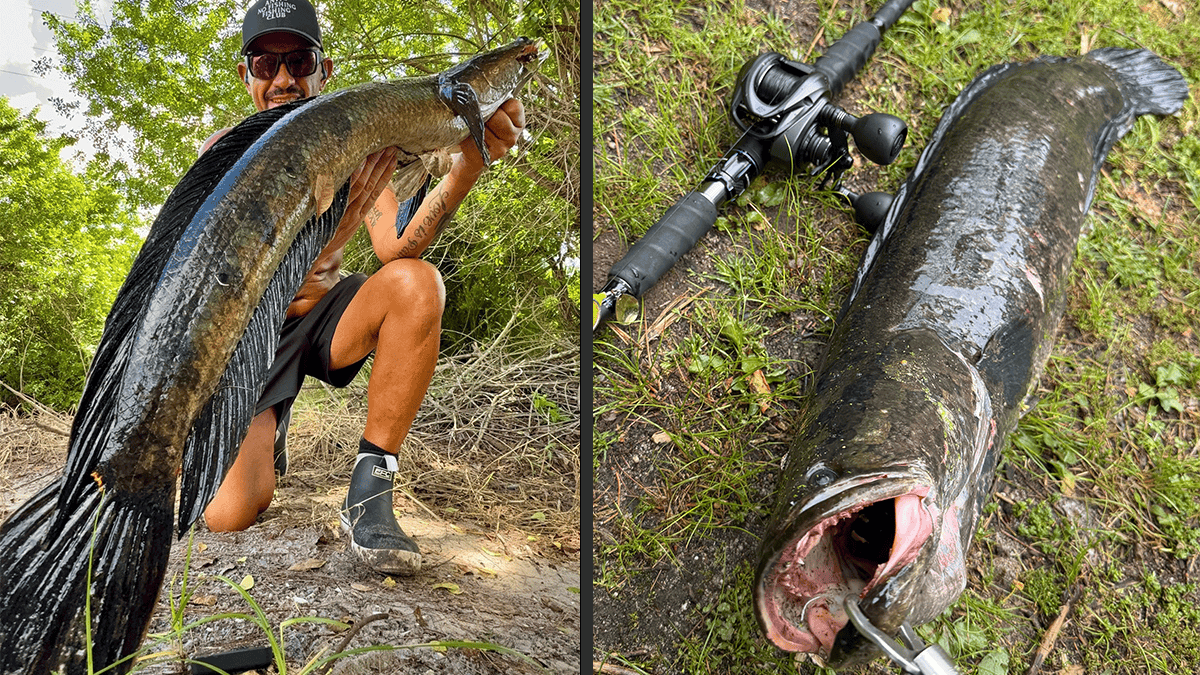
On May 21st, 2026, Vinny Conwell’s dreams came true as he was able to put his hands on what is considered an invasive unicorn in New York State. He set the hook into something prehistoric-looking, a northern snakehead (Channa argus).
When word started spreading about a snakehead being caught in Lily Pond near Lake Ronkonkoma, it immediately grabbed the attention of local anglers. The reactions ranged from disbelief to concern. For many fishermen on Long Island, snakeheads are something you hear about in Maryland, Virginia, or the Potomac River system — not something you expect to see in a small pond connected to one of Long Island’s most recognizable freshwater fisheries and its biggest lake.
But whether anglers like it or not, the northern snakehead is becoming part of the conversation in New York State waters. For fishermen who spend countless hours chasing bass, pickerel, and panfish, the idea of another aggressive predator entering local ecosystems raises a lot of questions. How did it get there? Can they survive here? And most importantly, what does it mean for the future?
The Lily Pond Catch
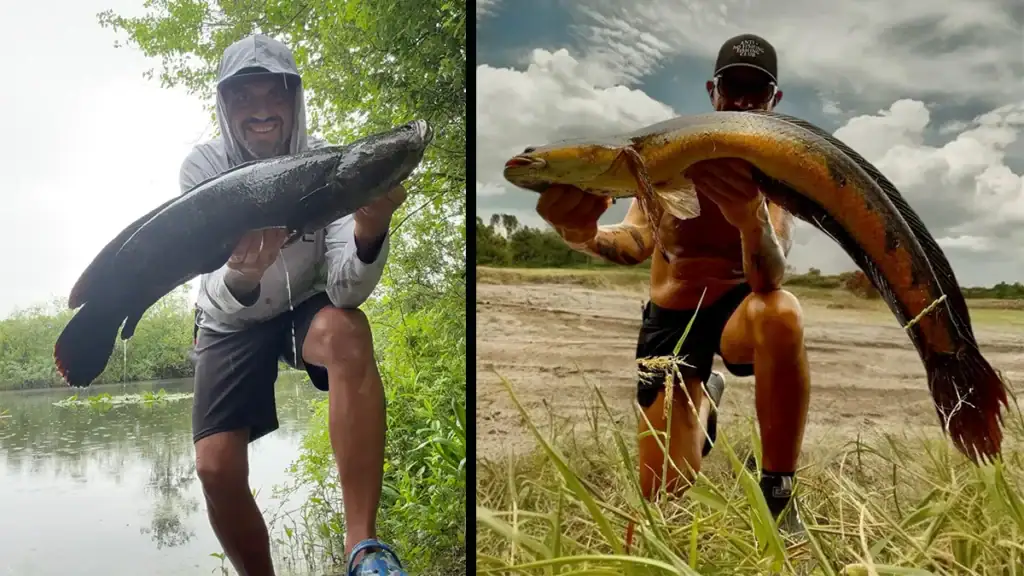
Vinny Conwell is probably one of the most passionate snakehead anglers I’ve ever met. Ever since he moved from Long Island to South Florida, he has become infatuated with snakeheads. From the fight, blow ups, and how cool he views them, Conwell has dedicated most of his life to chasing these tropical fish.
The BADA Bing BADA Boom YouTube Channel host has been chasing one of these prehistoric tropical fish here on Long Island for many years. He’s caught them from time to time in Queens, NY (one of NYC’s Five Boroughs), but never on Long Island.
After many scouting missions and missed opportunities, Conwell was out probing Lily Pond once again when a large, V-shaped wake chased his Tekel Maracker Frog and crushed it. This was the moment Conwell waited for. He pulled the fish up on the bank and was in disbelief.
“These fish have been here for many years,” Conwell tells Wired2fish. “It was only a matter of time before someone made it public that they caught one. Most guys keep this kind of stuff hush hush.” Conwell says that he knows of a few other anglers who have caught snakeheads out of Lily Pond, but have never been reported due to not publicizing the tiny Suffolk County pond.
Once the fish was posted all over social media, New York State Department of Environmental Conservation (NYSDEC) Region 1 Freshwater Fisheries department got word and was on the scene to start sampling the waterbody. Where there’s one snakehead, there’s usually more. The pond is very small, so sampling by foot was the method of choice. Using a backpack electrofishing device, they sampled the small pond to no snakehead avail; only largemouth bass, bluegills, and brown bullheads.
Region 1 Fisheries Manager Heidi O’Riordan told Wired2fish the Department, “will be back out in the coming weeks to do more sampling both in scientific matters as well as an angling survey.”
Conwell harvested his fish, and shipped it back to Florida to have a mount made.
For anglers who saw photos of the fish online, the reaction was immediate. This wasn’t just another oddball catch, it was another sign that snakeheads continue to slowly spread across parts of the Northeast.
Snakeheads, And Their Presence In New York
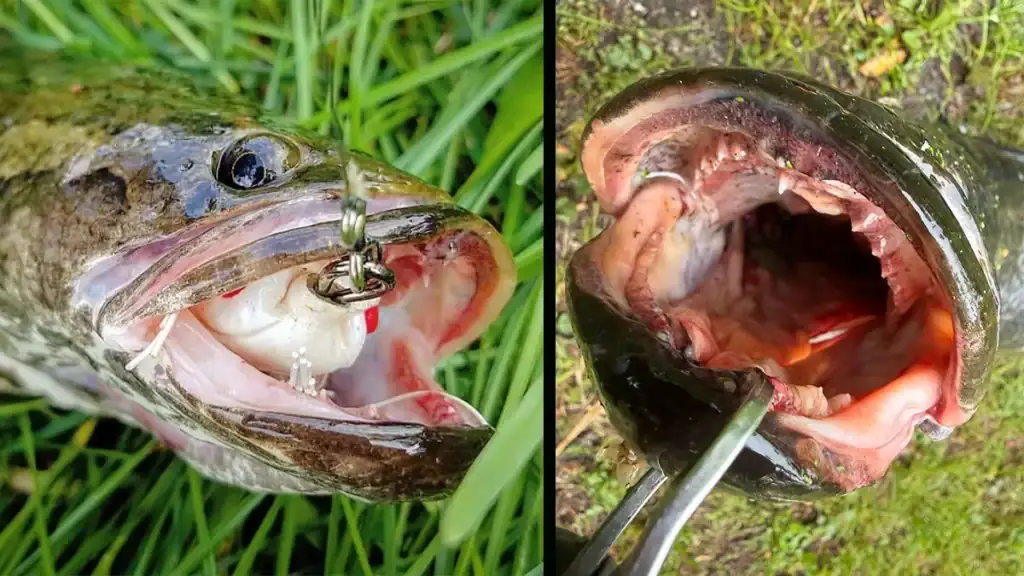
Northern snakeheads are unlike almost any freshwater fish in the country. They have long, torpedo-shaped bodies, large mouths full of teeth, and an appearance that resembles a mix between a bowfin and a snake. These fish get mistaken for bowfin quite often, but don’t have a spot on the base of their tail. Snakeheads are apex predators capable of feeding heavily on baitfish, frogs, and even small waterfowl.
What makes them especially unique is their ability to breathe oxygen. Snakeheads possess a primitive air-breathing organ that allows them to survive in low-oxygen environments where many gamefish struggle. They can even survive out of water for extended periods if kept moist, which only adds to their reputation and mystique. This is how when ponds freeze in the winter here in the north they can still survive. The northern variety is the only snakehead species that can tolerate colder climates.
Snakeheads are native to parts of Asia, including China, Korea, and Russia. In the United States, the species first gained national attention in 2002 after a reproducing population was discovered in a Maryland pond. Since then, snakeheads have spread throughout portions of the Mid-Atlantic and become firmly established in rivers and tidal systems.
New York’s history with snakeheads has been more scattered, but the species has appeared in the state multiple times over the years. The first sightings were in Flushing, Queens in the mid 2000’s as well as other downstate waters connected to the Hudson River system. Their presence was confirmed in 2005, when three specimens were retrieved from a fyke net set in Meadow Lake, Flushing Meadows Corona Park, Queens County.
Individual fish were occasionally caught in ponds, creeks, and tidal rivers, often suspected to be the result of illegal introductions from people releasing their pets when they get too big. Over time, however, more catches began occurring in connected waterways that allowed natural expansion from neighboring states.
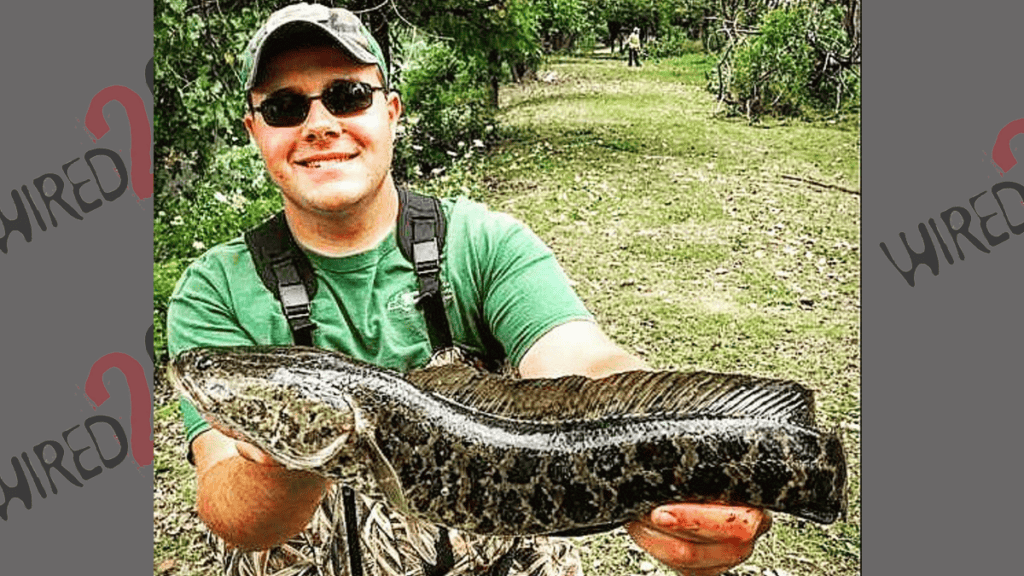
In recent years, snakeheads have been frequently documented in areas of the lower Hudson Valley and New York City waterways. There have been catches in Queens, Brooklyn, and other urban systems where invasive species often gain footholds due to accidental or intentional releases. When I worked as an intern for the NYSDEC Region 1 freshwater fisheries unit, we used to work in conjunction with Region 2 (NYC’s Five Boroughs) freshwater fisheries to survey the lakes that held snakeheads by electrofishing and angling. We caught hundreds throughout my three summers of interning.
The concern for fisheries biologists is not necessarily one isolated catch, it’s the possibility of reproduction. Once snakeheads establish breeding populations, they can become extremely difficult to remove. In New York in Meadow Lake, the population has become so established that there is no way the species can be eliminated from the lake.
Snakeheads are highly adaptable. They thrive in weedy, shallow water habitats that are already ideal for largemouth bass, chain pickerel, and panfish. That overlap creates understandable concern among fishermen who care deeply about local fisheries.
What Anglers Should Do
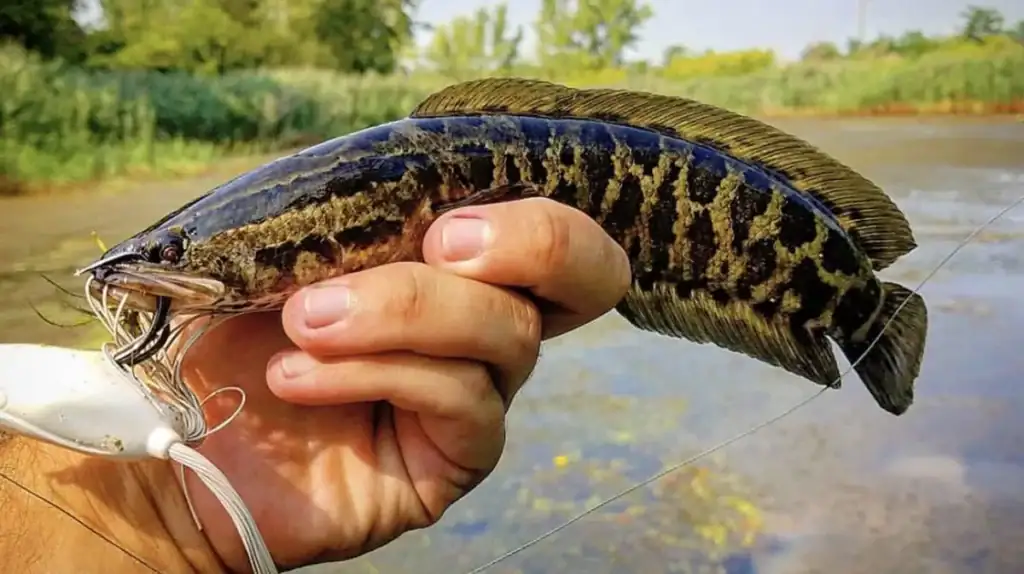
“When an angler catches a snakehead in New York, you CANNOT RELEASE IT! Please report it to your local regional fisheries unit and save the fish,” says O’Riordan. All fish need to be saved and brought in frozen for sampling purposes. New York State regulations prohibit releasing them alive. Anglers are typically advised to photograph the fish, note the location, and contact environmental authorities.
For fishermen, the spread of snakeheads creates a complicated debate. Some anglers are fascinated by them because they fight hard and offer a unique fishing experience. Others see them as a serious threat to native ecosystems and traditional fisheries. “These fish are some of the hardest fighting species you can catch. It would be nice to have them as a supplemental predator in our waters” says Conwell.
No matter which side you fall on, one thing is certain: This fish catch is another reminder that invasive species are changing the landscape of fishing in New York. Whether it becomes an isolated incident or the beginning of a larger issue remains to be seen. But for Long Island fishermen, snakeheads are no longer just a fish you watch on YouTube videos. They are now part of the local conversation. You will be seeing more of these fish coming out in the near future.