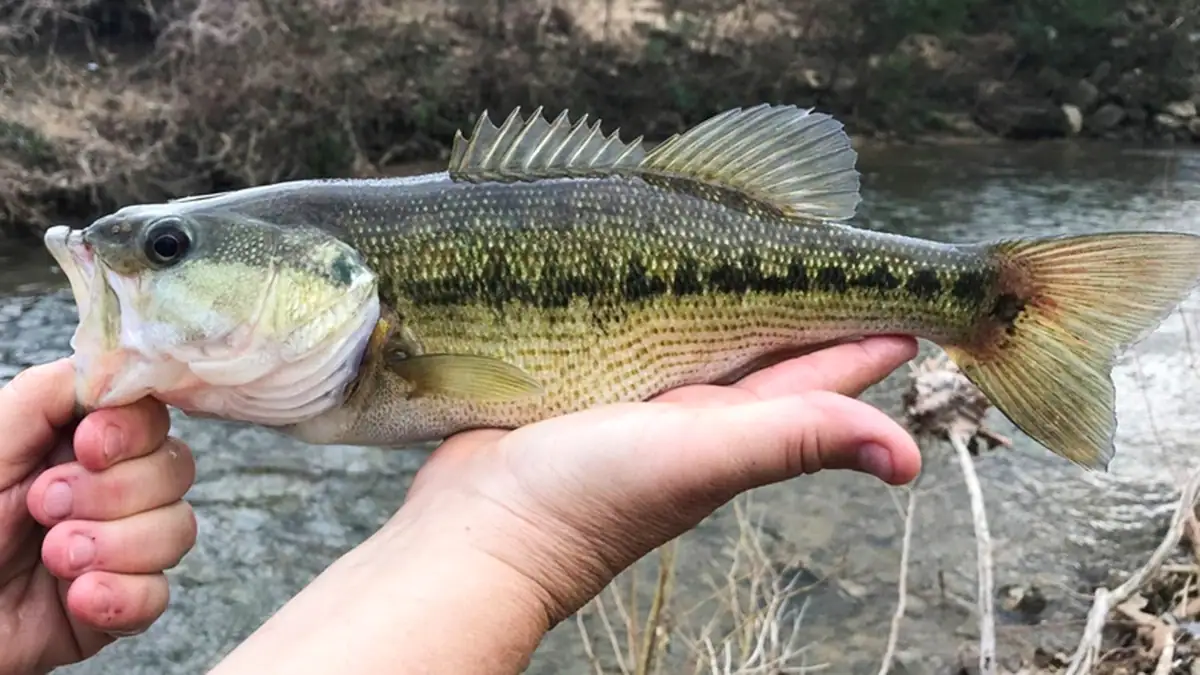
Biologists with the Kentucky Department of Fish and Wildlife Resources (KDFWR) have confirmed the first known detection of Alabama bass hybrids in Kentucky waters, raising concerns about the future of the state’s native bass fisheries. The discovery was made during routine fisheries surveys at Lake Linville, a 356-acre reservoir near Mount Vernon in Rockcastle County.
Fisheries biologists collected two fish that genetic testing later confirmed as Alabama bass/spotted bass hybrids. State officials say the full extent of the infestation remains unknown, and expanded genetic testing is now underway throughout the lake’s bass population.
“The discovery of Alabama bass hybrids in Lake Linville is concerning for fisheries in Kentucky,” said Marcy Anderson, program coordinator for the KDFWR Southeast Fisheries District. “It’s not simply about an introduction of a new species. It’s also the long-term negative consequences for the native bass species that anglers frequently target.”
What Are Alabama Bass?
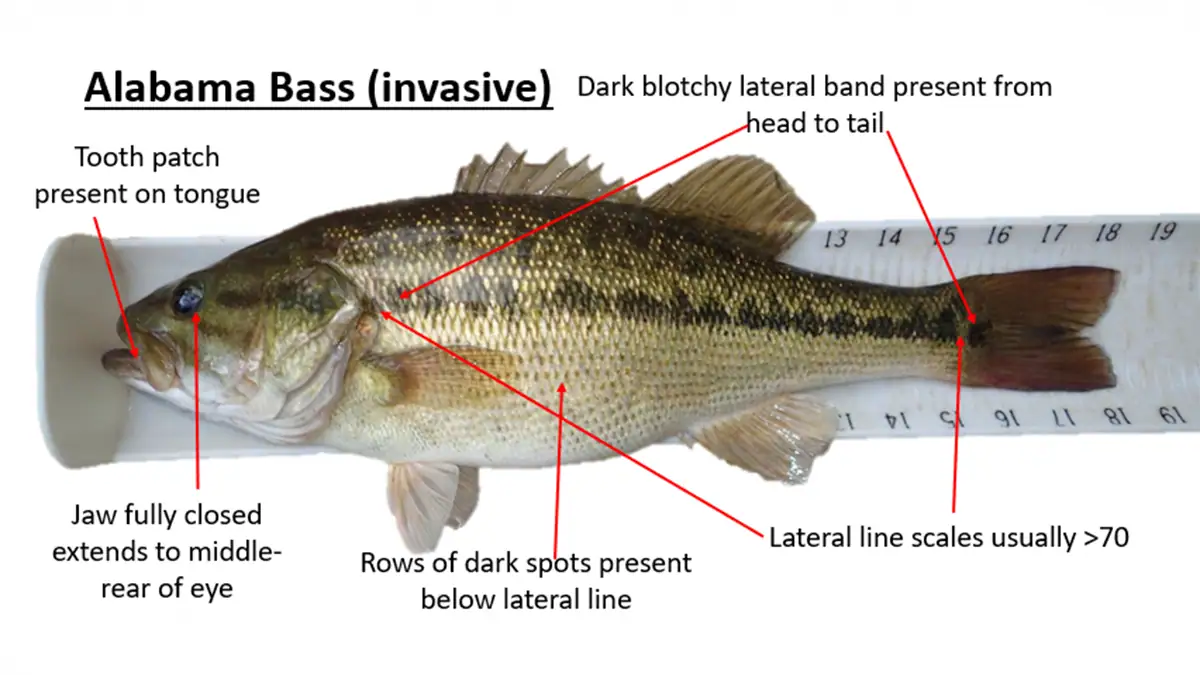
Alabama bass (Micropterus henshalli) are a black bass species native to the Mobile Bay drainage basin in Alabama, Mississippi, and Georgia. For decades, scientists widely considered them a subspecies of spotted bass. But fisheries biologists now recognize Alabama bass as a distinct species with significantly different environmental impacts.
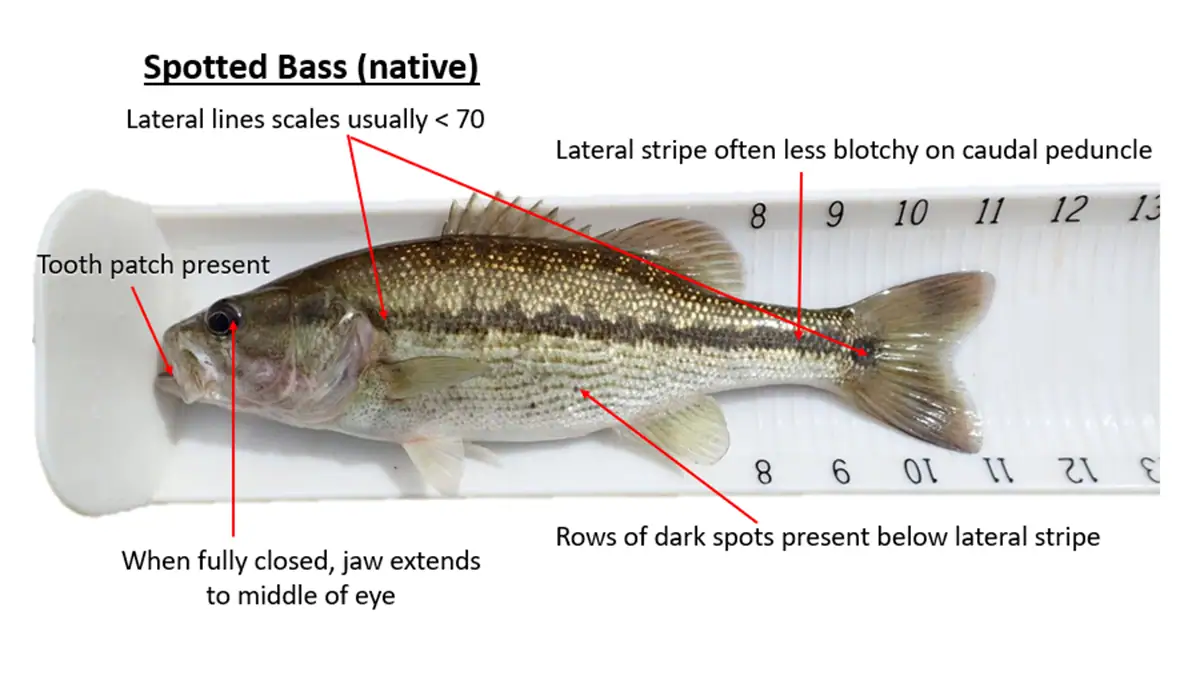
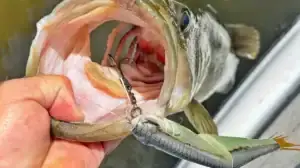
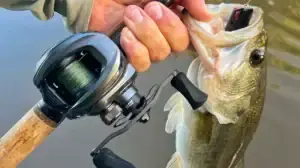
The fish are often difficult to distinguish from native Kentucky spotted bass because of their similar coloration and body shape. According to KDFWR officials, genetic analysis remains the most reliable method for identification. Some visual differences between Alabama bass and other black bass species can include smaller jaw structure, darker body coloring and distinct lateral band markings. Alabama bass also tend to remain smaller than largemouth bass outside their native range, despite their aggressive feeding behavior and ability to thrive in reservoirs.
Why Alabama Bass Are Dangerous to Kentucky Fisheries
The greatest concern among fisheries managers is not simply competition for food or habitat but hybridization with native fish populations. Alabama bass readily interbreed with native spotted bass and smallmouth bass, creating hybrid fish that can eventually overwhelm native genetics and permanently alter fisheries over time.
Kentucky is especially protective of its smallmouth bass fisheries because the state is home to renowned waters such as Lake Cumberland and Dale Hollow Lake, the latter historically associated with the world-record smallmouth bass. Biologists warn that if Alabama bass spread into those fisheries, the impacts could be severe and potentially permanent.
“For many years Alabama bass were considered a subspecies of spotted bass and many anglers still refer to Alabama bass as ‘spots,’” said Dave Dreves, director of the KDFWR Fisheries Division. “Unfortunately, Alabama bass are very different from our native Kentucky spotted bass, so it’s critical that these fish are not moved to new waterbodies.”
Research from other southeastern states has shown Alabama bass can rapidly dominate reservoirs after introduction. In several lakes, they have significantly reduced populations of largemouth bass through competition while also hybridizing with native bass species. Fisheries managers say invasive Alabama bass populations often produce large numbers of smaller fish, changing the size structure and overall quality of popular sport fisheries.
Alabama Bass Becoming Invasive Across the Southeast
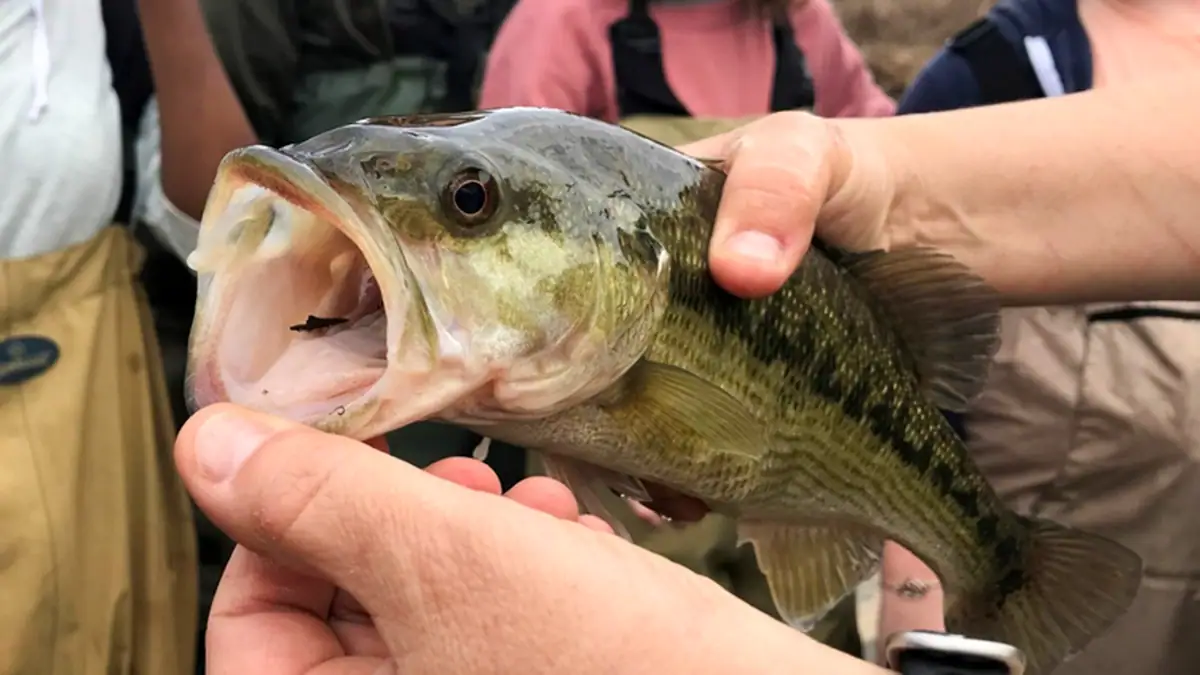
The Kentucky discovery isn’t a one-off event. Over the past two decades, Alabama bass have spread far beyond their native range, largely because of illegal or unauthorized fish stocking by anglers hoping to establish new sport fisheries. States including Tennessee, Georgia and North Carolina have documented major ecological changes following Alabama bass introductions.
In many southeastern reservoirs, native spotted bass populations have become heavily hybridized, smallmouth bass numbers have declined and largemouth bass fisheries have deteriorated after Alabama bass became established. Biologists say the species thrives in clear, rocky reservoirs and reproduces efficiently, allowing it to spread rapidly once introduced into new waters.
“Invasive species negatively impact the local environment and economy when introduced into new areas,” said Jeffrey Herod, KDFWR’s aquatic invasive species coordinator. “In the case of Alabama bass, there is sufficient information based on research from fisheries biologists from multiple states that anglers should anticipate negative impacts to aquatic habitat, and specifically declines in largemouth bass, smallmouth bass and spotted bass populations if Alabama bass become established.”
Kentucky Fish and Wildlife Expands Testing at Lake Linville
Kentucky fisheries biologists are continuing expanded sampling and genetic analysis in Lake Linville to determine how widespread Alabama bass may already be. The findings will help guide future management decisions for the lake and nearby waterways.
Officials are also urging anglers and boaters not to move fish or aquatic plants between lakes and reservoirs, which remains one of the primary ways invasive species spread. They expect public education will become a major component of the state’s response effort as fisheries managers attempt to prevent Alabama bass from reaching Kentucky’s premier sport fisheries.
For additional identification resources and information about Alabama bass, visit the KDFWR’s Frequently Asked Questions about Alabama Bass official website.