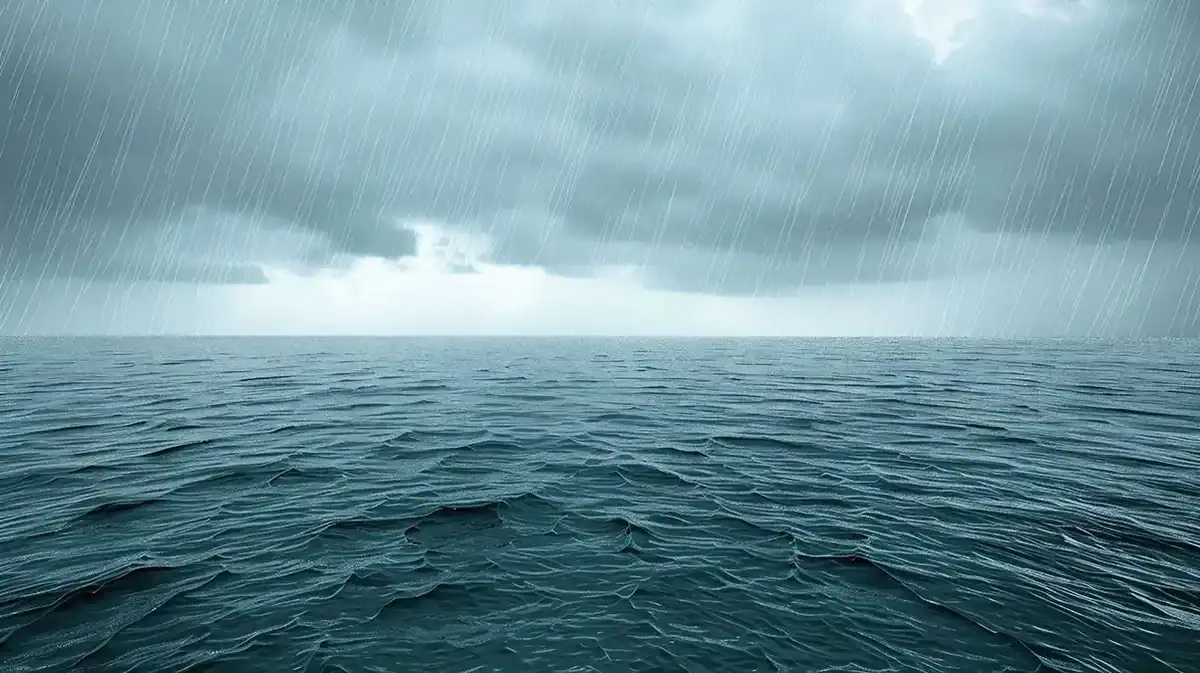
If you fish long enough, you start to realize something humbling: The bite is rarely about the bait. Most of the time, it’s actually about the conditions of the day. The best anglers I know aren’t just lure junkies: They’re students of the environment. They pay attention to tides, current, moon phases, barometric pressure, water temperature, wind, light penetration, and seasonal shifts. These environmental parameters dictate fish positioning, feeding windows, and movement patterns far more than the color of your crankbait ever will.
As fishermen, we don’t control the variables. We interpret them. Let’s break down the biggest factors that influence fish behavior and how understanding them can keep putting more fish in the boat. Understanding your environment will make for more consistently good days on the water and enable you to time your outings perfectly for success.
Tides: The Ultimate Metronome in Tidal Waters
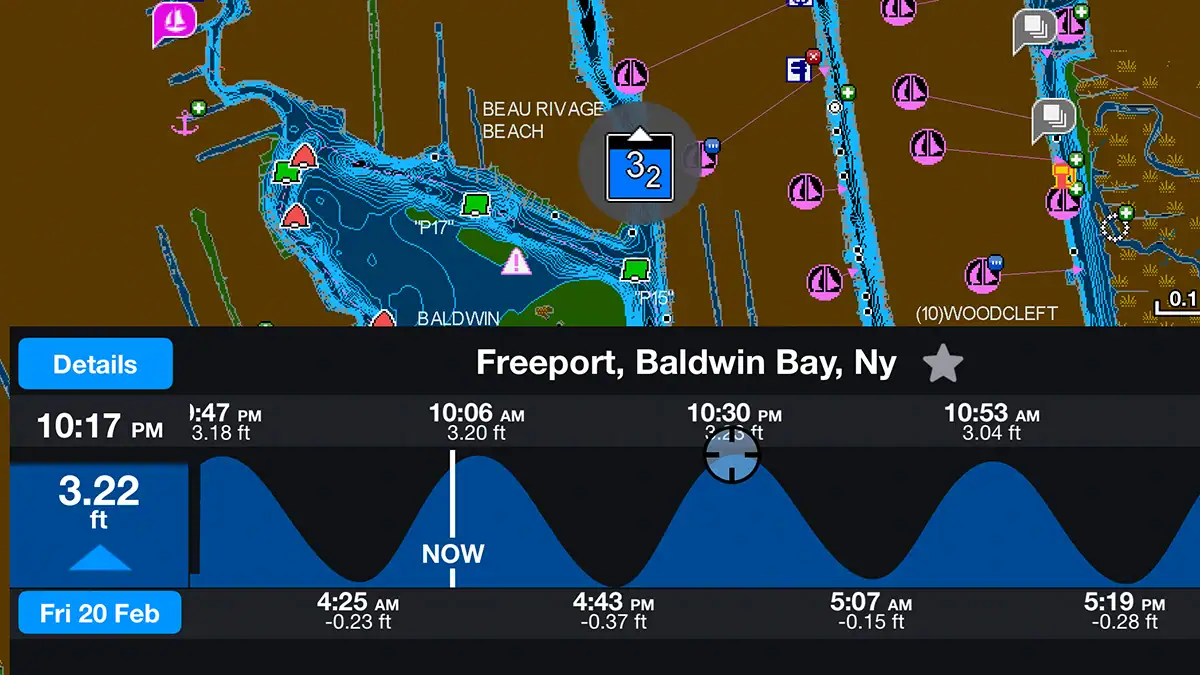
In tidal fisheries — whether you’re chasing striped bass, redfish, flounder, or even tidal largemouth — nothing matters more than tide movement.
Tides don’t just raise and lower water levels. They reposition bait, create current, and open or close access to feeding areas. A flat that’s dry at low tide becomes a buffet line at flood tide. A shoreline that holds no fish at slack tide may light up when water begins moving.
Fish position according to:
- Incoming tide – Fish push shallow, following bait into grass, marsh drains, and flooded cover.
- Outgoing tide – Fish stack near choke points, creek mouths, and ambush spots where bait is flushed out.
- Slack tide – Often the slowest period. Without water movement, many species reduce feeding activity.
The key isn’t just the tide stage: It’s moving water. Moving water triggers feeding instincts. If you fish tidal systems, plan your trips around current flow, not just convenience.
Ideally, the best parts of the tides to fish are the last or first pushes of each tide. What that means is the first and last hour and a half of the incoming and outgoing tides. There’s just enough water that moves the bait around before the current becomes too strong for your bait to hold bottom.
Current: The Conveyor Belt of Food
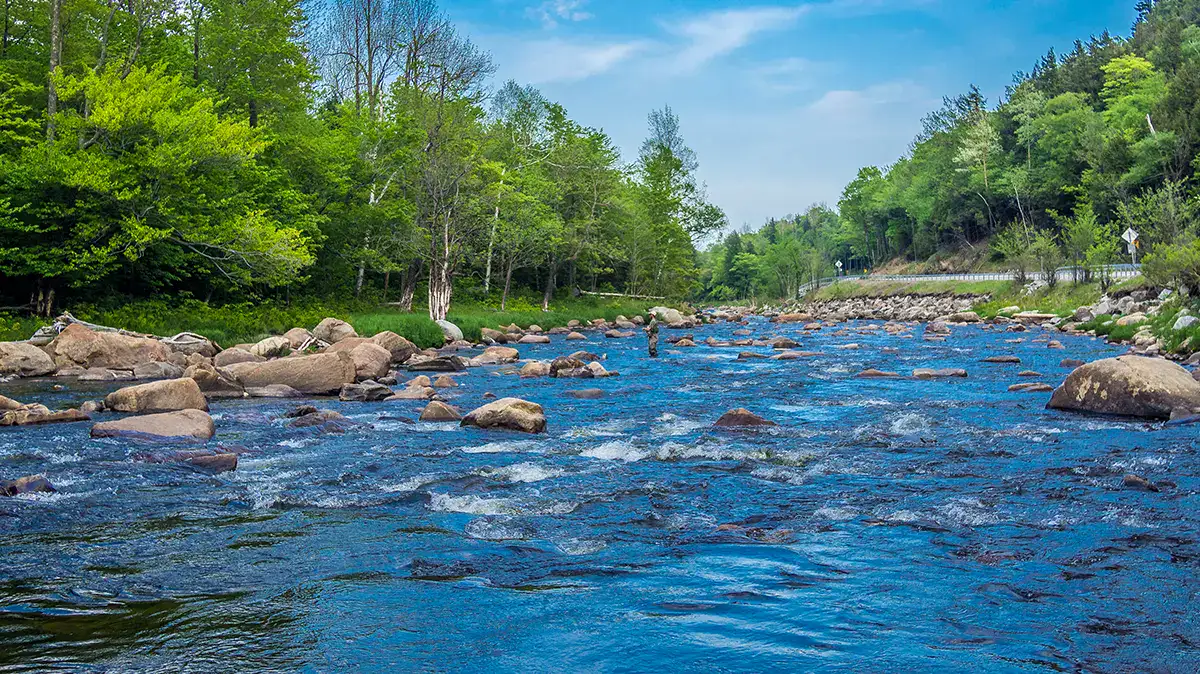
Even outside tidal systems, current plays a major role. Fish relate to current breaks in rivers, creeks, and even large lakes.
Current does three critical things:
- Oxygenates water
- Delivers food
- Positions fish predictably
Fish are energy-conservation machines. They want maximum feeding opportunities with minimal effort. That’s why they sit behind rocks, current seams, bridge pilings, grass edges, or ledges.
The strongest bite windows in rivers often happen when:
- Dam releases increase flow.
- Rain events create fresh current pushes.
- Wind-driven current stacks bait on structure in lakes.
No current? Expect scattered fish not willing to bite. Moving water? Expect predictable fish that will set up in predictable areas to get out of the current to ambush prey. If you ever get a chance to watch trout or other fish in a stream work current, do it. It will teach you how you should present your baits in a natural manner.
Moon Phases: More Than Just Myths
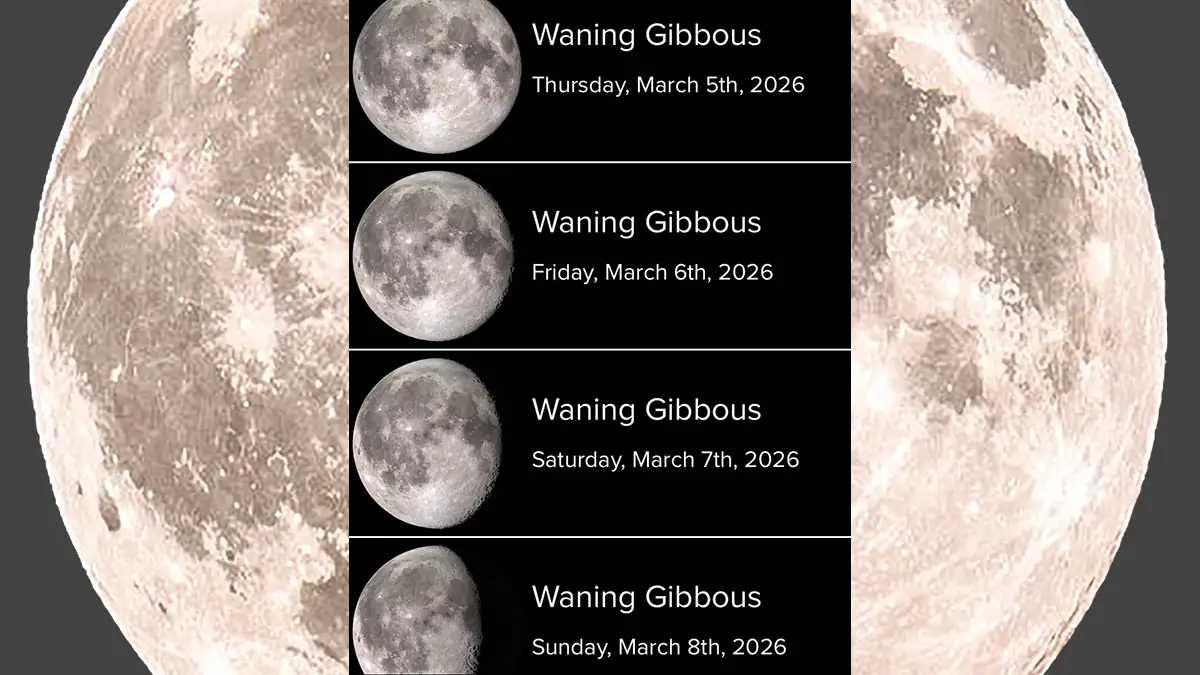
The effect of lunar phases is often debated, but any serious angler who logs trips long enough notices the patterns.
The two primary moon-related influences are:
- Gravitational pull (affects tides)
- Nighttime light levels
Full and new moons create stronger tidal swings, intensifying current in tidal systems. This alone can significantly improve feeding activity.
In freshwater systems, moon phases often influence:
- Spawning activity
- Night feeding behavior
- Major/minor feeding windows
During a full moon, nocturnal predators may feed heavily at night, resulting in slower daytime action. Conversely, dark moon phases can concentrate feeding during daylight hours.
Are moon phases everything? No. But ignoring them completely leaves a piece of the puzzle behind in revealing the full story behind why certain days are better for fishing than others.
Barometric Pressure: The Fish Mood Indicator
Few environmental factors are as noticeable as barometric pressure.
The general rules most fishermen observe are:
- Falling pressure (pre-front) – Aggressive feeding
- Stable pressure – Consistent patterns
- High, rising pressure (post-front bluebird skies) – Tough bite
Before a storm, fish sense the pressure drop. They often feed aggressively, anticipating changing conditions. After a front passes and skies clear, fish frequently become lethargic and bury tight to cover. Why?
While fish don’t “feel” pressure the way we do, rapid changes affect their swim bladder and comfort level. Sudden high pressure can make them less willing to move vertically and more prone to hugging bottom structure.
This is why your best days often happen just before the weather turns ugly — not after.
The Seasonal Driver of Water Temperature
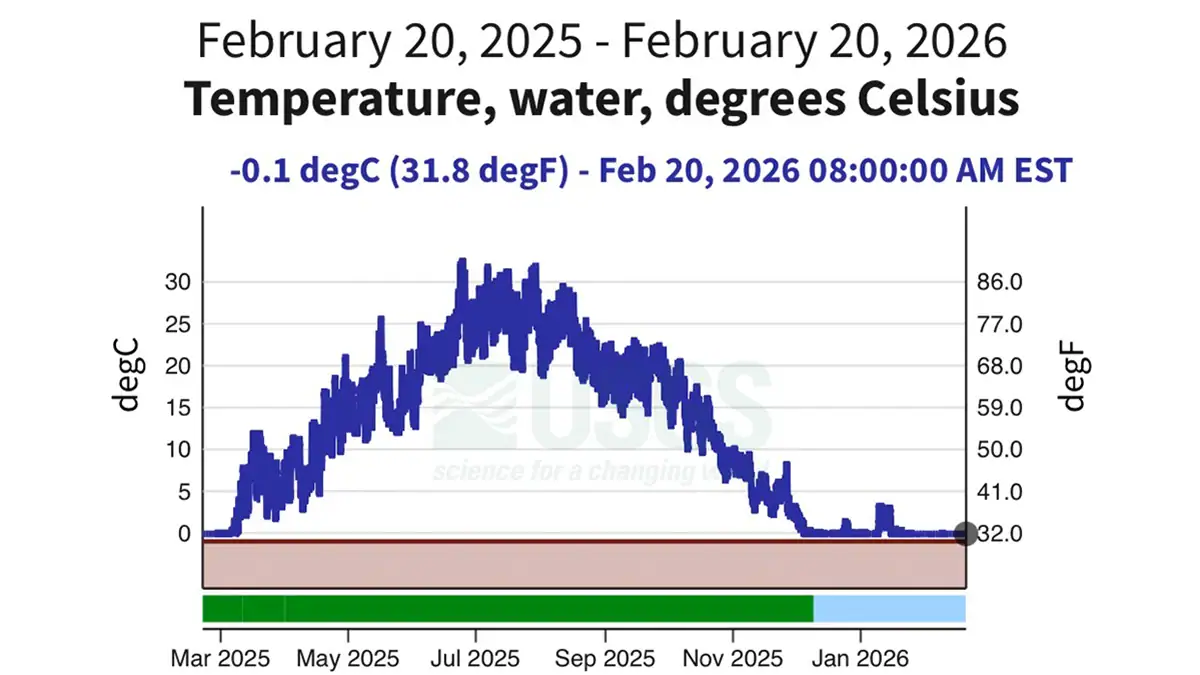
Water temperature is arguably the master seasonal variable in all types of fishing. Water temperature drives everything. Fish are cold-blooded creatures and their metabolism is dictated by water temperature.
This affects:
- Feeding frequency
- Digestion speed
- Depth preference
- Migration timing
- Spawning behavior
In spring, warming trends pull fish shallow. Then summer’s excessive heat pushes them deep, into shade or into current. In fall, cooling water triggers feeding binges as fish prepare for winter. When winter arrives and metabolisms slows, the fish conserve energy.
Even subtle changes matter. A two-degree temperature swing in early spring can reposition bass overnight. A warm rain in late winter can ignite river fisheries. Serious anglers monitor surface temps, depth temps, and warming/cooling trends — not just the calendar. Temperature drives 95% of all fish movement and is something that you should always pay attention to.
Wind: The Underestimated Fish Mover
Wind is one of the most powerful and underappreciated environmental drivers. That’s because it:
- Creates surface chop (reduces light penetration)
- Pushes and moves forage
- Creates wind-driven current
- Oxygenates shallow water
In lakes and reservoirs, windblown banks often concentrate bait. Predator fish follow. That’s why the windy side of a lake frequently outperforms calm water.
Additionally, chop reduces visibility. Predators become more confident. Bass wary under high sun may suddenly roam and feed when wind disrupts the surface. No wind can mean finesse fishing, really trying to coax fish into biting. Wind often means power fishing and throwing moving baits around for actively feeding fish.
Light Penetration and Cloud Cover
All fish are light-sensitive predators. Light levels influence depth positioning and feeding behavior of all fish species. Here are some things to consider with sun and fish movement.
- Bright sun – Fish hold tighter to cover, deeper water, or shade.
- Cloud cover – Fish roam and suspend more freely.
- Low light (dawn/dusk) – Peak ambush windows.
Water clarity also interacts with light. Clear water fish behave differently than stained water fish under the same sky conditions.
Understanding how light affects your specific fishery is critical. The same bass that are shallow at 7 a.m. may reposition dramatically by noon. It’s always important to watch your local weather forecast to try and adapt to the changing light conditions during your day of fishing.
Dissolved Oxygen and Water Quality
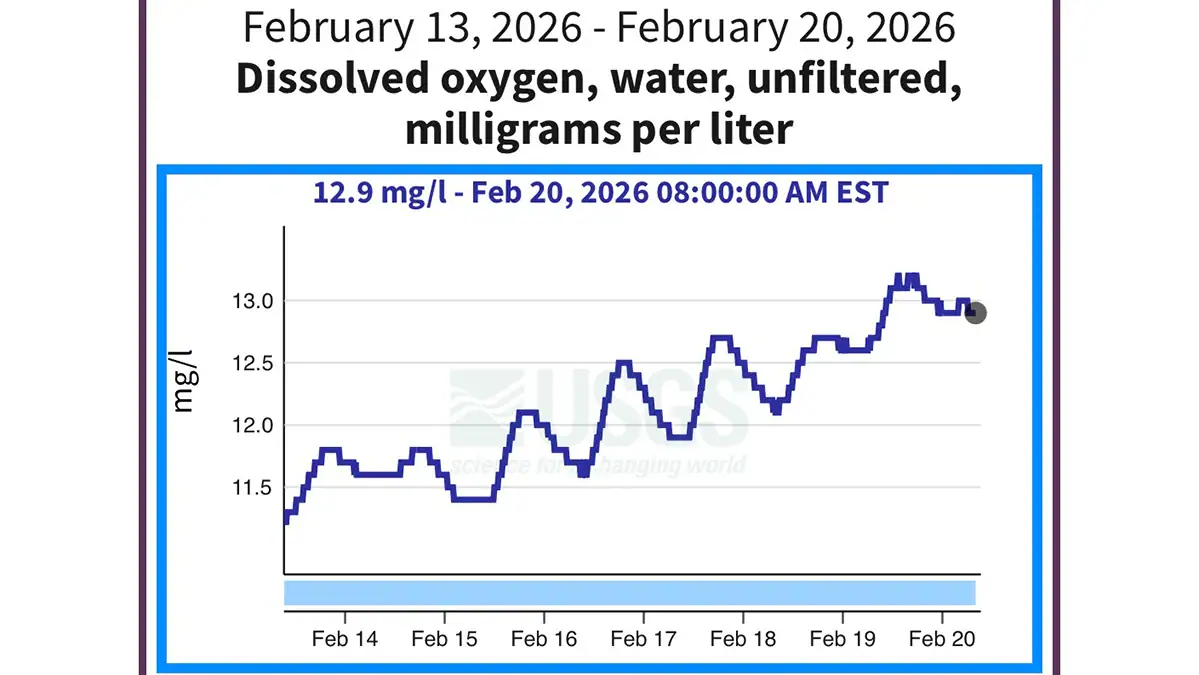
These are the variables most anglers typically don’t think of. But if examined accordingly, these can make or break days of fishing, especially during the summer’s heat.
Oxygen levels directly impact fish survival and movement. In summer, shallow stagnant water can become oxygen-depleted. In winter, under ice, oxygen crashes can reposition entire populations.
Fish gravitate toward:
- Moving water
- Windblown areas
- Vegetation (when actively photosynthesizing)
- Inflows and tributaries
These areas often hold the most oxygen. The United States Geological Service has various gauges set all across the country in both moving stagnant bodies of water. You can go on their website, type in your exact waterbody, and it will come up with different graphs to show you environmental parameters like dissolved oxygen, turbidity, and many others.
Seasonal Transitions: The Big Picture
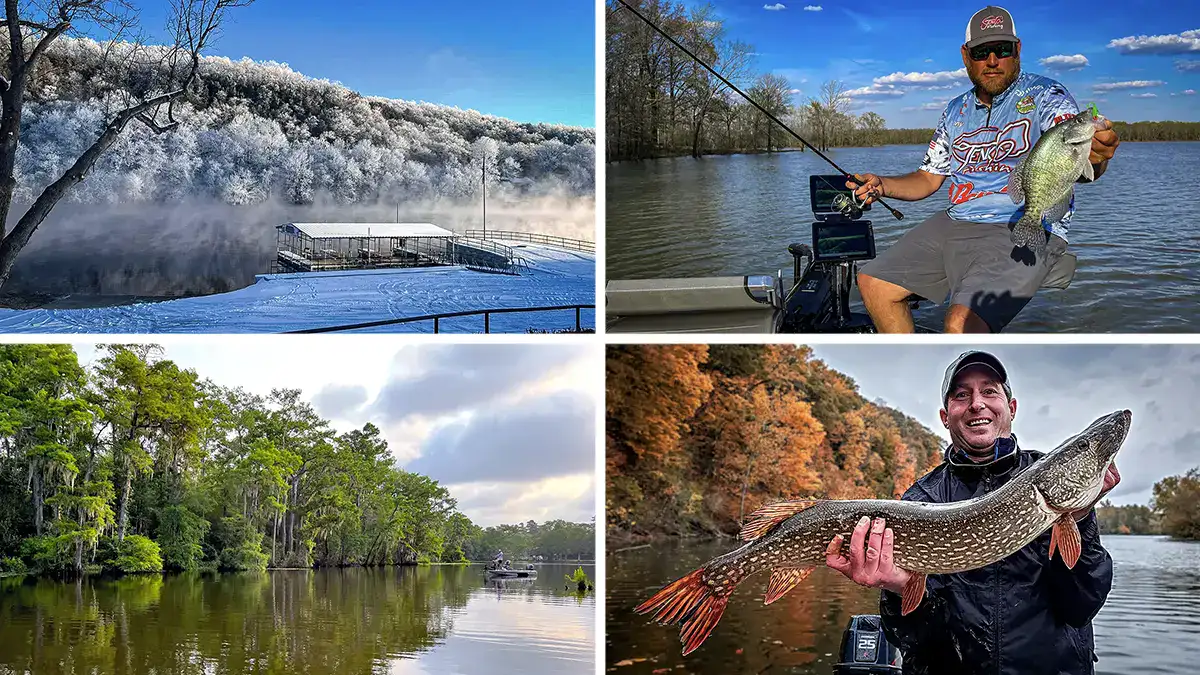
While individual variables matter daily, seasonal transitions are the broader framework for all fisheries.
Fish move according to:
- Spawning cycles
- Forage migration
- Temperature bands
- Habitat availability
Pre-spawn staging areas, summer offshore structure, fall feeding flats, wintering holes — all are dictated by environmental parameters working together. The best anglers don’t randomly fish spots. They fish seasonal locations within current conditions. Always be willing to adapt to the conditions according to the seasons for your best success on the water.
Putting It All Together
No single environmental parameter works alone. All parts are constantly coinciding with one another to make fish constantly be on the move. When the stars align, you’re in for some great fishing.
Great fishing happens when multiple positive variables align:
- Moving water
- Stable or falling pressure
- Favorable temperature trends
- Optimal light conditions
Tough fishing happens when negative variables stack:
- High pressure bluebird skies
- Slack water
- Extreme temperature swings
- No wind
The difference between average fishermen and consistently successful ones isn’t luck. It’s interpreting what’s going on in your environment. Instead of asking “What lure should I throw?” ask things like:
- What is the water doing?
- What is the weather doing?
- Where should fish position based on these conditions?
Fish are slaves to their environment. Learn the environment, and you’ll learn the fish. And at the end of the day, we aren’t just casting lures — we’re trying to understand the habits of nature. And the better we read it, the more often we’ll be rewarded with bent rods and tight lines.