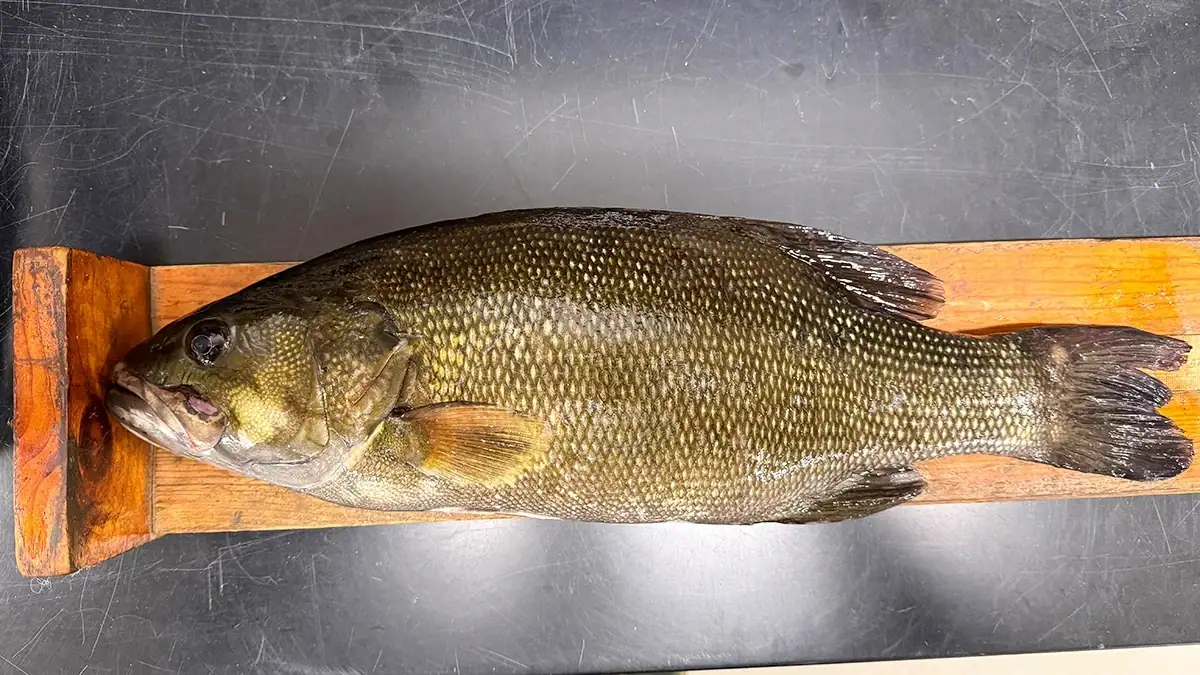
Earlier this spring, anglers caught a group of non-native bass resembling smallmouth in Georgia’s Lake Allatoona. Now experts are trying to figure out what’s going on in the 12,000-acre reservoir.
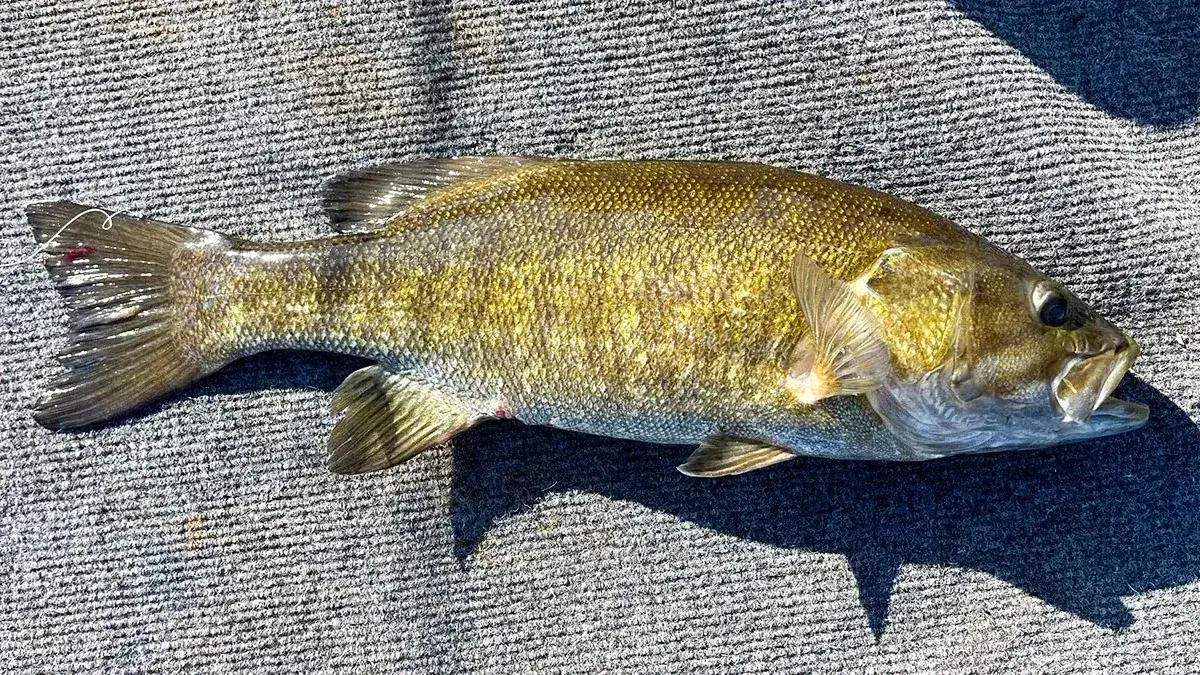
The investigation began after a fishing guide reported the catch of what appeared to be a smallmouth in the lake, which is home to native Alabama bass and largemouth, according to Chris Smith, a fisheries biologist with the Georgia Department of Natural Resources (DNR).
“At first, it was just one fish,” he said. “Then we started seeing a succession of smallmouth-looking fish posted online.”
The DNR has now reviewed seven photos of different fish — mostly posted on an online fishing forum for Lake Allatoona anglers, Smith said. All appear to be smallmouth or some type of smallmouth hybrid in the 18- to 20-inch range. But making a positive identification just from images can be difficult because of natural variations in coloration and body patterns, especially in an era of edited digital photos.
“We’re trained to identify fish based on physical characteristics, not just appearance,” said Smith.
That’s why it’s helpful that the DNR managed to obtain one of the fish for a sophisticated laboratory analysis. Biologists are now working with University of Georgia researchers to figure out its home waters.
The Science of Tracking Native Waters
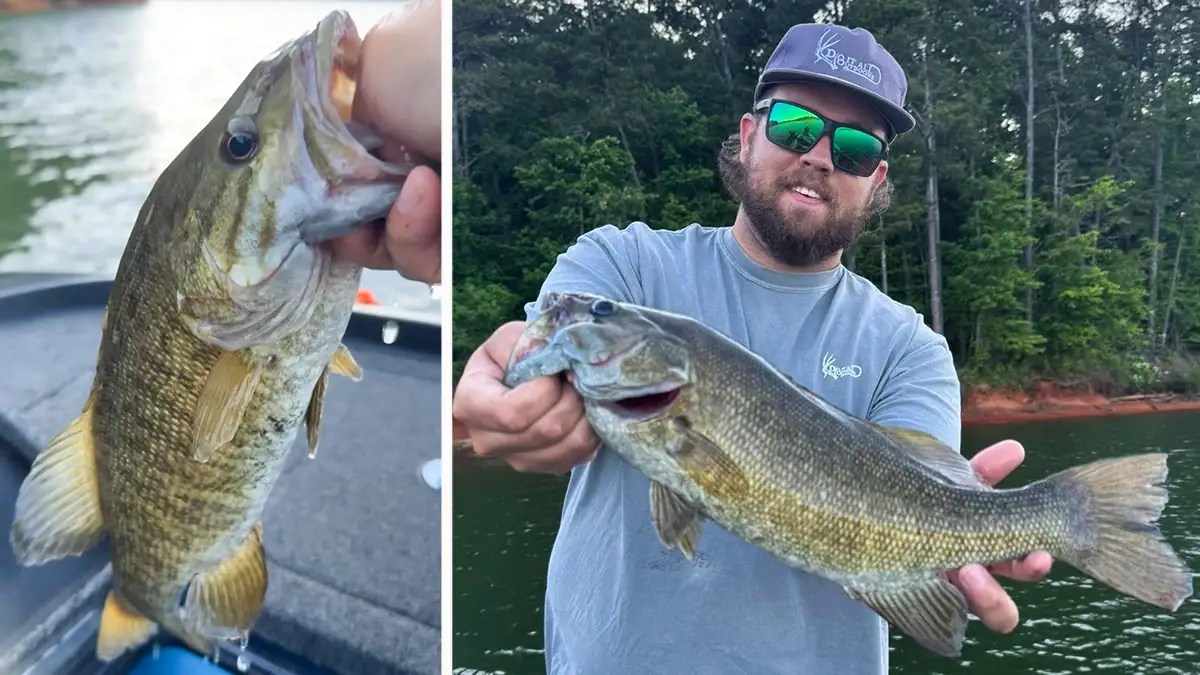
That specimen provided researchers with both genetic samples and otoliths — hard structures located inside a fish’s head that function similarly to ear bones. Otoliths are like tree rings forming growth layers throughout a fish’s life, and can preserve chemical signatures from the waters the fish inhabited.
“It’s a really neat science,” the biologist said. “You can run a laser from the core of the otolith to the outer edge and potentially determine where that fish has been over its lifetime.”
The process has become an increasingly valuable tool for fisheries researchers trying to reconstruct fish movements and will possibly provide clues as to how the fish ended up in Lake Allatoona. Scientists hope the process, combined with DNA analysis, will reveal whether the fish originated in nearby reservoirs in neighboring states such as Tennessee or Alabama. They are working with agencies in both states to collect comparative samples from reservoirs known to contain smallmouth populations.
“If we can get samples from nearby systems, we may be able to narrow down where these fish came from,” Smith said, adding that he’s reluctant to speculate on whether the fish arrived through illegal stocking, accidental transfer, or some other method.
“We don’t have enough information at this time,” the biologist cautioned. “Coming from a science background, I don’t want to throw theories out there without evidence.”
But the fact that all seven fish appear to be similar in size is important. That means the fish may have arrived relatively recently rather than representing a long-established reproducing population.
“We sample the lake every single year with electro-fishing surveys,” the biologist said. “And we haven’t documented them before.”
Longtime Angler Thought He Had a Spotted Bass
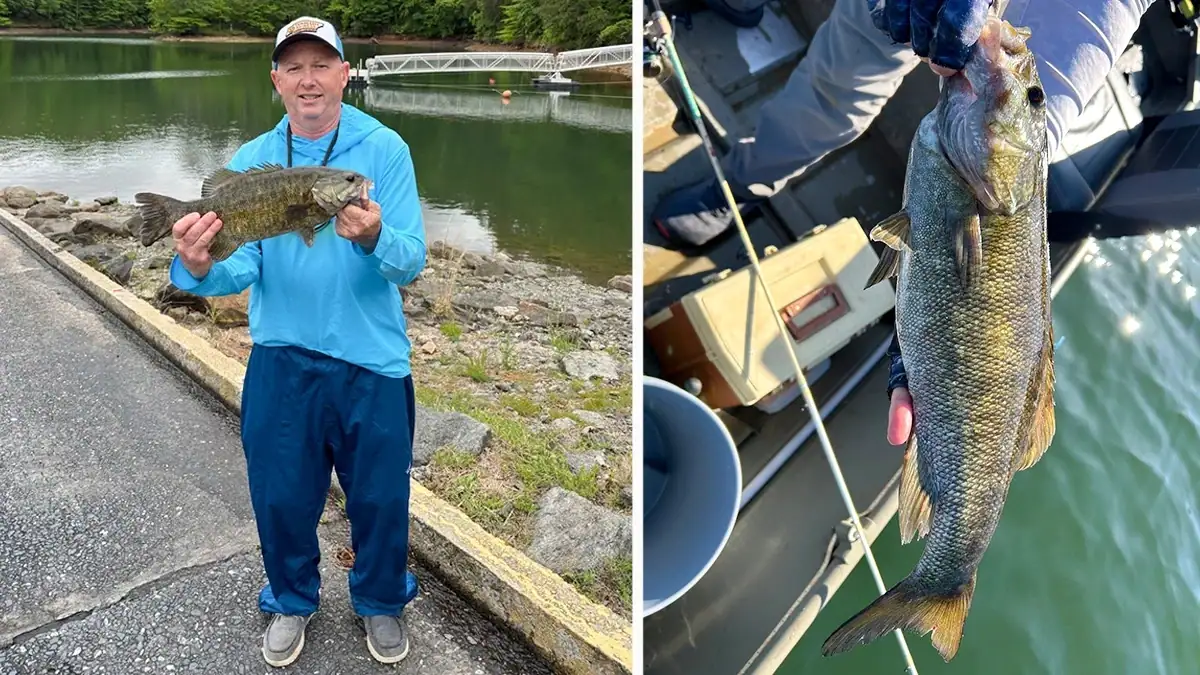
One of the mystery smallmouths was caught May 7 by Sandy Turner of Rome, Georgia, who was taking part in a local fire department tournament.
The 59-year-old Turner was in roughly 25 feet of water working a green-pumpkin Ned rig along a steep rocky bluff on the north end of the lake when his rod doubled over. He expected a hefty spotted bass on the other end.
“I thought I had a monster ‘spot’ on,” said Turner. “Then we get it up there (to the boat) and it’s brown, and I’m like, ‘What the heck?’”
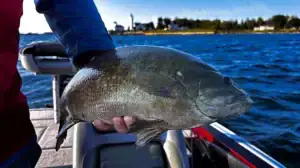
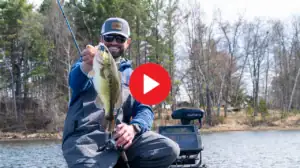
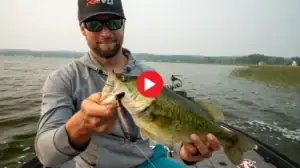
The fish appeared to be a 3.5-pound smallmouth or possibly one of the mysterious hybrids local anglers had been discussing online recently.
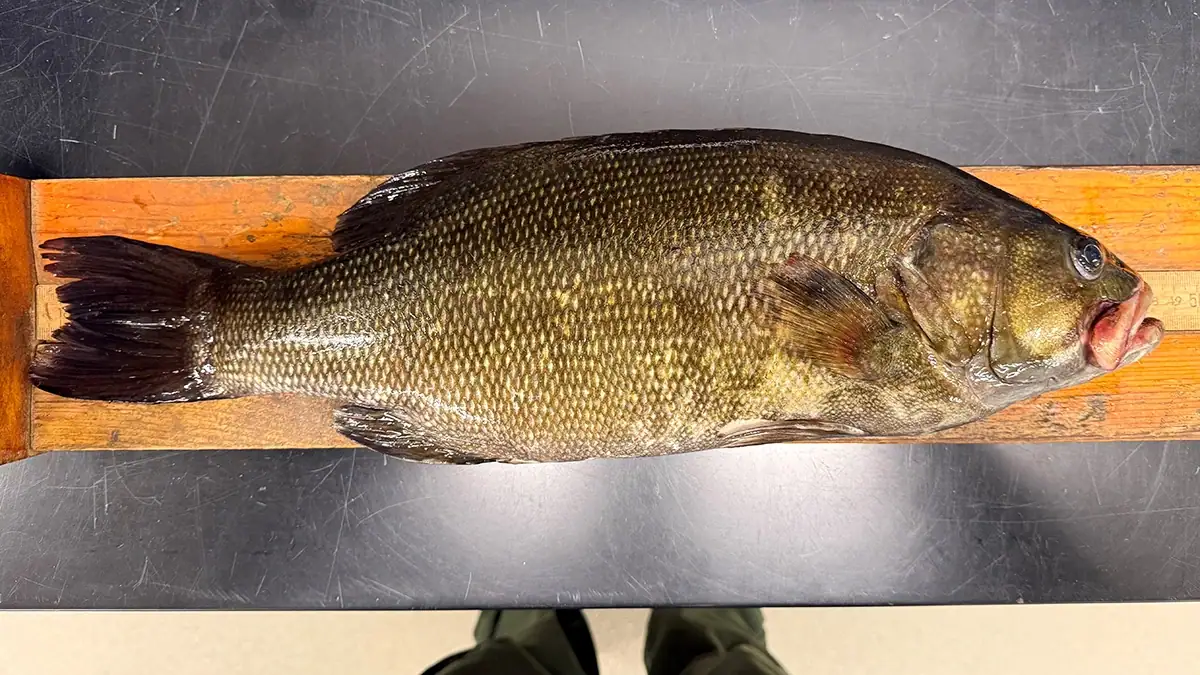
“I had been seeing the posts on Facebook around here about people catching them, and I thought they were crazy,” Turner said. “I thought people were just messing with somebody.”
Back at the tournament weigh-in, the unusual catch quickly was a topic of conversation among the anglers. For Turner, who has fished since childhood and spends plenty of time on Lake Allatoona, the catch remains one of his strangest fishing experiences.
“Oh yeah,” he said. “Big surprise.”
Smallmouth bass are not native to the Coosa-Mobile Basin, which includes the Etowah River and Lake Allatoona. While smallmouth are native to Georgia’s Tennessee River drainage in the northern part of the state, they are not historically found in the Coosa system. The introduction of non-native fish can have negative ecological consequences on native fish populations and food webs.
Reminders from the DNR
Lake Allatoona is located roughly 30 miles north of Atlanta; the reservoir is in northwestern Georgia. It has 270 miles of shoreline and is a popular destination for boating, fishing, camping, and swimming.
A recent online post from the Georgia DNR said the agency is also working with the U.S. Army Corps of Engineers (USACE) on the introduction of smallmouth in the lake. The USACE owns and operates the reservoir, which is created by the Allatoona Dam on the Etowah River.
The notice reminds anglers:
- If you catch a smallmouth on Lake Allatoona, don’t release it
- If you suspect illegal fish stocking or fish transfer, report it
- For questions or to report a smallmouth bass on the lake, call (706) 295-6103.
You can find out more at the Georgia DNR website, gadnr.org.