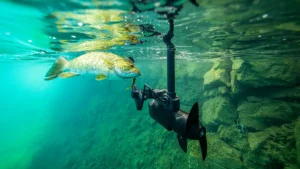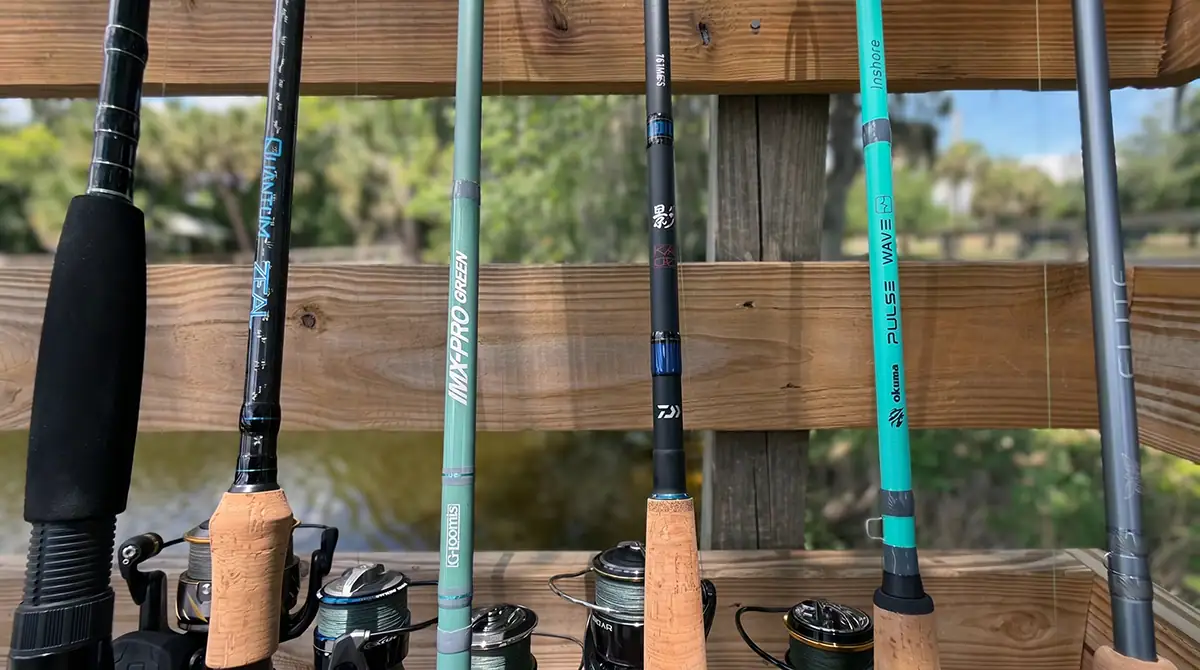
On a recent trip to fish the salt, I had an unexpected encounter. A dolphin bit down on the seatrout I was battling and the mammal took me on an absolute ride. It was an unfortunate case of depredation, but it did show exactly how strong saltwater rods are these days. Flipper grabbed my fish with such precision that it didn’t hook itself. But for the next few minutes, I watched in amazement as I battled a porpoise on a rod meant to toss soft plastics. What better way to test the strength of a rod than battle an adversary that fights harder than any saltwater fish.
If you are still judging saltwater gear by those heavy fiberglass sticks of the past, it is long past time to take another look. Thanks to advancements in carbon-fiber and nano-resin technology, modern saltwater sticks have achieved a balance of weight, strength, and sensitivity. By reinforcing high-modulus graphite blanks with nano-sized particles, builders can now deliver highly sensitive rods that let you feel subtle bottom contacts, yet possess enough structural backbone to withstand intense drag pressures and sudden runs.
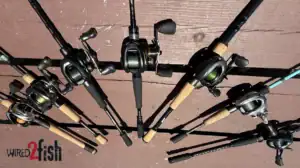
I’ve had the opportunity (or another Wired2fish editor) to fish all the rods covered in this guide. There are too many rod makers to cover every offering out there, so we included just over 10 options, including fly and casting rods. Most of the rods highlighted below are spinning gear. Wired2fish only felt comfortable including the rods that tested well during our fishing trips. If you want to look over a mix of spinning rods in general, take a look at our Best Spinning Rods Buyers Guide for 2026. Now, let’s dig into what’s available for anglers fishing in the salt.
Top Rods for 2026
Below, we covered a full mix of saltwater fishing rods available on the market in 2026. You’ll notice I spotlighted how or where these different rods really shine. I tested all these rods on the water during the first half of the year.
- My Personal Pick — Okuma Pulse Wave Inshore — Buy Now
- Best Saltwater Casting Rod — Fenwick Elite — Buy Now
- Best Saltwater Spinning Rod — Quantum Zeal Spinning Rod — Buy Now
- Best Travel Rod — St. Croix Avid — Buy Now
- Best Inshore Rod — Daiwa Kage Inshore — Buy Now
- Best Heavy Duty Rod — St. Croix Rogue-V Boat — Buy Now
- Best Saltwater Jigging Rod — PENN Squadron IV— Buy Now
- Best Redfish Rod — G. Loomis IMX-PRO Green — Buy Now
- Best Saltwater Fly Rod — St. Croix Legend Elite Saltwater — Buy Now
- Best Surf Rod — PENN Carnage III — Buy Now
- Best Budget Rod — H20X Factor — Buy Now
My Personal Pick
Okuma Pulse Wave Inshore
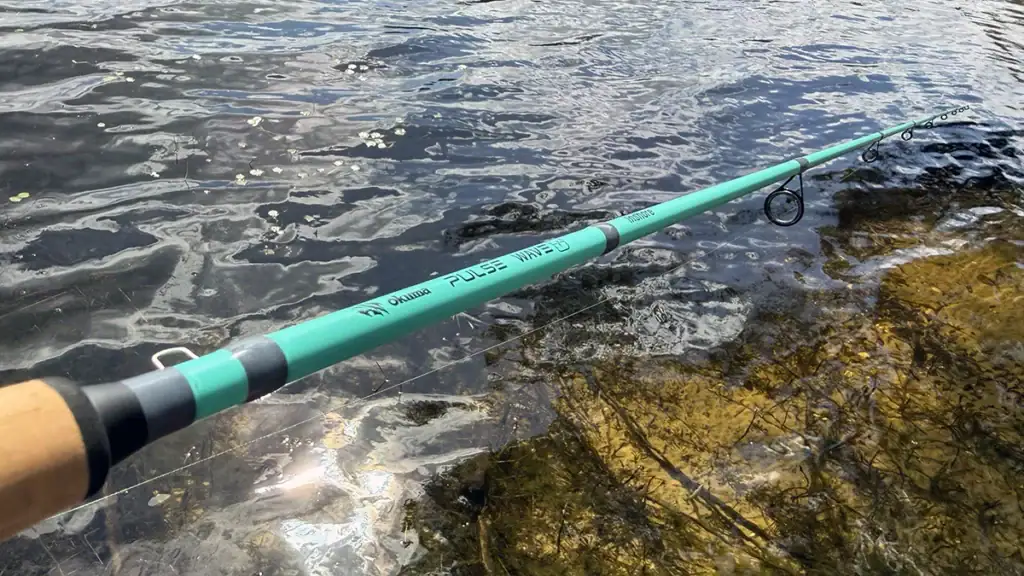
Okuma rods, which I have used offshore jigging, trolling, and even shark fishing, make inshore spinning rods, too. And they shook up the inshore saltwater arena with the Pulse Wave Inshore rod. They are the rare company trying to make affordable rods still packed with features and components. And it shows when I’m fishing with it.
The Pulse Wave Inshore rod has a 24-ton carbon blank, Fuji DPSM-17 reel seat, corrosion-resistant SeaGuide frames with Zirconium inserts, and full cork fore and rear grips. But it still falls into that affordable price range, even during these times of uncertain tariffs. It really punches above its weight class.
Available in two distinct color options — bluish or pink — this new spinning rod has been what I use when sight fishing the shallow flats in the Indian River Lagoon. The targets are mostly red drum, but also seatrout, black drum, and snook. What I need in these fishing conditions is a rod I can cast lightweight, weedless soft plastics a fair distance. And this rod absolutely whips those flukes and artificial shrimp a noticeable distance.
Best Saltwater Casting Rod
Fenwick Elite
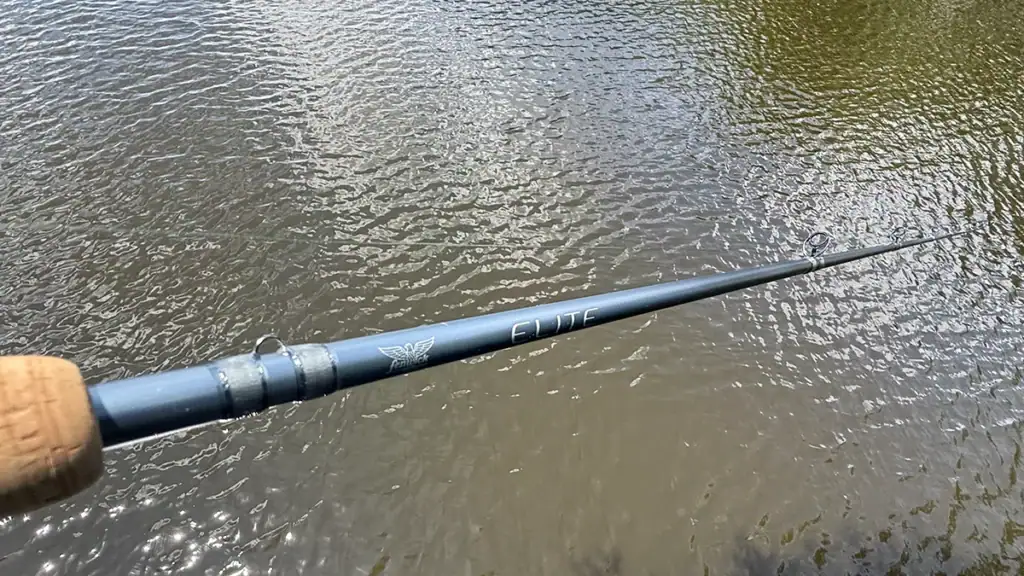
The Fenwick Elite Inshore casting rod is the brother of the Elite baitcasting rod well-known in freshwater circles. The Elite Inshore caters to coastal anglers, engineered specifically to handle the salt. I’ve used the Elite Inshore rod with a couple different baitcasters, including those from Shimano, PENN, and Lew’s. It’s performed well for casting crankbaits, soft plastics, and even topwaters. All the hardware is saltwater tough, including tangle-free Fuji K-Guides with Alconite inserts, Sea-Guide graphite reel seat, and AAA-grade cork handles.
I’ve used baitcasters with braid or fluorocarbon spooled, and each different line flows smoothly through the guides. That means I’m getting great casting distance, and I don’t claim to be some long-distance caster. The rod’s built with premium 30-ton graphite and Carbon Core construction (an inner spiral carbon wrap layered with outer rolled carbon). This unique blank is great at fighting reds, although I wouldn’t recommend boat flipping them. But I have fun casting lures with the Elite rod, and pulling tight to reds and trout brings out the Bayou angler in me.
Best Saltwater Spinning Rod
Quantum Zeal Spinning Rod
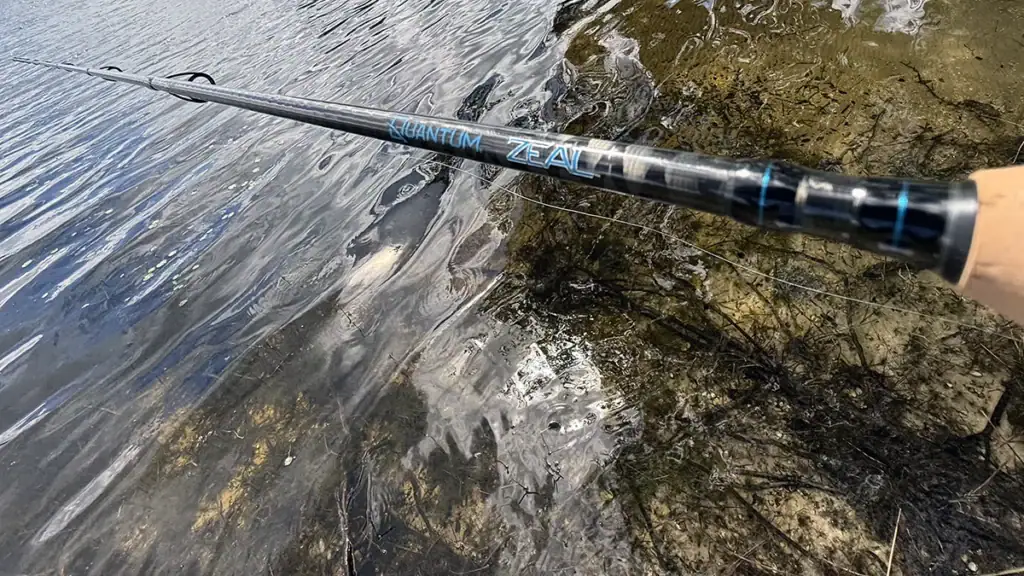
The Quantum Zeal spinning rod, which is part of Quantum’s renewed push into saltwater fishing, is a relatively recent entry into the saltwater market. Quantum was idle for years beforehand until a new team really turned things around. Lew’s, which is owned by the same company — Rather Outdoors — is completely dialed into the freshwater and bass anglers. Meanwhile, Quantum went all in with saltwater.
The Zeal is an affordable rod with plenty of quality components like carbon-fiber blanks, stainless steel guides, and Zirconia inserts, and a reel seat with double-locking nut. I’ve been fishing with a model that has a cork handle, pairing it with a Quantum Cabo reel, to catch mostly speckled seatrout on popping cork rigs. I use it on my kayak a bunch because it’s tough, and I tend to beat up my setups a bit in the yak. The biggest fish I’ve landed on this rod so far (with 10-pound-test braid) was a giant jack crevalle, but I’ve caught plenty of reds, too. It’s that diverse rod that you can use for most styles of light-tackle saltwater fishing.
Best Travel Rod
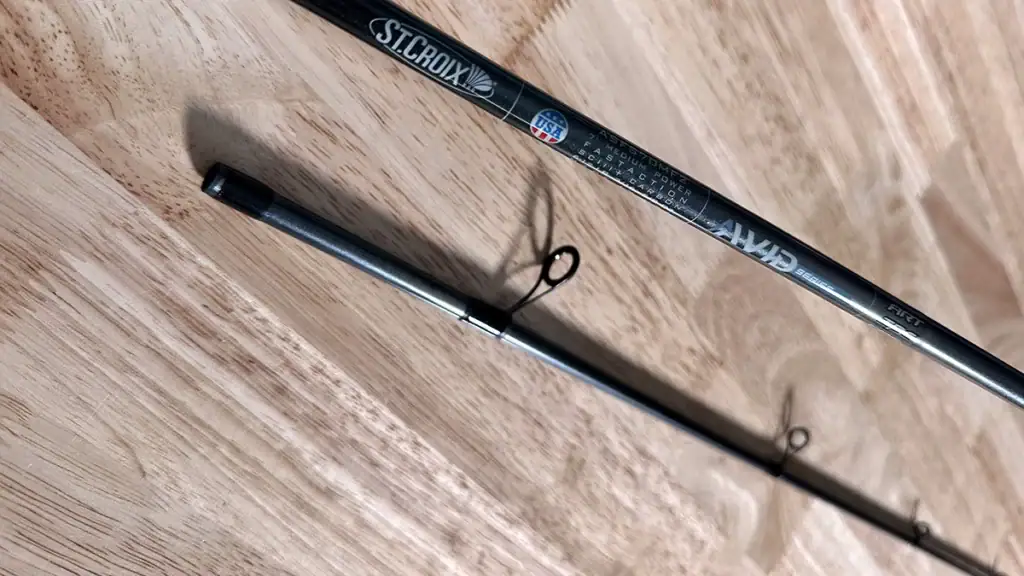
St. Croix Avid
The St. Croix Avid I’ve been using is a two-piece spinning rod available in a catch-all size: medium-heavy power, fast action, rated for 8- to 14-pound lines and ⅜- to ¾-ounce lures. In particular, the travel rod is called the Avid Trek from St. Croix. But the company has a bunch of different models under the Avid name, so pick and choose what’s best for you.
The Avid series is classified as a freshwater stick, but it’s perfect for that freshwater angler who heads to the salt on vacations or fishing trips once or twice a year. Built in Park Falls, Wisconsin, the Avid rod has a SCIII+ carbon fiber blank, plus proprietary IPC, ART, TET, and FRS technologies for sensitivity, smoother action, and massive hoop strength without added weight.
This travel-friendly rod is equipped with durable stainless steel guides featuring aluminum-oxide rings, a comfortable full premium-grade cork handle with composite accents, and an ergonomic nylon reel seat. This is the rod to use when you head south to fish for bonefish, snook, and reds — species that don’t necessarily grow massive, but fight plenty hard. — Nick Dumke
Best Inshore Rod
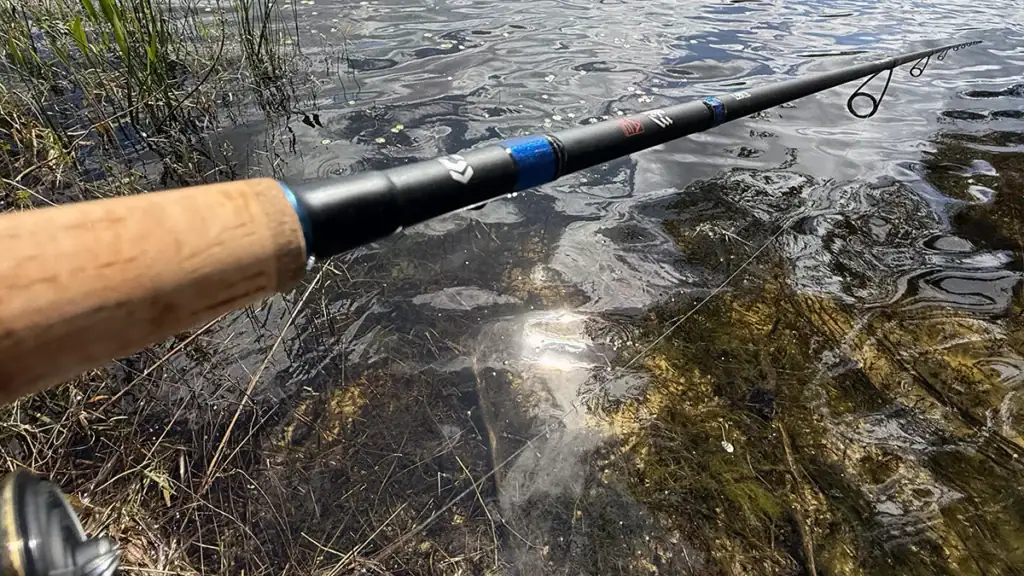
Daiwa Kage Inshore
This is one of those rods I’m using when I really need a lightweight, sensitive setup for inshore fishing.Built on a high-modulus carbon blank with Daiwa’s X45 construction, the Kage Inshore eliminates rod blank twist for improved casting accuracy. So far, I’ve used this rod mostly for river and creek fishing. In the colder months, inshore species head to deeper holes in creeks and rivers that serve as a thermal refuge.
I really have to work baits and lures very slowly along the bottom to get strikes — and those strikes can be very subtle. There’s probably not a better way to test a rod’s backbone than to pull a red drum from deeper water. I know this rod could work equally for popping corks, paddle tails, or saltwater Ned rigs. I’ve fished only with the 7-footer so far, but Daiwa does offer the Kage as long as eight feet. The rod comes with custom cork grips and minimalist black aesthetic.
Best Heavy Duty Rod
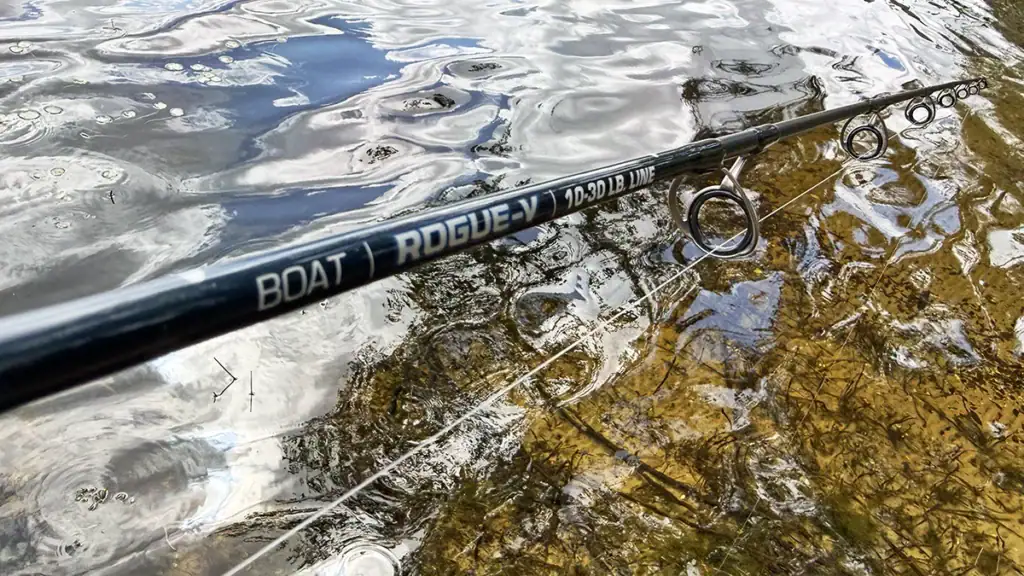
St. Croix Rogue-V Boat
The EVA foam really sticks out with the St. Croix Rogue-V Boat rod. It takes up a decent portion of the butt of the rod. But I really appreciated that oversize handle when fighting some of the larger-body fish species. We’re talking about popular saltwater species such as snappers, groupers, and jacks.
Most boat rods are either heavy fiberglass (durable, but minimal feel) or high-modulus carbon (fragile, but sensitive). The Rogue-V uses a proprietary matrix composite of woven e-glass and SCII carbon. St. Croix came out strong, releasing 39 new conventional and spinning ROGUE V rods. Ten of the SKUs are spin-gear boat rods, but there are also options for jigging and slow pitch. So far, I’ve only used a rod that handles 10- to 30-pound lines. But it’s a setup I keep in the boat whether I’m targeting tarpon, kingfish, or cobia — truly anything that might be swimming around in the nearshore green waters.
Best Saltwater Jigging Rod
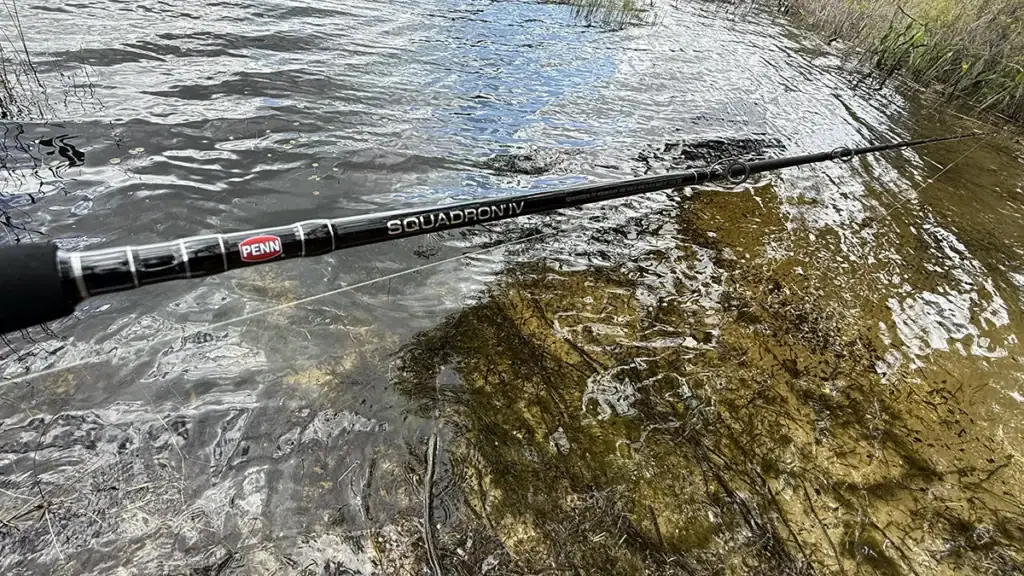
PENN Squadron IV
Jig fishing might be the hottest, most fun style of saltwater fishing these days. It’s active fishing. It allows you to target multiple species. And you can really jig all different types of baits and lures. A rod that handles just about all types of jigging is the PENN Squadron IV jigging rod. And I’ve been having a blast using it.
It’s not too heavy of a stick, I’ve been using the medium-heavy with 20-pound braid to fish for just about anything that will hit a jig, an iron, bucktail — the list goes on. But what’s so killer about the Squadron IV is that its castability also allows anglers to cast or jig. I wouldn’t say this is a specialized setup; some custom slow pitch jigs, for example, have very exact lightweight specifications, and this isn’t that type of setup.
But I can cast a metal to busting baitfish or work lures like bucktails deep equally well. And that’s the type of angler I am, always choosing fast action when the situation allows it. This affordable rod includes a 24-ton carbon fiber blank, PENN Dura-Guides, and one-piece stainless steel guides for braided lines.
Best Redfish Rod
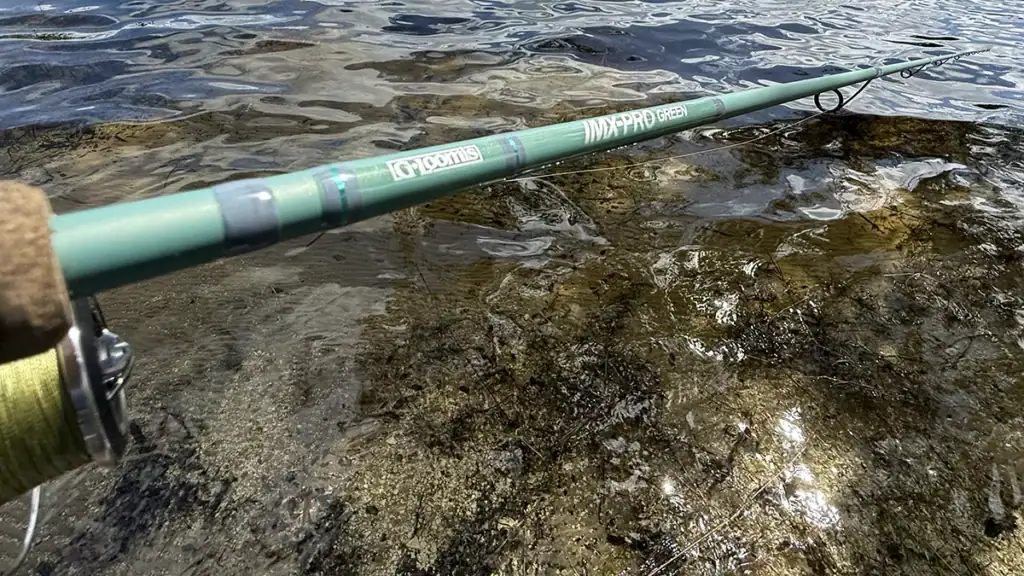
G. Loomis IMX-PRO Green
The G. Loomis IMX-PRO Green is an absolutely killer red drum rod for spin applications. This inshore rod is overbuilt, hence why I believe it excels for all-purpose redfishing. That means fishing the creeks and oysters with plugs, casting weedless soft plastics in the shallows, or even fishing deeper water at bridges, jetties, and beaches. Those are the main types of redfishing I do in my area of the East Coast.
Built with TaperTec and Multi-Taper technology, these rods are engineered to be lightweight yet strong enough to handle heavy cover like boat docks or mangroves and aggressive hooksets without the “fragility” often associated with high-modulus graphite. When I’m throwing a heavy swimbait, this is the rod I always pick up to use. I even feel comfortable dock-skipping jerkbaits or walking topwater baits, too.
Best Saltwater Fly Rod
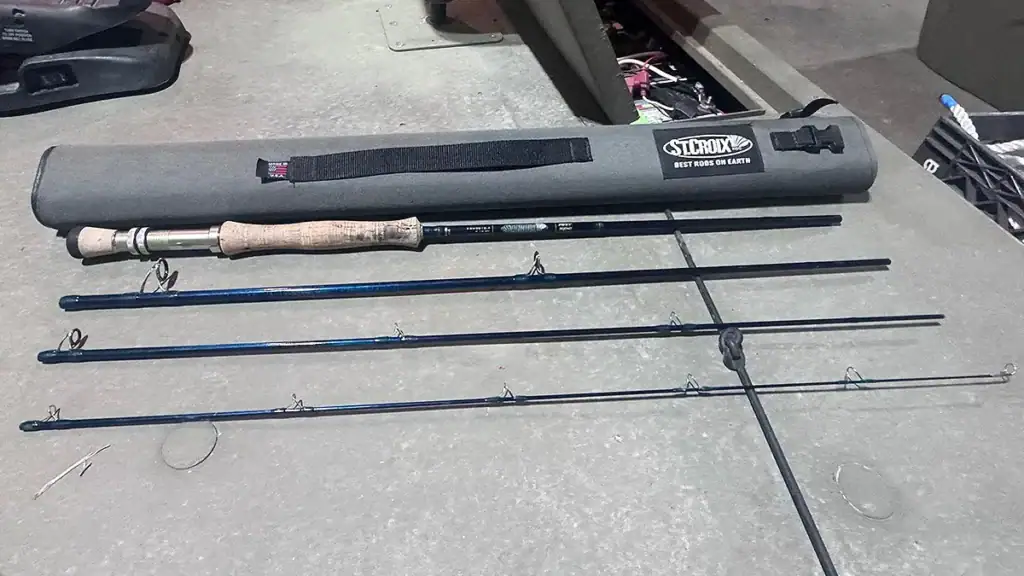
St. Croix Legend Elite Saltwater
St. Croix’s Legend Elite Saltwater series of fly rods gives anglers a serious rod at an excellent value. I tested one of their legacy 10 weights to battle with striped bass, bluefish, and the occasional bonito or false albacore that ventured near shore for almost 10 years now. That rod has been ridden hard and put away wet, and still keeps casting and catching just fine.
The Legend Elite casts fine with a true weight line, but seems to benefit a bit from the “half size” lines that are popular now. I found it cooperates particularly well with Rio’s Outbound Short lines, but the rod has the horsepower to throw — and pull up — heavy full-sink lines. Beyond casting, the rod is a good fighting tool; I tamed stripers to just under 40 pounds and plenty of thunnus. And at $650 for an American-made premium rod, this is a real bargain. — Joe Albanese
Best Surf Rod
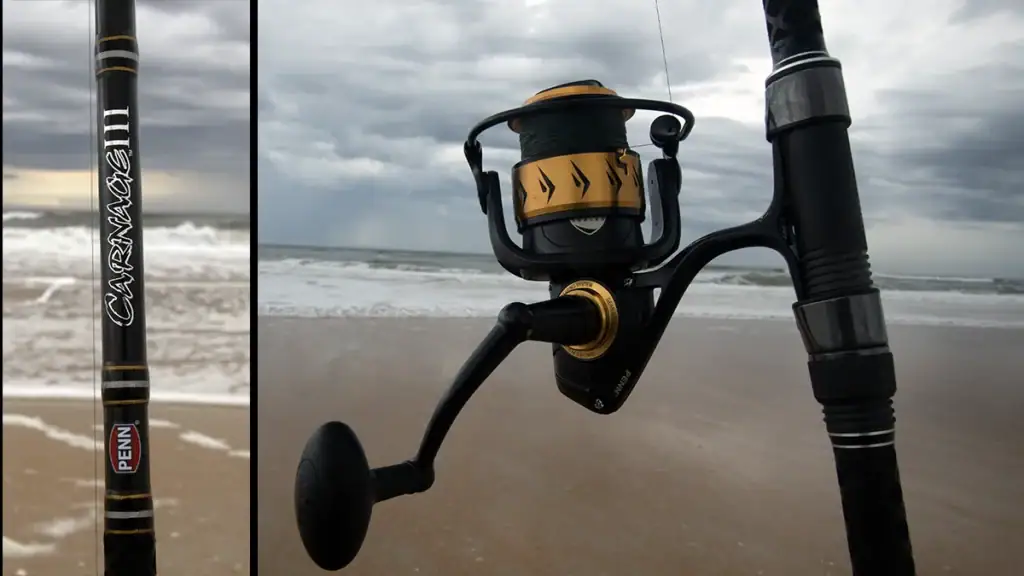
PENN Carnage III
If you need a surf rod that can handle the abuse of heavy casting and big weights without feeling cumbersome, the PENN Carnage III is built for exactly that. I’ve been using the surf stick to cast baits like shrimp, sand fleas, or even Gulp! baits for species such as whiting, pompano and reds. It utilizes PENN’s SLS3 blank construction, which layers carbon and glass to create a thin-diameter rod with pulling power. This gives you the backbone to haul in heavy pyramid sinkers and multiple fish from the surf. Yes, I use multi-hook rigs in the surf and that sometimes leads to double hookups.
For performance on the beach, the rod is equipped with a reliable Fuji DPS reel seat, custom non-slip shrink tube grips and Fuji K-series guides with Alconite inserts. The rod was designed to eliminate wind knots and line tangles when throwing braided lines into a stiff headwind. And so far I haven’t had any troubles, and Florida’s Atlantic Coast definitely isn’t the calmest compared to its Gulf Coast.
Best Budget Rod
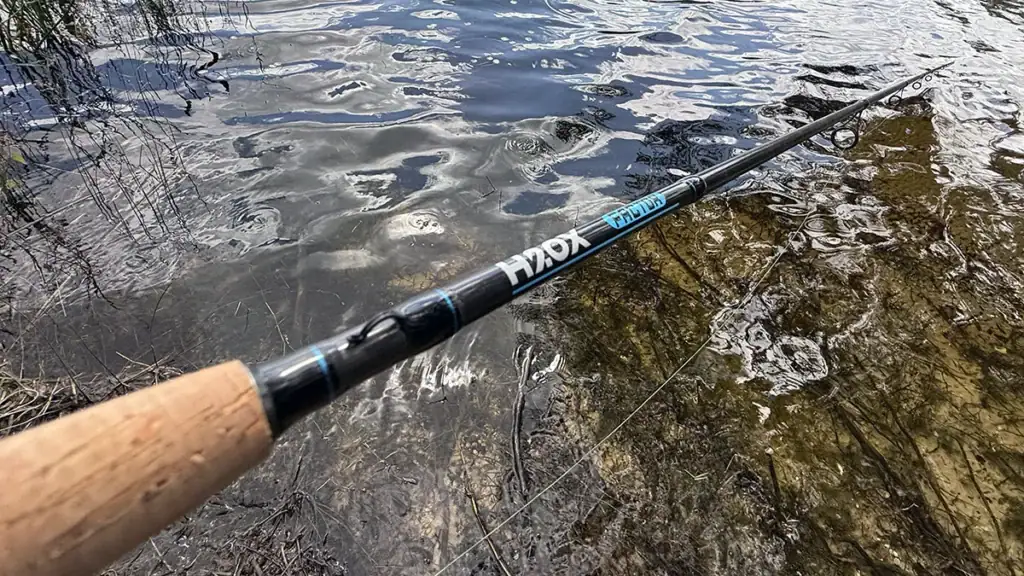
H2OX Factor
This is more of a regional pick, but Academy Sports stores down in Texas, Florida, Georgia, Alabama and other states have an in-house brand of fishing gear called H20X. I recently fished with Mike Nelson, Senior Director of Product Development at Academy Sports+Outdoors, in Southwest Florida. Together, we fished with the H20X Carbon, Factor, and Mettle lines of spinning rods for bass, trout, reds and snook. His simplistic explanation to me about the H20X line of spinning rods was that Academy takes some of the best features of spinning rods that are popular on the market and incorporates them into affordable options for the “family man” angler.
The H20X Factor spinning rod stuck out to me as a great budget option that’s affordable in today’s current climate of high prices. It features a sensitive IM-7 graphite blank designed to handle inshore targets. And it is built for smooth line management and reliable all-day fishing, combining a nine-guide system plus rod tip with a durable, grade AA cork handle. I’ve been using a 7-foot, 6-inch model for livebait fishing with greenbacks and finger mullet, paired with a Quantum Strive reel. So far it’s held up really well, and I think this the perfect type of rod to buy when on a budget. It retails below that $100 mark, and almost dips below that $50-spot.
What to Consider
What’s the Difference Between a Saltwater and Freshwater Rod?
It all comes down to components and hardware. The primary difference between the two lies in their construction, as saltwater rods are engineered with corrosion-resistant materials like titanium and high-grade stainless steel. Saltwater rods also tend to be thicker, heavier, and more powerful than their fresh counterparts. I’d say freshwater sticks prioritize extreme sensitivity and flexibility, allowing anglers to detect subtle bites from smaller fish like trout. If you use a freshwater rod too much in the salt, it will eventually start to show rust — especially along the rod guides and eyes.
Picking the Size and Length of Your Rod
You could write a book about the best way to pick your ideal fishing rod. But my ADHD brain is going to try to cut it down to a couple key thoughts:
- Start by recognizing what type of fishing you’ll be doing. For example, pick a short rod less than 6.5 feet for tight spaces like side-casting under mangroves and a longer rod for wide-open beaches or bays.
- Next, balance your need for distance versus accuracy. With a longer rod, you can launch a lure to the moon, while a shorter rod offers better pinpoint accuracy. That shorter, stout rod also tends to offer a heavier backbone. That’s why some bottom fishing rods and tuna rods can be surprisingly short.
- Match the rod length with your lure weight, picking a longer rod to help propel lightweight baits or a shorter, stiffer option for handling heavy lures. A 6.5- to 7-foot rod is a versatile, all-around baseline that I tend to gravitate toward. That’s my starting point, and I’ll start to get away from that length with more specialized types of fishing.
Boat Versus Shore Fishing Rods
Shore fishing rods are significantly longer, measuring up to 15 feet, because anglers need max leverage to cast baits long distances past breaking surf zones. You really see this with surf sticks, and the rods used are so long, transporting them to the beach can be a problem. In contrast, boat rods are much shorter — usually between 5.5 and 7.5 feet — making them manageable in tight vessel spaces where long-distance casting isn’t always required.
Beyond length, the second major difference lies in their power and design. Shore rods feature flexible tips designed to absorb the shock of a horizontal struggle from the bank, while boat rods are often built thick and rigid. This stiff construction acts like a crane, but it’s not a big deal because anglers can net or gaff fish boatside.
PE Ratings, or How Heavy of Braid You Should Use
While U.S. rods traditionally use pound-test labels on rods, global manufacturers use PE ratings pretty often. That “PE” stands for polyethylene (the braided line material) and measures line diameter rather than breaking strength. For American anglers, it’s not a major concern because most of our spinning rods have pound-test labels listed right on the rod. For non-Americans, their line spools list PE ratings, so it’s easy to match the spool with a rod’s PE ratings. Honestly, PE ratings are available on just about all line spools these days.
But, let’s say you do have a rod with PE ratings, what do you do? The easiest way to decode PE to pound-test is the “Rule of 10.” That is, multiply the PE number by 10 to get the approximate braid strength in pounds. For example, a rod rated at PE 3 is designed for roughly 30-pound braid. But that trick is misleading these days. Premium braid is only getting stronger and thinner, so trying to base the optimal pound-test line to use based on diameter is not perfect. PE 3 could likely equal out to 35- or 40-pound-test braid. Plus, braided line often breaks at heavier weights than what it’s listed as on the box. Keep all this in mind if you run into a spinning rod with PE listings.
Best Brands
- Penn: PENN has been producing rugged saltwater gear since 1932.
- Shimano: Shimano began manufacturing its first saltwater fishing rods during the late 1970s.
- Okuma: Okuma began manufacturing fishing rods right from the company’s inception in 1986.
- Daiwa: Daiwa expanded into fishing rods during the 1960s as part of its rapid global expansion.
- Quantum: Quantum first began manufacturing purpose-built saltwater fishing rods in 2003.
- Fenwick: Fenwick began manufacturing saltwater-capable fishing rods at its inception in 1952.
- St. Croix: St. Croix first began manufacturing saltwater fishing rods in the 1950s.
- G. Loomis: G. Loomis began manufacturing high-performance graphite rods and blanks since 1982.
- Ugly Stik: Ugly Stik has made heavy-duty models built for surf, pier, and saltwater since the brand’s inception by Shakespeare in 1976.
How We Tested the Rods
I, or another Wired2fish editor, has personally tested and fished every fishing rod in this guide. I’m sure my choices for the best rods for saltwater anglers will cause arguments and create controversy, but that’s because anglers have different opinions and prioritize different specs or features. And I think that’s perfectly okay. We don’t all want the same things.
We put these rods under a microscope while fishing. I wanted to test out the blanks themselves. Did they cast well? Was the action paired with my style of fishing? Was it too fast or too slow? Next, I dug into the components. I checked the specs to make sure they were saltwater-proof, and then we went fishing to see if they really were saltwater proof. Third, I wanted to see how the grips handled saltwater. Cork grips are still popular in the salt for a reason. Finally, I caught fish on them. How’d they handle the fight? Did they whip fish? Was there enough backbone? And were these sticks sensitive enough for the job? The rods I highlighted here all performed well, battled against saltwater-strong species and environments, to make our list.