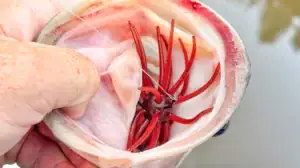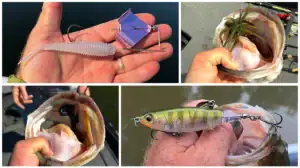
If you fish the waters of upstate New York, you’re probably familiar with the round goby. The small, invasive fish generally inspire mixed feelings, given concerns over potential ill-effects. But some anglers believe they have led to fatter bass in the waters they now inhabit.
The goby continues to be on the move, potentially reaching new waters. A newly released study published in the journal BioRxiv reveals the round goby may be nearing one of the Northeast’s premier bass fisheries, Lake Champlain.
A Rapid Spread
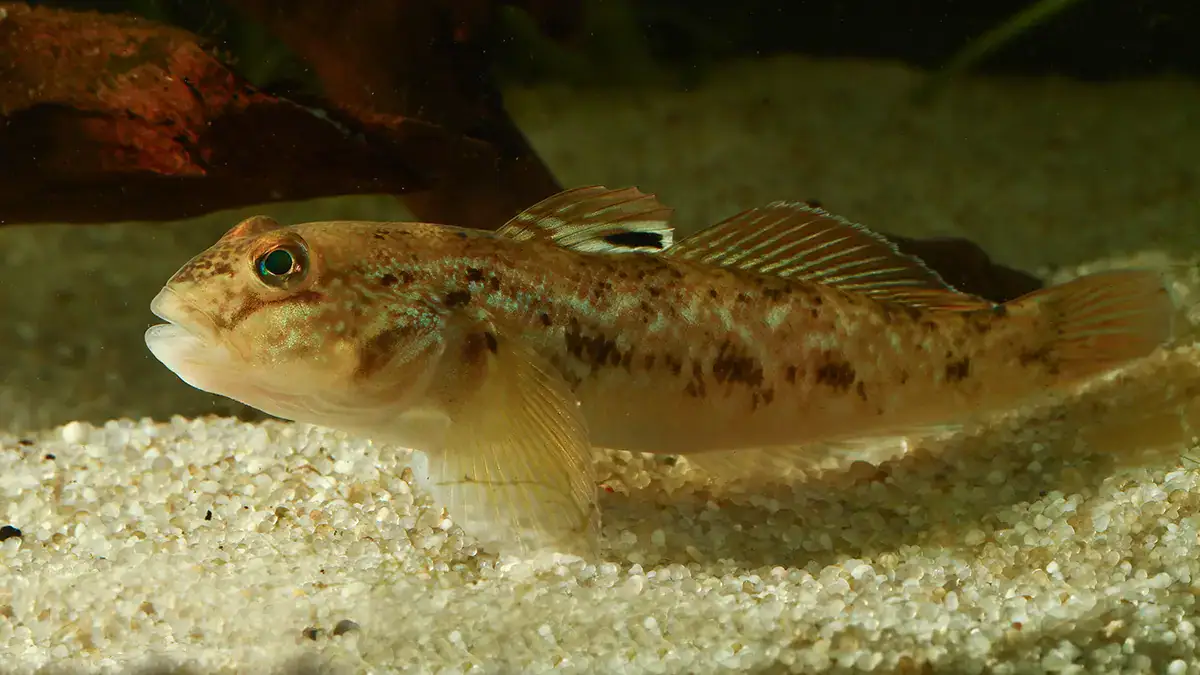
Round goby (Neogobius melanostomus) have been spreading across eastern North America since their 1990 arrival in the Great Lakes. Their expansion has been remarkably fast. As the study explains, “by the end of 2025, the species had been reported from two Canadian provinces and nine U.S. states… and inhabited watersheds covering at least 3% of Canada and 11% of the conterminous U.S.”
A combination of biology and circumstance drive their success. Researchers point to a “high reproductive potential and an unknown number of human-assisted movements.” That means both natural spread and accidental transport by people are fueling the goby invasion.
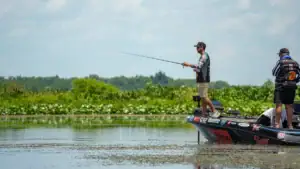
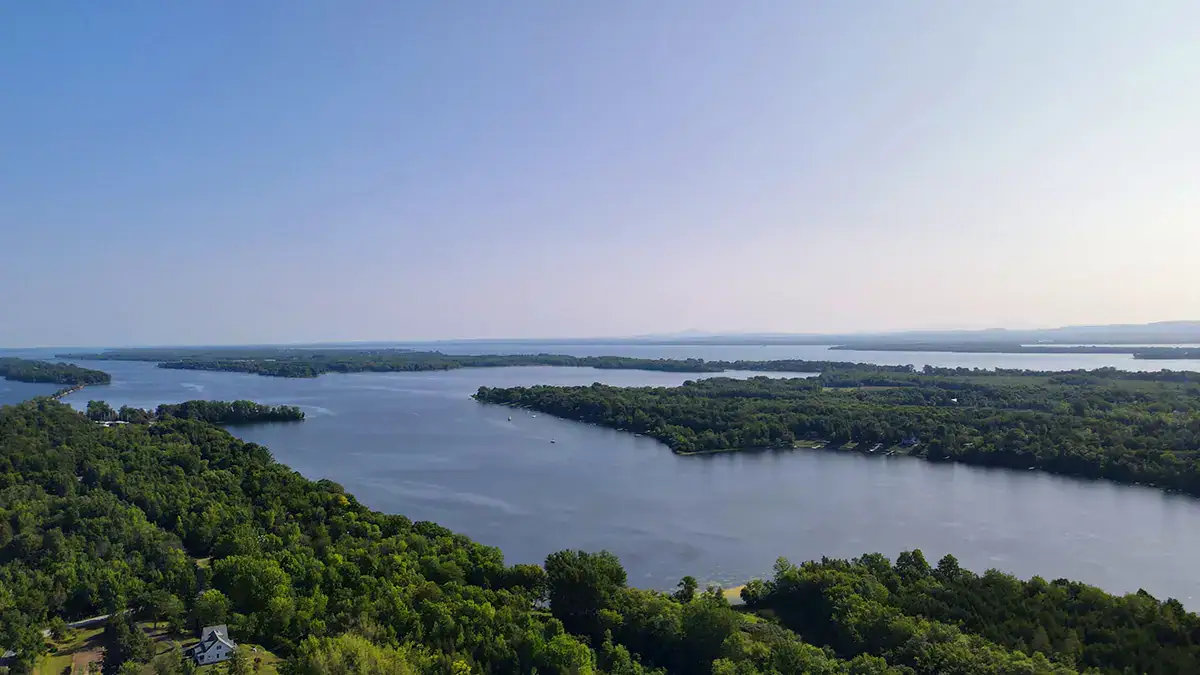
Lake Champlain is particularly vulnerable, and that’s a major concern for fisheries managers. The lake is both a premier bass-tournament destination and a critical ecosystem supporting native species like lake trout and muskellunge. According to the study, “most information indicates Lake Champlain is suitable, and potentially excellent, habitat for round goby,” thanks to its rocky shorelines, hard substrates, and abundant zebra mussels, which serve as a key food source. Those same features making Champlain a great fishery also make it an ideal environment for gobies to establish themselves.
To understand just how close the invasion is, researchers monitored two main pathways into the lake: the southern route via the Hudson River and Champlain Canal, and the northern route via the St. Lawrence and Richelieu rivers. Using a combination of traditional sampling methods like electrofishing and netting alongside environmental DNA (eDNA), they detected gobies even at very low densities.
Their findings show that in the Champlain Canal, gobies have been physically captured as far as 97 kilometers (about 60 miles) from Lake Champlain, while DNA evidence suggests they may be even closer. On the northern front, fish have been caught 82 kilometers (almost 51 miles) away. Meanwhile, eDNA detections have occurred just four kilometers (roughly 2.5 miles) from the lake.
That discrepancy is important. The study emphasizes that “the species may be closer to Lake Champlain than indicated by capture data alone,” highlighting the sensitivity of eDNA in detecting early invasions.
How Do Round Gobies Affect Fisheries?
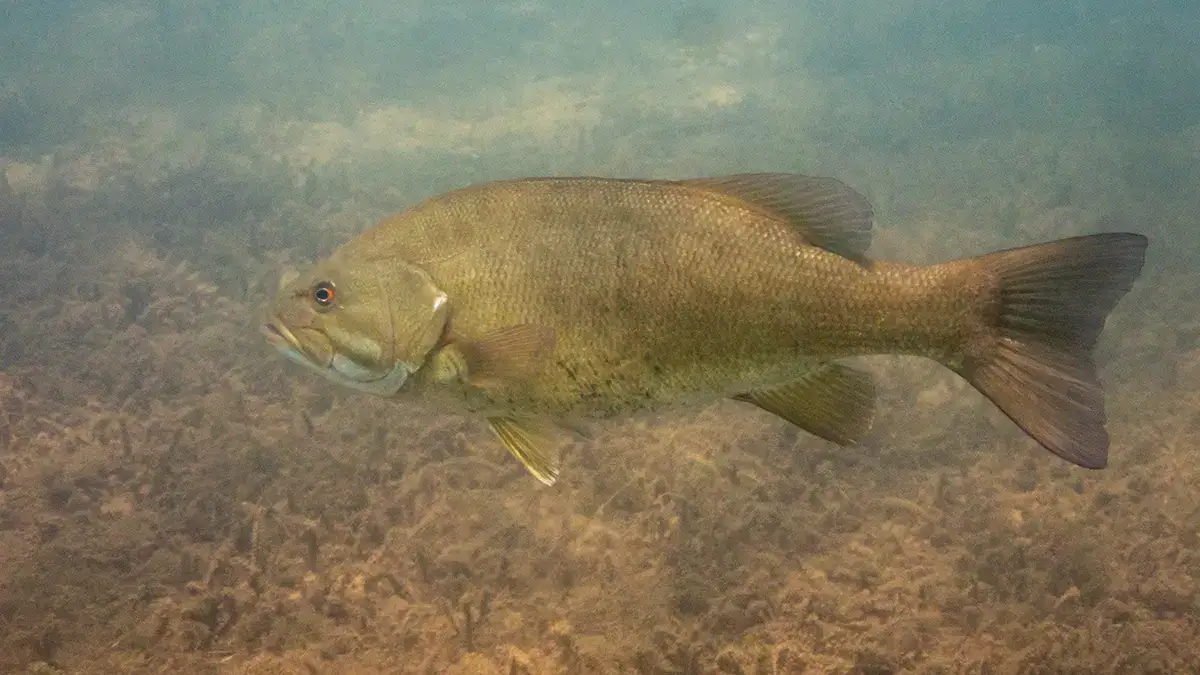
For anglers, the arrival of round goby presents a complicated picture. On the negative side, the species’ ecological impacts are well known. The paper notes that gobies are “associated with numerous ecological impacts including displacement of native benthic fish, egg predation of desirable gamefish, and transfer of contaminants and toxins to higher trophic levels.” These behaviors can directly affect populations of species anglers care about, particularly bass and trout.
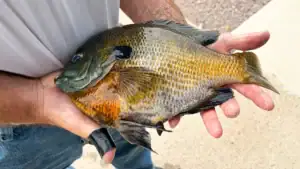
The story’s not entirely one-sided. In other systems, gobies became a significant forage base. The study notes they “can also function as an abundant forage species… associated with increased growth rate of some predators.” Anglers in the Great Lakes have already seen how smallmouth bass, in particular, can benefit from goby-rich diets, often growing larger and faster.
The research also offers insight into goby behavior that could matter on the water. One key finding is the role of temperature: Scientists observed that “catch rates in near-shore areas [declined] at < 10 °C.” It suggests they move into deeper water as temperatures drop. And that aligns with broader patterns noted in the study, where gobies “occupy shallower… habitats during the warm water period and… retreat to deeper more stable habitats when water temperature drops below 10 °C.” So if gobies establish in Lake Champlain, they are likely to be most active and accessible along shorelines during warmer months. That could potentially influence predator behavior and fishing patterns.
Another concern tied to gobies is disease, particularly viral hemorrhagic septicemia (VHSV), which has caused fish kills in other regions. The study’s findings on this front are somewhat reassuring but not definitive. In the Champlain Canal, only a single fish tested positive, with two inconclusive results and the vast majority testing negative. In the Richelieu River all tested fish were negative.
Still, researchers caution that “our data do not decisively indicate whether round goby populations… are carrying VHSV.” That means they cannot rule out the risk, especially given the species’ reputation as a disease carrier.
A Change Is Brewing
There is some evidence that human-built structures are slowing the invasion, at least temporarily. In the Champlain Canal, gobies advanced roughly five kilometers (a little more than three miles) in a year before appearing to stall at a dam. The study suggests that “concentrated flow… may effectively form a velocity and/or thermal barrier to upstream passage.” Managers are actively using these insights to try to delay the species’ spread, adjusting canal operations, restricting lock usage, and timing water flow changes based on temperature to make conditions less favorable for goby movement.
But even though there’s no physical confirmation of gobies in the lake itself yet, the combination of capture data and DNA evidence suggests that their arrival could happen at any time. The study notes that monitoring efforts “have already informed multiple management actions,” showing that early detection informs how agencies respond. Anglers can do their part to help stop the spread by avoiding the use of illegal bait, thoroughly cleaning their boats and gear, and reporting sightings.
Round gobies are approaching Lake Champlain. Their impact, whether harmful, beneficial, or somewhere in between, will depend on how the lake responds. Only time will tell.