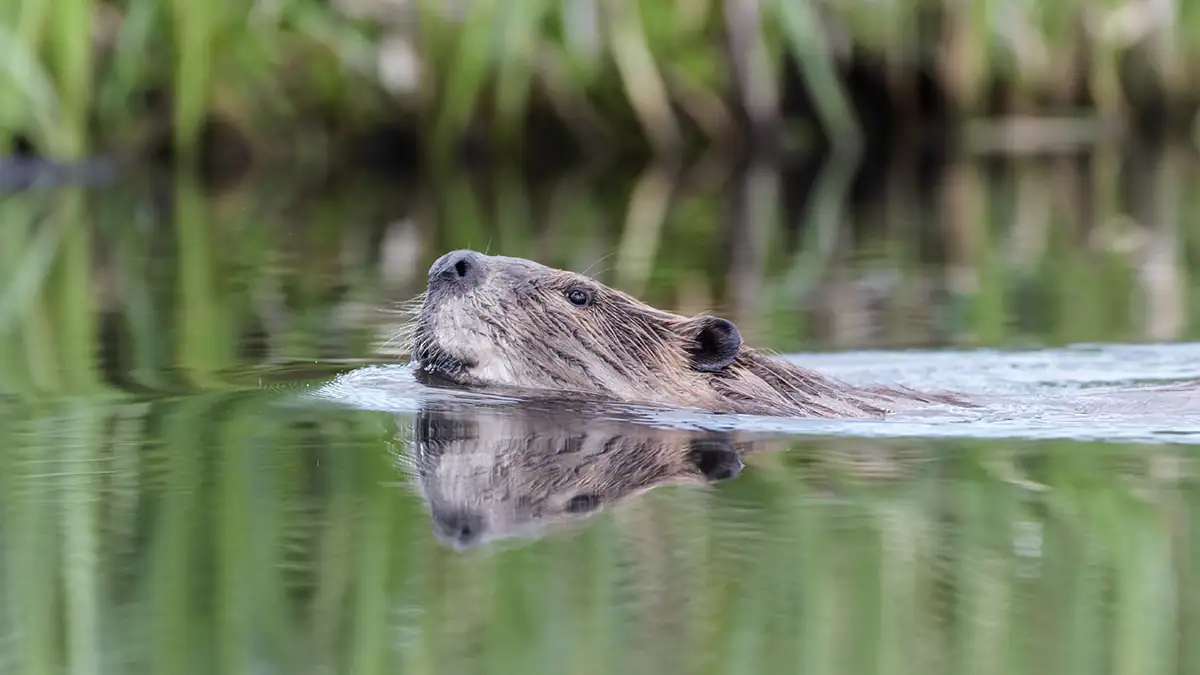
A quiet evening of fishing turned frightening when an 8-year-old boy was attacked by a beaver at Lake Henry in Mahwah, New Jersey.
According to local authorities, the incident occurred around 6 p.m. as the child stood along the shoreline casting his line. Without warning, a beaver emerged from the water and charged directly at him. Startled, the boy attempted to run but tripped, giving the animal an opportunity to latch onto his upper thigh. The situation quickly escalated as the beaver continued its attack until a nearby family acquaintance rushed in and intervened, striking and kicking the animal until it retreated.
Even after the confrontation ended, witnesses reported that the beaver lingered and circled the area, raising concerns about its behavior. Emergency responders transported the boy to a nearby hospital for treatment. While the full extent of his injuries was not immediately disclosed, officials confirmed that he received medical care.
Animal control officers later captured the beaver and observed signs of possible illness. The animal has since been removed from the park and will undergo testing, including screening for rabies, a rare but serious disease that can be transmitted through bites.
Authorities received additional reports suggesting the same beaver had approached or possibly attacked other park visitors earlier that day. Michael Noonan, of Saddle Brook, New Jersey, was at the lake earlier, when he saw another family fending off a beaver.
“I saw them throwing sticks in the water but didn’t think anything of it,” Noonan told TAPInto. “Then I heard yelling and saw the beaver going after them.”
Noonan said one of the family members fell into the lake while trying to get away from the beaver, though no one appeared injured after that incident.
An Unusual Attack
Beavers are typically shy, herbivorous animals that avoid humans whenever possible. When aggression does occur, it is often linked to illness such as rabies, a perceived threat, or territorial behavior, particularly if the animal is protecting its habitat or young.
It’s rare for beavers to attack humans, especially compared to other wildlife incidents. While there is no comprehensive national database dedicated solely to tracking beaver attacks, available reports suggest that only a small number of confirmed incidents occur across North America each decade. Many of these cases involve animals that are either suspected or confirmed to be rabid or otherwise ill.
Although serious injuries can occur due to the beaver’s powerful jaws and sharp teeth, fatalities are exceedingly uncommon. One of the most widely cited fatal encounters occurred in Eastern Europe’s Belarus in 2013, highlighting just how unusual such extreme outcomes are.
Anglers fishing along shorelines, especially in areas with visible beaver activity such as lodges or dams, should remain aware of their surroundings and keep a respectful distance from wildlife. If an animal either approaches unusually closely or behaves erratically, the safest response is to calmly leave the area.
Animals Most Likely to Hurt Anglers
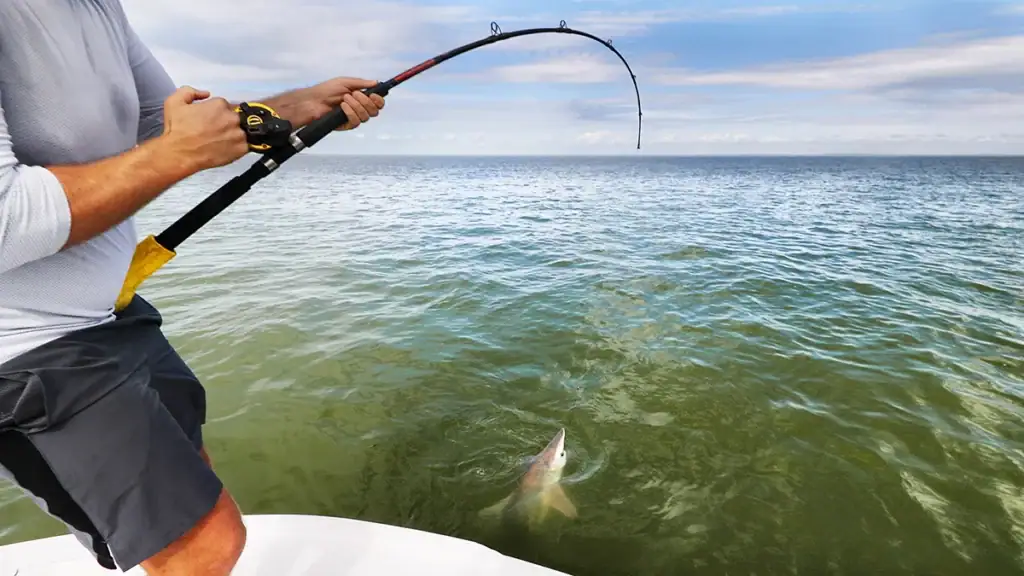
Anglers on the water are not likely to get attacked by a beaver, but there are a few other species to look out for. Animal attacks against fishermen are extremely rare — but they can still happen, so pay attention around the water.
In the Pacific Northwest and Alaska, fly fishermen often compete with bears for prime salmon spots. Most confrontations occur when a bear is startled or when it tries to claim an angler’s stringer of fish. Established guides carry deterrents to prevent incidents between bears and anglers. An angler was attacked Aug. 23, 2025, when a grizzly bear charged a man fishing along the St. Mary River near Cardston, Alberta.
Then there’s the alligator of the south, an imposing dino-ancestor that swims the same waters anglers love to fish. Alligators are a bit of a concern, sometimes drawn to the splashing of a hooked fish. Taking simple precautions can prevent confrontations. Give alligators their space, and when gators are guarding eggs on nests, allow them extra space because that’s when alligators are most aggressive. An alligator attacked and killed a woman who was canoeing with her husband on a Central Florida lake in May 2025.
The most common species to hurt anglers are actually fish. Species such as sharks, billfish, catfish, mackerel and stingrays have sharp teeth or other mechanisms that can definitely leave anglers agonizing. When removing hooks from a caught fish, use a release tool and gloves to prevent the most common cuts, slashes, pokes, and slices that happen when an amped-up fish is held out of the water. A Florida man was bitten and hospitalized by a lemon shark while attempting to take a photo of it in August 2025.