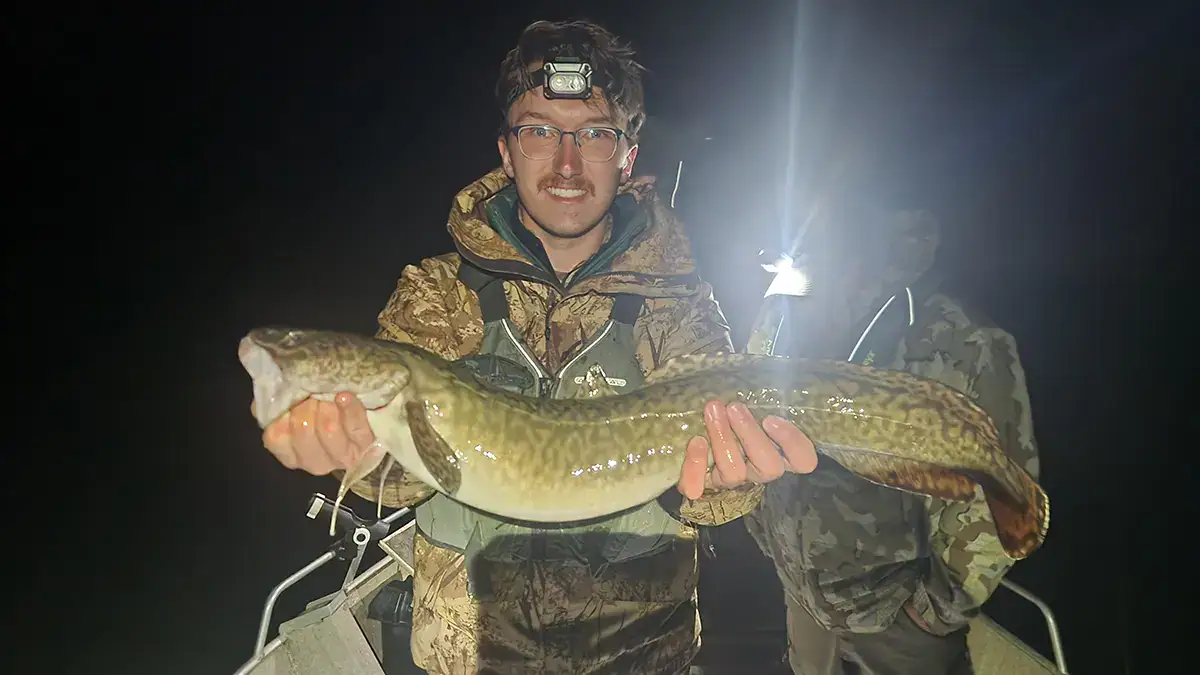
A late-night outing on the Kootenai River became a record-breaking moment for angler Caleb Wilson, who recently secured a place in Idaho fishing history with an extraordinary burbot. Wilson, a local from Troy, landed a new state catch-and-release record fish measuring 26.75 inches on March 19.
“Wilson knew he might have a state record contender on his hands, so he whipped out the tape measure under the light of his headlamp,” according to a press release from the Idaho Department of Fish and Game.
Burbot Behavior and Biology
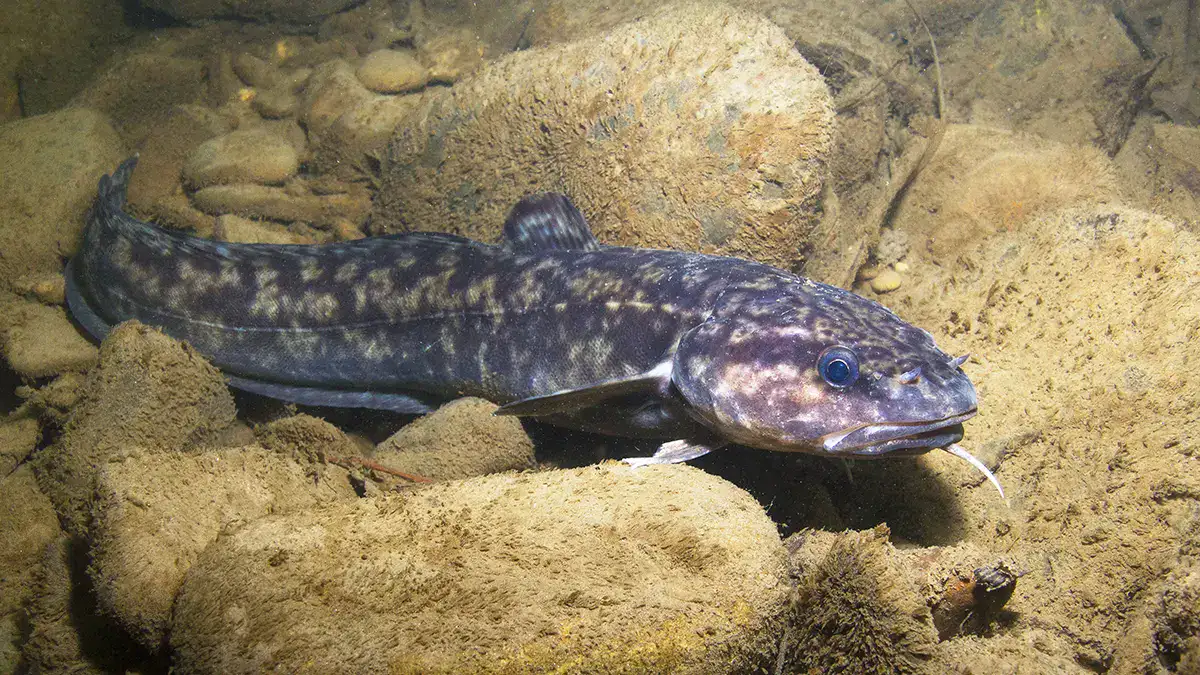
Burbot (Lota lota) are a fascinating species, notable for being the only freshwater member of the cod family in North America.
The species’ variety of names include cusk, freshwater cod, ling, lingcod, and eelpout. And local anglers affectionately call them “Kootenai leopards,” due to burbots’ mottled brownish-yellow skin. They have flat heads, elongated bodies, and eel-like tails with rounded fins, giving them a distinctive appearance.
And the timing of Wilson’s catch was no coincidence, as burbot are most active after dark. These fish are cold-water specialists that spend their days in deep, slow-moving pools before moving into shallower water at night to hunt.
Decades of Restoration
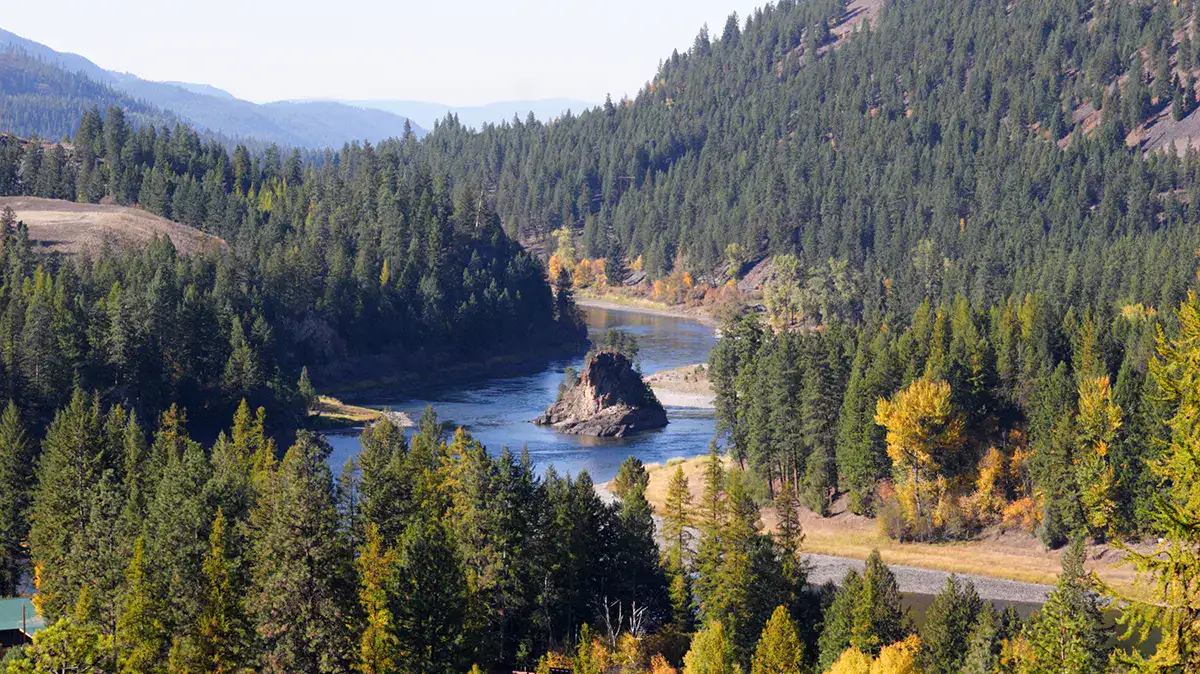
Not long ago, chasing burbot on the Kootenai River felt more like wishful thinking than a legitimate fishing plan. If you talked to anglers in the early 2000s, most would tell you the same thing: You’d be lucky to even see one. By 2004, the population crashed so badly that estimates indicated only about 50 fish remained in the system. For anyone who enjoyed targeting these hard-fighting, oddball cod, the fishery was essentially gone.
That’s what makes Wilson’s record-setting catch so meaningful. Burbot fishery anglers are starting to discover the result of decades worth of fisheries restoration efforts. Numbers plummeted in the ’90s, and officials completely shut down burbot fishing in 1992. Crews from the Idaho Department of Fish and Game, the Kootenai Tribe of Idaho, and fisheries teams from Canada and Montana began an all-out effort to figure out what was going wrong.
Researchers set hoop nets to safely capture burbot for study. They tagged, measured, and released fish, fitting many with PIT tags to track how they moved through the river. All that data started to paint a clearer picture of a species that had always been a bit of a mystery.
A Success Story
The real turning point came in 2004, when the Kootenai Tribe of Idaho launched a hatchery program aimed at rebuilding the population from the ground up. They collected eggs from burbot spawning in Canada and brought them back to the hatchery, safely raising them there through their most vulnerable stages. Once the young fish reached a more durable size, they were released into the river, giving anglers a fighting chance at seeing burbot return in meaningful numbers.
Years of research revealed two big realities. First, burbot in the Kootenai weren’t spawning successfully on their own. Second, while hatchery fish were surviving in the river, the population still depended heavily on continued stocking to grow. In other words, every fish an angler hooks today is part of a carefully managed comeback.
That comeback hit a major milestone in 2019, when the burbot population finally reached its restoration goal. To ensure continued success, the groups that helped bring the fishery back, including Idaho Department of Fish and Game and their partners, are still monitoring the river’s burbot population.
Let ‘Em Go, Let ‘Em Grow
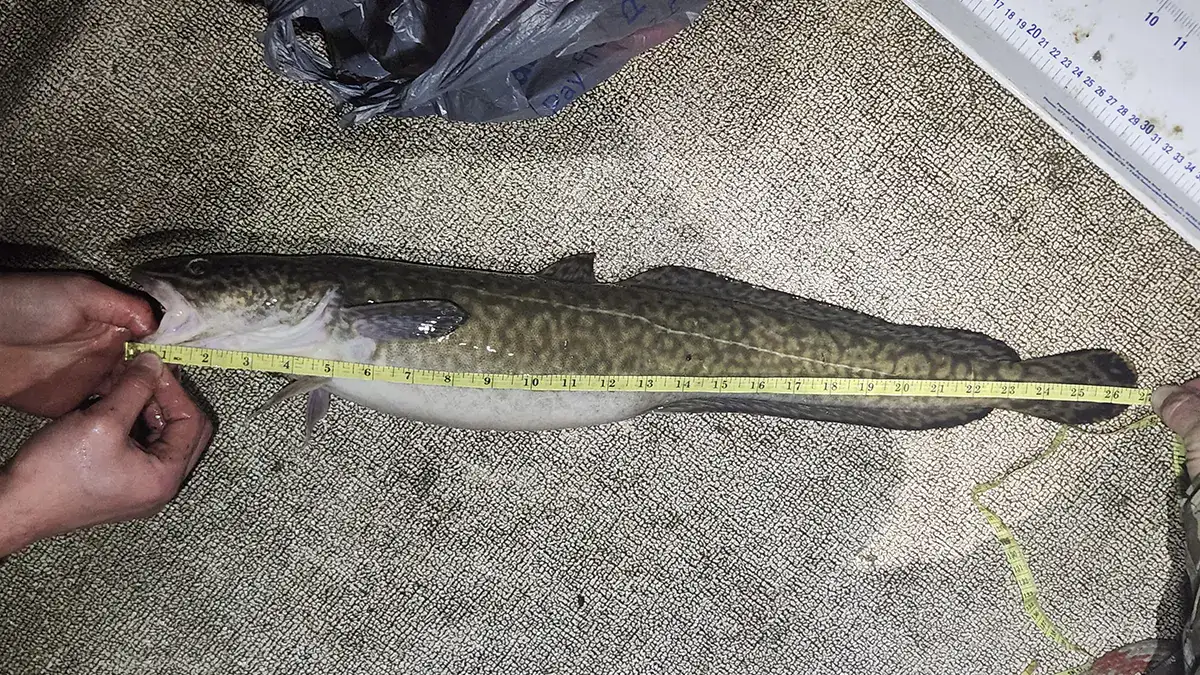
Although many consider burbot excellent table fare, Wilson chose to release the fish after documenting his catch, in accordance with Idaho’s catch-and-release record requirements. These rules mandate that anglers both release living fish and submit proper documentation, including photographs and measurements. His decision reflects a growing conservation ethic among anglers who aim to preserve trophy fish while still celebrating their achievements.
While burbot in other regions can exceed 30 inches and weigh more than 15 pounds, Wilson’s 26.75-inch fish stands out as a significant accomplishment within the restored Kootenai River fishery.