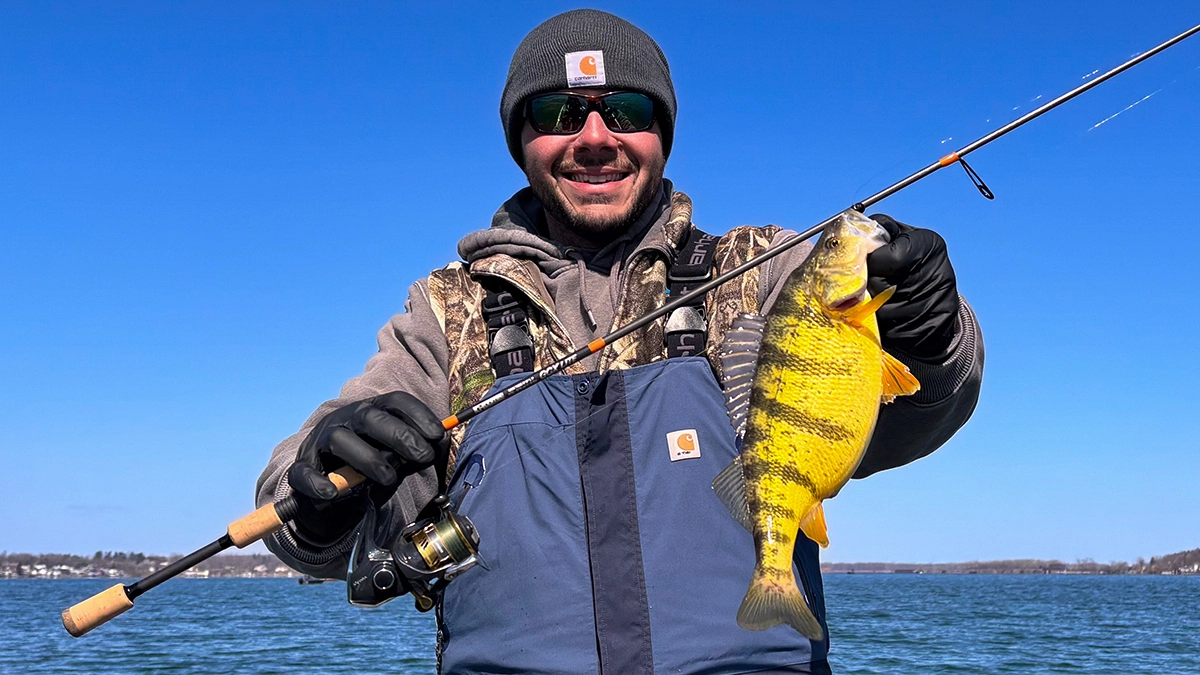
If there’s one thing panfish have taught me over the years, it’s that small fish demand serious attention to detail. Bluegills, crappies, perch, and pumpkinseeds might not pull like a big bass or pike, but they’ll humble you fast if your gear isn’t right. More missed bites and lost fish happen because of rod choice than most anglers care to admit.
I thought I knew about panfish, until I moved to the Finger Lakes Region and started targeting them more. Panfish in larger water bodies are a whole different breed, requiring more than your standard short ultralight with a small reel. It can be extremely technique specific. Plus, even though they’re on the smaller side, you need control over the fish.
Choosing the right panfish rod isn’t about grabbing the lightest stick on the rack to have the most fun with. It’s about matching sensitivity, action, and length to how and where you fish. Here are some things to consider for the perfect rod.
Why Rod Choice Matters
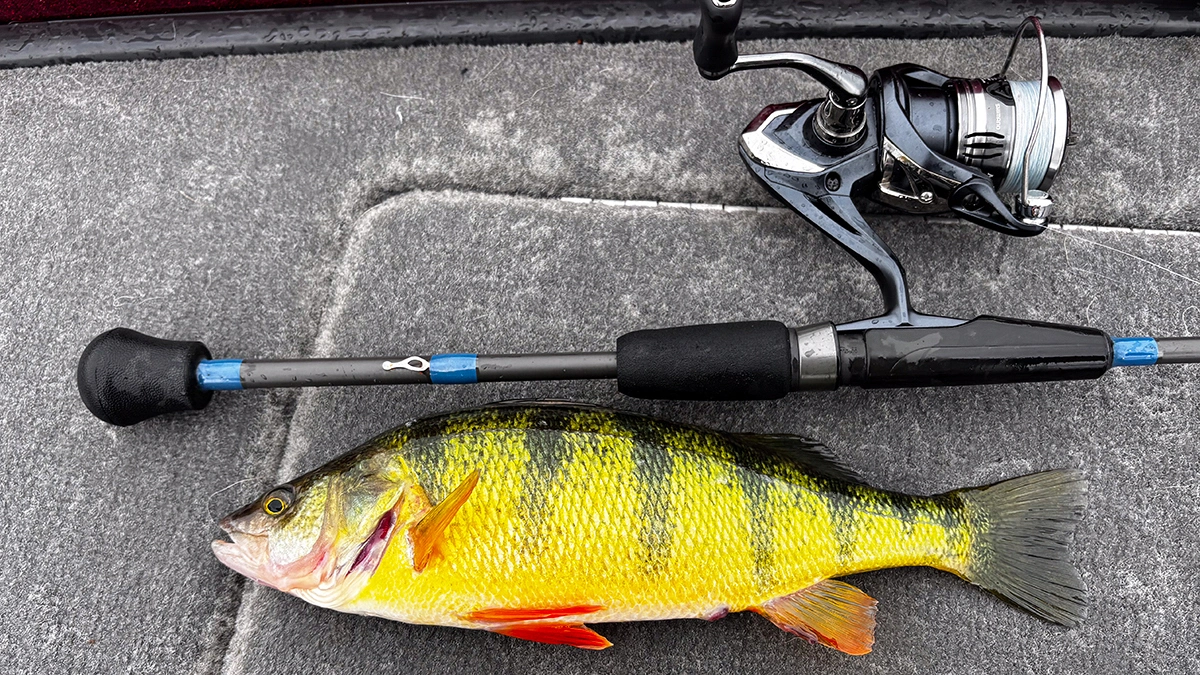
Panfish bites are often subtle. Sometimes it’s nothing more than a line twitch or the slightest “tick” transmitted through the blank. A proper panfish rod lets you feel those micro-bites and respond without ripping the hook from a paper-thin mouth. If it’s too stiff, you’ll miss fish; too soft, you’ll struggle with hooksets, casting accuracy, and control.
A good panfish rod becomes an extension of your hand. It helps you present small baits naturally, detect bites instantly, and fight fish efficiently without overpowering them. The rod should be perfectly balanced so you can feel every little bite in the reel seat.
Rod Power: Lighter Is Usually Better

When it comes to panfish, ultralight and light power rods dominate for good reason. Ultralight rods excel when fishing tiny jigs (1/64 to 1/32 oz), ice-fishing style plastics, or live bait under floats. They load easily, allowing you to cast feather-light offerings and absorb head shakes from crappies and perch.
Light power rods are a great middle ground. They still protect light line but offer a little more backbone for deeper water, heavier jigs, or larger crappies. If I had to recommend one all-around panfish power, it would be light. It’s versatile enough for most open-water panfishing while still remaining forgiving. This is my go-to rod power for everything to small swimbaits, slip floats, hardbaits, or even small spoons.
Medium-light rods can work in specific situations, like slip-bobber fishing in weeds or casting small crankbaits, but they’re often overkill for traditional panfish tactics. When you need more power to get them out of cover, medium light action rods fit the bill perfectly.
Action: Sensitivity Meets Control
Rod action is just as important as power. Fast or extra-fast actions are my go-to for panfish. A fast tip bends in the upper third of the rod, giving you excellent bite detection and precise jig control. Extra-fast tips are even more sensitive, ideal for deep-water crappies or finicky winter perch.
Moderate action rods have their place, especially for small crankbaits or fishing moving baits. They keep fish pinned during long fights, but they sacrifice some sensitivity. If you primarily fish jigs, plastics, or live bait, stick with fast or extra-fast.
Length: Matching the Water You Fish

Rod length affects casting distance, leverage, and bite detection. This is where I see most anglers mess up when finding the perfect panfish stick.
Short rods (five to six feet) shine in tight quarters, like small creeks, brushy shorelines, or smaller ponds. They’re accurate and easy to control.
Medium-length rods (six and a half to seven feet) are the most versatile for open-water panfishing. They cast small baits farther, manage line better with floats, and provide extra reach when fighting fish vertically from a boat or kayak. This is the main rod length I love to use and is most versatile for panfishing applications.
Long rods (seven and a half feet and up) are specialty tools. They excel for spider-rigging, long-lining, and tight-lining for crappies, but they’re not necessary for the average panfish angler. I do use seven-and-a-half-foot rods for making long casts on pressured perch and crappies, as well as slip floats.
Blank Material: Graphite Feels Bites the Best
Graphite is king in the panfish world. It’s lightweight, sensitive, and responsive—everything you want when detecting light bites. High-modulus graphite rods transmit vibrations incredibly well, letting you feel fish breathing on your bait.
Fiberglass rods are tougher and more forgiving, but they lack the sensitivity most panfish techniques require. Some composite rods blend both materials, offering durability with acceptable sensitivity, but if feel is your priority, go graphite.
Handle Style and Comfort

You probably won’t think handle design matters much until you’re fishing full days on the water. Cork handles are classic, warm in cold weather, and comfortable. EVA foam handles are durable, affordable, and perform well in wet conditions.
Split-grip designs reduce weight and improve balance, while full grips offer more hand-placement options, especially when float fishing. For panfish, balance matters more than looks. A well-balanced rod reduces fatigue and enhances sensitivity.
Top Panfish Rods On The Market

When it comes to finding the best panfish rod over the counter, the options are endless. Finding the right rod for the job can be harder than you think, though, and you’ll have to consider things like fishing conditions or whether you’re focusing on crappies or perch. But all things considered, these are some of my favorite panfish rods.
- G. Loomis GCX Lite – Engineered as a powerhouse panfish and trout rod, the GCX lite has every model covering every panfishing situation imaginable. With fuji reel seats and guides, these rods are super balanced to feel even the lightest bite.
- Shimano Sensilite – Shimano built its flagship panfish rod to handle every need in the realm of panfishing, with a split grip fuji reel seat to feel light bites and make long days on the water a breeze. These are definitely panfish rods you should have in your arsenal.
- Daiwa Presso Ultralights – One of the original ultralight sticks that has been around for quite some time. These are field-proven rods that get the job done, from light little trout magnets to slipfloating for big panfish. Like the others mentioned above, these rods are balanced and are extremely sensitive to feel even the lightest panfish bites.
For the rod builders, MudHole makes a rod blank that I’ve found to be one of the best blanks for all-around panfishing: The MHX S842 is a seven-foot, light action blank with a fast tip. It’s a blank where you can do just about everything when it comes to catching panfish. I’ve built several of these over the years, and it has become my favorite rod for bluegills, crappies, and especially perch.
Final Thoughts

Choosing the right panfish rod is about refining your approach, not complicating it. Match light power with fast action, choose a length that fits your water, and prioritize sensitivity above all else. Panfish may be small, but they reward anglers who pay attention to the details.
When you finally dial in the right rod, you’ll notice it immediately. This leads to feeling more bites, more fish landed, and a deeper appreciation for just how technical panfishing really is. And that’s the beauty of it: simple fish, refined gear, and endless satisfaction.