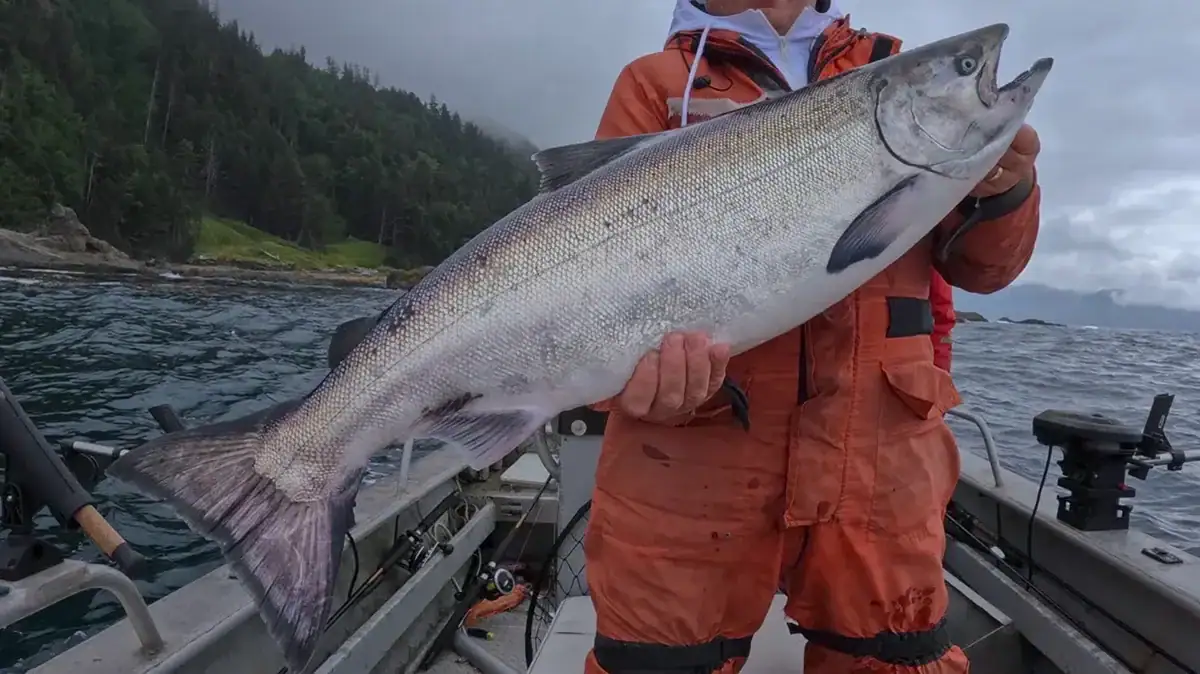
Are Alaska’s salmon runs facing a growing threat from invasive northern pike? A study recently published in Biological Invasions shows that northern pike seem to be eating more as waters warm. Scientists say the trend is likely to continue throughout the century.
The paper, “Warming causes modest increase in the consumptive demands of invasive Northern Pike (Esox lucius) in Alaska freshwaters” by Benjamin A. Rich of the University of Alaska Fairbanks College of Fisheries and Ocean Sciences and colleagues, examined how rising temperatures are changing predator-prey dynamics in Southcentral Alaska’s freshwater ecosystems.
The conclusion? Warmer rivers are boosting pike metabolism, increasing their appetite, and potentially adding another major stressor to declining salmon populations.
Pike Appetite Rising Alongside Temperatures
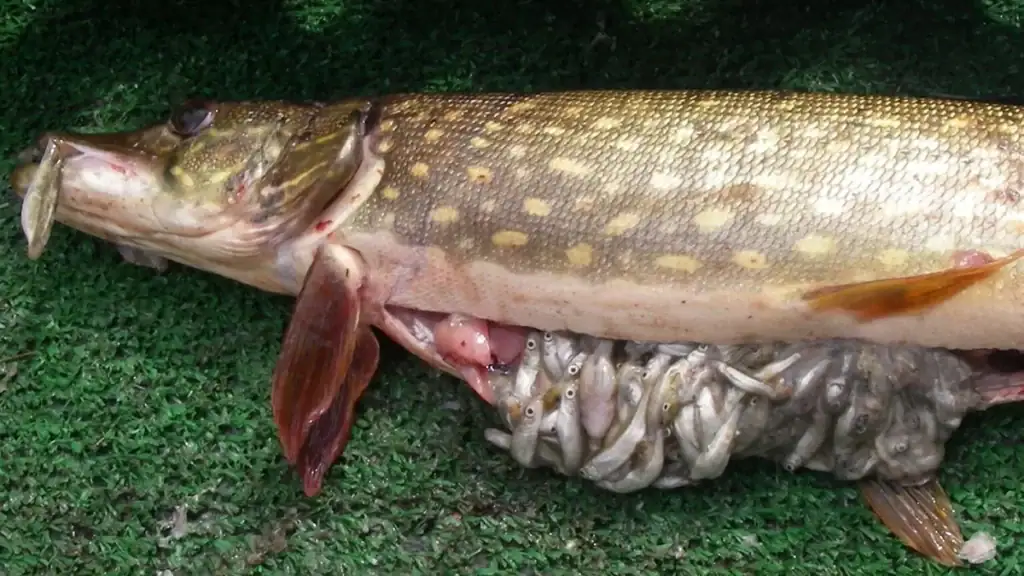
Researchers focused on the Deshka River, a key salmon-producing tributary of the Susitna River system. By comparing northern pike stomach contents from the early 2010s to samples collected in 2021 and 2022, scientists documented significant changes in feeding behavior.
According to the study, pike across all age classes increased fish consumption as waters warmed. Young fish showed the most dramatic increase, with year-old pike consuming 63% more fish than they did roughly a decade earlier.
“We expect there will be significant warming in the future, and the amount of fish that pike consume is going to increase with it,” lead author Rich said in an interview with ScienceDaily.
The research found that average summer air temperatures in the region have climbed roughly 3 degrees Fahrenheit since 1919, including nearly a full degree of warming over the past decade alone. Water temperatures in the Deshka River have also remained above historical averages in recent years.
Using bioenergetic modeling, researchers projected that northern pike could increase their food consumption another 6% to 12% by the end of the century under high-emissions climate scenarios.
Salmon Already Declining
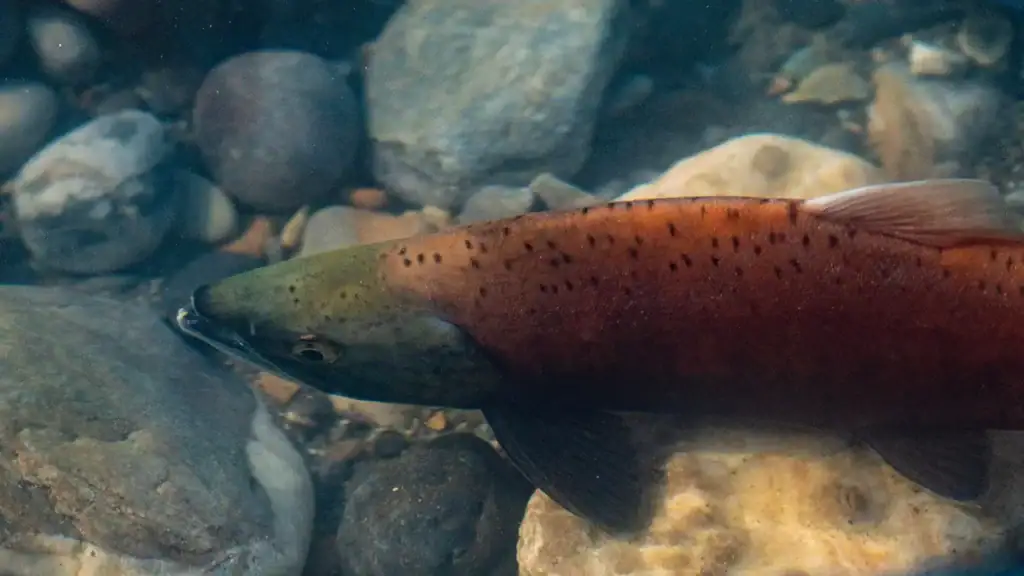
The bad news for salmon is that these changes are happening while Chinook and coho populations are already under pressure from habitat degradation, warming water, marine survival issues, and decades of environmental change.
The study documented a 42% decline in adult Chinook salmon abundance in the Deshka system between 2014–2018 and 2019–2023. During that same period, the biomass of juvenile salmon found in pike stomachs dropped between 30% and 74%, depending on predator age class.
But scientists say that doesn’t mean pike are easing off salmon. Instead, it likely means there are simply fewer salmon available to eat.
Coverage from Alaska Public Media noted that warming conditions may actually improve pike hunting efficiency.
“If it keeps getting warmer, they get much better at catching salmon,” said study co-author Erik Schoen. “They’re amazing ambush predators.”
The study also observed dietary shifts among the invasive predators. Researchers found increased numbers of coho salmon in pike diets, but at smaller average sizes, suggesting pike are increasingly targeting young-of-year fish. Sockeye salmon, meanwhile, disappeared entirely from sampled diets compared to historical baselines.
A Dangerous Combination
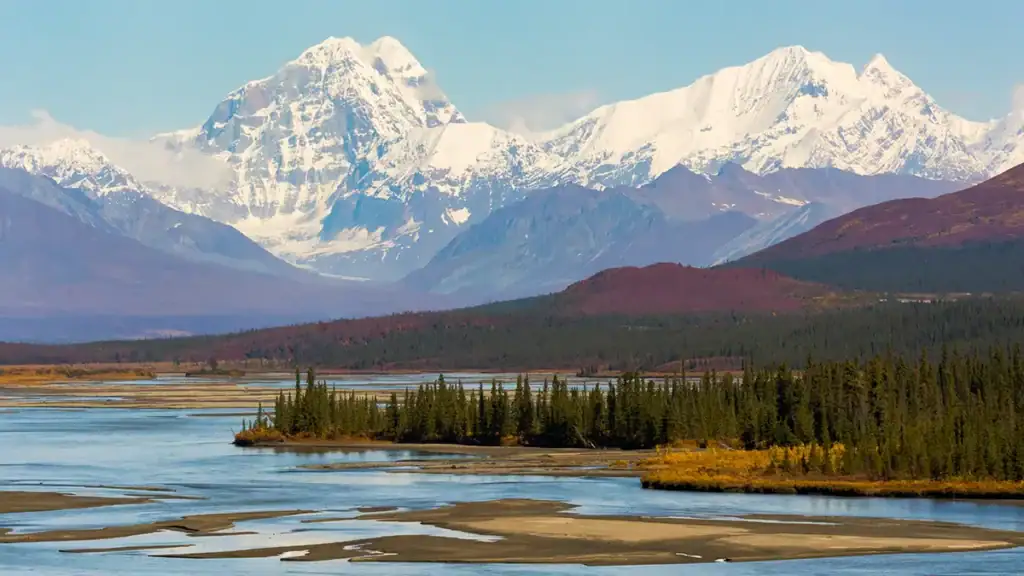
Scientists involved in the study say the findings highlight how climate change and invasive species can work together to accelerate ecosystem damage.
“We know that invasive species and climate are individually associated with freshwater fish extinctions,” said Peter Westley in the ScienceDaily article. “Those impacts may be working together into the future.”
That interaction could be especially important in Southcentral Alaska, where northern pike are not native. Pike were illegally introduced into the region in the 1950s and have since spread aggressively through interconnected waterways.
Unlike salmon, which often become stressed and sluggish in warm water, northern pike thrive in warmer, slower-moving habitats rich with vegetation. As temperatures rise, that advantage may only grow stronger.
Pike Are Spreading Into New Waters
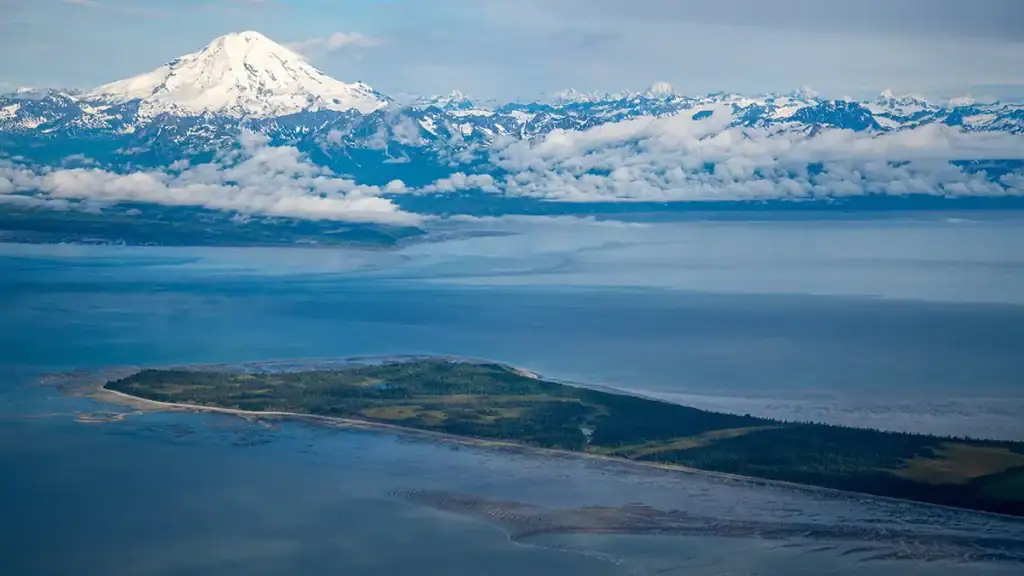
Adding to the concern is emerging evidence that pike are expanding into new habitats using routes biologists previously underestimated.
A study highlighted by Wired2Fish last year confirmed that invasive northern pike are using estuaries — areas where freshwater mixes with saltwater — to colonize new systems in Southcentral Alaska.
Researchers from the University of Alaska Fairbanks and the Alaska Department of Fish and Game (ADFG) analyzed chemical signatures in pike otoliths, or ear bones, to trace fish movement patterns. Their work provided the first documented proof in North America that northern pike can disperse through estuarine environments.
Previously, many biologists believed pike spread primarily through freshwater corridors or illegal human introductions. The discovery has major implications for fisheries managers: Waterways once thought protected from reinvasion may instead be vulnerable now.
Today, according to the ADFG, pike have been detected in nearly 150 Southcentral Alaska waters, often with devastating consequences for native fish populations.
Alexander Creek may be the best-known example. Once considered among the premier Chinook salmon fisheries in Northern Cook Inlet, the system suffered catastrophic salmon declines after pike became established. Intensive suppression efforts removed more than 25,000 pike by 2021, and salmon numbers have shown some improvement, but the invasive predators remain firmly entrenched.
Pike Don’t Run Out of Food Easily
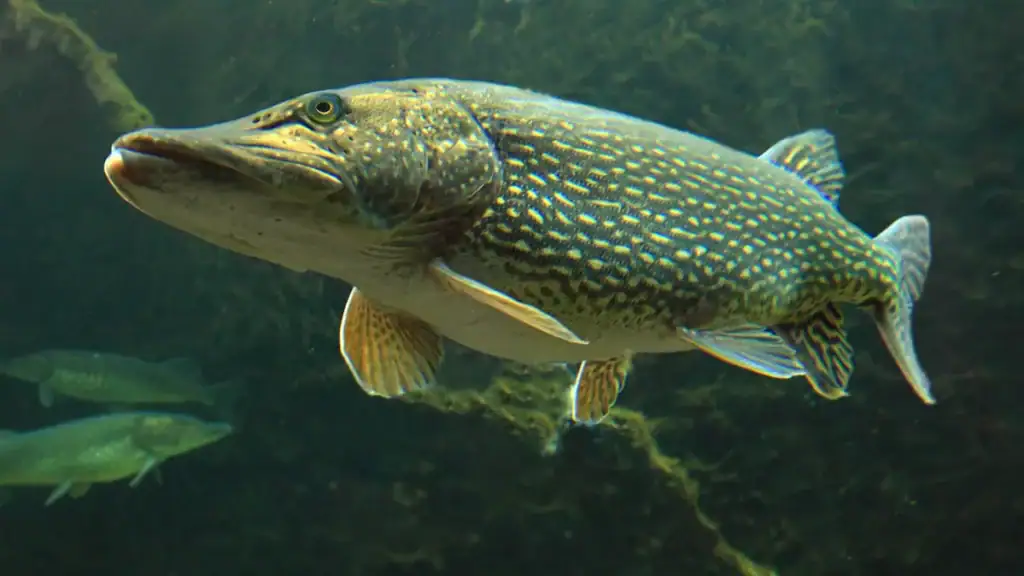
One of the most alarming aspects of northern pike invasions is their adaptability. When salmon populations collapse, pike simply switch prey.
Rich’s study documented increased consumption of other fish species, including whitefish and rainbow trout. Scientists note that pike are opportunistic predators capable of eating nearly anything they can catch, including ducklings, small mammals, and even other pike.
“Once they wipe out the salmon, the pike don’t die off because they run out of food,” Schoen told Alaska Public Media.
That flexibility helps explain why pike have become one of the most damaging freshwater invasive species in Southcentral Alaska.
Chinook Salmon Are Struggling, But Not Endangered
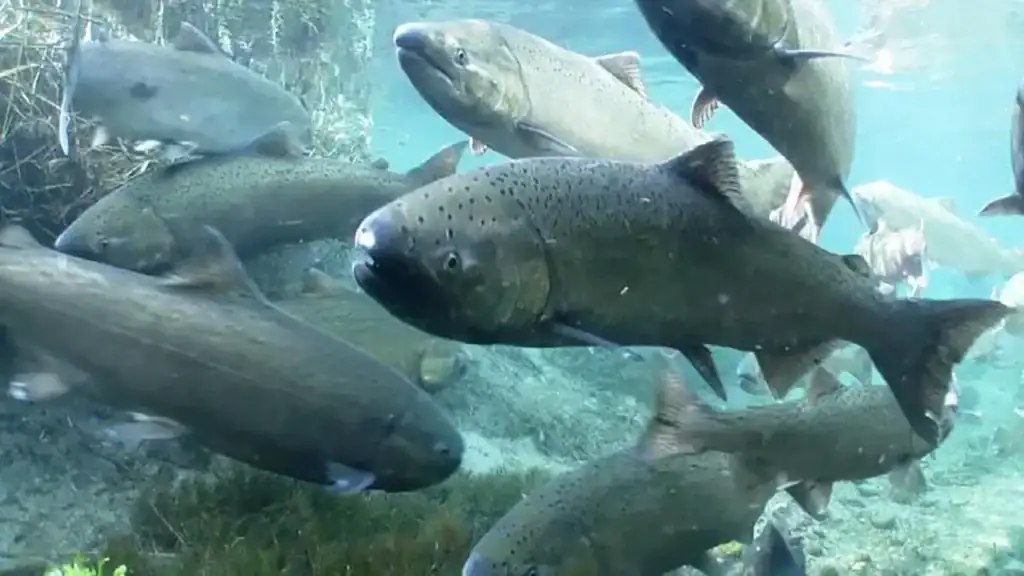
While the new northern pike study highlights growing pressure on Alaska salmon populations, it’s important to add some context: Gulf of Alaska Chinook salmon are not currently listed as threatened or endangered under the Endangered Species Act (ESA).
Recently, NOAA Fisheries completed a comprehensive status review after a 2024 petition sought federal ESA protections for Gulf of Alaska Chinook salmon. The agency ultimately determined that listing Chinook salmon populations in the Gulf of Alaska was “not warranted.”
NOAA identified three distinct evolutionarily significant units (ESUs) of Gulf of Alaska Chinook salmon: the Southeast Gulf of Alaska, the Central Gulf of Alaska, and the Northwest Gulf of Alaska. After reviewing genetic data, habitat conditions, productivity, abundance, and long-term population trends, NOAA concluded that all three ESUs are currently at a low risk of extinction.
The agency acknowledged that many Chinook stocks are experiencing low returns and reduced productivity, but emphasized that salmon populations naturally fluctuate over time and that many Alaska stocks remain within historical ranges of variability or are beginning to stabilize.
NOAA also pointed to several strengths supporting long-term viability, including large overall population sizes spread across numerous river systems, strong genetic and ecological diversity, broad spatial distribution, extensive intact habitat, and active conservation and fisheries management programs.
Continued Monitoring Necessary
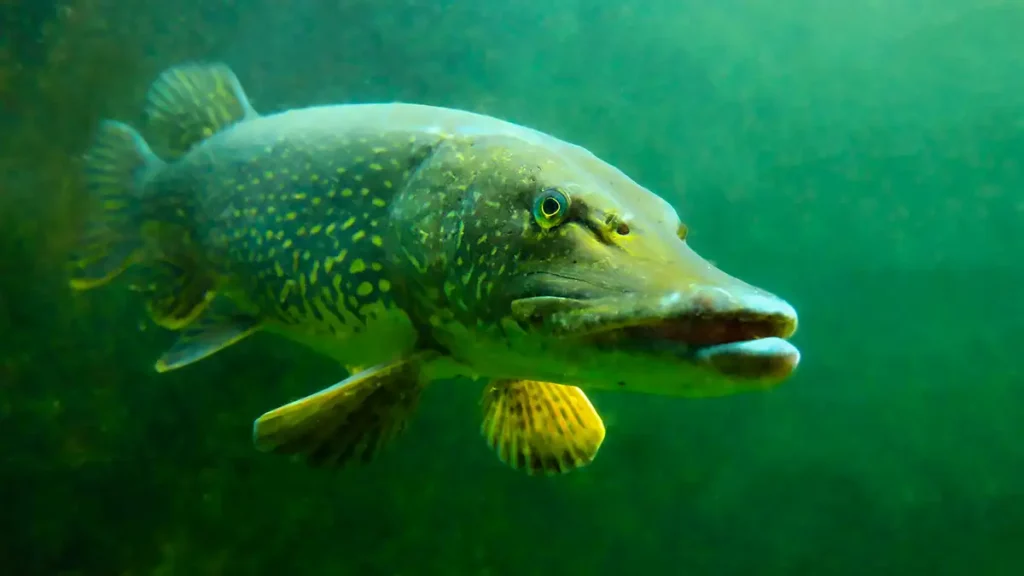
While Alaska’s salmon are not currently endangered, warming rivers, invasive predators, and changing ecosystems could increase pressure on already stressed fisheries in the decades ahead.
The increases in salmon consumption by pike projected by the study may sound modest on paper, but even relatively small increases in predation can have major impacts when salmon populations are already depressed. Controlling invasive pike may become even more important as Alaska’s climate continues to warm.