Barometric pressure. Wind direction. Cloud cover. Moon phase. All of these things factor into crappie fishing. But when it comes to the spawn, one factor outweighs them all: water temperature.
March is here, and for much of the country that means the spawn is close. The days of staring at electronics over deep timber are fading. It’s time to snap on a cork and start beating the banks.
The Spawn in Southern Louisiana

In southeast Louisiana, though, the spawn isn’t as cut-and-dried as it is in other parts of the country. One week we’re in the 80s. The next we’re in the 50s. That back-and-forth between warming trends and late cold fronts stretches our spawn out instead of packing it into a tight window.
Water temperature is everything. When it hits 60 degrees and holds there for four straight days, that’s usually enough to break the winter pattern. Fish that were holding in deeper river stretches begin sliding shallow. The first wave often shows up in mid-February. Depending on how hard the cold fronts hit, that movement can continue into April.
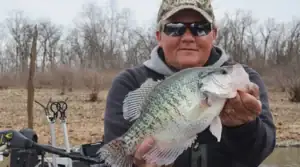
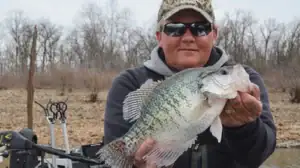
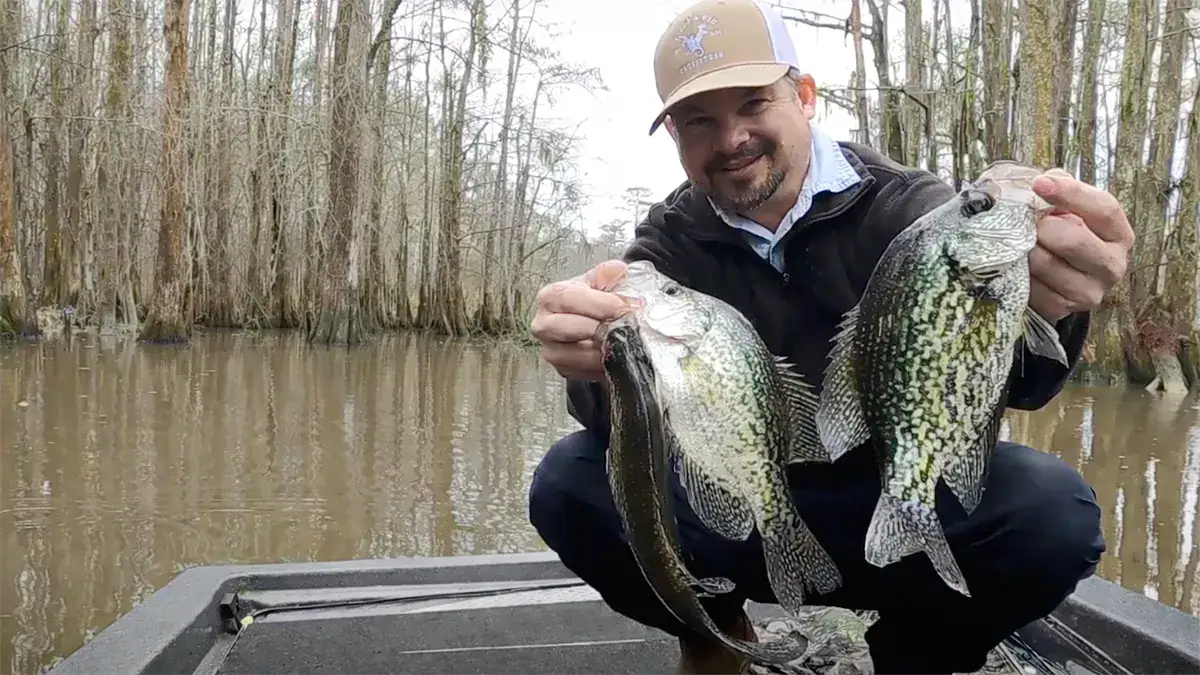
During the spawn, I spend most of my time on the Tchefuncte River. I target both black and white crappie, but black crappie usually move first. They prefer still water, and will push out of the main river into dead-end canals and protected pockets.
Tactics for Fishing the Spawn
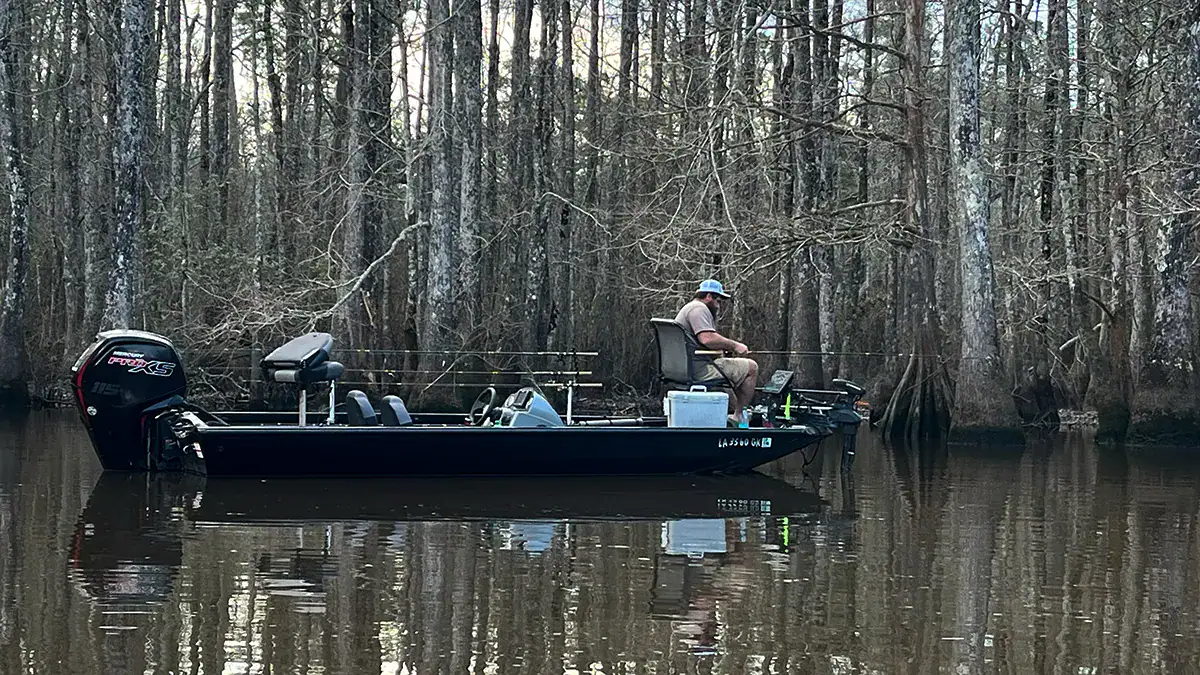
Most of the bedding fish I catch are in two to three feet of water around wood. Crappie attach their eggs to something hard, so submerged laydowns mixed with scattered grass are prime targets.
A 1/32-ounce jig under a cork is tough to beat. My go-to is a Bobby Garland Baby Shad in Monkey Milk. If the water muddies up, I switch to a bold black or dark blue profile. If that stable warming trend lines up with a full moon, even better.
One of the biggest misconceptions about the spawn is that it happens all at once. It doesn’t. Different stretches of river warm at different rates. Fish move in waves. One canal can be loaded while another is still empty.
You know it’s winding down when big groups show back up on electronics in the main river and the shallow bite slows overnight.
Lake Cumberland, Kentucky
That’s the Southern version of the spawn. It starts early, depends on stable water, and unfolds in stages. Now head north into the midsection of the country, and the same temperature trigger applies. The difference? Timing.
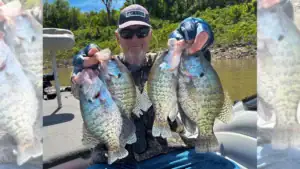
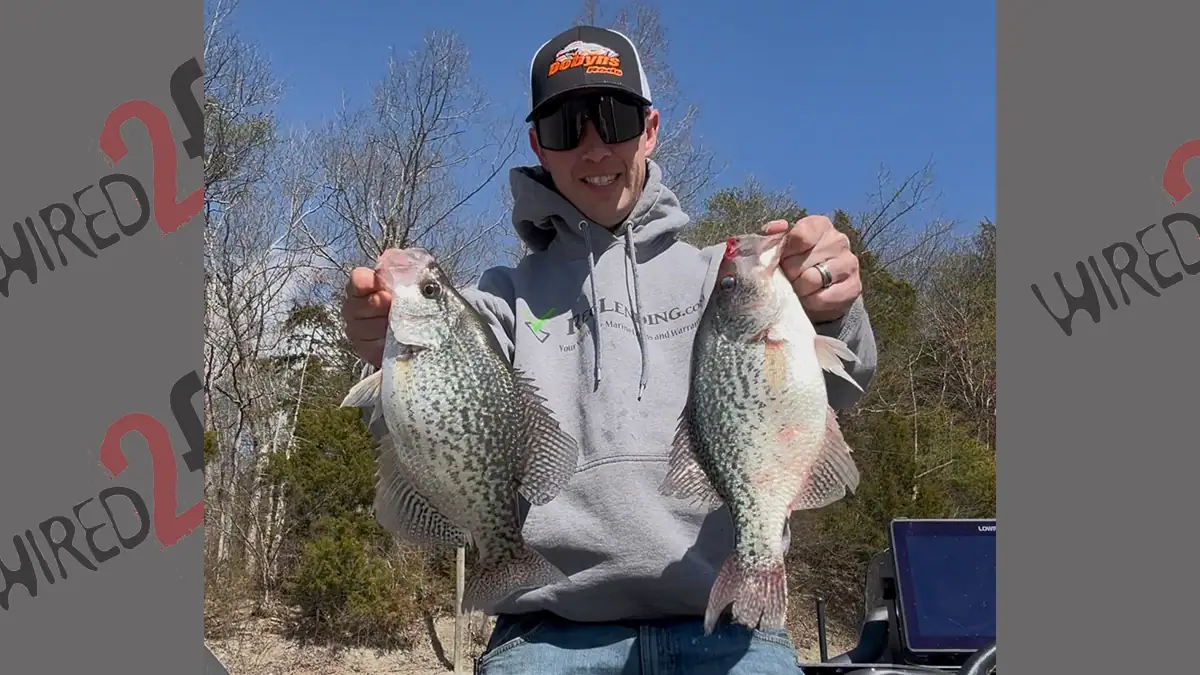
Kentucky angler Zeke Reynolds spends most of his spring on Lake Cumberland, where the spawn follows a tighter schedule than what we see along the Gulf Coast. Prespawn movement begins when water temperatures reach the low 50s, with fish staging along drop-offs.
“When it hits the upper 50s, you know it’s close,” Reynolds said. “Once it stabilizes in that 60 to 65 range, they’re going to the bank.”
That stable window usually arrives from late March into early April. Unlike the drawn-out Louisiana spawn, Cumberland’s peaks within a few strong weeks if the weather cooperates. A late cold front can slow things, but once temperatures hold, waves of fish move shallow.
Reynolds targets protected creek arms and pockets where crappie bed in two to five feet of water. In clearer water, some fish will spawn slightly deeper.
He rotates between two primary setups. His casting rig is a Dobyns 7-foot E.C. Special paired with an Abu Garcia Revo X 20 series reel spooled with K9 Fishing four-pound high-visibility fluorocarbon, which helps him detect subtle bites.
For vertical work in cover, he switches to a Dobyns Hyperlite Josh Jones Series 14-foot rod with a Dobyns Maverick baitcaster and 12-pound K9 fluorocarbon.
Cedar Lake, Minnesota
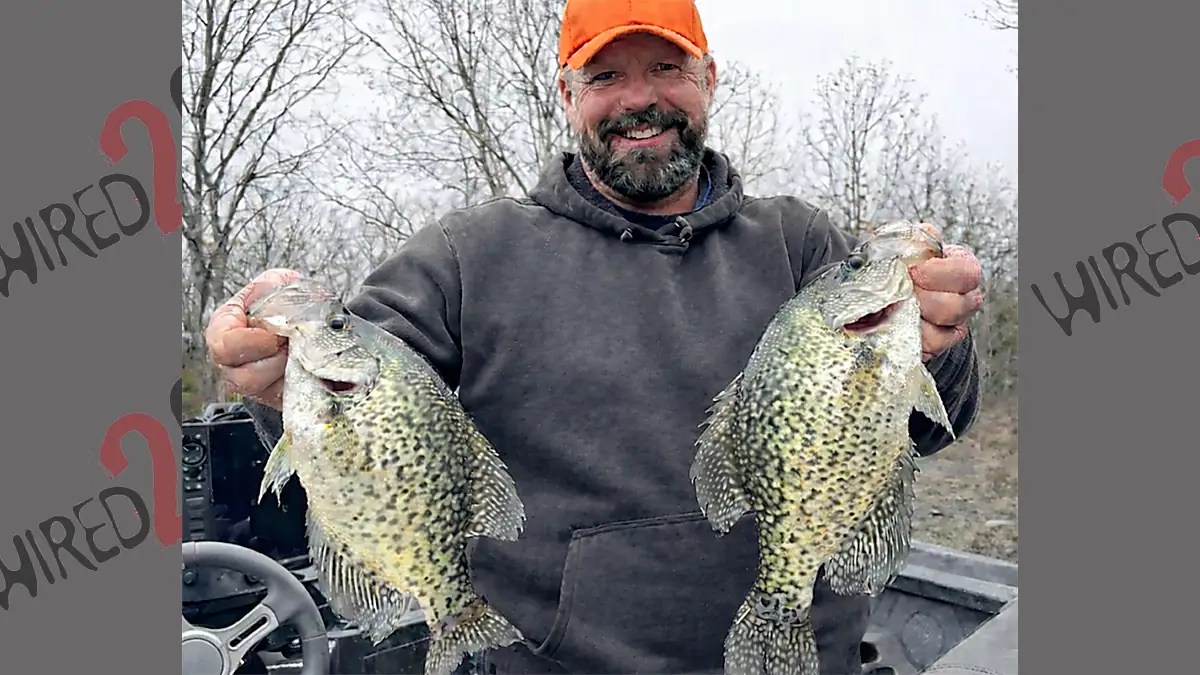
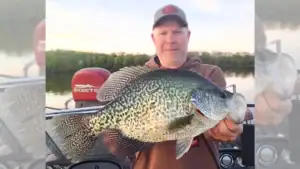
Trace Nelson spends his spring on Cedar Lake near Milan, Minnesota. Cedar is a 6,000-acre reservoir with a maximum depth of 15 feet — and a reputation for producing big slabs. Nelson said the crappie spawn isn’t just about catching fish in shallow water. It means the ice is gone and open-water season is finally here.
“Once we’re done staring down an ice hole all winter, that first bobber-down in the reeds feels pretty special,” Nelson said. “It’s kind of the kickoff to the whole open-water run.”
In southern Minnesota, crappie stage after ice-out when water temps reach the upper 40s, but they don’t hit the bank until temperatures stabilize between 60 and 68 degrees. That usually puts peak spawn from late May into mid-June.
“When we get a few warm, calm days in a row and that water hits the lower 60s, they’ll pile into the skinny stuff,” he said. “The north-end bays warm first on Cedar, especially the ones protected from the wind. If you find bulrushes mixed with a little sand pocket inside the cabbage, that’s where they’ll stack up.”
Nelson said most bedding fish move up into two to four feet of water around reeds and grass.
When fishing for crappie during the spawn, Nelson keeps it simple. A 6’8” St. Croix light-action rod paired with a Shimano Sedona 1000 reel and 4-pound Sufix Advance mono handles most situations. Under a slip float, he runs a 1/32-ounce VMC jig tipped with a Bobby Garland Baby Shad.
The Constant of Spawning
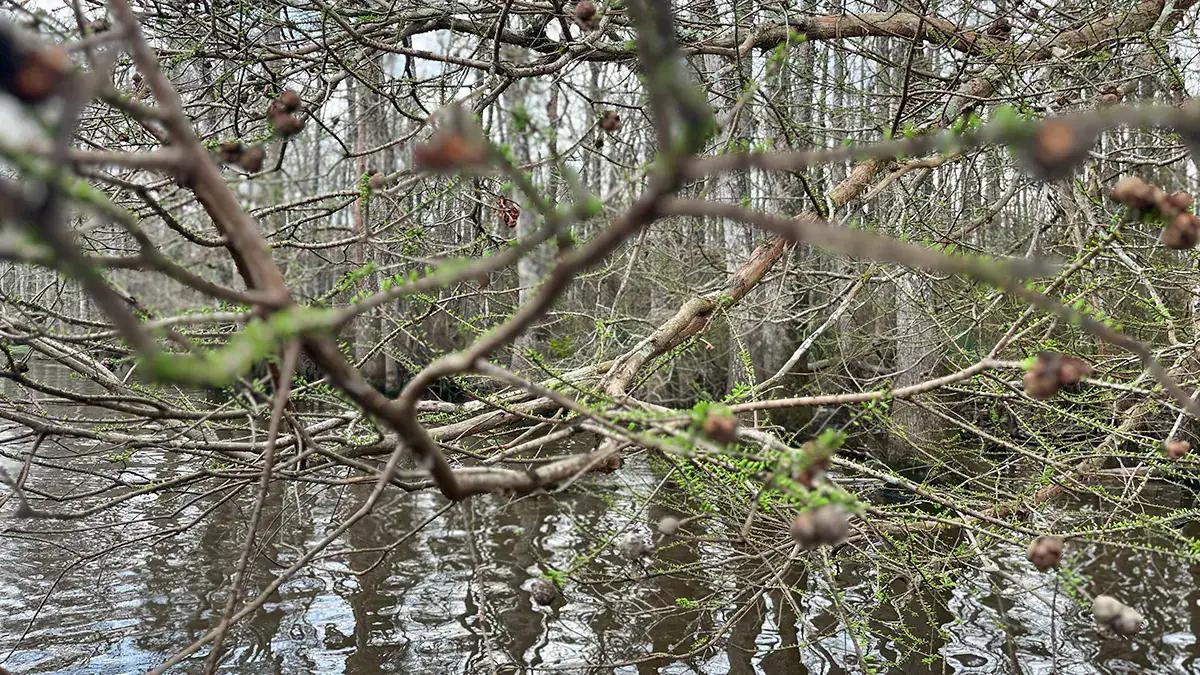
While the timing of the crappie spawn varies through the country, there is one common denominator: temperature.
When water stabilizes around 60 degrees, crappie move into the shallows to prepare for the spawn. In the South, that shift can happen as early as February. Farther north, anglers may not see it unfold until late May or even June.
The dates change, but the trigger does not. Follow the temperature, and you’ll know when it’s time to head for the bank.