There are big bass, and then there are big bass. Texas bass. That is, anglers in many — more northerly — states might reasonably call a five-pounder a trophy bass. In Texas, anglers might reasonably call such a fish “that little thang.”
For proof and quantification, look no farther than the Texas ShareLunker program. Run by Texas Parks and Wildlife and sponsored by Toyota, this unique bass research and selective breeding initiative has been going strong since 1986. It recognizes catches of at least eight pounds as lunkers, but it’s really about big bass: those weighing 13 pounds or more.
This unique program both recognizes and utilizes Texas’ biggest bass to perpetuate the state’s great fishing by working with anglers to obtain those fish for the breeding program.
The ShareLunker program also offers a fabulous repository for information since anyone can visit the website and click on “archives” to see all of the nearly 5,000 entries over decades. Each entry includes the weight, which lake or reservoir, when caught, by whom, and more. You can easily download all that data as an excel spreadsheet and sort on place, size or other metrics.
Biologist Jake Norman, district supervisor for the Tyler, Texas, district and statewide largemouth bass coordinator, is the man who puts together the ranking for the state’s lakes and reservoirs every year (for public consumption as well as B.A.S.S. rankings). The list here reflects the latest data, based on the ShareLunker program.
Norman points out that such a listing will always be dynamic, changing at least somewhat per lake conditions, temperatures, effort and so on. But for 2025, these were Texas’s best bass lakes, in order, for bass of trophy proportions. (Plenty of lakes can offer 50- to 100-fish days when they’re “on,” Norman says, but this is about the big girls.)
Of course there’s plenty of varying opinions among bass fanatics about which Texas lakes are best. This list relies not on opinion, but on statistics to tell the story.
O.H. Ivie
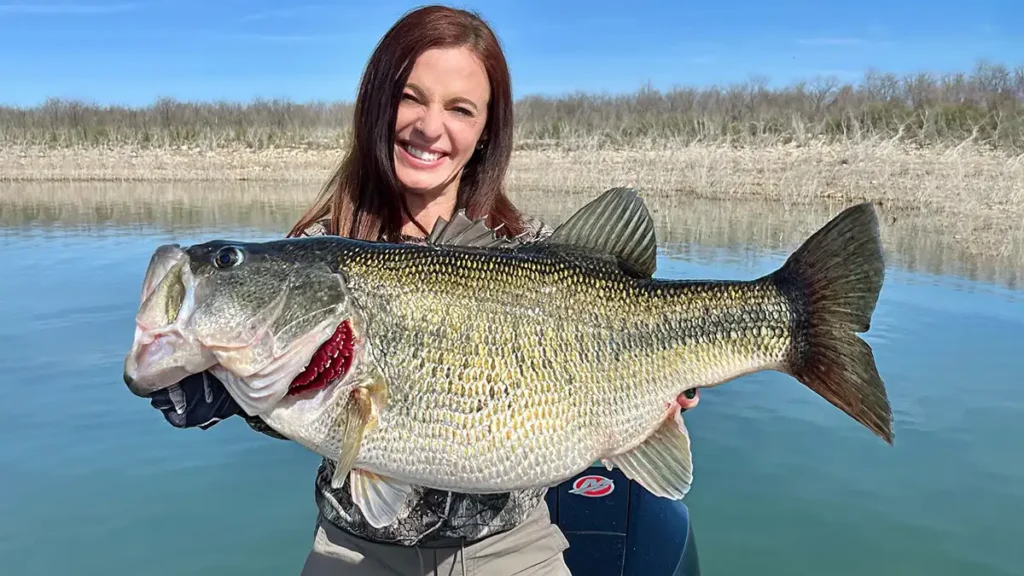
This 20,000-acre reservoir in central Texas, created in 1990, offers thousands of acres of flooded mesquite, oak and juniper trees all over the lake, along with rock structures and deep creek channels. Maximum depth: 119 feet. The Colorado and Concho rivers supply the lake which is subject to fluctuations in water levels of six to 10 feet per year. Besides largemouth, smallmouth and white bass populate the lake.
“For the last several years, O.H. Ivie was the trophy hotspot in the state and, quite honestly, the country,” Norman opines. “We’ve had multiple bass over 17 pounds from that lake.” In 2022 and 2023, Ivie “really caught fire,” he says, with the many 13-pounders entered in the ShareLunker program barely noticed among so many 14s, 15s and 16s.
Toledo Bend
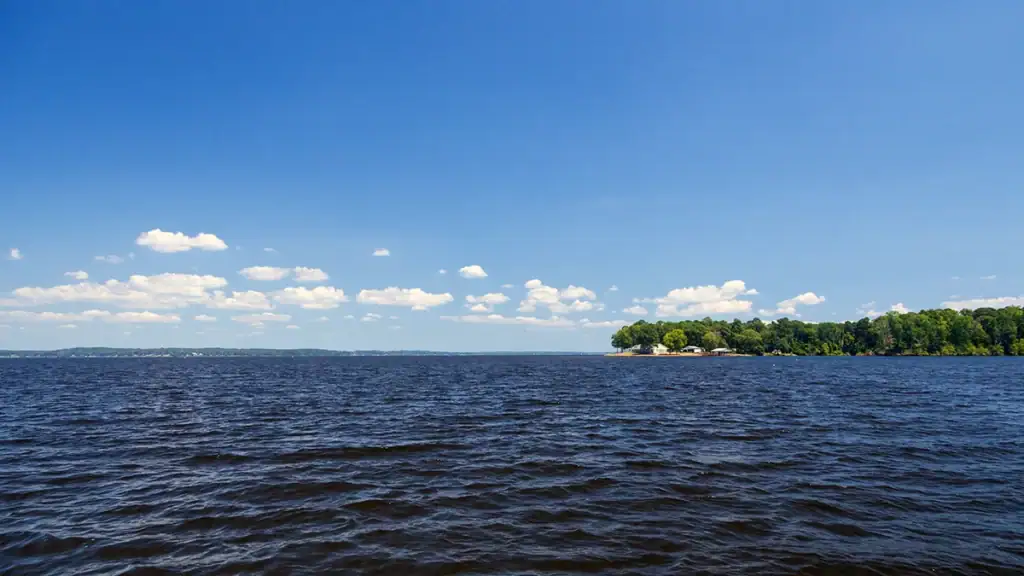
Sprawling Toledo Bend covers nearly 182,000 acres in eastern Texas, extending into Louisiana. Impounded in 1967, its maximum depth is 110 feet, with water in the lower part of the lake generally clear, and vegetation more abundant. On the Sabine River, the lake fluctuates only a foot to no more than five feet most years.
“Toledo has been really stable year over year,” Norman says, regarding its output of trophy bass, with consistently high tournament weights. Particularly in the past couple of years, “the vegetation — hydrilla — has been rebounding” after a drought period.
Sam Rayburn
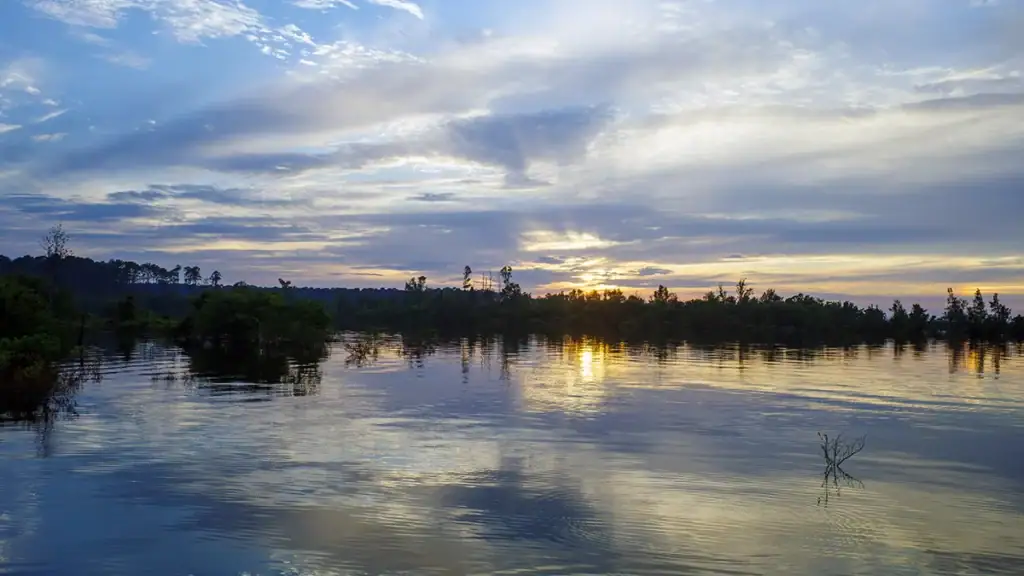
This 115,000-acre reservoir, on the Angelina River in southeast Texas, fluctuates around seven feet per year. Its maximum depth is 80 feet, with clearer water in the lower part. Sam Rayburn was impounded in 1965.
“Year in, year out, Sam Rayburn has been incredibly stable” in relation to trophy bass catches, Norman says. He says the weight of tourney stringers should be at least 20 pounds, and “when it’s really hot, anglers can have 30-plus-pound days.” Early in 2026, the reservoir was going through a drawdown.
Lake Fork
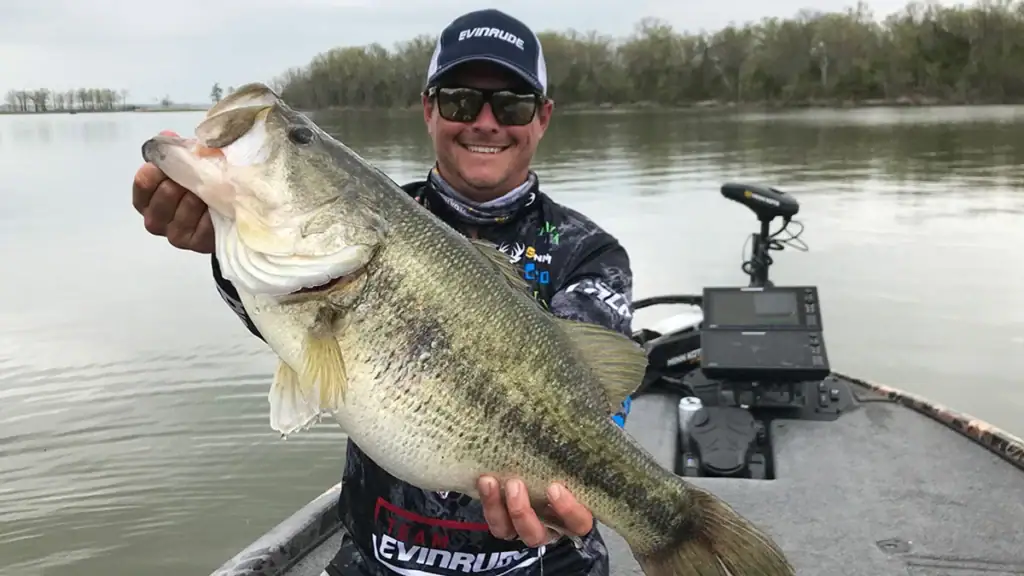
A 27,000-acre reservoir in northeastern Texas, Lake Fork is fed by the Sabine River. Its maximum depth is 70 feet and it fluctuates only two to four feet in a normal year. Impounded in 1980, Lake Fork still has lots of standing timber.
“This is a real boom-or-bust lake,” Norman says. “The fish here are more heavily pressured than in any other Texas lake.” Also, these bass “just seem to be more fickle. With a wind shift or some other factor, they can turn on out of nowhere, but the next day you won’t get a bite.”
Accordingly, the biologist says, “Lake Fork is a very humbling lake” for anglers. But “historically, it has produced the most trophy bass.” More than 65 percent of the state’s top 50 largest bass (including the current state record) and more than half of those entered in the Toyota ShareLunker Program were caught from Lake Fork. This lake also offers outstanding channel cat action. Given good access and lots of small coves, creeks and so on, the lake gets considerable interest from kayak anglers, Norman says.
J.B. Thomas
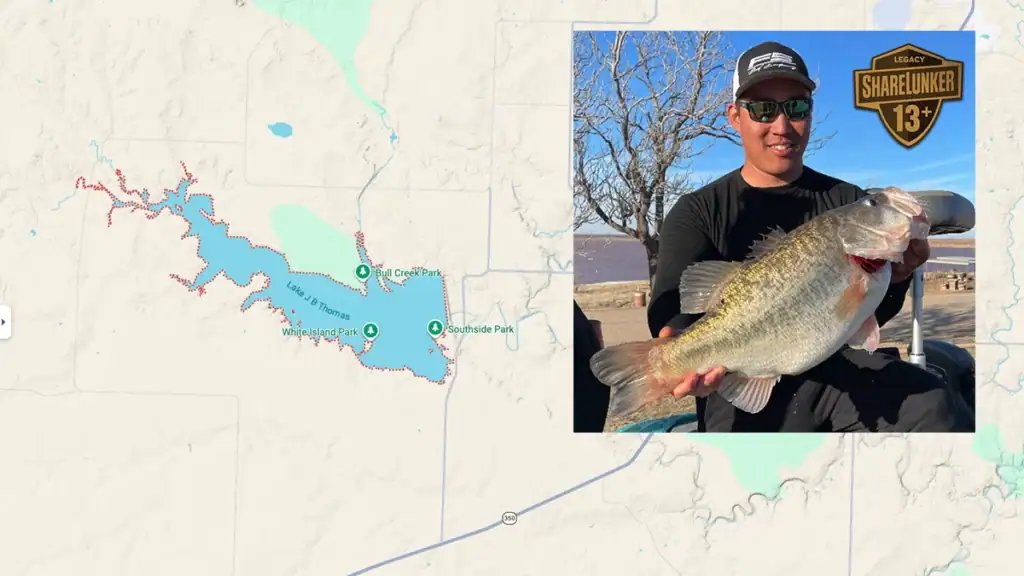
At 7,300 acres, one of the smaller lakes to make the Top 10 list, J.B. Thomas, in west central Texas, is on the Colorado River. It undergoes considerable fluctuation, at four to 10 feet a year. Although the reservoir, impounded in 1952, does reach 61 feet in depth, it is generally pretty shallow, with a mean depth of 13 feet.
Interestingly, J.B. Thomas “wasn’t even on the map” for Texas bass fishermen for years, Norman says. So it didn’t get a lot of pressure — until more recently. Now “it’s getting blasted.” Last December into January, he says, no lake in the state came even close to Thomas in terms of trophy-fish entries in ShareLunker. This from what Norman describes as “a turbid mudhole,” with red clay in the water reducing visibility to zero. Habitat in the shallow lake is primarily limited to rocks and stumps. “It’s not a quality bass lake in terms of water quality,” Norman laughs — just for its fishery.
Lake Nacogdoches
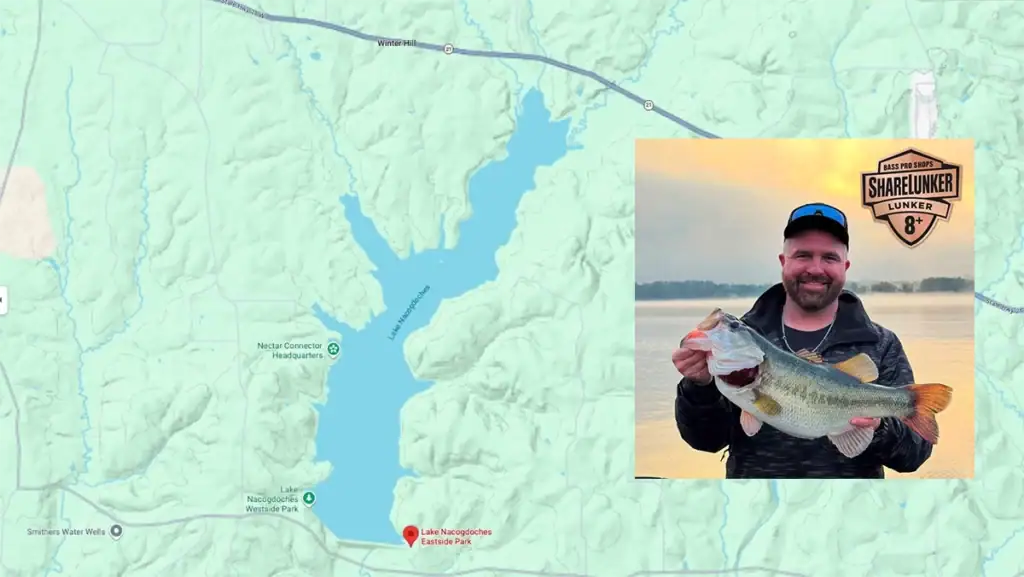
Even smaller than J.B. Thomas, Nacogdoches is only 2,200 acres. The east Texas reservoir was formed when the Angelina River was dammed here in 1976. Annual fluctuation runs a modest one to three feet. Despite its small size, Nacogdoches produces good numbers of fish in the six to 10-pound range, Norman says, year in and year out. And bigger: He cites a 15-pounder weighed there recently. One reason for good trophy numbers here: the 16-inch-maximum length limit.
Lake O’ The Pines
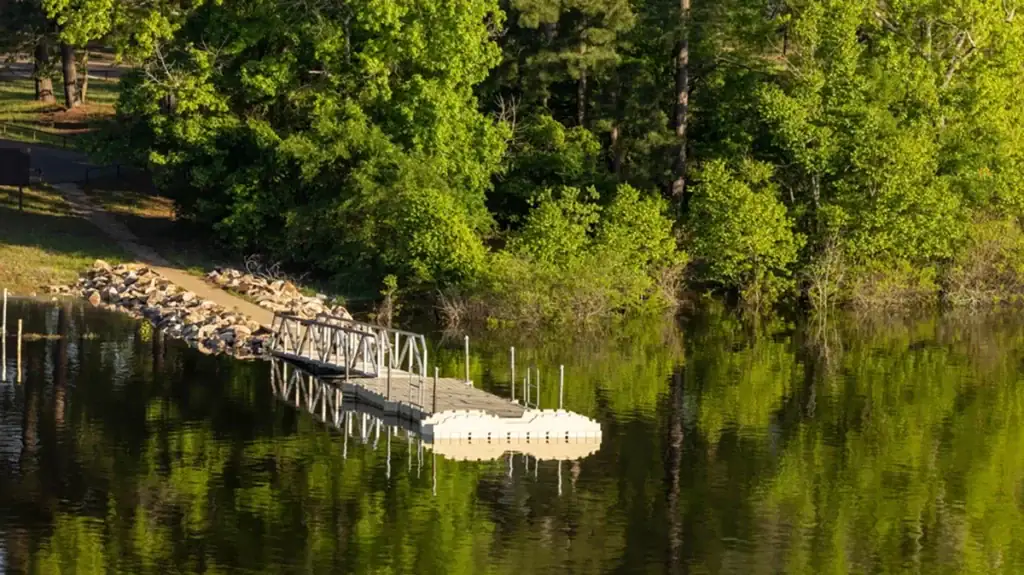
Part of the Cypress River Basin in northeast Texas, Lake O’ the Pines varies (seasonally) from just under 19,000 to almost 20,000 acres. Completed in 1958, depths reach 50 feet. The Pines fluctuates four to five feet per year.
Norman compares the lake to Sam Rayburn in terms of trophy-bass success. Tournament stringers run 25 to 30 pounds, though Norman says numbers of bass caught over 12 pounds are fewer. To supplement the limited amount of downed timber still around, TPWD has installed artificial habitat.
Naconiche
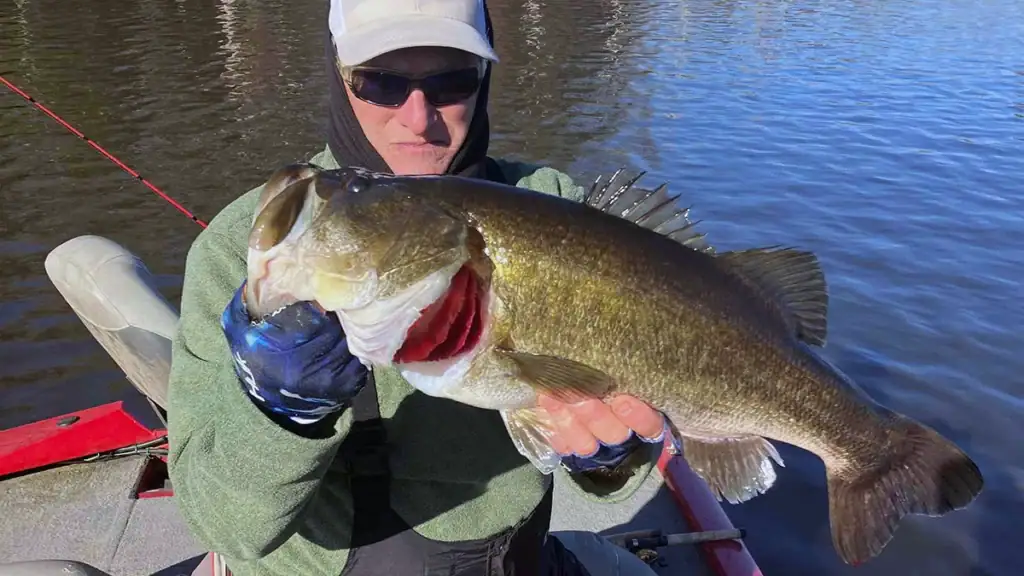
On Naconiche (“Nak-o-nish”) and Telesco creeks in east-central Texas, this small lake (692 acres) was impounded in 2009. It fluctuates only a foot or two in a season. TPWD reports lots of smaller bass (15 to 20 inches) now, but with the fish’s high growth rates here and the lake’s 16-inch maximum, biologists expect an abundance of bass well over six pounds in coming years. The lake boasts plenty of aquatic vegetation (hydrilla and water lily) and some standing timber, plus some artificial habitat. Naconiche’s small size makes it one of the better kayak-fishing lakes on the list, Norman says.
Bois D’arc
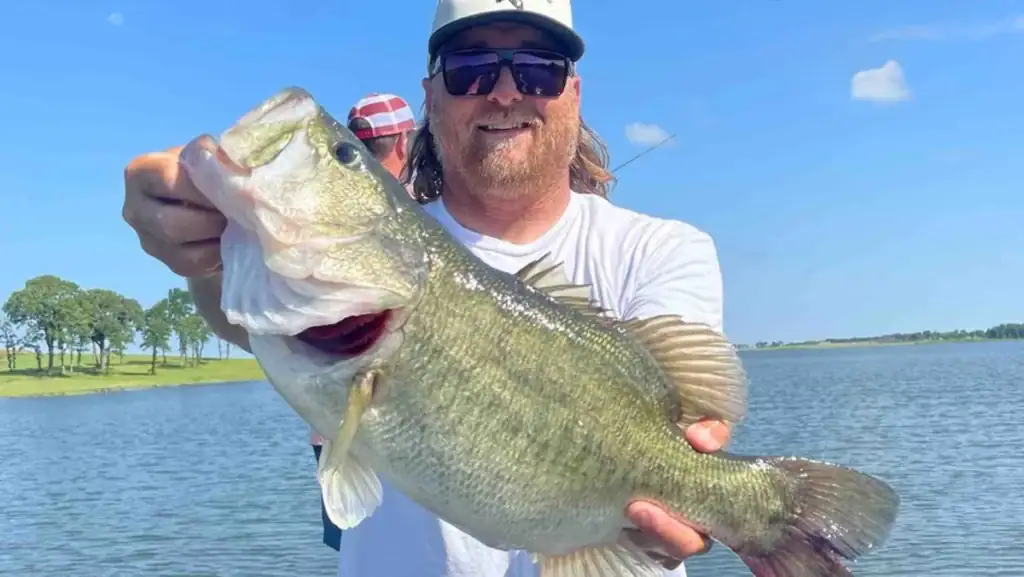
Bois D’Arc (“Bo-dark” in Texas) is the newest reservoir on the list, impounded in 2021 but opened for fishing only in April 2024. Situated about 70 miles northeast of Dallas, the 16,600-acre lake reaches 70 feet. Annual fluctuation in feet not yet determined. Generous areas of standing timber are present west of the 897 bridge and approximately 50 large brush and concrete debris piles were placed in the eastern half of the reservoir.
“It’s been producing a lot of big fish,” says Norman, enthusiastically, and they’re getting bigger. “I expect to see fish over 13 pounds come out of it this year. Like all the lakes on this list, Bois D’Arc has been stocked with “Lone Star bass — our take on genetically supercharged bass” based on the Florida largemouth.
Caddo
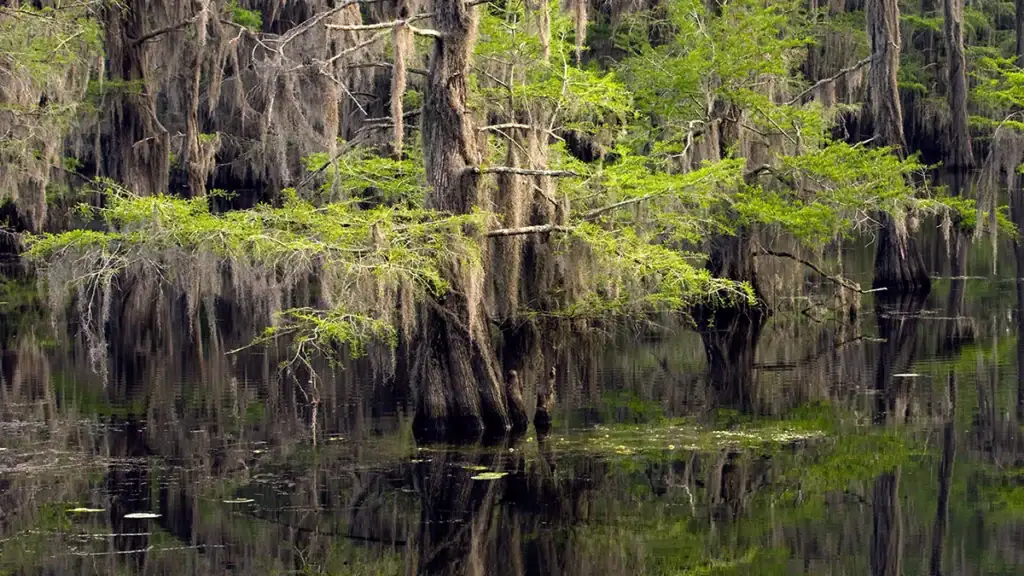
Caddo has the distinction of being the only natural lake in Texas (formed around 1800 in a massive log jam on the Red River), as well as the only lake on the list which is also the subject of a 2024 thriller movie. No longer entirely natural, a dam was added in the early 1900s to stabilize water levels. Part of the Big Cypress Bayou on the Texas-Louisiana state line, it’s 26,800 acres but, unlike impoundments, is shallow, reaching only 20 feet at best and otherwise much shallower. Aquatic plants cover most of the lake with inundated bald cypress trees scattered throughout the lake. It fluctuates four to eight feet per year.
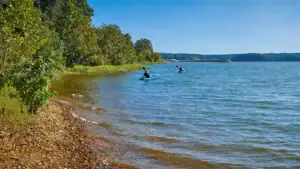
Because Caddo is considered a natural lake, it looks and fishes different from others. Most bass are taken from water no deeper than five feet, Norman says. With all the cypress trees, Caddo rates as another excellent lake for kayak fishing.
About the Texas ShareLunker Program
This research and bass-breeding initiative uses largemouth bass of 13 pounds or more caught by anglers around the state to improve trophy-bass genetics in Texas lakes. Anglers catching a bass of that size document it on the app, with weight from a certified scale and photos, and submit the data via the ShareLunker app or online via their web site. They then arrange for a TPWD representative to collect the live fish within 12 hours for donation to the program’s hatchery. Anglers who participate receive various rewards, but perhaps none better than knowing they’re making a difference for the future of big-bass fishing in the state.