Most tackle and boat companies work very hard at building brand affinity. But, due to the number of choices anglers have today, brand loyalty is a tough nut to crack.
The only fair comparisons come without the sponsorships or discounts many anglers receive. Typically, loyalty is based on success with a company and its products. And although most of us have certain favorites and mainstays we utilize based on seasonal patterns, being loyal to a particular brand is more difficult than ever before.
Every Angler Makes the Sport Grow
Innovation, word of mouth, social media, TV, and sales are all influencing factors, as is the catch success that national pros and local sticks have with a particular bait. Trust in whoever recommends a product is important, too. Without pros and tournament fishing, many great products would never see the light of day. But trust in their endorsement is huge.
While all those elements can dictate giving a product a shot, ultimately it is individual success that parlays product purchases into brand loyalty. Quality right out of the package determines step one. How it performs on your lake, river, or other preferred body of water, however, is the ultimate determining factor. Unless you are getting paid to endorse a product, we all gravitate to those products we have confidence in and success with.
Companies see anglers as a very brand-loyal group. They typically work hard to keep earning that loyalty, and — unless something drastically influences a behavioral change like a ruinously bad experience with a longtime favorite or a comparable brand’s can’t-miss sale — brand-loyal anglers generally stay that way. Although most won’t go on record to say they are.
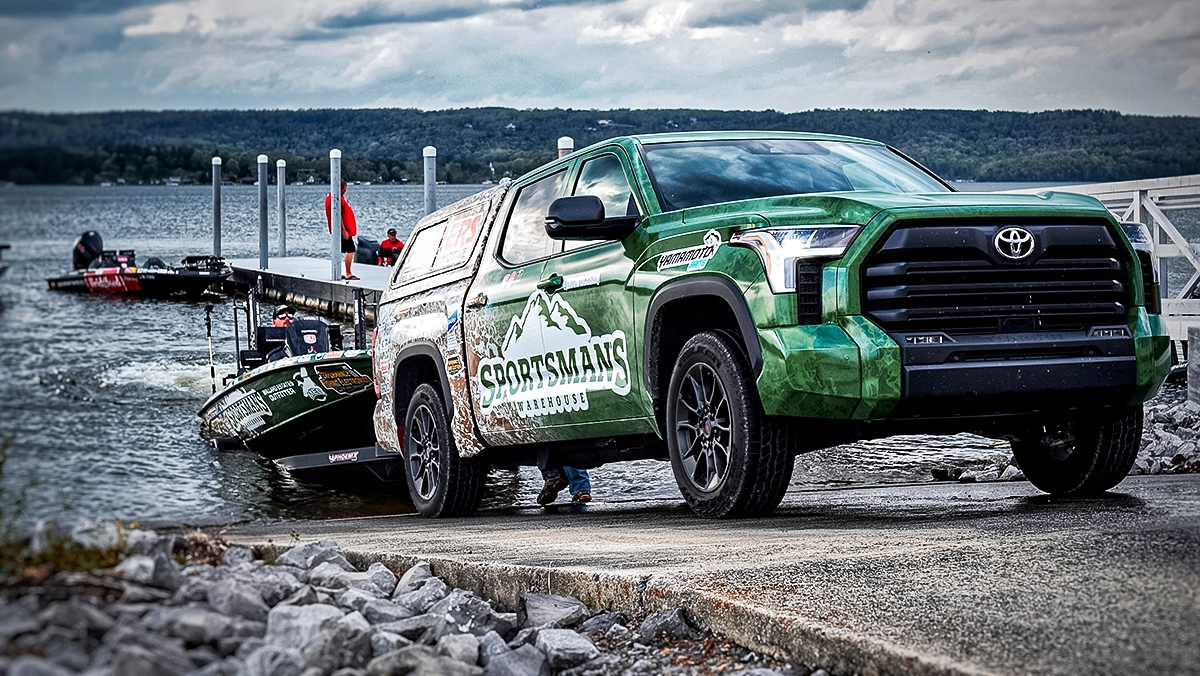
We saw it quickly even on big-ticket items like trucks. Chevy owned this space but when they backed out of fishing, Toyota stepped in. Suddenly, anglers clamored to be in a new Tundra. Parking lots once filled with Chevy hauling boat trailers quickly changed to Toyotas doing the same. Even with generational loyalty, it changed.
How Important is Brand Loyalty?
For instance, if grandpa was a Chevy guy, so too is dad, and later generations generally follow. Today, however, companies have affiliate programs to try to sway that lineage — which, again, can change overnight. To the point of Toyota’s huge push into fishing when Chevrolet’s exit left a void, the Toyota Bonus Bucks program, plus direct involvement with anglers, has moved the needle big time for their truck lineup. Tundra and Tacoma are now pulling more boats to the ramps than any other brand. That paradigm shift was amazing!
It’s clear that brand loyalty is no longer enough. And it continues to waver, especially with so many companies being bought out and ownership changing.
Are Equity-Company Buys Good or Bad?
Consolidations and mergers continue to shrink a marketplace that was previously filled with mom-and-pop companies.
Some are now giant companies that pulled together a best-in-class showing with larger budgets and more marketing wherewithal. Hopefully, they see the brand-building of a large enterprise as much more than just profit and keep the affinities with those brands while building better products in the meantime. Time will tell on that front.
Stay Involved With Your Favorites
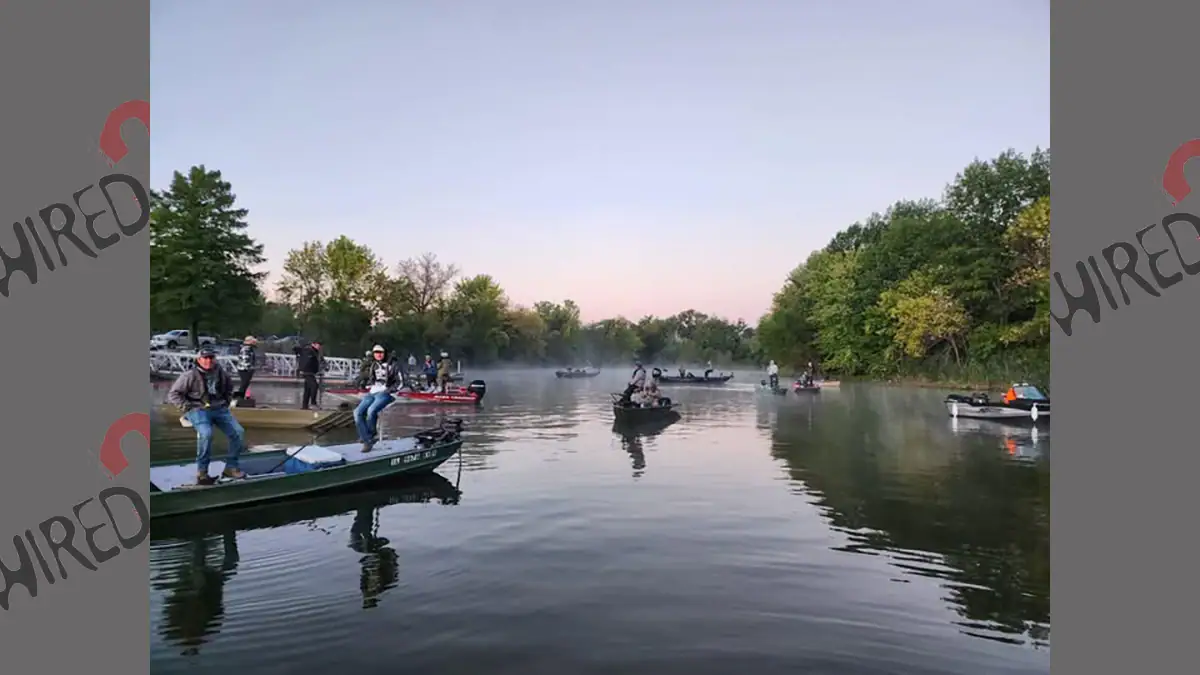
Anglers make the industry go, and developments in new materials, electronics, and better economies of scale should ultimately make the fishing industry better. We are a large and loyal group. And although there is a swing in those loyalties occurring now, it will settle out. I believe very strongly in a competitive marketplace, and those who fish end up cutting the wheat out of the chaff. We will have to wait and see if that is a good thing or not.
I applaud folks who remain loyal to the brands with which they have continued success. That’s what makes companies stronger, but that job gets tougher with consolidations and acquisitions. Most anglers do not have much say in company direction once that occurs, other than reaching out to the new company and social channels. But it is important to give the new company some time to see if its changes are favorable — more inventory and better pricing — or negative, like higher prices and degradation of product quality. I have seen both.
What the Future Holds
Consolidation or an equity purchase can be bad. But I have seen examples where the purchase actually made better and new products due to a larger scale, so I like to give it time to mature.
There will be more of these changes coming down the road. If one of your favorite brands is among those impacted, stay loyal until you have a reason not to versus looking at the negative out of the gate. Give the new company a chance. Time will tell if it’s good or bad.