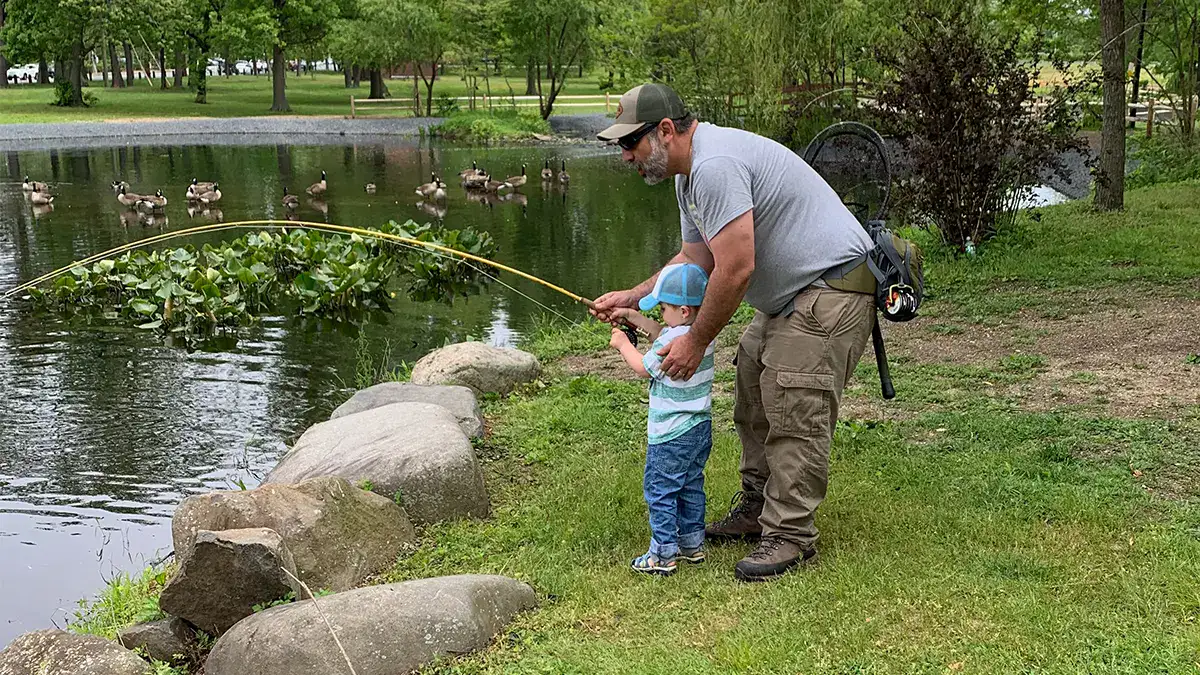
Teaching children to fish can be an incredibly rewarding experience. Before I had a son of my own, I worked with the “I Fish New York” program as part of my duties in the Freshwater Fisheries unit of the NYS Department of Environmental Conservation. Once a week, or more, we put on a clinic for young anglers. Though there was a lot of untangling lines and baiting hooks teaching groups of up to 30 youngsters to fish, the smiles when they caught their first fish made it all worth it.
Introducing my son, now 8, to fishing is one of the high points of my time as a father. There’s nothing better than spending time with him out on the water, and the smile he makes when he hooks a good one is second to none. I recently had a proud dad moment when fishing for perch in late November. Despite my son’s lips turning blue from the cold, he didn’t want to head back to the ramp because he was having too much fun.
Fishing is much more than catching fish; it’s a gateway to patience, curiosity, and a lifelong connection with the outdoors. For kids, it blends adventure with quiet moments, hands-on learning with family time. Introducing children to fishing doesn’t require expert skills or fancy gear; it just takes enthusiasm, simplicity, and a focus on fun.
Keep It Fun
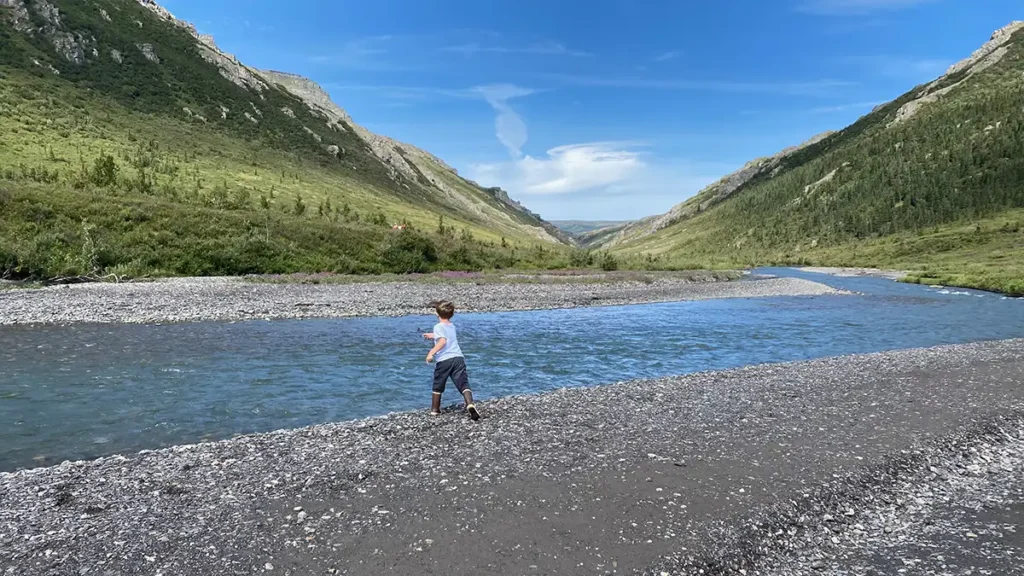
For beginners, especially kids, the goal shouldn’t be how many fish you catch, but rather how much fun you can have. While you should make fishing the primary focus of these outings, don’t hesitate to take a break to catch frogs, stare at cool-looking clouds, or skip some rocks. The goal is to make these outings so much fun that they ask you to go over and over again — even if they don’t involve a ton of fish at first. When kids associate fishing with good times, they’ll want to come back.
If kids are young, skip the boat, at least in the beginning. Confined spaces don’t allow for running around, and their energy can bubble over if it’s bottled up too much. Choose a calm, accessible spot like a local pond, lake, or pier where action is likely and distractions are minimal. Keep the trips short at first, and work your way up to longer outings. Let them run around if needed. And whatever you do, don’t forget the snacks.
Keep It Simple
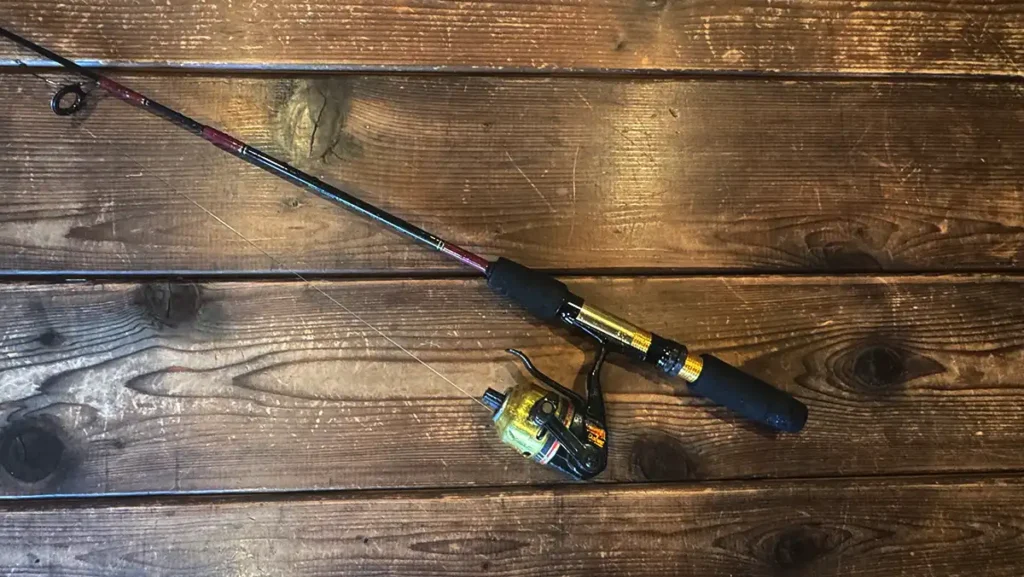
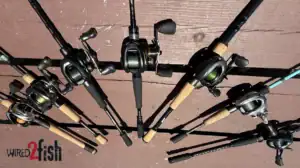
Leave the baitcaster and other complicated equipment at home on the first outings. Spincast reels are easy to handle and kid-friendly, making for a less frustrating experience. Underspin reels, like those favored by crappie anglers, can make the jump to spinning reels easy. Simple setups with a short learning curve help kids feel confident and lets them focus on fishing. Brightly colored bobbers, rods with fun color schemes, and basic tackle keep things approachable and engaging without overwhelming them.
Once they master the spincast, you can step up to a spinning setup. These are much simpler to learn than a baitcaster, and can cast lighter baits than both spin- and baitcast reels. There are a number of excellent rod and reel combos on the market, as well as tailor-made setups like the Ugly Stik GX2 youth spinning combo. Don’t discount fly fishing either, though you should spend plenty of time practicing casting before you hit the water. My son found fly casting fun, and burned plenty of hours messing around in the yard. I gave him an inexpensive fiberglass Eagle Claw fly rod so he didn’t break any of mine.
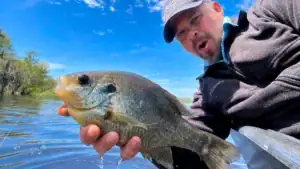
You might not want to jump right into lures, either. Bobber fishing with live bait is likely to be easiest for inexperienced anglers. It’s also more likely to produce a lot of bites, too. You may be a certified double-digit bass hunter, don’t expect that kind of patience out of kids. Target panfish, such as bluegills or perch, for fast action. Bent rods equal smiles.
Keep It Hands-On
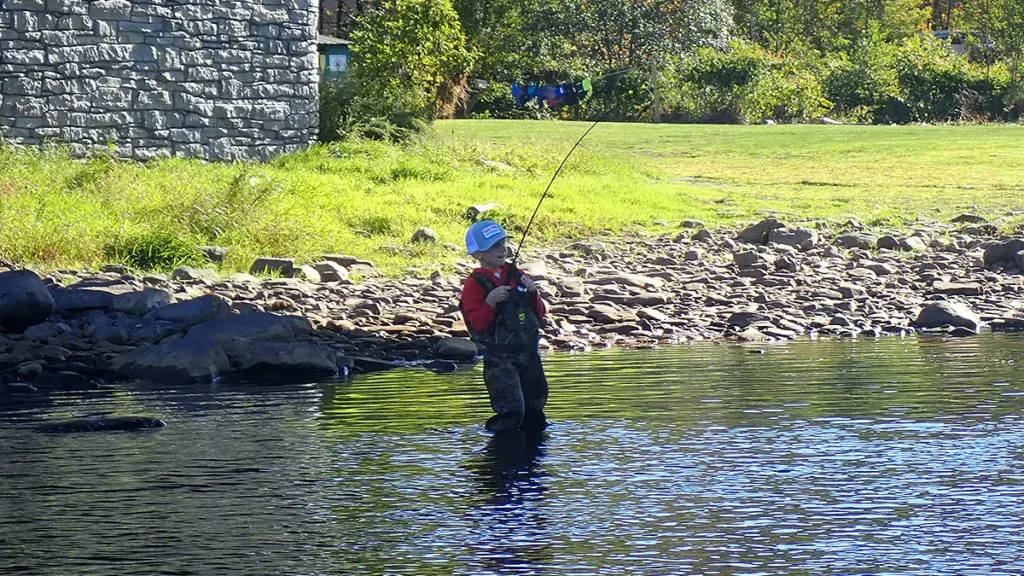
Kids are less likely to be engaged if you’re lecturing them, so make sure that they are an active participant in everything you’re doing. Let kids help with age-appropriate tasks: choosing bait, casting (but don’t be afraid to help as needed), or spotting bobbers.
Even catching your own bait, such as trapping shiners, picking crawlers, or catching crayfish can be a lot of fun. Make it a part of the outing so the kids can be involved in it all. Sometimes it’s as much fun as catching fish!
Explain what’s happening beneath the water: where fish live, what they eat, and how they interact with their environment. Turning fishing into a mini science lesson sparks curiosity and keeps young minds engaged. Understanding fish behavior will also make them better anglers.
Sweat The Small Stuff

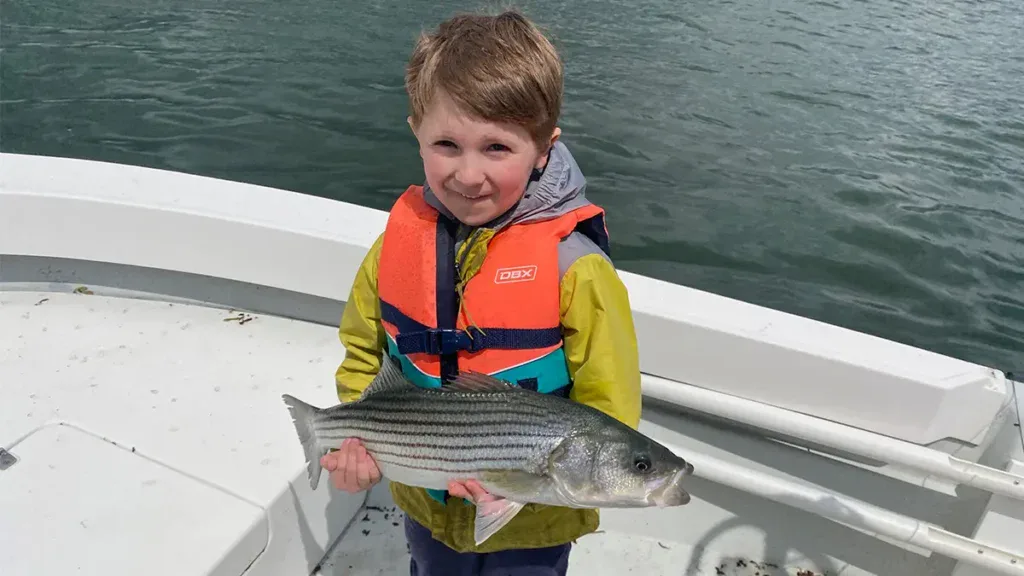
A nibble on the line, a smooth cast, or learning to tie a knot are all wins. Celebrate them. Praise effort and learning, not just results. If a fish is caught, make it a moment — take a photo, talk about the species, and practice gentle handling before release. Remember, the goal here is to make positive memories, so offer encouragement whenever possible.
In the interest of fun, don’t be afraid to bring some friends or siblings along. As mentioned earlier, take some breaks. Tell stories, play “I Spy,” explore the shoreline, or even go for a swim. My son and I will often stop for a rock-skipping contest. Games and laughter keep energy up and pressure low.
Keep It Safe
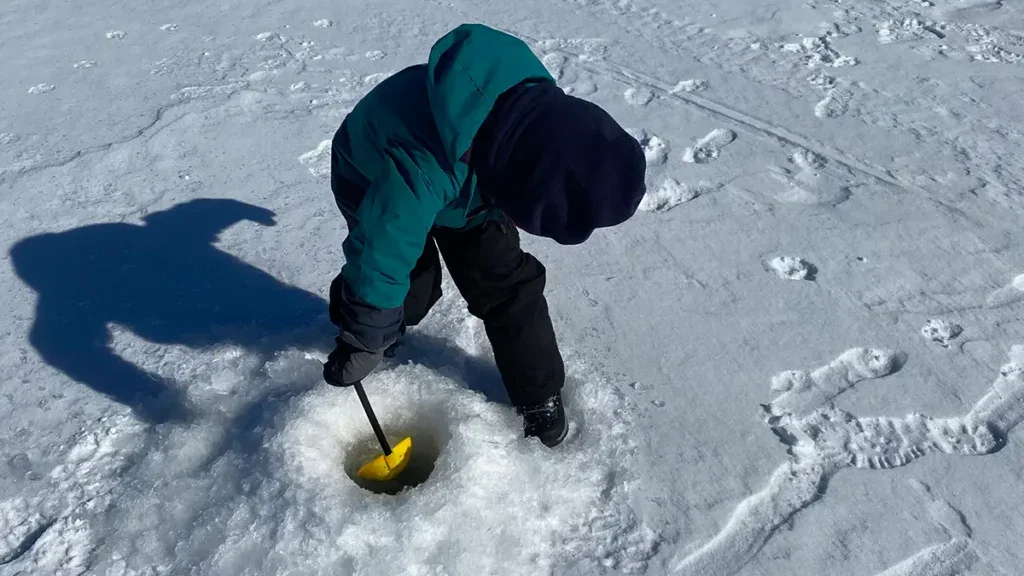
If someone gets a hook stuck in them, it will take away from the fun. Teach kids basic safety rules: being aware of hooks, keeping their distance when casting, and respecting wildlife. Sun protection, snacks, water, and comfortable clothing make a big difference. A happy, comfortable child is far more likely to enjoy the experience.
A Lifetime Of Fun In The Outdoors
I remember the moment it all “clicked” for my son. He was standing in the bow of our canoe, adamant about not needing dad’s help. He was casting a tube along a rocky shoreline when a healthy smallmouth smashed it and just about pulled it out of his hands. The fish was great, but he was more satisfied that he was able to get it all done by himself. If he wasn’t hooked before, he was then.
Aside from all the fun it will bring, fishing can teach kids patience, responsibility, and respect for nature. It offers a screen-free space to talk, reflect, and unwind together. Whether they become lifelong anglers or just fondly remember time by the water, the benefits last well beyond the day’s catch. With a little preparation and a lot of positivity, that first cast can lead to a lifetime of appreciation for the outdoors.