Fentanyl, one of the most dangerous synthetic opioids on the planet, is now present in wild fish.
A newly published study in the journal Environmental Pollution reveals that fish living downstream of wastewater treatment plants are accumulating a cocktail of human pharmaceuticals, including fentanyl, directly in their bodies.
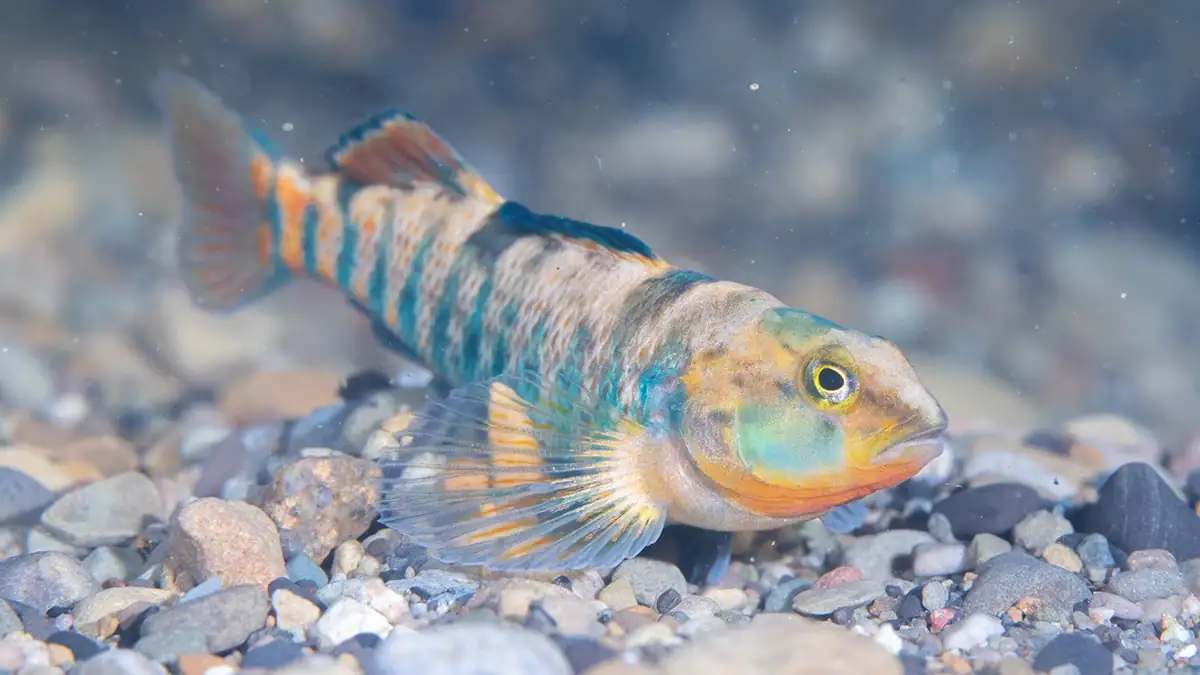
Researchers analyzing Ontario’s Grand River system examined water, wastewater effluent, and darters, which are small, bottom-dwelling fish commonly used as environmental indicators because they don’t tend to move much around a waterway. The results? Fish that could not pass a court-ordered drug test or obtain a commercial driver’s license.
How It Happened
Despite modern treatment processes, a wide range of drugs persist in the environment. Water samples show 19 different compounds, including opioids, stimulants, and antidepressants. Fentanyl itself measured 16.1 ng/L in wastewater effluent and remained present downstream at 0.82 ng/L, which was nearly five times higher than upstream levels. Other substances like codeine, methadone, and the widely prescribed antidepressant venlafaxine were also consistently detected, illustrating the flow of human-derived chemicals into natural systems.
These substances are present in not only the water, but also fish tissue. Using an advanced method capable of detecting compounds at extremely low concentrations, researchers confirmed that they consistently found fentanyl, methadone, and antidepressants across all three darter species studied.
Fentanyl concentrations in fish reached as high as 0.7 ng/g in rainbow darters collected downstream of wastewater discharge points, with levels typically two to four times higher than those found upstream. The study also found that male fish tended to accumulate higher concentrations than females, pointing to biological differences that may influence how these contaminants build up in aquatic organisms.
While darters are small, they can have a big impact on the food web, serving as a food source for larger gamefish such as bass, walleye, and trout. When contaminants like fentanyl accumulate in forage species, they have the potential to move up the food chain through a process known as bioaccumulation and trophic transfer. That means larger predator fish may be consuming dozens or even hundreds of contaminated prey over time, potentially concentrating these substances at higher levels in their own bodies.
An International Concern
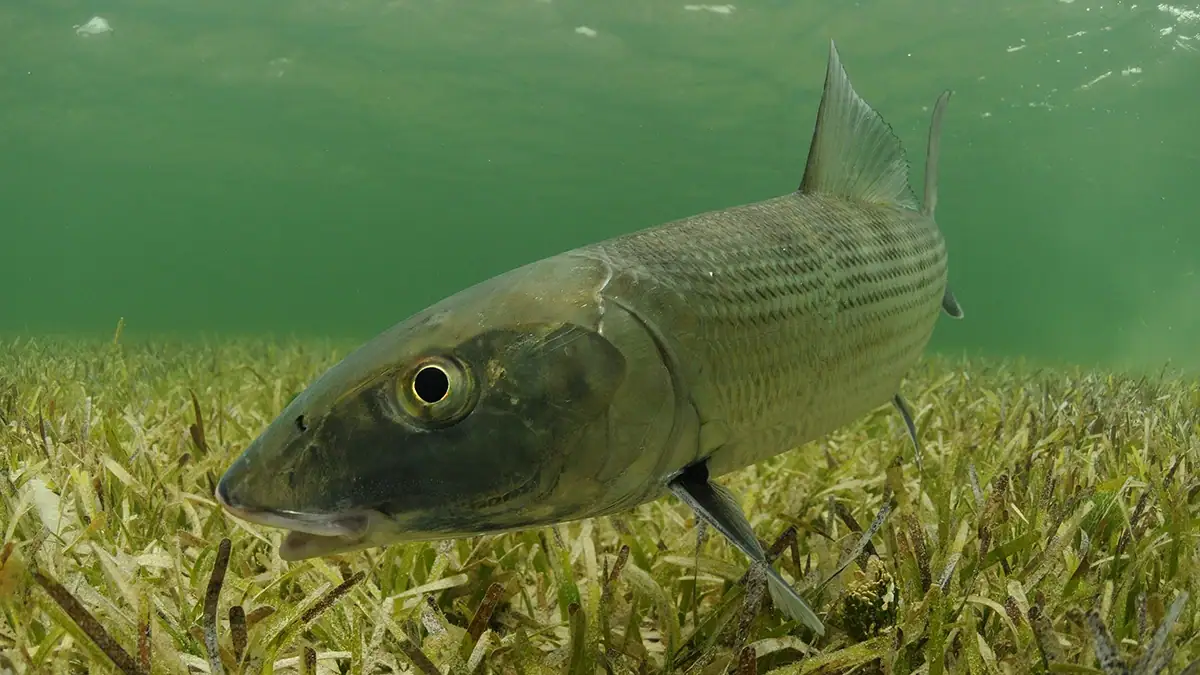
Although this particular study did not examine gamefish, others have shown the presence of pharmaceuticals in larger predators. A three-year study conducted by Florida International University (FIU) and Bonefish & Tarpon Trust found widespread pharmaceutical contamination in bonefish populations across Biscayne Bay and the Florida Keys.
Researchers sampled 93 fish and discovered an average of seven different drugs per fish, with one specimen containing as many as 17. The contaminants included common human medications such as antidepressants, antibiotics, pain relievers, and blood pressure drugs.
These substances were also detected in prey species like crabs and shrimp, with each containing an average of 11 pharmaceutical contaminants. This indicates a possible spread upward to the bonefish.
Fentanyl and similar neuroactive drugs are specifically designed to affect brain chemistry; even at low concentrations, they can influence fish behavior and physiology. Previous work by researchers at Sweden’s Umea University has linked such exposure to altered movement, changes in feeding behavior, reduced reproductive success, and disrupted stress responses. In a sentence I’d never thought I’d write, Atlantic salmon exposed to cocaine swim a lot more than specimens that haven’t been, which seems to make sense. While this scenario may seem improbable, a 2019 study found cocaine, methamphetamine, antidepressants, and others in freshwater shrimp.
Anticipating the Long-Term Impacts
Because these compounds target neurological systems responsible for survival and behavior, their presence could have cascading effects throughout aquatic ecosystems, potentially altering predator-prey relationships and overall fish health. Long-term observations will reveal the effects on fish populations as a whole, and it certainly warrants further attention to the treatment of wastewater.
Currently, wastewater treatment plants are not equipped to remove pharmaceuticals and other drugs. Even advanced systems that include filtration and UV disinfection only partially eliminate these compounds. As a result, rivers and other water bodies receive a continuous stream of low-level contamination, continually exposing fish and other aquatic organisms. Only time will tell what impacts this could have on fisheries and aquatic ecosystems.
The University of Waterloo study on the Grand River estimated that wastewater effluent made up about five percent of the river’s flow downstream of the treatment plant. Though that might not seem like a lot, it is enough to significantly elevate drug concentrations in both water and fish. And studies such as these show that this contamination might be more widespread than originally thought.
These discoveries don’t mean it’s time to panic about eating fish, but it warrants further investigation into how we treat our wastewater. Because the things we flush don’t simply disappear.