May is when the spawn starts shifting from south to north. Almost all of the bedding bass have left the spawning grounds south of the Mason-Dixon Line. But as you near it, and especially as you venture north, the spawn either is still in full swing or will be before the month’s end.
Bass from Kentucky Lake to the Great Lakes will be in some phase of the spawn this month, so look for big ones shallow. There will still be some shallow down south, too, but you’ll need to start keeping the deep bite honest.
I’ll break down what lures we’re throwing here in the South, and then we’ll connect with a few other anglers around the country to see what’s working in other regions.
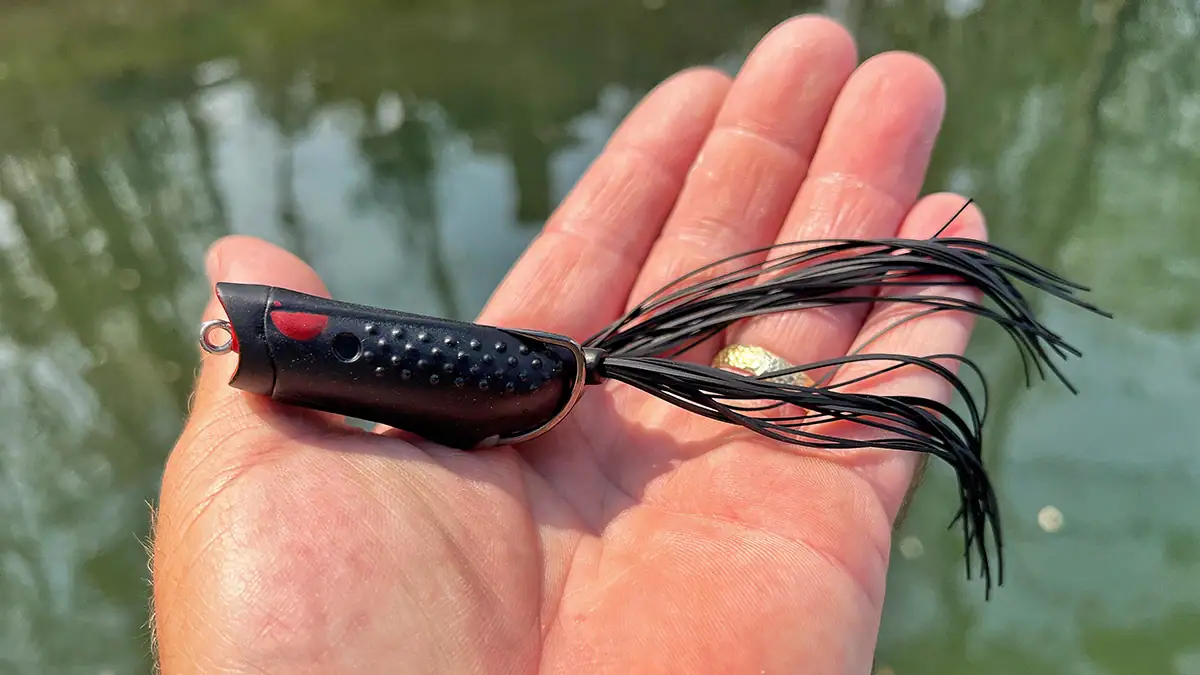
Popping Frog
I love May in the South: It’s when the topwater bite is full-bore. The cold nights are gone, the water is warm to start the day, and you can catch bass daylight to dark on a topwater — even after dark on buzzbaits and toads.
But it’s the popping frog that shines brightest in May. This bait does a good job of mimicking a bluegill that’s struggling or chasing bugs on the surface. That makes it ideal for fishing around bluegill beds, of which there are plenty in May. And, as insects like mayflies start to hatch, there’s no better bait to plug into that puzzle. Being able to skip a G-Ratt Baits Popping Frog and work it slowly through the strike zone — no matter the density of the cover — makes this my favorite May bait.
Wakebait
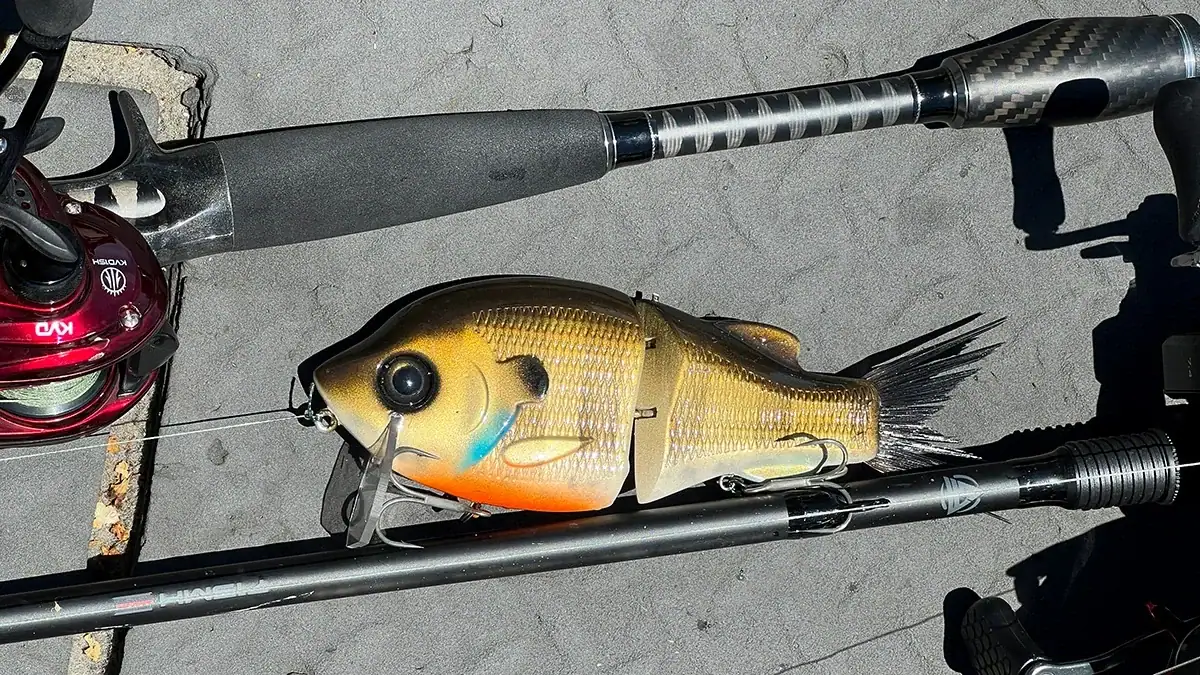
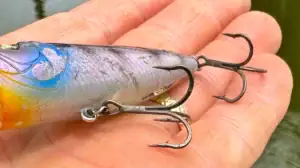
Another favorite of mine for this month is the wakebait. You can throw smaller ones, too, and catch a lot of fish. But I’ve really gotten into throwing big, bream-imitating wakebaits for a handful of bites a day. There’s just something about waddling the Clutch Wake Gill across the surface that unlocks an apprehensive anticipation deep down in me. And when a big one does finally unload on this lumbering lunker hunter, it’s all worth it.
You’ll need big gear for this one, though. I like a 7’ 6” or bigger medium-heavy rod with this bait, a 200-size reel, and 50-pound or bigger braid. You want a rod with a good bit of bend in it so fish can pull the bait down without you snatching it away from them. Ideally, the rod will just load up and the fish will hook themselves on the large, dangling trebles. Then you can haul them to the boat and flip them in with this setup.
Medium- to Deep-Diving Crankbait
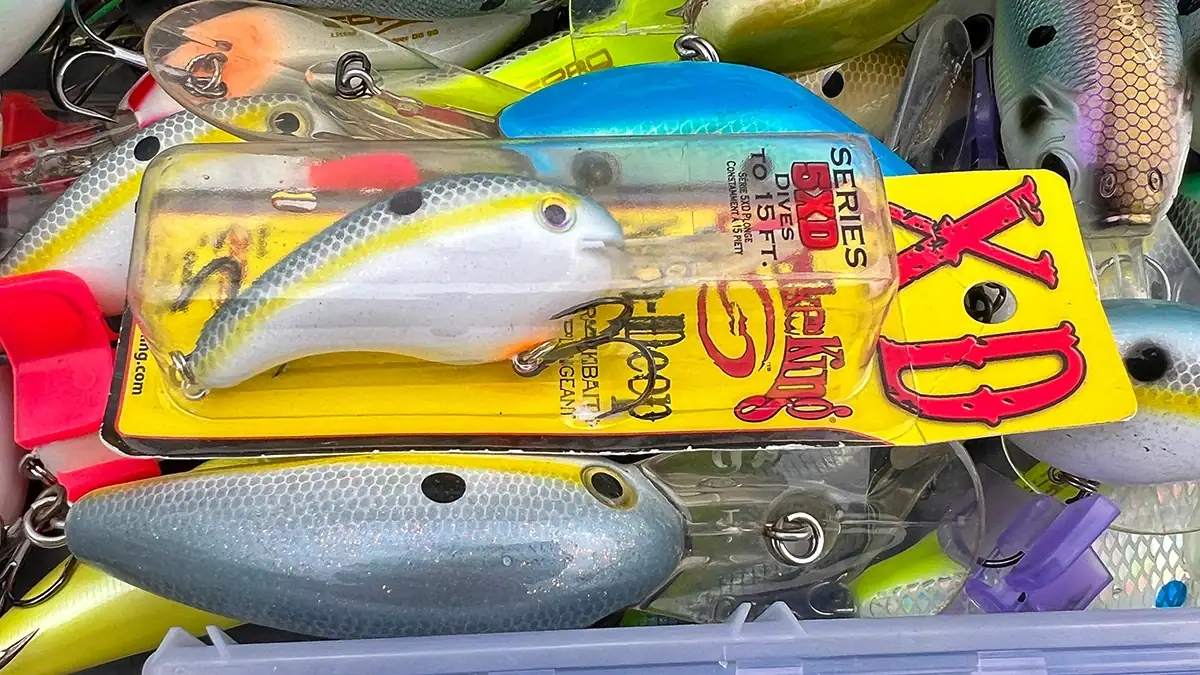
The fish are post-spawn across the South for the most part, with a few lingering on bed in the region’s northernmost reaches. But, by and large, the bass are off the bed and either headed to feed on shallow bait or out to deep water.
On their way out, they’ll often collect on the first piece of cover or structure they can find in the 10- to 12-foot range. This is where a medium- to deep-diving crankbait like a Strike King 5XD can catch them quick. With a crankbait like this, you can cover water quickly and often catch several of these freshly post-spawn fish — before having to slow down with a worm or jig later in the summer, after they’ve been beat on for a while.
VIDEO: Best Bass Lures for May
Wacky Rig
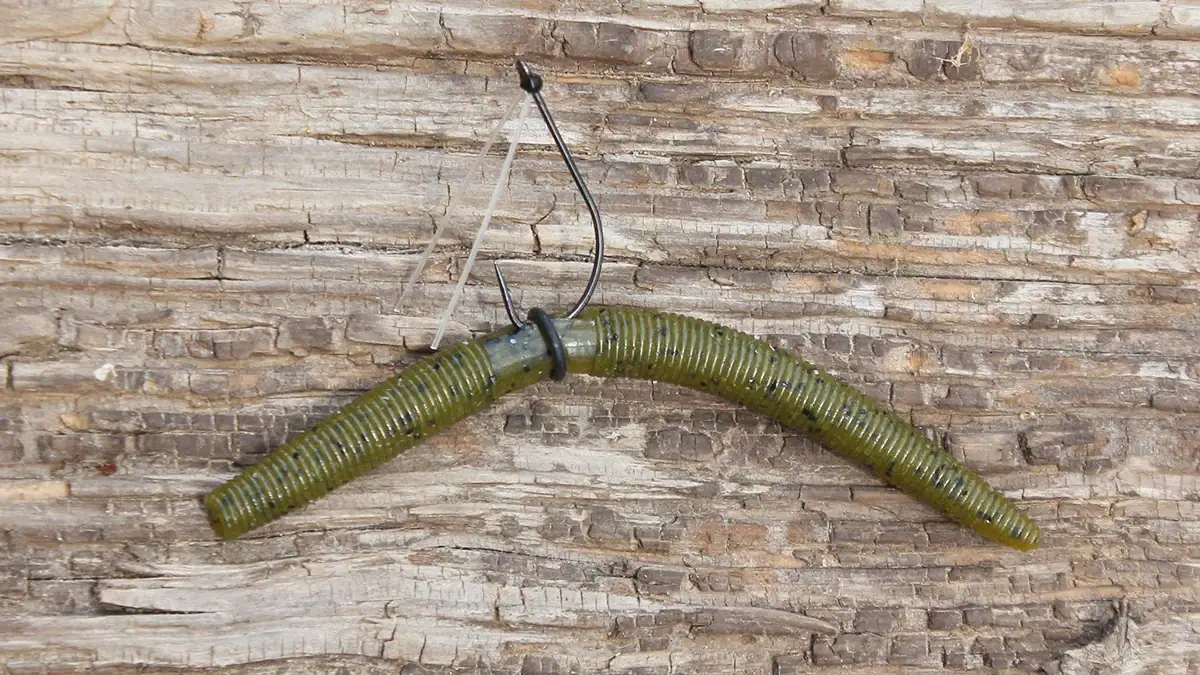
The wacky rig was a top performer in April and will continue to produce throughout May. This simple and subtle bait is one of the all-time best follow-up baits for having on deck when a bass boils on a topwater but doesn’t get it.
Bass can be a little finicky in this month’s early post-spawn phase. And they are often still guarding fry in May, too. So these fish will sometimes take a swing at a topwater, but not connect. Picking up the wacky rig and tossing it back in is a great way to catch them. And it’s a great first choice in high-percentage places, like under shady bushes and docks.
What Kyle Patrick’s Throwing in New York
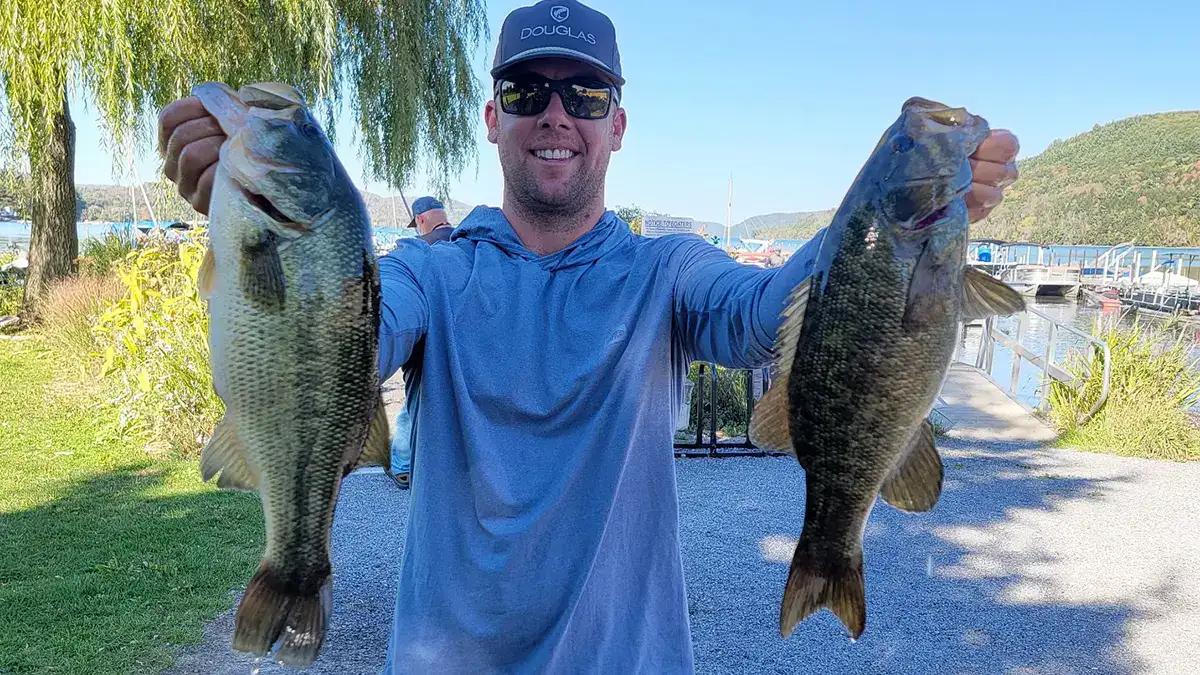
At the beginning of May in New York, water temps are still in the 50s. So fish are very lethargic on the mainlake. But if you can find a creek or bay or any sort of warmer water, you get just groups and groups of fish filling in, and you can catch them cast after cast on a jig and a ChatterBait. Really, those two are the biggest players.
Anything that sort of mimics a blue gill or crawfish that you can kind of vary the retrieve on works well. The muddier the water, I really like to slow roll the ChatterBait. I just like getting to fish with big line and jacking them because, up there right now, man they’re eating. They’re just gorging in those warmer areas.
I stick with a 1/2- or 3/8-ounce in both baits. I use just a standard flipping jig with an Xzone Adrenaline Craw Junior on the back. And then for a ChatterBait, the Strike King Thunder Cricket. For that trailer, I actually have been using my new bait I designed with Xzone on the back. It has more of a shad profile.
Fish around grass, wood, it really doesn’t matter. It’s just about the warm water. If you can get on a body of water and a bay or creek that has warmer water feeding to it, it literally attracts every largemouth in the general area — like, every single one of them. It’s pretty basic for largemouth up here this time of year. You get in the right area, you’re on ‘em.
Smallmouths are just kind of cruising up shallow, trying to get ready to spawn. They’re only five or six degrees away from completely going nuts on the bed. So they’re just kind of cruising in the shallows — 15 feet or less — just getting ready to do their thing. Mid-May, especially if the weather cooperates, the bed fishing’s ridiculous.
What Clifford Pirch Is Throwing In Arizona
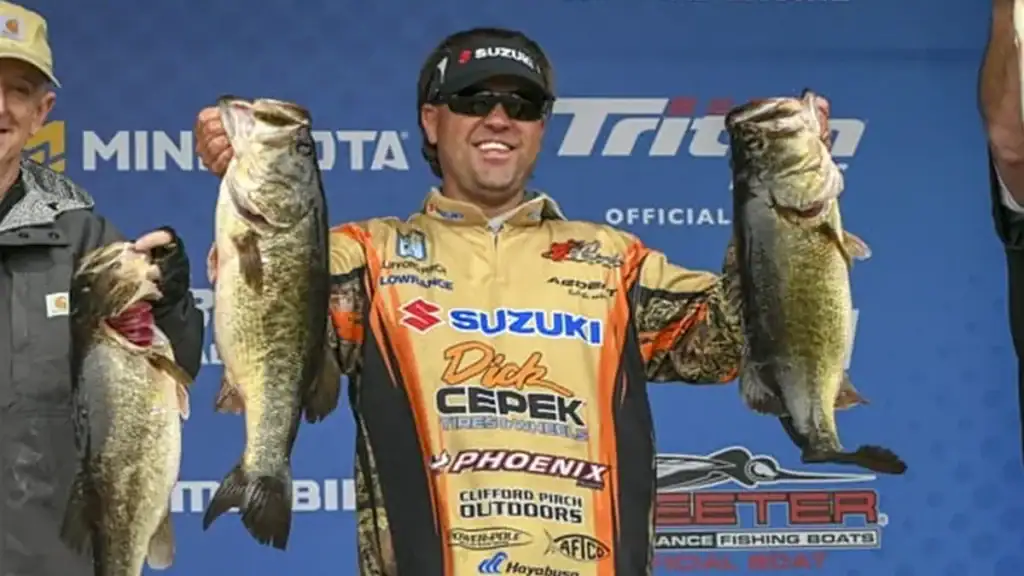
We’ve got a lot of late-spawning fish and fish guarding fry, so we’re kind on the tail end of the spawn and heading into the post-spawn. I keep a drop shot and a Neko rig, rigged and handy. I throw a Big Bite Baits Cliffhanger on the drop shot and Nekorama on the Neko rig. I use these mainly to throw at fish that are on beds or guarding a spot.
The other thing I’ll use a lot is a topwater like a Rico. The new Lobino Loco Rico is a really good bait. It’s a popper that you just basically cast to targets and, because it doesn’t leave the strike zone so fast, they just can’t stand it. It’s a good bite getter. Those will probably be the three things that I’ll be throwing a lot.
What W2F Editor Sam Hudson is Throwing in Florida
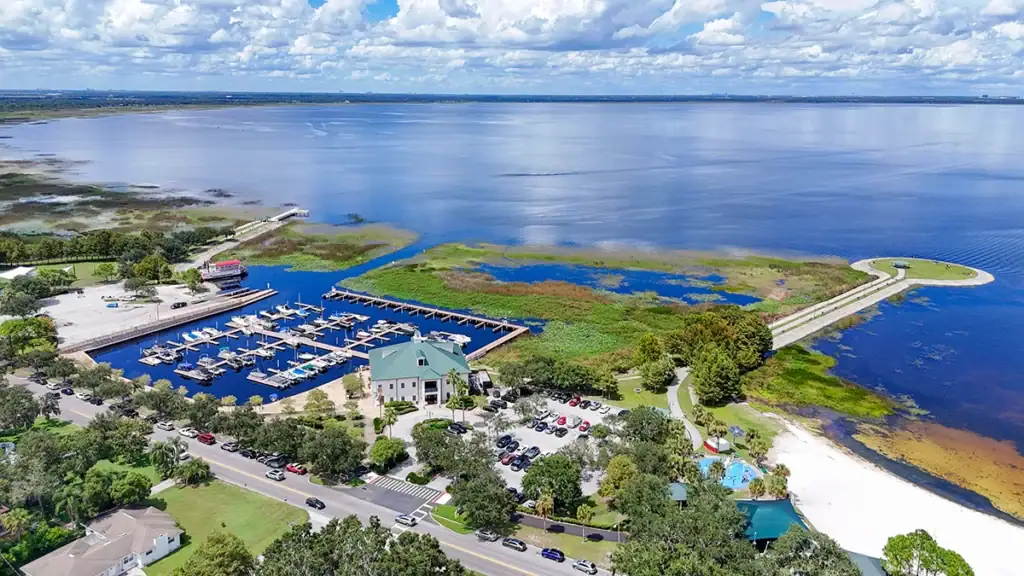
In Florida, the spawn is over. Air temperatures are hitting the 90s most afternoons inland and that means largemouth are off the banks. So, the first place to look is those transitional areas, as waters surpass the 80s. Many Florida lakes have weed growth that’s fueled by heat, sun and over-nutrients, but that’s definitely the stuff to look for.
In Central Florida, everyone is hitting the well-known bass factories like Toho, Kissimmee Chain, Butler Chain near WIndermere, and even the Winter Haven Chain. And don’t forget about Rodman Reservoir that was recently re-filled to full pool — its stump field is a bit more navigable now.
In the morning, throw a topwater frog before the sun peaks above the houses. As hours get warmer, look for clean water with Kissimmee grass and eelgrass. Throw ChatterBaits, bladed baits and swim jigs that really move through that cover. Then when the air starts to bake, either head deep with a lipless crankbait, or find cover in the shadows from docks or pads. Don’t look too closely, but Florida’s nearly in summer mode already. A bait that’s not popular everywhere but can really get the bite going is the weedless fluke. First, you can toss it at any bait schools that rise to the surface from predators. It cuts through the shallow vegetation too, able to pick apart a dense shoreline. And, of course, you can skip it under docks to find hidden bass.
One word of caution, if you notice air boats spraying herbicides in an area of the lake, don’t bother with it. Those plants are about to get trashed, and the bite will shut down. Sometimes you’ll come across an area that’s been nuked recently and that’s also not worth fishing. The plant dieoff leads to cloudy water, algal blooms, and mucky bottom, and potentially an anaerobic zone for an extended period of time.