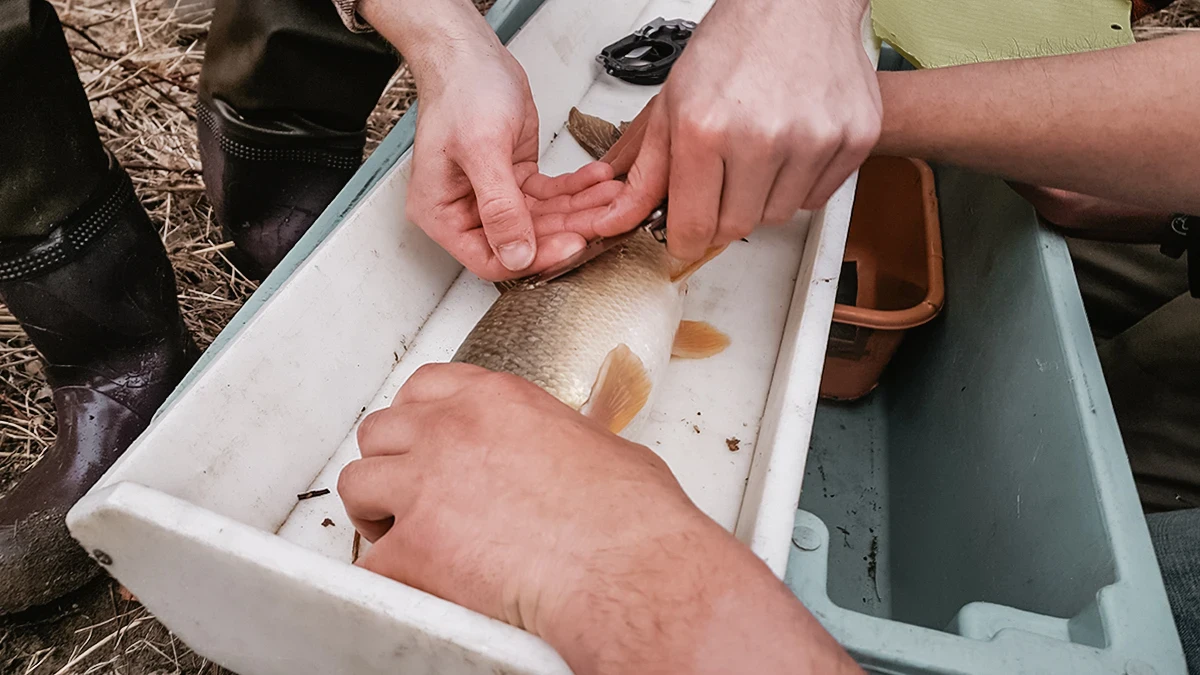
I started working in fisheries and aquatic management after graduating college, often hearing anglers’ familiar complaints at the boat launch or bait shop. I’ve just about heard it all, things from “These regulations don’t make any sense!” to “The size limits are out of control!”
The truth is, to anglers, it can look like people who don’t fish wrote a bunch of these rules.
But the reality is far different. State fisheries regulations are the end result of years — sometimes decades — of biological data, fieldwork, modeling, and public input. They’re not perfect and they’re always evolving, but every regulation has a scientific foundation. Understanding what goes into making them helps explain why those rules exist in the first place.
Biological Data is the Foundation
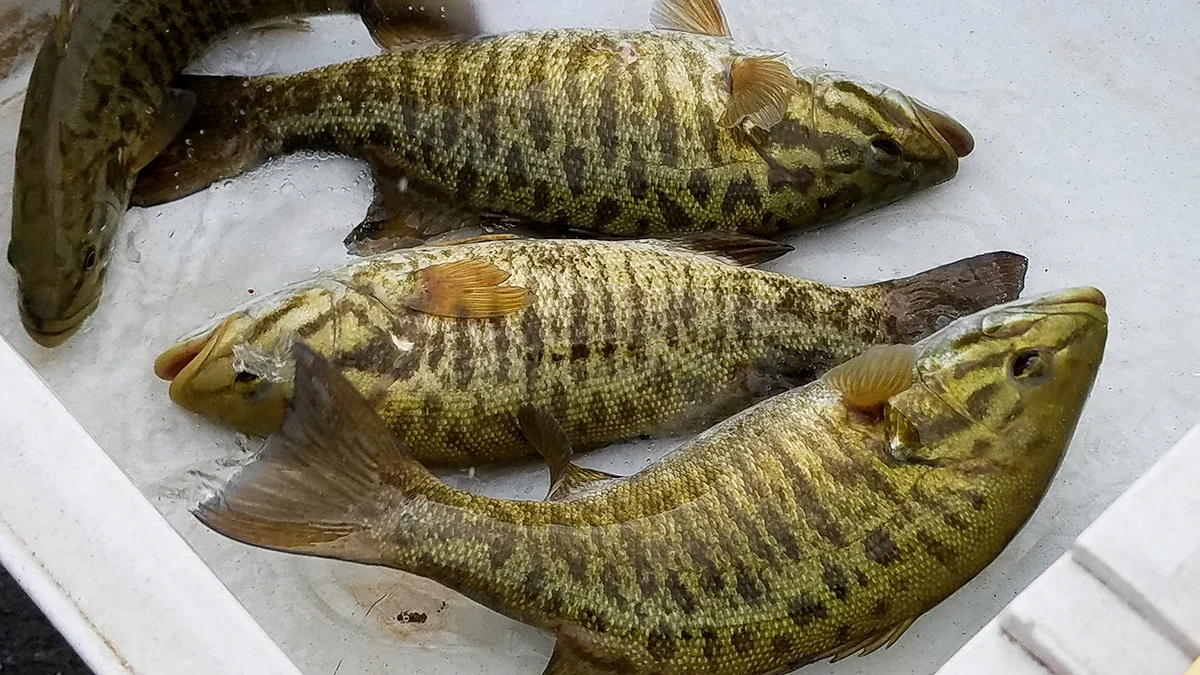
Everything starts with data. Fisheries agencies collect enormous amounts of biological information every year. That includes population abundance, age structure, growth rates, natural mortality, and recruitment (how many young fish survive to adulthood).
Experts gather this data using standardized sampling methods such as electrofishing surveys, gill nets, trap nets, trawls, creel surveys, and mark-recapture studies. These methods allow biologists to compare results year to year and track long-term trends.
For example, if sampling shows a population dominated by small, young fish with very few older age classes, that’s a red flag. It may indicate overharvest, poor habitat, or environmental stress. On the other hand, a population with strong recruitment but slow growth may point toward density issues or limited forage.
Regulations correct or stabilize those trends while also keeping anglers happy by allowing them to bring their fish home to either the table or the taxidermist. Even if you don’t understand the science behind it all, it is important to understand that these regulations are in place for a reason: to benefit the fishery.
Life History Drives Regulation Choices
Different species require very different management approaches. A fast-growing panfish that matures in two years can tolerate harvest far better than a slow-growing species like walleye or lake trout, which may reach maturity in five to 10 years.
Biologists consider:
- Age at maturity
- Spawning frequency and success
- Growth rate
- Longevity
For example, a minimum size limit might be implemented to ensure fish have the chance to spawn at least once before harvest. A protected slot limit may protect large, highly productive breeders while still allowing harvest of smaller fish. In some cases, no size limit at all is the best option, especially when overpopulation is the primary concern.
There is no one-size-fits-all rule: Regulations are species-specific by necessity. Every waterbody is different and so is every fish species.
Fishing Pressure and Human Behavior Matter
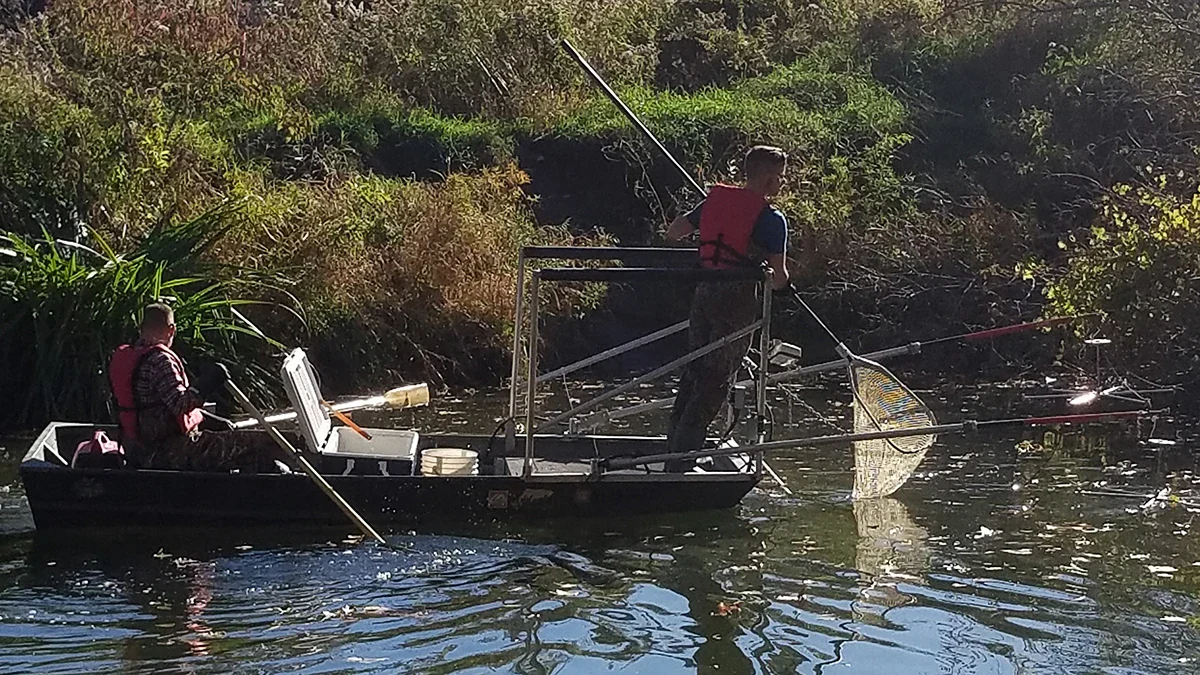
Fish don’t live in a vacuum, and neither do regulations. Angler behavior plays a massive role in management decisions. A lightly fished backcountry lake may thrive under liberal limits, while a popular urban reservoir may collapse under the same rules. This is where angler creel surveys come into play.
Creel surveys help biologists understand:
- How many anglers are fishing
- What species they target
- How many fish are harvested or released
- Seasonal pressure patterns
A regulation that works biologically but fails socially will not succeed. If rules are too restrictive, compliance drops. If they’re too liberal, overharvest becomes likely. Balancing conservation with realistic angler behavior is one of the most difficult parts of fisheries management.
Habitat and Environmental Factors
Regulations often compensate for habitat limitations. Poor spawning habitat, fluctuating water levels, pollution, or invasive species can all reduce a fish population’s resilience to harvest.
For instance, a lake with degraded spawning shoals may require more restrictive regulations than a similar lake with intact habitat. Likewise, climate trends such as warming water temperatures can change growth rates, spawning timing, and survival, forcing agencies to adjust regulations accordingly.
In many cases, regulations are a management tool when habitat improvements are slow, expensive, or politically complex.
Modeling and Risk Management

Before new regulations are adopted, biologists often run population models to predict outcomes. These models simulate how fish populations respond to different harvest levels over time. While no model is perfect, they do allow managers to evaluate risk.
Regulations are rarely maximize short-term harvest. Instead, they aim to maintain sustainable populations across good years and bad. That often means erring on the side of caution. Not every fish is going to have the same recruitment year after year. Weather, spawning, conditions, and habitat all change.
This is why regulation changes can feel conservative. From a biological standpoint, preventing collapse is far easier than rebuilding a fishery after it crashes.
Public Input and Policy Constraints
Science does not operate in isolation. Most states require public input before regulations change. Anglers, local businesses, tribal entities, and conservation groups all have a voice. Biologists present data and recommendations, but final decisions are often made by commissions or legislatures.
That means compromises happen. A regulation may not be biologically ideal, but it may be the best option that can realistically be implemented and enforced.
Enforcement itself is another constraint. If a regulation is too complex or difficult to measure in the field, it becomes ineffective no matter how good it looks on paper.
Adaptive Management is Ongoing
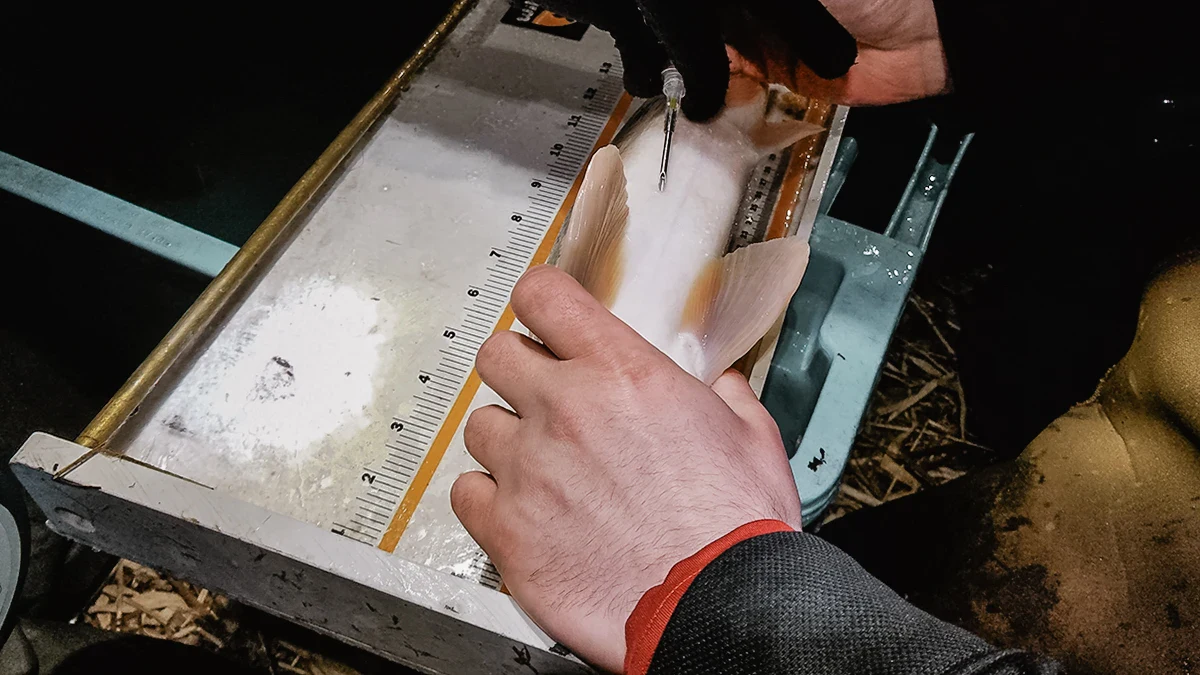
One of the biggest misconceptions is that regulations are permanent. In reality, fisheries management is adaptive. Rules are constantly reevaluated as new data comes in.
When anglers say, “It used to be better,” sometimes they’re right. But ecosystems change and regulations must change with them. The goal is not to recreate the past: It’s to maintain functional, resilient fisheries for the future. This way, we can experience those fisheries of the past in the present day.
Final Thoughts
State fisheries regulations are not arbitrary restrictions designed to frustrate anglers. They are carefully considered tools built on biology, data, modeling, and human dimensions. As someone who worked in fisheries, I can say with confidence that every regulation exists because someone studied the resource and determined it needed protection or balance.
Anglers and biologists ultimately want the same thing: healthy fish populations and quality fishing opportunities. Regulations are simply the bridge between those goals and the realities of a changing world.