The greatest thrill for anyone who fishes is simple: catching fish. Yes, there’s the time outdoors, the escape from stress and work, and the enjoyment of nature — but in most cases, it’s the tug on the line that keeps anglers coming back. Every trip to the water is an opportunity to learn how to catch more fish and develop skills that increase those odds. Most anglers are like sponges, always wanting to learn more and soak up knowledge they can apply on the water.
No one — not even Kevin VanDam — has mastered the sport. As the saying goes, “Some days you get the bear, other days the bear gets you.” Fishing is humbling. While equipment continues to improve, some days will challenge even the best anglers.
The Learning Curve
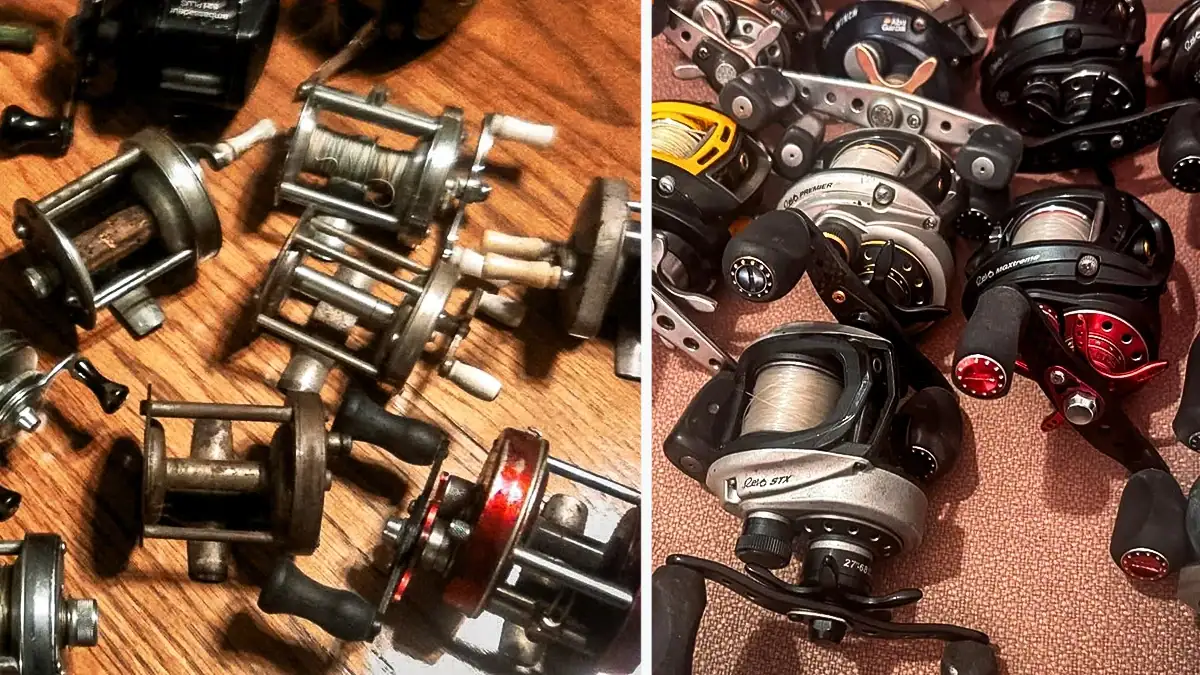
Becoming a better angler certainly requires learning what’s new, but understanding the old lures and gear can also be a competitive advantage. Even anglers who don’t fish tournaments are still competing — just against the fish.
Many modern lures are rooted in ideas from decades past, and the truth is, fish don’t know the difference. Tried-and-true designs are often reintroduced in new forms, and it’s remarkable how well they still perform. Sometimes, they’re even better than the latest innovations.
Collecting Brings Perspective to the New
I once spoke with Ben Crenshaw and Arnold Palmer about the importance of golf history and how it shaped the modern game. Where their sport is today is a direct result of where it’s been. Clubs and balls have improved dramatically, but without persimmon woods and rubber-band-wound balls, modern equipment wouldn’t exist.
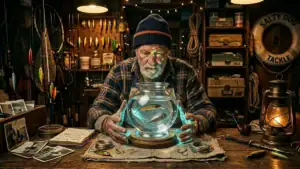
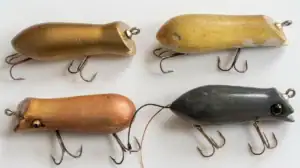
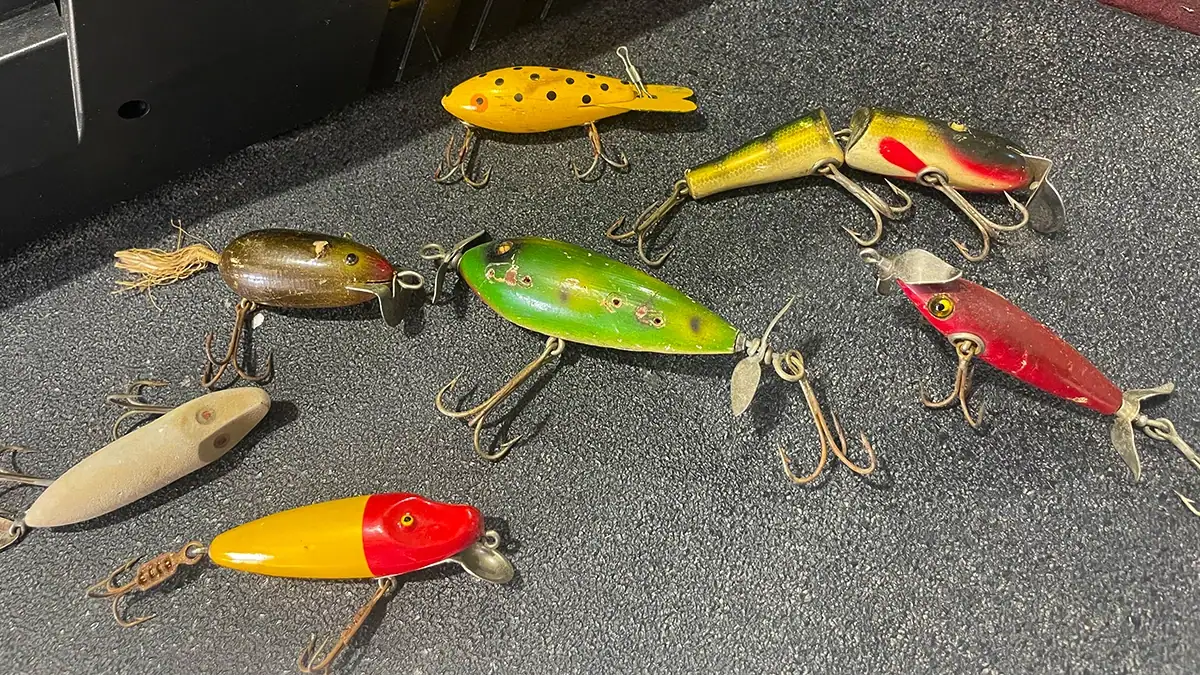
I consider myself a fishing historian — maybe because I’m getting older — but I’m also a collector of reels, rods, and lures. I love modern gear with space-age materials, incredible finishes, and precision manufacturing. But, at the same time, I have a deep appreciation for one-off balsa lures, old reels and rods, and the creativity behind classics like the River Runt or the Woodchopper.
Some call it hoarding or dust collecting, but I respect the old and the new equally. The old deserves credit for the new when appropriate. The first topwater, the first frog, the first plastic worm, and the first baitcasting reel all laid the groundwork for what we use today.
Yesterday Versus Today
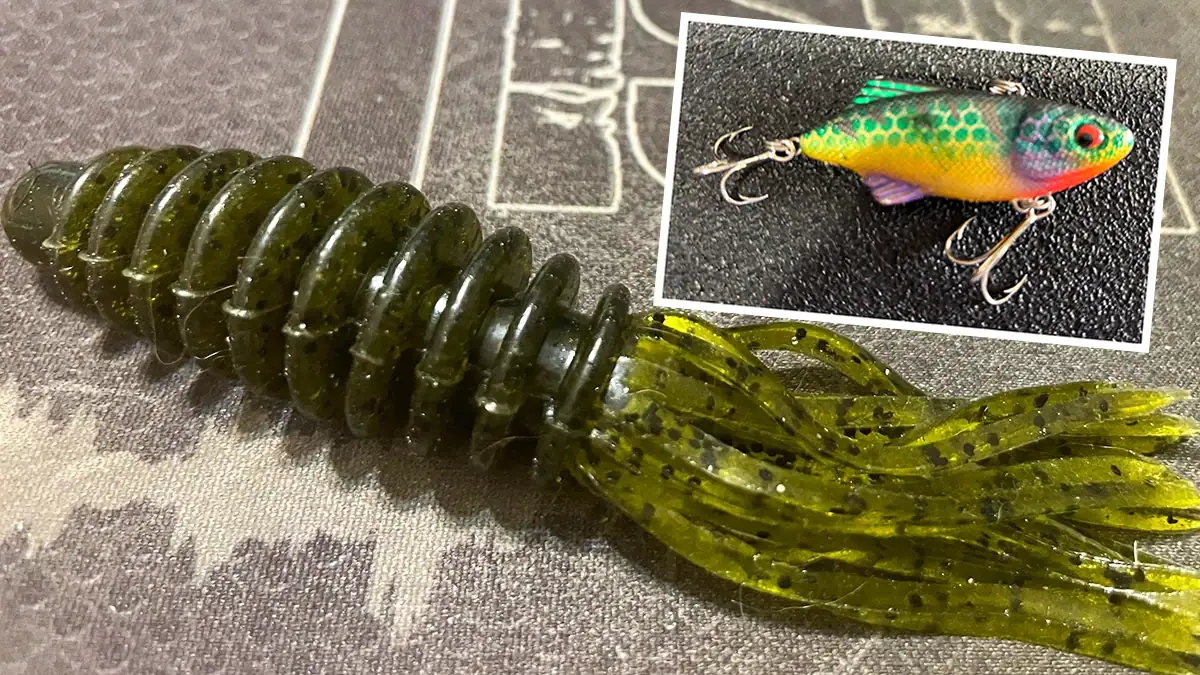
In the beginning, baits were made one at a time. Many were hand-carved, whittled, or built in small workshops. Craftsmen saw blocks of basswood or cedar as more than just wood: They saw potential. Like a potter shaping clay into a vessel or sculpture, these early lure makers created masterpieces that stood the test of time and still fool fish today.
Finding the right materials — and the right consistency — was a trial-and-error process. Craftsmen experimented to make baits float higher, dive deeper, or better imitate natural prey. Interestingly, some of the best designs came from accidents or sheer luck. While no real fisherman believes in luck, lure-making sure may have depended on it at times. Knowing that cedar casts farther because of its density or that balsa floats higher may have started as a necessity, but those properties remain essential today.
What to Collect and Why

Today, machines can mold, paint, and duplicate lures in the blink of an eye. Still, I’m drawn to pieces made one at a time by someone with a vision, someone who treated lure-building as both function and art. While modern builders often blend artistry with technology to speed production, pioneers like Bobby Ditto, Sam Griffin, Ed Chambers, Fred Arbogast, James Heddon, and Jim Bagley laid the foundation.
The new generation of builders has its own art form, using computer-assisted design and advanced technology. Builders like Cliff Pace, Phil Hunt, Mike Bucca, and many others continue to innovate. It’s different — but still impressive. That said, there’s something uniquely special about creating fish-catching art with nothing more than vision, a pocket knife, and a paintbrush. Maybe it’s my age, but those baits feel better in my hands because I understand what went into making them.
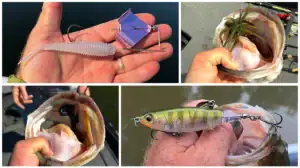
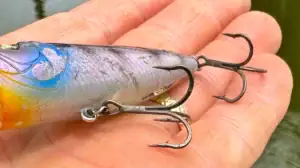
Hard baits remain my primary focus but I appreciate how far soft plastics have come, too. They’re no longer just globs of plastic with legs and wings. Each is designed with specific characteristics for specific techniques. Take the minnow craze that dominates today: Those baits have carefully engineered actions. Lures like the DEPS Sakamata Shad or the Jenko Don have developed strong followings, much like the Zoom Brush Hog and Reaction Innovations Beaver did years ago. When certain colors sell out instantly, it’s a clear sign they work.
Passing It On
Collectors of these old relics carry the knowledge of when, how, and why they were created. Many of the great builders are gone, but their work will last for generations. I’m grateful to witness both the old and the new. The old “dust collectors” still make me smile, and I appreciate the passion, creativity, and vision that went into them.
These lures are our history. I’m glad I lived through both eras and that more anglers today are beginning to respect what came before. It’s up to the old-timers to pass that knowledge on — and up to today’s anglers to honor it. History matters. When we understand it, it makes us better today. The old is the measuring stick for the new.