A western Massachusetts environmental organization is challenging one of the most established fisheries management practices in The Bay State: stocking trout.
The Pittsfield-based Berkshire Environmental Action Team (BEAT) has launched a campaign called “Stop Non-Native Fish Stocking,” calling on the state to phase out its routine stocking of hatchery-raised trout.
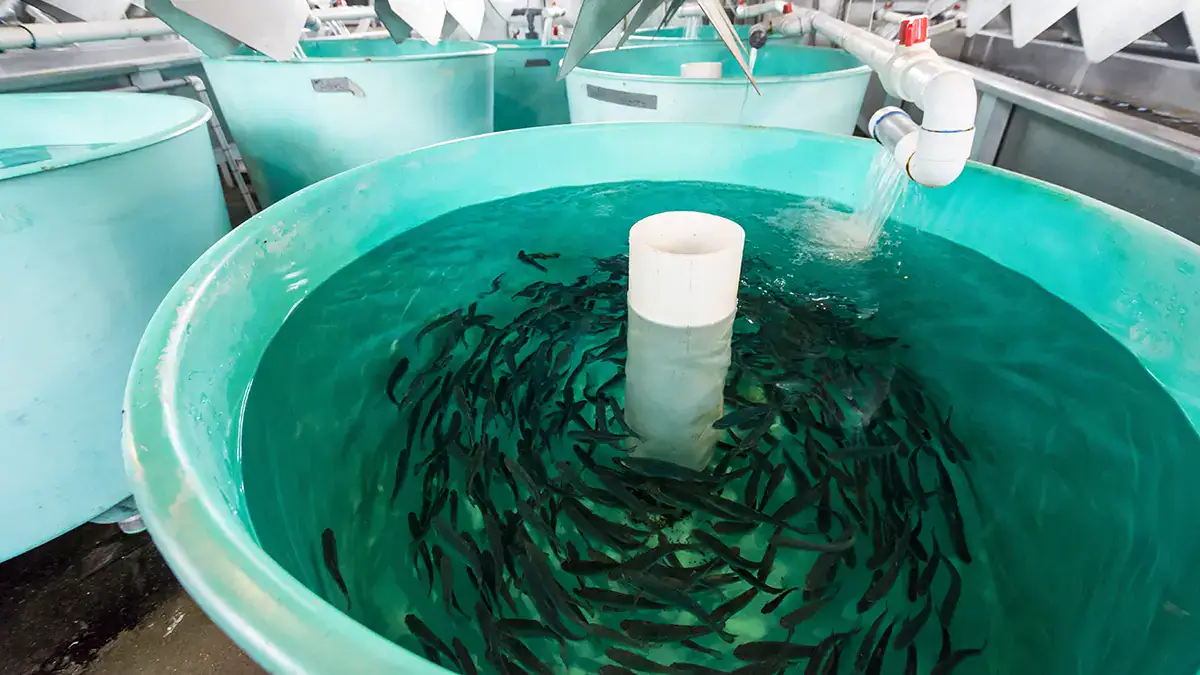
At the center of the debate is MassWildlife, the state agency responsible for managing fisheries and wildlife resources. According to the agency, it operates five hatcheries and releases roughly half a million trout annually into rivers, lakes, streams, and ponds across Massachusetts.
BEAT argues that nearly all of those fish are nonnative species stocked primarily to support recreational angling rather than to restore native ecosystems.
Ecological Concerns
“Fish are obviously part of the entire food chain,” said Chelsey Simmons, BEAT’s stewardship director, in comments to WAMC Public Radio. “They are fed on by birds and other wildlife like mammals, they also contribute to the aquatic ecosystem. They’re eating macroinvertebrates, they’re interacting with zooplankton, phytoplankton — all of these things.”
Simmons emphasized that trout are also culturally significant in Berkshire County, which is known for its coldwater streams and active angling community.
Still, BEAT contends that introducing hatchery-raised, nonnative trout into those systems can disrupt aquatic ecosystems. The group points to research indicating that stocked trout may compete with native species for food and habitat, alter aquatic food webs, and add stress to waters already impacted by warming temperatures.
One focal point of the campaign is the status of the eastern brook trout, the only trout species native to Massachusetts. Brook trout populations across the eastern United States have experienced long-term declines, largely due to habitat loss, warming waters, and fragmentation.
Simmons argues that continued stocking of nonnative species — particularly the brown trout, a European import widely stocked across North America — may further pressure native brook trout populations in some waters.
“MassWildlife routinely stocks brown trout, which is this aggressive, nonnative species that can honestly be kind of like invasive,” Simmons told WAMC.
Hatchery Practices and Mortality Rates
MassWildlife’s hatchery system raises trout in controlled environments before release. Simmons likened the process to factory farming, noting that fish are reared indoors, fed manufactured pellets, and later introduced into natural waters.
She also criticized hatchery operations more broadly, claiming they contribute greenhouse gas emissions and discharge waste into waterways. Hatchery feed, she said, contains byproducts such as blood meal, poultry meal, and feather meal, and may include antibiotics. Another key argument from BEAT centers on post-stocking survival rates.
“The mortality rate of stocked fish is astronomical,” Simmons told WAMC. “Even MassWildlife itself has stated that most stocked fish die very shortly after they release them because they’re just not equipped with being in these natural environments.”
She cited studies suggesting die-offs ranging from 67% to more than 90% within weeks to months of release, noting that pellet-fed fish may struggle to adapt to natural forage.
MassWildlife offers a different perspective on post-stocking mortality. According to the agency, many stocked trout fall prey to natural predators such as bald eagles and river otters, which are part of functioning ecosystems rather than evidence of program failure.
The State’s Response
In a statement to WAMC, MassWildlife defended its stocking program as both popular and beneficial. The agency said trout stocking expands recreational fishing opportunities, supports “nature-based economies,” and contributes to food security. MassWildlife also emphasized that it remains “committed to the conservation of wild trout, focusing on habitat protection and conservation, improving water quality and quantity, and restoring connectivity.”
“MassWildlife’s trout stocking program is popular with hundreds of thousands of anglers statewide and a key part of our mission to expand access [to] recreational fishing for all anglers,” agency spokesperson Emily Stolarski said in a statement reported by MassLive. “Stocking supports our shared goals of connecting people to nature, supporting nature-based economies and addressing food security.”
The agency added that it remains committed to conserving wild trout through habitat protection, improving water quality and quantity, and restoring stream connectivity. Massachusetts fisheries managers have increasingly designated Wild Trout Management Areas and prioritized habitat restoration projects in recent years, even as stocking continues in other waters.
What Is The Future Of Trout Stocking In Massachusetts?

So, how should fisheries agencies balance recreational opportunity with native species conservation? BEAT argues that Massachusetts, which has set biodiversity and climate goals, should reconsider stocking nonnative fish.
“They’re supposed to be leading us to these really ambitious biodiversity goals,” Simmons told WAMC. “Fish and Game and MassWildlife should then be a beacon for conservation. They should be making decisions that are guided by transparent science. But in the case of routine, nonnative fish stocking, that’s clearly not the case.”
But many anglers, and MassWildlife, believe that trout stocking should continue as it has for years. They value the opportunities stocking creates, and believe that negative environmental impact is negligible. Plus, who doesn’t love the pull of a strong brown?
Time will tell how this plays out.