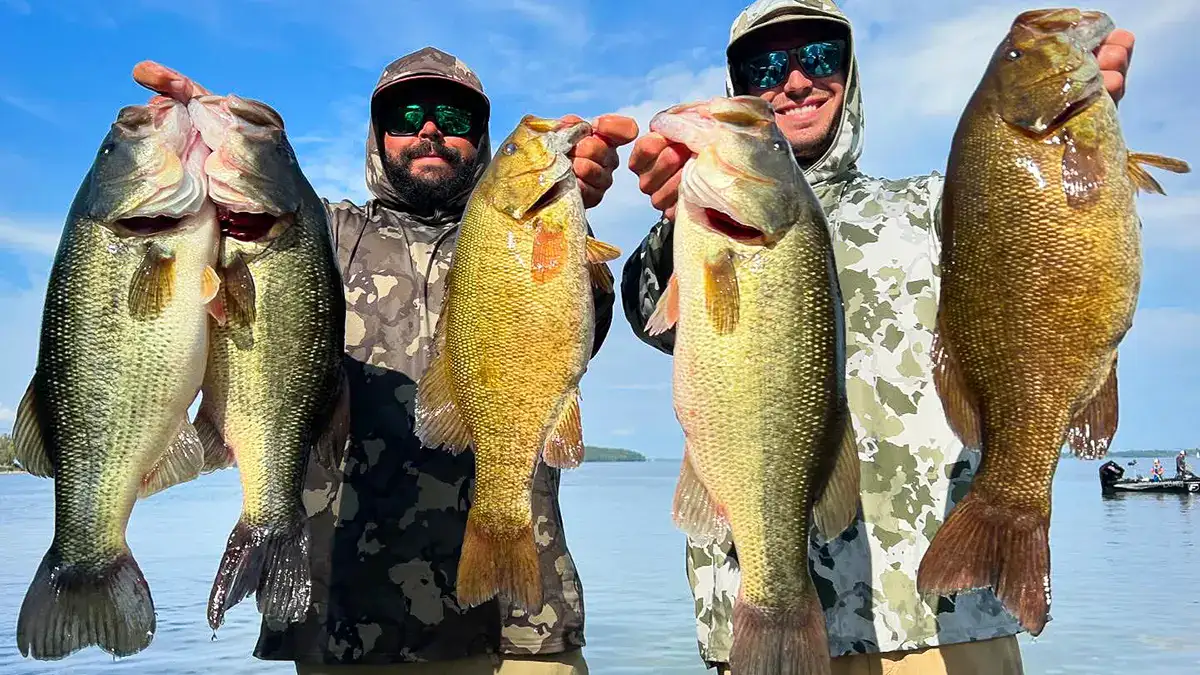
Few topics in bass fishing spark more debate than pitting the northern-strain largemouth bass against the Florida strain.
On paper, Florida-strain bass get all the glory. That’s bigger potential, heavier weights, and record-class fish. They dominate headlines, stocking programs, and social-media hero shots. But after years of chasing largemouth across natural lakes, rivers, reservoirs, and weedy backwaters in the north country, I’ll argue this with a straight face: Northern-strain largemouth are the superior bass to fish for.
Not necessarily the biggest, but the better bass. I can go on and on about why they are far superior, and here’s why.
Tougher Fish for Tougher Water
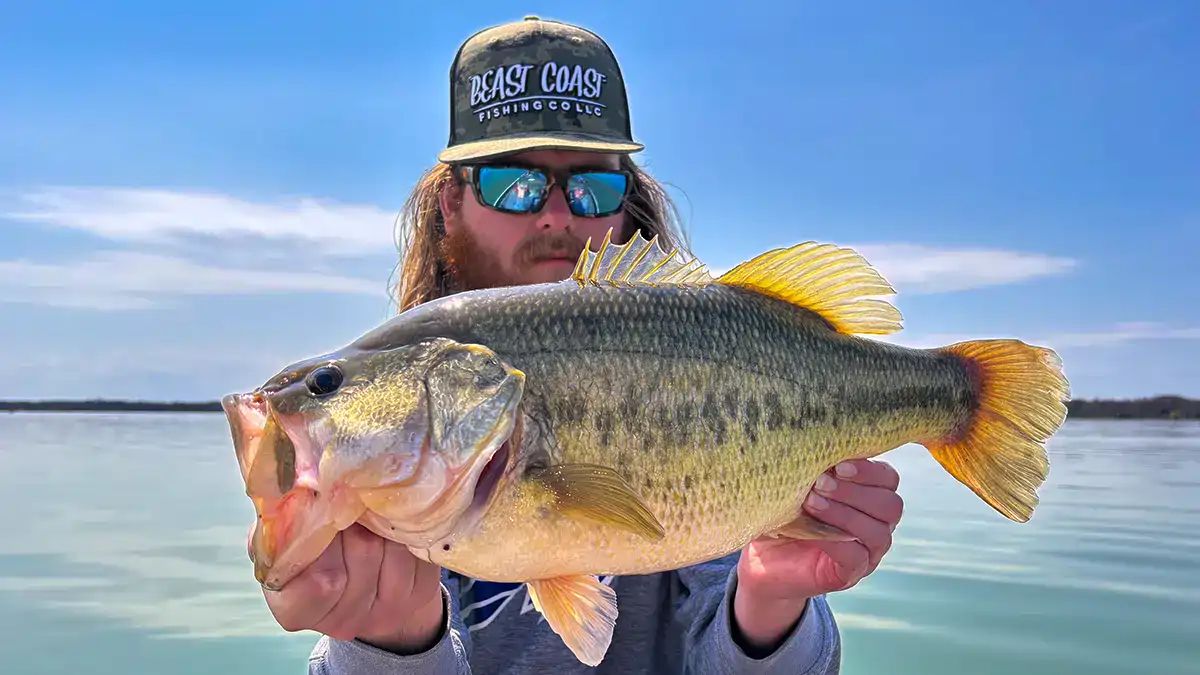
Northern-strain largemouth bass evolved in a much harsher environment. Short growing seasons, long winters, colder water, and unpredictable weather shape every part of their behavior. These fish have to eat aggressively when opportunities arise, because they don’t have a 12-month buffet like their southern cousins. Northern-strain largemouth have a lid over them for half the year, and have to be tough to survive four rapidly changing seasons.
That translates directly to how they fish. Northern-strain bass are more willing to bite, more likely to feed during marginal conditions, and far less dependent on narrow temperature windows. You can catch them in cold fronts, post-spawn funk, fall turnover, and even under ice-out conditions in some systems.
Florida-strain bass, by comparison, are notoriously sensitive to temperature. Once water temps drop below their comfort zone, their metabolism crashes. In many mixed-strain lakes, Florida fish become inactive far earlier in the fall and wake up later in the spring—from an angler’s perspective, that’s a long stretch of dead water. And especially for the vacationing northern angler, the last thing you want on vacation is uncooperative fish.
More Aggressive, Less Moody
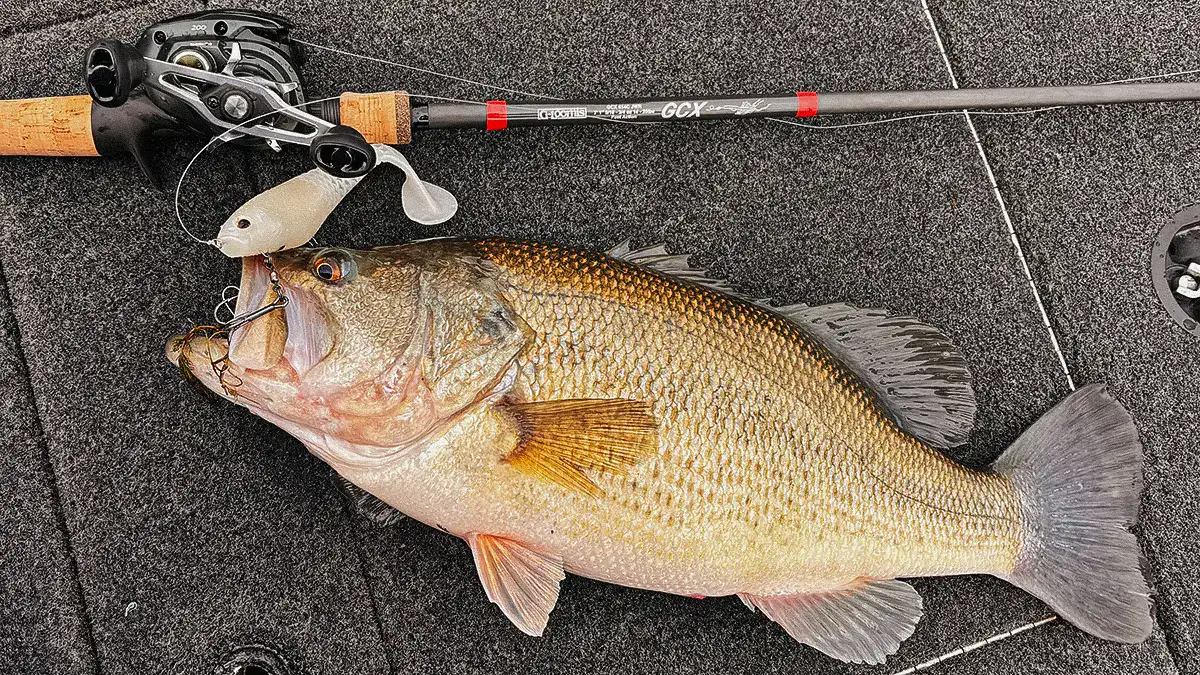
Ask anyone who’s fished both strains consistently and you’ll hear the same thing: Northern-strain bass are more aggressive. They hit faster, track baits farther, and commit more often.
Florida-strain bass have a reputation for being finicky, and that reputation is earned. They tend to inspect baits longer and reject lures that aren’t presented perfectly. That might sound appealing to anglers who enjoy finesse fishing, but it also leads to more slow days and fewer reaction bites.
Northern-strain bass don’t overthink things. When conditions line up, they feed hard. That aggression makes them better suited to power fishing techniques, like spinnerbaits, chatterbaits, frogs, and moving baits that trigger instinct instead of curiosity.
Better Fighters, Pound for Pound
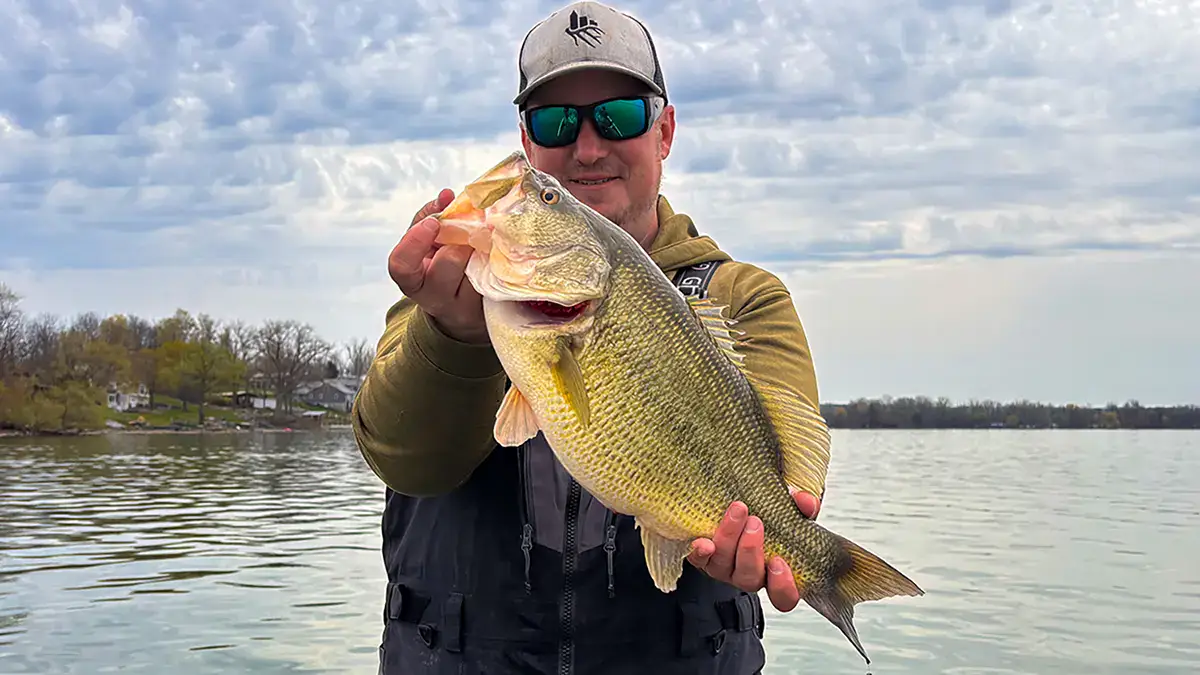
Yes, Florida-strain bass can grow heavier. But pound for pound, northern-strain bass fight way harder.
A five-pound northern largemouth in current, weeds, or shallow cover will make you work for every inch. They jump more, surge harder, and use their environment aggressively. Northern bass are used to living in systems with always-changing and less stable conditions.
But Florida-strain bass often live in more stable, vegetation-heavy environments. They rely on ambush more than endurance. Once hooked, many of them feel powerful but predictable—big head shakes followed by short runs, then steady pressure to the net.
If you value the fight as much as the weight, northern-strain bass deliver more excitement, whether it’s out deep or in the dirt.
More Versatile Across Habitats
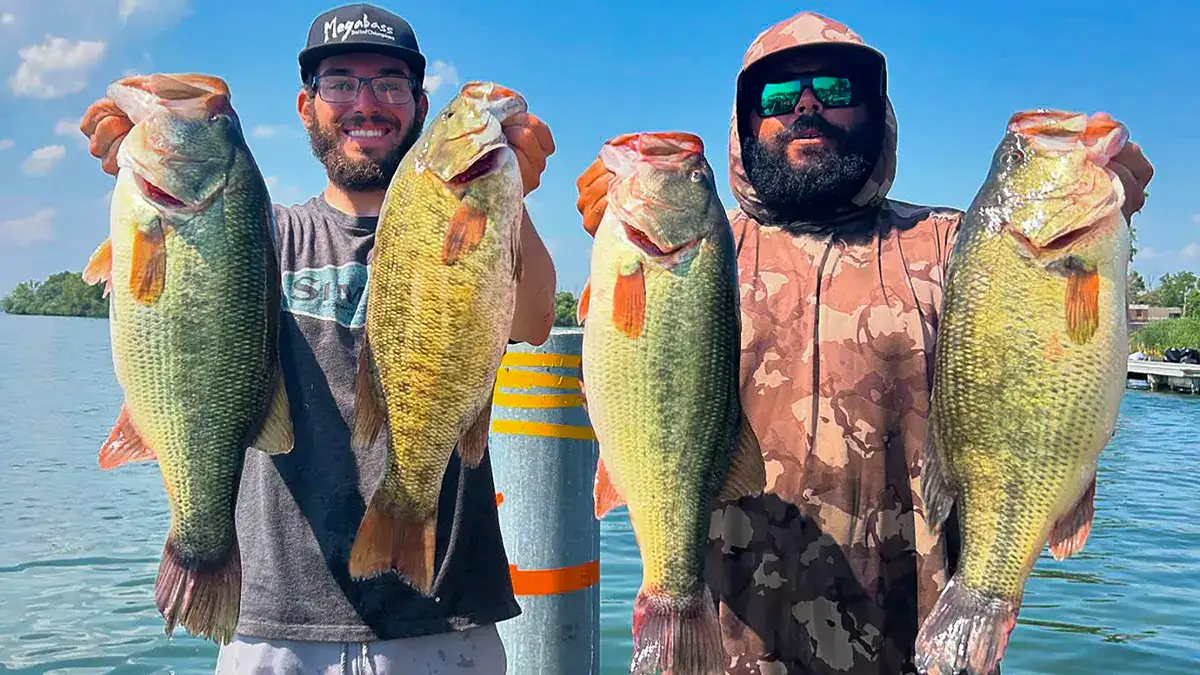
Northern-strain largemouth thrive in a wide range of habitats: natural lakes, rivers, reservoirs, ponds, and even brackish-influenced systems. They coexist well with smallmouth, pike, walleye, and panfish without becoming overly specialized.
Florida-strain bass, on the other hand, are far more habitat-dependent. They excel in warm, fertile waters with abundant vegetation and stable conditions. Outside of that niche, their growth slows and survival drops. That’s why Florida-strain stockings fail or underperform in many northern waters despite heavy investment.
From a fisheries and an angling standpoint, having versatility matters.
Consistency Over Lottery Tickets
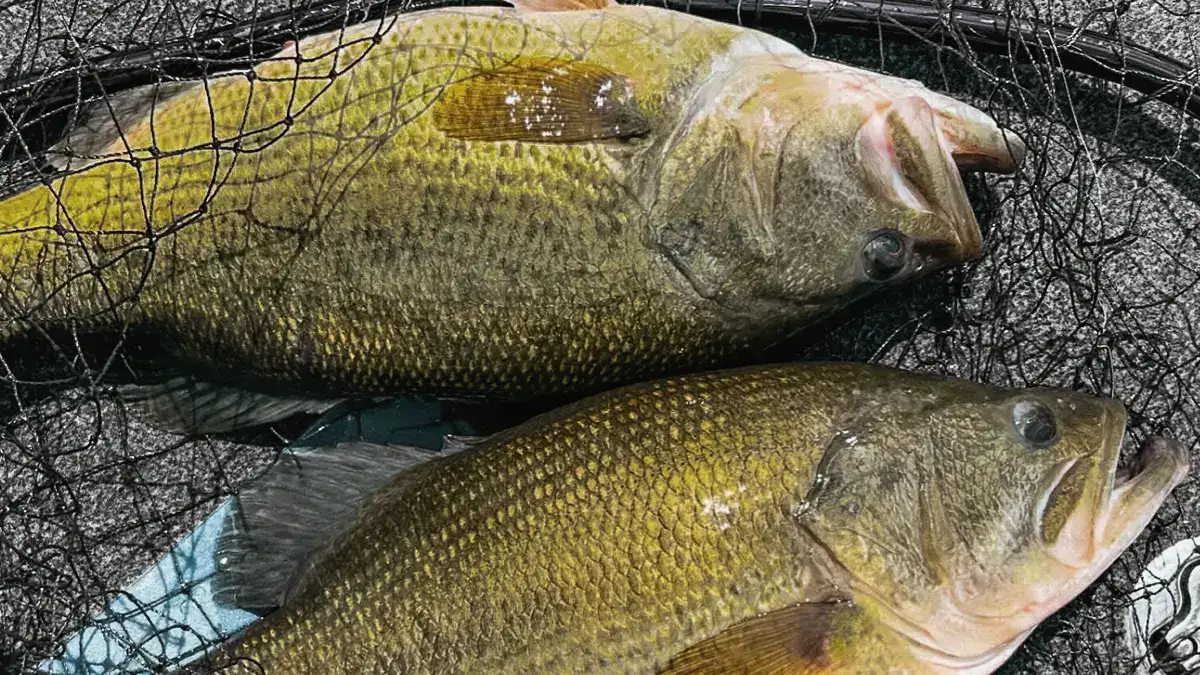
Florida-strain bass are often treated like a lottery ticket: fewer bites, but the chance at a giant. And in a lot of cases, you have to weed through lots of little ones to get that big bite—not a lot of mid-sized bass or numbers. Northern-strain bass offer something far more valuable: consistency.
Day in and day out, season after season, northern-strain bass provide reliable fishing. You can pattern them, adjust to conditions, and expect results if you make good decisions. They reward skill rather than luck.
A lake full of moody giants sounds great until you fish it regularly. Most anglers would rather catch more quality fish consistently than grind all day hoping for one bite that might never come.
Final Thoughts
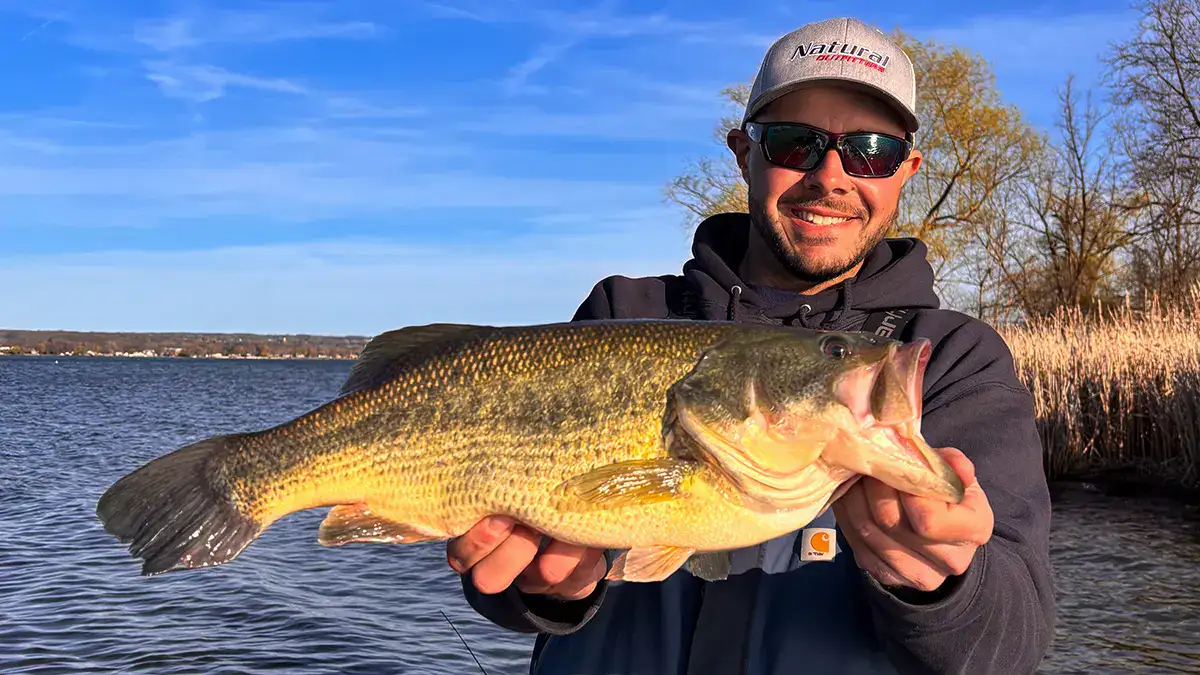
Florida-strain largemouth may hold the records, but northern-strain largemouth hold the soul of bass fishing. They’re tougher, more aggressive, better fighters, and more reliable across conditions and waters.
If bass fishing is about more than just numbers on a scale—if it’s about skill, adaptability, and figuring out the water—then northern-strain largemouth win over the Florida strain.