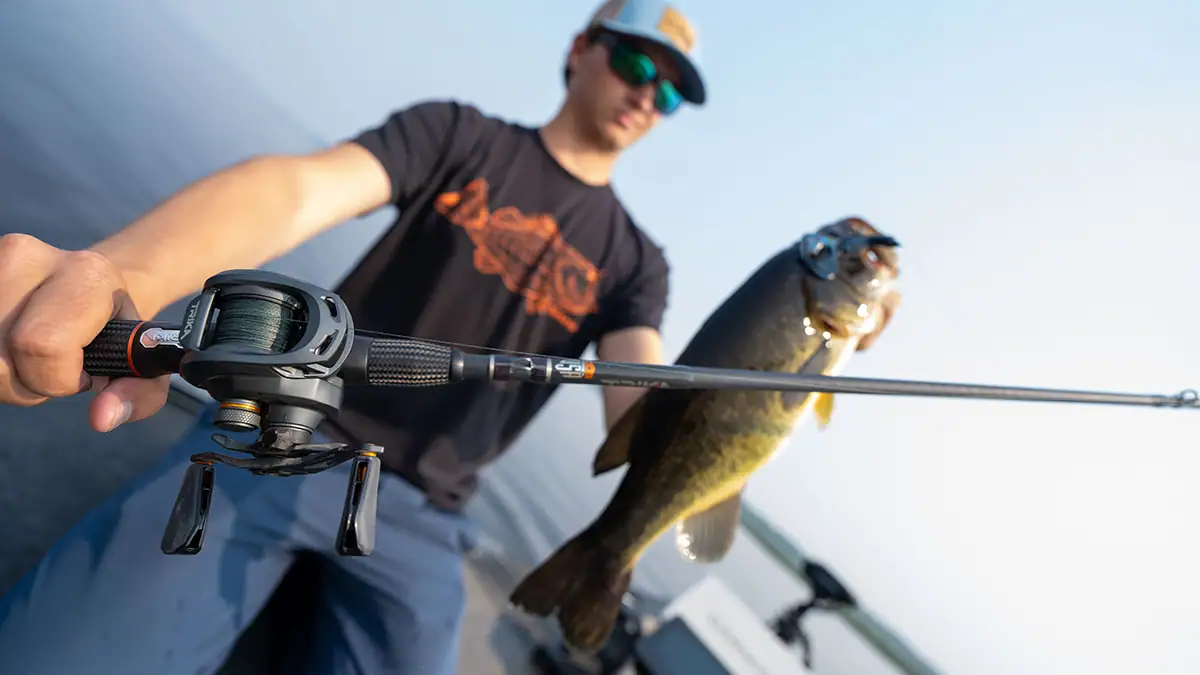
How often should you change your fishing line? As an angler, it’s vitally important to figure out the best time. If you don’t change it soon enough, your line could fail during a fish fight with a big fish, while bomb casting a high-dollar lure, or even in a random spot far down in the spool. But If you get in the habit of changing it too early, however, you could cost yourself hundreds of unnecessary dollars over time.
There’s an art to knowing when to change your line— and a bit of an art to the process of changing out old fishing line for new. You can find some pointers on how to spool lines on both spinning and baitcasting reels — we cover both in separate articles.
As for knowing when to change your fishing line, it depends on the type. There are three main types of fishing line used for bass and many other sport fish: monofilament, fluorocarbon and braid. And realize there are dozens of manufacturers that make hundreds of individual products. So, offering up one blanket rule for all lines is an unrealistic task. But there are some early warning signs to look out for.
When to Change Monofilament
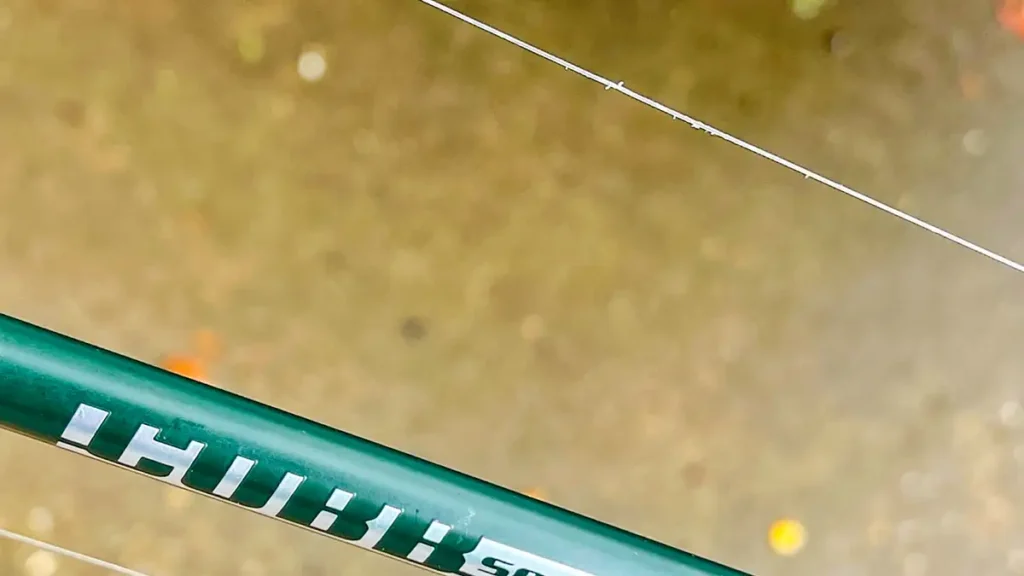
Monofilament line is the cheapest of these three line types. It also holds up for quite a while, about as long as fluoro, but not nearly as long as braid. When mono is new, it’s pretty soft. It does have a lot of memory — meaning that the line naturally tries to maintain the shape of the spool — but it’s tried and true. Before you start fishing with it, make sure it’s soft and stretchy. When mono becomes dry and loses that innate stretchiness, it’s time to change it out.
You should also be on the lookout for abrasions with monofilament. Basically look for rough spots where the line begins to fray. Cover typically causes these abrasions so check regularly near your lure. In these instances, there’s no need to change out the entire spool of line. Instead just cut the last few feet of the affected line off and re-tie.
But there are some situations where these abrasions will occur much farther up the line. One time my buddy didn’t use his rod’s hook holder, instead jamming his lure’s hook into the thick of his line spool. It really came back to bite him later on when his lure and a bunch of line went sailing to the horizon. I’ve also scratched up my line when fishing near bridges or artificial reefs.
If you have to cut off a mess of line to remove the damaged or tangled section, you’ll have much less line on your reel. This will greatly decrease your casting distance. If this is bad enough, you’ll need to go ahead and re-spool the whole reel. And since mono is pretty cheap, it’s always better to be safe than sorry. If you suspect the strength and integrity of your monofilament line is compromised, trust your instincts and go ahead and swap it out. How often do I completely change my mono? Probably every eight months or so.
Swapping out Fluorocarbon
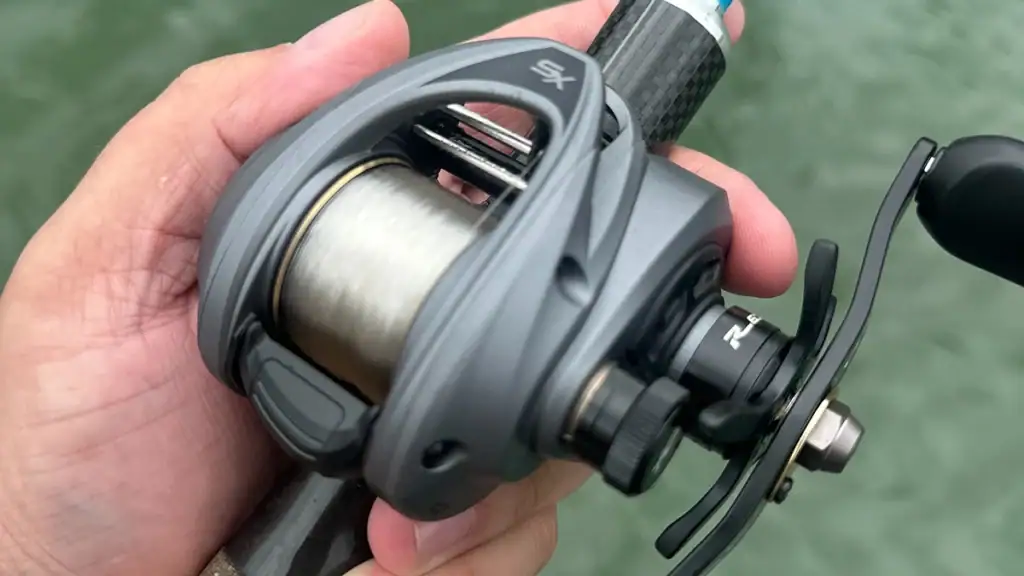
You should always be on the lookout for abrasions with fluorocarbon as well. Again, this will often occur close to the bait, as the structure you’re fishing around rubs the line and damages its integrity. The frays and abrasion will be easy to identify with your eyes, but you can also run the line between your fingertip and thumb to feel a rough spot. Again, simply retying is usually sufficient here.
But if you make a bad cast, end up with a severe backlash and your line cinches down into your reel, this can cause a weak point in your line as well. Sometimes this damage won’t be identifiable by touch though, and you’ll instead have to look for a discoloration in the line. Fluorocarbon is transparent, nearly disappearing in the water. If you notice a section of the line that looks a little milky or white, this is an indicator of a weak spot.
If you’re suspicious that this may be the case, put that section of line in the water, and the discoloration will be even easier to spot. In the event that you have one of these bad spots pretty far up your line (say somewhere in the middle of the section of line you’re casting out each time), you may need to re-spool. First though, try cutting just that section off and retying, as fluorocarbon can be expensive to re-spool. Try fishing for a while with this lesser amount of line on your reel. If it’s not possible to effectively cast though, go ahead and re-spool. I often find myself spooling up with new fluorocarbon each spring, just in time for the weather to warm up.
Changing Braided Fishing Line
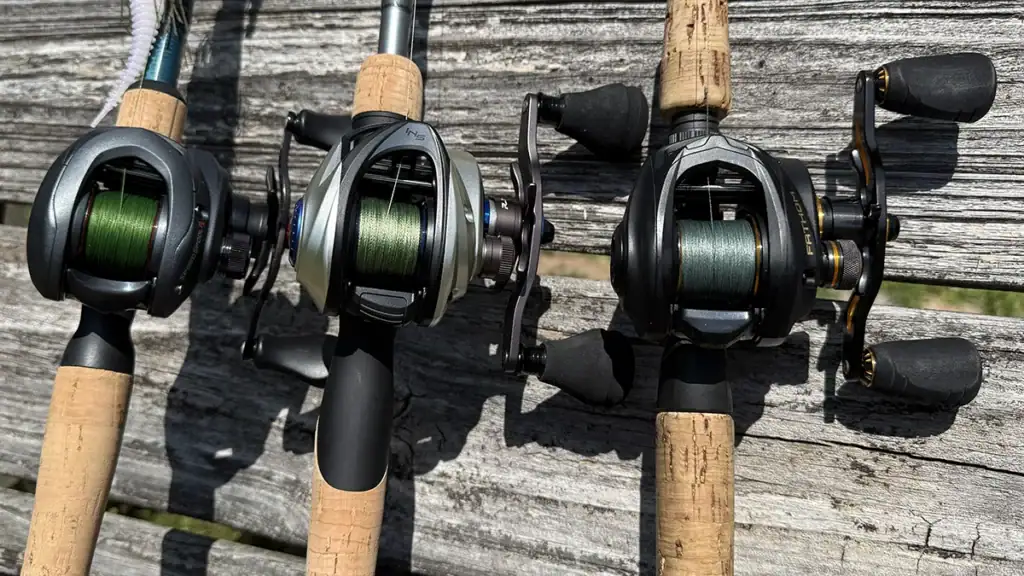
Braided lines last a very long time, which can actually give you a false sense of security if you’re not careful. Some people errantly think that you never have to change braid, especially if it’s on a rod like a flipping stick that rarely sees much use. What a mistake that is! Others sometimes change braid out too quickly, as soon as it starts to fade for example. However, the integrity of the braided line lasts a lot longer than the dye that’s used to color it or even the coating that might make it feel more slick.
You’ll see some of the same abrasions and frays down close to your baits. These small sections of line can almost always be cut out and the bait re-rigged without needing to re-spool. However, you can get a fray like this deep down in your reel, especially if you use a line pick to pick out a backlash for example. The small point or hook on a line pick can split the fibers of the braid and damage the strength of the line. You may also have a knot cinch down way into your braided line and it might be impossible to get out, even causing your line to break in the process. We’ve all been there, trying every trick in the book and nothin’s working.
A good indicator that your line is getting old comes when the line in general starts to look a little fuzzy. It won’t be a noticeable fray in an isolated spot in the line, but instead the larger portion of the line will have a fuzzy look as the fibers start to loosen up a bit. This is when you should change your braided line. How often do I find myself changing braid? I have no problem getting two years out of the top offerings.
Keep This in Mind

What it comes down to is looking for things that are out of the norm. This can mean something as noticeable as a braid booger, fray, knot or abrasion. Or it can be more widespread like the general fuzziness of braid after a while, the dryness of monofilament, or the discoloration of fluorocarbon. And if your monofilament still looks like a slinky after you’ve made a cast, you should have respooled braid months ago.
Basically, if you start seeing characteristics or flaws in your line that weren’t present when you first pulled it from its packaging, it’s worth at least a hard look. Try not to jump the gun with the more expensive lines like fluoro and braid, but it’s certainly okay to play it safe with the cheaper mono. And pay special attention to the last section of line closest to your bait. If you do all of this, it’ll come naturally to know when you should change your fishing line.