For generations, Pennsylvania anglers have broken out the cast iron and hot grease for trout 7 inches or larger. But beginning Jan. 1, 2027, that changes.
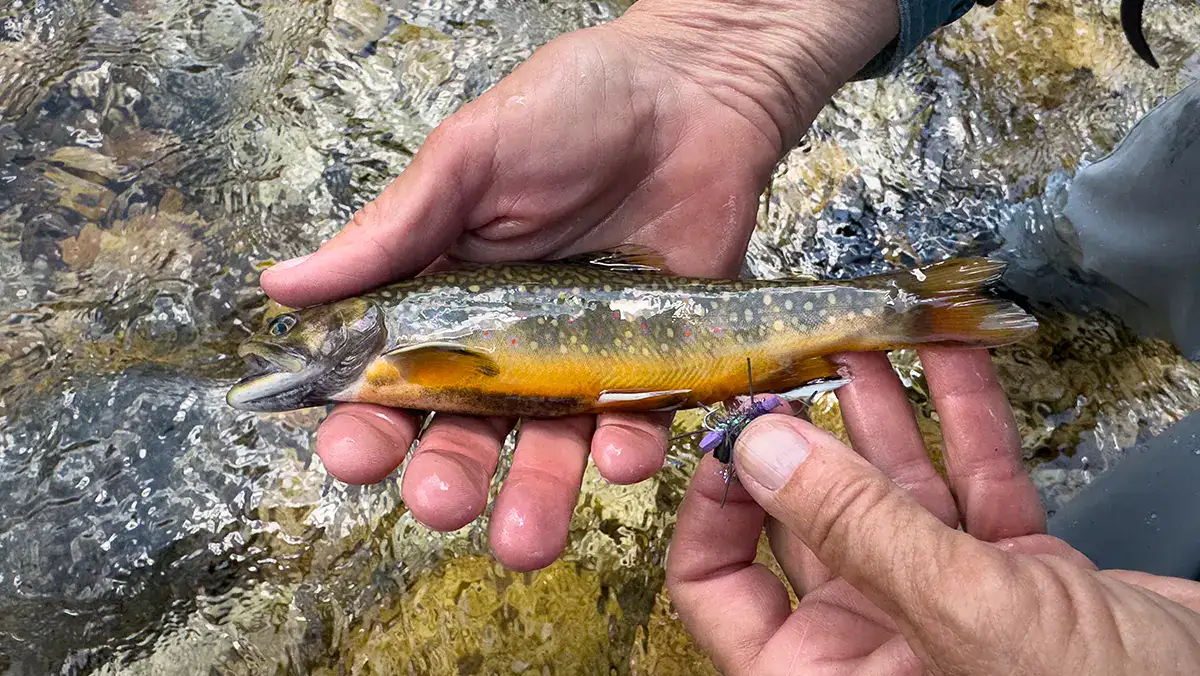
The Pennsylvania Fish and Boat Commission (PFBC) has approved increasing the statewide minimum size limit for harvesting trout from 7 inches to 9 inches. This is the first adjustment to the regulation in more than four decades. While the rule technically applies to all trout species, its real target is Pennsylvania’s native brook trout, a fish that rarely reaches trophy proportions and faces mounting pressure from warming waters, habitat loss, and harvest.
The commission’s unanimous vote is the result of years of research and growing support from anglers who increasingly value healthy wild fisheries over filling a creel.
Protecting Pennsylvania’s Native Trout
Using electrofishing surveys conducted over the past decade, PFBC fisheries biologists sampled nearly 3,000 stream sections and collected almost 200,000 wild brook trout across the Commonwealth. Of those fish, only about 6.5 percent measured 7 inches or longer, making them legal under the previous regulation.
By increasing the minimum size to 9 inches, biologists estimate that more than 99 percent of Pennsylvania’s wild brook trout will be protected from harvest, allowing many more fish to survive long enough to reproduce multiple times.
Dave Nihart, the PFBC’s chief of fisheries management, told commissioners that under the new regulation, less than 1 percent of the brook trout sampled during the agency’s decade-long study would have been legally harvestable.
For a slow-growing native fish, that extra time in the stream could have tremendous benefits. Unlike hatchery-raised trout, wild brook trout often spend years reaching 7 inches, particularly in the small, cold headwater streams where they naturally occur. Many never grow to 9 inches at all.
Those that do represent the oldest, healthiest fish in a watershed. Commissioner Eric Hussar noted during the board meeting that these larger brook trout are survivors.
“They have the best genes,” Hussar said. “They live long enough for whatever reason to get that big.”
Todd Burns of Trout Unlimited’s Brodhead Chapter echoed that point following the commission’s decision, explaining that allowing brook trout to reach maturity means more spawning, more eggs, and ultimately stronger wild populations. He also noted that brook trout depend on clean, cold, shaded streams, making them one of the best indicators of watershed health.
Stocked Trout Anglers Likely Won’t Notice
One concern whenever harvest regulations change is whether anglers will lose opportunities to keep fish. In this case, the PFBC says the impact should be minimal.
The average hatchery trout stocked by the state already measures around 11 inches, comfortably above the new legal minimum. Most cooperative hatcheries produce fish of similar size.
Just as importantly, the agency’s 2023 Pennsylvania Trout Angler Survey found that harvesting trout wasn’t among anglers’ top motivations for fishing. When asked specifically whether they supported increasing the minimum size to 9 inches to better protect wild brook trout, 85 percent of respondents said yes. That level of support suggests Pennsylvania’s trout anglers increasingly value healthy fisheries and quality fishing experiences over harvest alone.
A Long Time Coming
The regulation marks the first statewide increase in the trout minimum size limit since 1983, when Pennsylvania raised it from 6 inches to 7 inches.
During the commission’s 167th meeting, officials described the new regulation as part of a broader effort to modernize fisheries management using contemporary biological data rather than historical precedent.
The board also approved a standardized legal definition for measuring fish length, requiring fish to be measured flat on their side with the mouth closed and the tail lobes compressed. While prompted by Atlantic striped bass management requirements, the definition will now apply to all fish species in Pennsylvania.
Bigger Picture
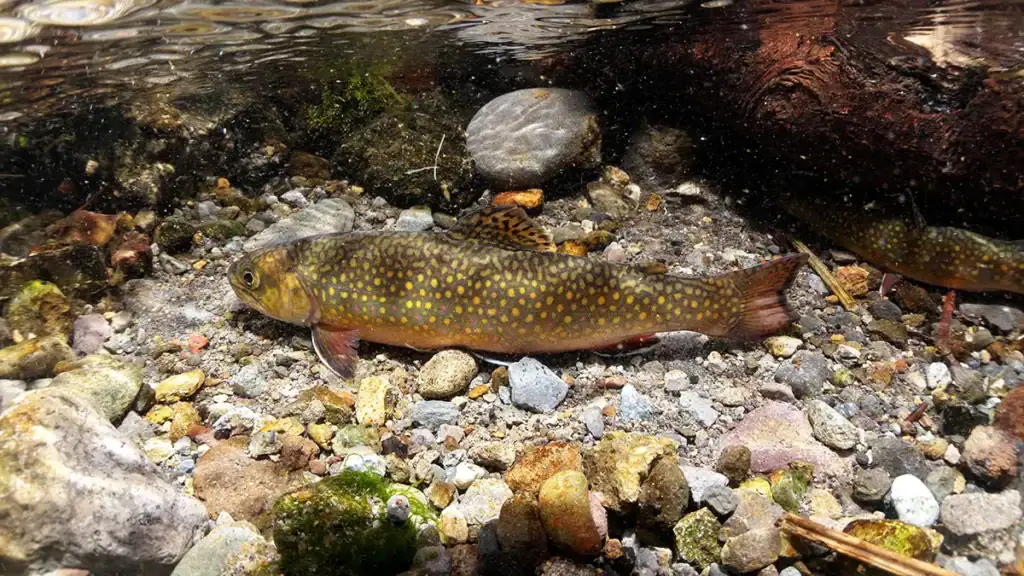
Brook trout remain Pennsylvania’s only native trout species, and while many populations remain healthy, they’re increasingly vulnerable to warming stream temperatures and habitat fragmentation. Their presence often reflects excellent water quality, intact forest cover, and stable stream temperatures.
Harvest isn’t the greatest threat they face, but it is one that managers can directly influence. The new 9-inch minimum won’t solve every challenge facing Pennsylvania’s native trout. But it gives more fish the opportunity to survive, spawn, and pass along the genetics that have allowed them to thrive in Appalachian waters for thousands of years.