A recent Major League Fishing (MLF) ruling serves as a reminder that knowing where you’re fishing is just as important as knowing how to catch fish.
On Aug. 3, 2026, MLF announced that pro angler Chad Mrazek’s Day 1 catch from the Tackle Warehouse Pro Circuit Stop 6 on Lake Champlain was disqualified after officials confirmed he had competed in Vermont waters without a valid Vermont fishing license. Although Mrazek purchased the required license before competing on Day 2, tournament rules required anglers to possess a valid license for the waters they fish during competition. The disqualification not only erased his Day 1 weight but also cost him a tournament payday and a berth in the 2026 Tackle Warehouse Pro Circuit Championship.
While few recreational anglers have championship qualifications or prize money on the line, they can face penalties from state agencies if they lack the proper licenses. But, as seen here, it can be hard to determine which state’s fishing license you need when fishing interstate waters.
The answer depends on where you’re fishing and whether the bordering states recognize each other’s fishing licenses. Some shared lakes and rivers allow anglers to fish with either state’s license through reciprocal agreements, while others require you to purchase a license for the state whose waters you’re actually fishing.
How Interstate Water Boundaries Affect Your Fishing License
Many rivers and lakes serve as official boundaries between states. In most cases, the state line follows the middle of the river or lake, although some boundaries are based on historic surveys or legal agreements that don’t necessarily match the center of the waterway.
Since these boundaries are invisible from the water, neighboring states often establish reciprocal fishing agreements. These agreements allow anglers with a valid fishing license from either state to fish designated sections of shared waters without purchasing a second license. However, these agreements differ across the country, so there is no nationwide rule that applies everywhere.
Do You Need One Fishing License or Two?
The answer depends entirely on the body of water you’re fishing.
If neighboring states have a reciprocal licensing agreement, a single fishing license is often enough to fish designated boundary waters. These agreements simplify enforcement and make interstate fishing more convenient.
If no reciprocal agreement exists, you’ll generally need a fishing license from the state whose waters you’re fishing. Crossing an invisible state line can place you under another state’s jurisdiction, even if you launched your boat elsewhere.
Even when reciprocity exists, it often applies only to the main body of water. Fishing tributaries, backwaters, coves, marinas, canals, or shoreline areas may require a separate fishing license from the adjoining state.
Why Interstate Fishing Licenses Can Be Confusing
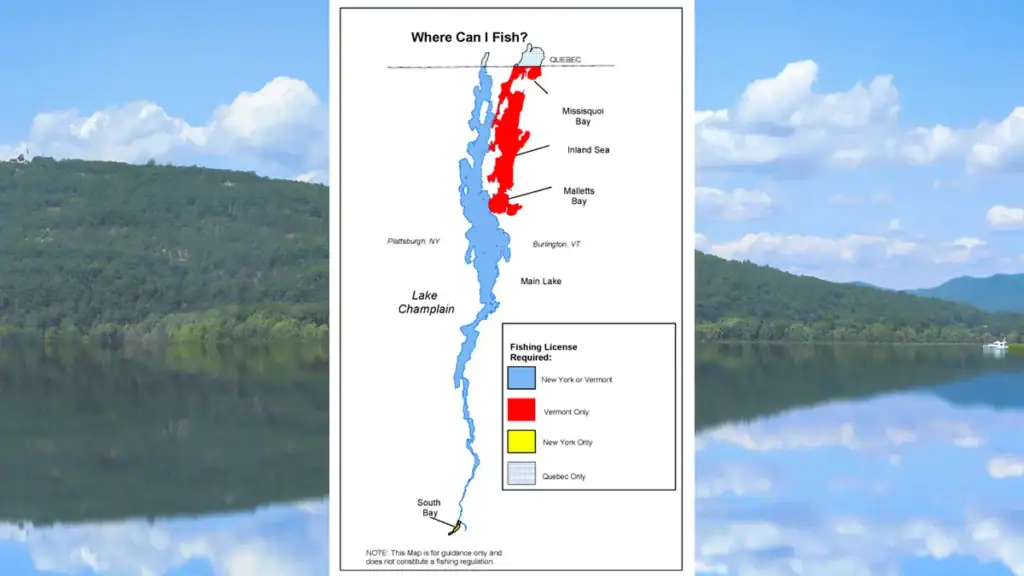
Many anglers assume that any lake or river shared by two states automatically honors both fishing licenses. Unfortunately, that’s not always true. Take Lake Champlain for example, in which most of the lake can be fished with licenses from either New York or Vermont, save for a few select areas.
Some agreements cover an entire lake, while others apply only to certain sections of a river. Some recognize only recreational fishing, while others contain restrictions based on species, harvest methods, or seasons.
Because regulations can change, it’s important to verify current rules before every trip.
Famous Interstate Waters and Their Fishing License Rules
Lake Champlain (New York and Vermont)
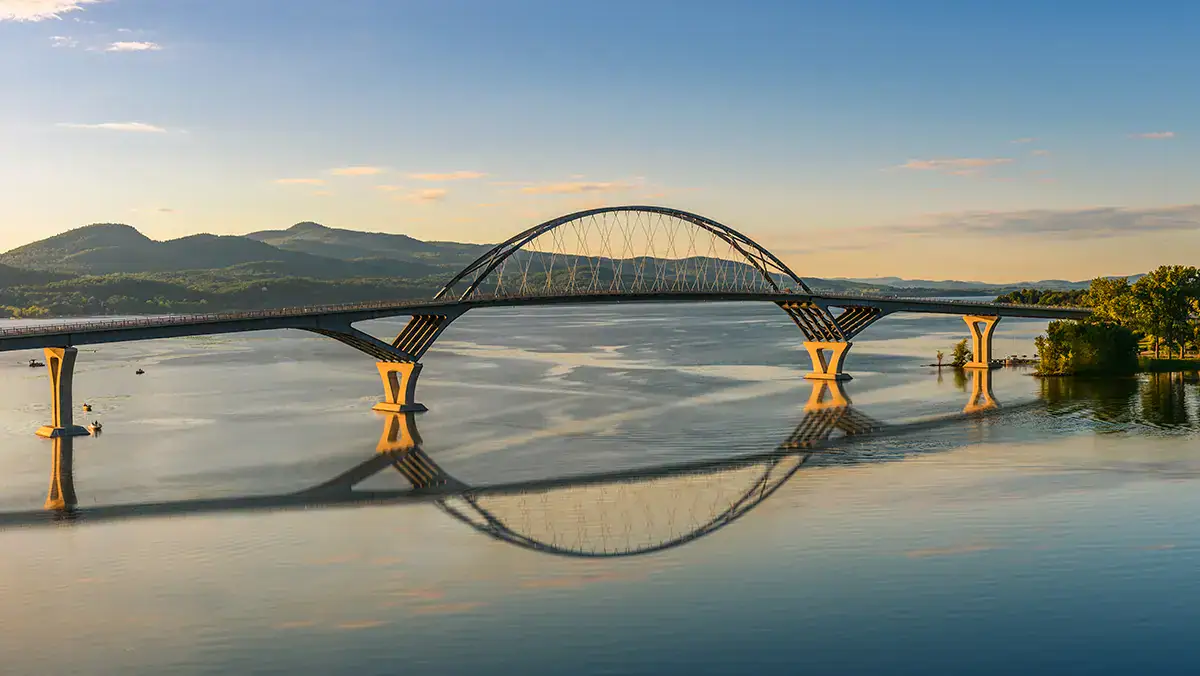
Lake Champlain became the center of national attention following Chad Mrazek’s disqualification. While New York and Vermont maintain reciprocal fishing privileges across much of the lake, anglers must understand exactly where those agreements apply and ensure they possess any required licenses before entering waters outside reciprocal areas or participating in tournaments with additional licensing requirements.
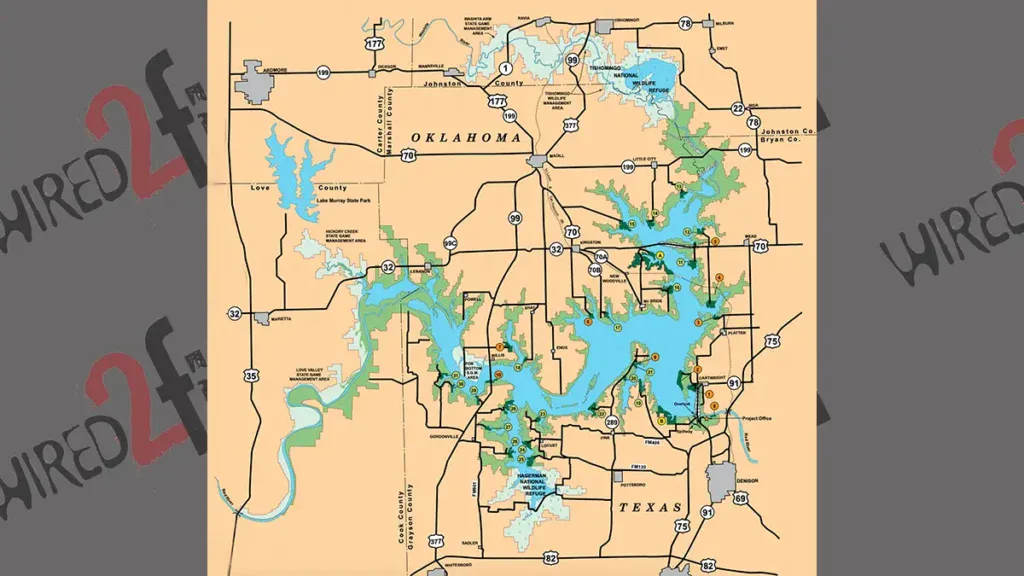
Lake Texoma (Texas and Oklahoma)
Lake Texoma is one of the nation’s best-known examples of interstate fishing cooperation. A special Lake Texoma fishing license allows anglers to fish most of the reservoir regardless of whether they launch from Texas or Oklahoma, making it one of the easiest interstate fisheries for visiting anglers.
Mississippi River
The Mississippi River forms the border for numerous states, including Minnesota, Wisconsin, Iowa, Illinois, Missouri, Kentucky, Tennessee, Arkansas, Mississippi, and Louisiana. Many neighboring states have reciprocal agreements covering portions of the river, but each agreement is unique and applies only to specific stretches.
Ohio River (Indiana, Kentucky, Ohio, Illinois, and West Virginia)
Several bordering states recognize each other’s fishing licenses on portions of the Ohio River. However, these agreements often exclude tributaries, embayments, and inland waters connected to the river.
Delaware River (Pennsylvania, New York, and New Jersey)
The Delaware River features different licensing agreements depending on the section being fished. Some stretches recognize neighboring state licenses, while others require anglers to possess the license for the state in whose waters they are fishing.
Snake River (Idaho, Oregon, and Washington)
The Snake River offers several reciprocal fishing agreements that allow anglers to fish shared boundary waters with either state’s fishing license. Those agreements generally do not extend into tributaries or waters entirely within one state.
Lake Michigan
Unlike many inland border waters, Lake Michigan does not have blanket fishing license reciprocity among all bordering states. Anglers crossing into another state’s waters typically need that state’s fishing license unless a specific reciprocal area applies.
Maine and New Hampshire Border Lakes
Several lakes along the Maine–New Hampshire border, including Great East Lake, Province Lake, and Milton Pond, recognize fishing licenses from either state under reciprocal agreements, making them popular destinations for anglers who frequently cross state lines.
How to Know Which Fishing License You Need
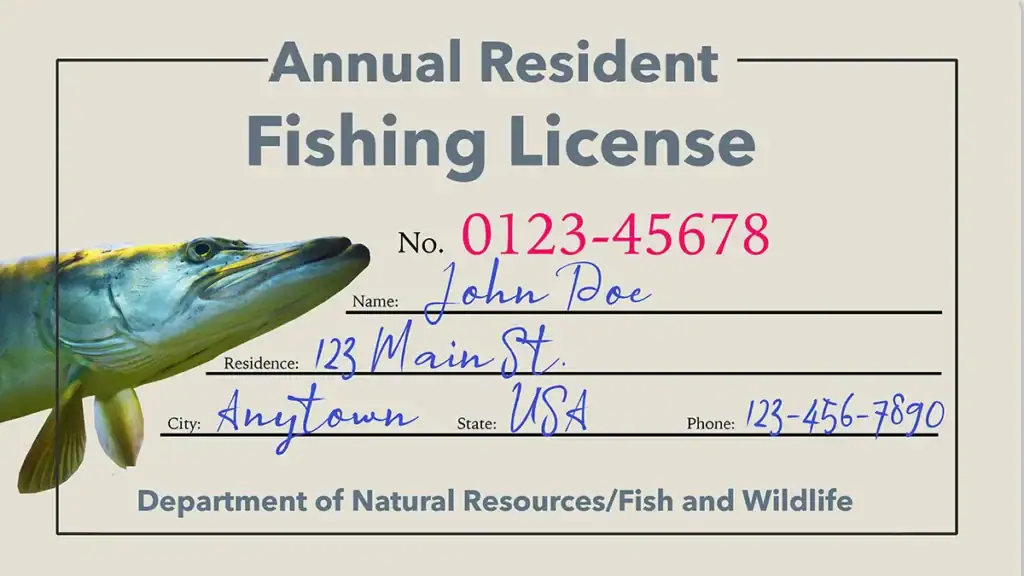
Before every fishing trip, determine whether your destination is a boundary water shared by multiple states. Then review the regulations published by each state’s fish and wildlife agency to see whether reciprocal agreements apply.
Pay close attention to boundary maps that define where reciprocity begins and ends. In many cases, fishing a nearby creek, tributary, marina basin, or shoreline can place you under a completely different set of licensing rules than the main lake or river.
Reciprocal Fishing Licenses Don’t Always Mean Identical Regulations
Even if your fishing license is valid under a reciprocal agreement, you may still be subject to different fishing regulations depending on where you’re fishing.
Daily bag limits, minimum size requirements, seasonal closures, and species regulations can differ from one state to another. Always review both states’ regulations before your trip so you’re compliant with licensing requirements and fishing laws.
Tips for Fishing Interstate Waters
Modern GPS units, chart plotters, and smartphone mapping applications can display state boundaries on many lakes and rivers, helping anglers understand when they approach another jurisdiction. While these tools are valuable, they should never replace reviewing official regulations before launching.
If you frequently fish boundary waters, purchasing a nonresident fishing license for the neighboring state may provide additional flexibility and eliminate uncertainty if you move outside a reciprocal area.
Final Thoughts
Chad Mrazek’s disqualification on Lake Champlain is a reminder that even professional anglers can run afoul of fishing license requirements when competing on interstate waters. Before your next trip to a boundary lake or river, spend a few minutes checking reciprocal agreements and licensing requirements. Knowing exactly where you’re fishing, and which license you need, is one of the simplest ways to stay legal and keep your focus where it belongs: catching fish.