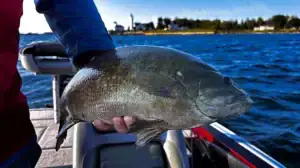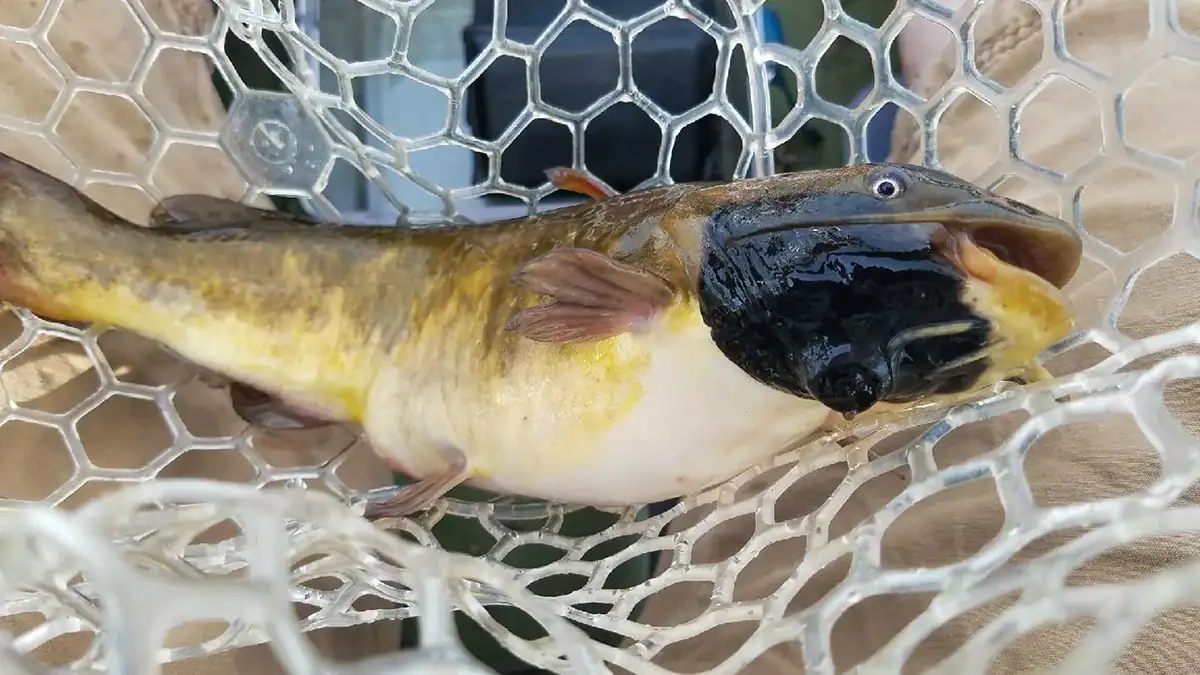
Imagine catching a fish covered in raised black spots and assuming the local lake must be polluted. For years, Lake Memphremagog anglers on the border of Vermont and Canada saw that happening to brown bullhead catfish and figured toxic chemicals or a nasty virus were to blame. But a landmark study revealed a far stranger reality: The catfish aren’t getting sick from toxic runoff; they’re catching cancer directly from one another.
To understand why this is blowing scientists’ minds, it helps to remember how cancer usually works. Normally, cancer isn’t contagious. It starts inside an individual’s body when its own cells mutate and multiply out of control, living and dying with that single host. But in extraordinarily rare cases, cancer cells manage to break free, surviving long enough to jump into a brand-new body like a microscopic parasite.
Cancer As the Cause
Since 2012, anglers and biologists have reported brown bullheads (Ameiurus nebulosus) with “raised black skin patches” in the cross-border lake. Vermont researchers finally figured out what was happening by testing the DNA of the tumors.
“At first, we thought this disease might be a virus, but that wasn’t panning out,” said Julie Dragon, a scientist at the University of Vermont and co-leader of the new study. Instead, the lesions turned out to be melanoma.
If the fish were developing cancer on their own, every tumor’s genetics would match the individual fish carrying it. Using whole-genome sequencing, the research team compared DNA from tumors and healthy tissues in affected fish. The tests showed that the tumors on every single sick catfish were genetic clones of one another. That means every black lesion in the lake originated from a cell that started years ago and has been hopping from host to host ever since.
Tracking the Transmission
So how does a fish catch a cancer cell? Transmissionable cancer in the animal kingdom has only been documented a handful of times. “We wanted to know how a bottom-dwelling fish was getting a cancer we associate with exposure to too much sunlight,” said Dragon.
Scientists are still pinning down the exact route, but brown bullhead catfish live a lifestyle built for spreading germs. They spend their days buried in the muddy lake bottom, lack protective scales, and crowd tightly together at times.
“It seems to only happen in larger fish that are of spawning age,” said Mark Henderson, a fish biologist and study co-leader in Vermont’s Rubenstein School of Environment and Natural Resources. “Maybe some part of spawning behavior leads to the spreading of the cancer between animals.”
The contagious cancer cells likely rub off from one fish’s skin directly onto another, or float briefly through the water to land on fresh skin. During spawning, bullheads cluster tightly together, so this seems like an obvious transmission period.
Affect on Anglers
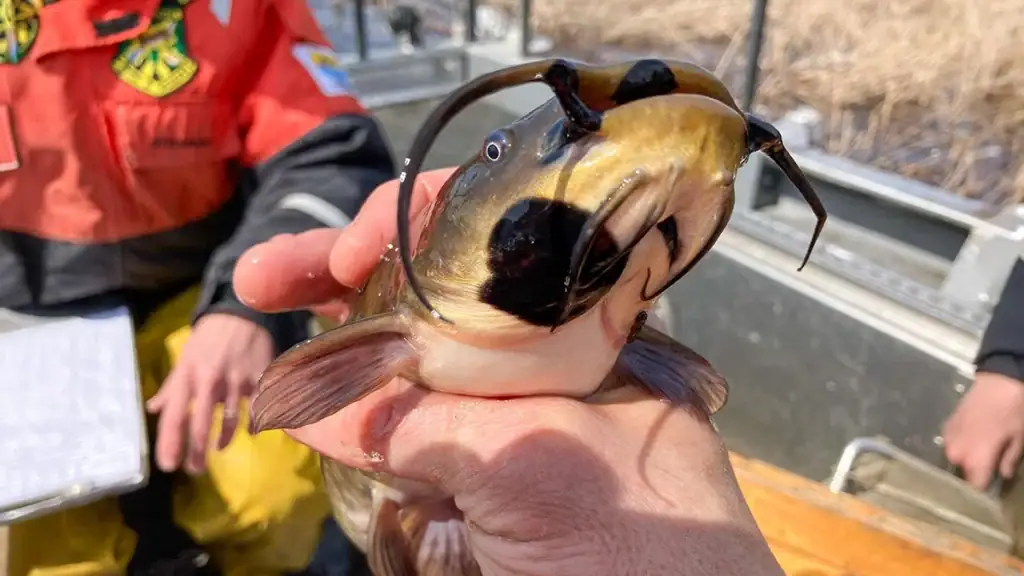
At one time, the bullhead tumors were hypothesized to be potentially coming from nearby Coventry Landfill, leaching toxins into the lake, causing the cancer. But so far, there’s been no evidence the landfill is related to the cancers.
According to the University of Vermont, the team’s water quality tests in Lake Memphremagog show the “same low levels of pollutants as many other nearby waterbodies and lakes, including Lake Champlain, which isn’t known to have any transmissible melanoma.”
One wild card is the presence of arsenic in the bullheads. The research team found that the fish cancer cells have elevated levels of arsenic—a notoriously poisonous element and carcinogen. The geographic distribution of the cancer appears to have correlation with levels of arsenic in the lakes’ surrounding soil.
“Arsenic is found naturally throughout New England, and there’s really high concentrations of it in Vermont’s Northeast Kingdom as well as up through Maine, which is where we’ve also seen evidence of this cancer,” said Henderson.
Next up for the team of researchers is to explore how long this cancer may have been around—and how common transmissible cancers may be. The team has expanded its sampling to other waters in Vermont, New Hampshire, Maine, and New Brunswick and found the cancer in “a few other ponds and lakes in this region,” said Peter Emerson, a biologist for the State of Vermont and co-leader of the study.
“Our contention is that maybe it’s not as rare as everyone thinks. We’re just not seeing it,” said Dragon. “In the case of transmissible cancers, it may be that we don’t see many simply because we aren’t looking for them.”
A Future Bright Spot
The good news for anglers is that this disease cannot jump to humans, and there is no risk to people swimming in or enjoying the water. Instead, the discovery gives doctors a valuable new clue.
“By studying how cancers survive and spread outside their original host, we can learn a great deal about what keeps cancers contained—and what happens when those boundaries break down,” said Dragon. “These fish provide an opportunity to look at the evolution of cancer.”