I’ve watched techniques cycle in and out of popularity, and always found it funny what methods other anglers label “outdated.” Few rigs suffer from that reputation more than the Carolina rig.
Somewhere along the line, it got shoved into the same mental box as lead worm weights and monofilament line: effective, but boring. The truth is, the Carolina rig remains one of the most versatile, consistent, and downright deadly presentations in bass fishing, and it’s criminally underrated in today’s high-speed, high-tech era.
The Carolina rig doesn’t rely on flash, noise, or gimmicks. It relies on the main fundamentals of fishing: bottom contact, subtle movement, and natural presentation. Bass still live on the bottom, feed close to structure, and respond to natural-looking prey just as much today as they ever have.
Excelling Where Other Techniques Fall Short
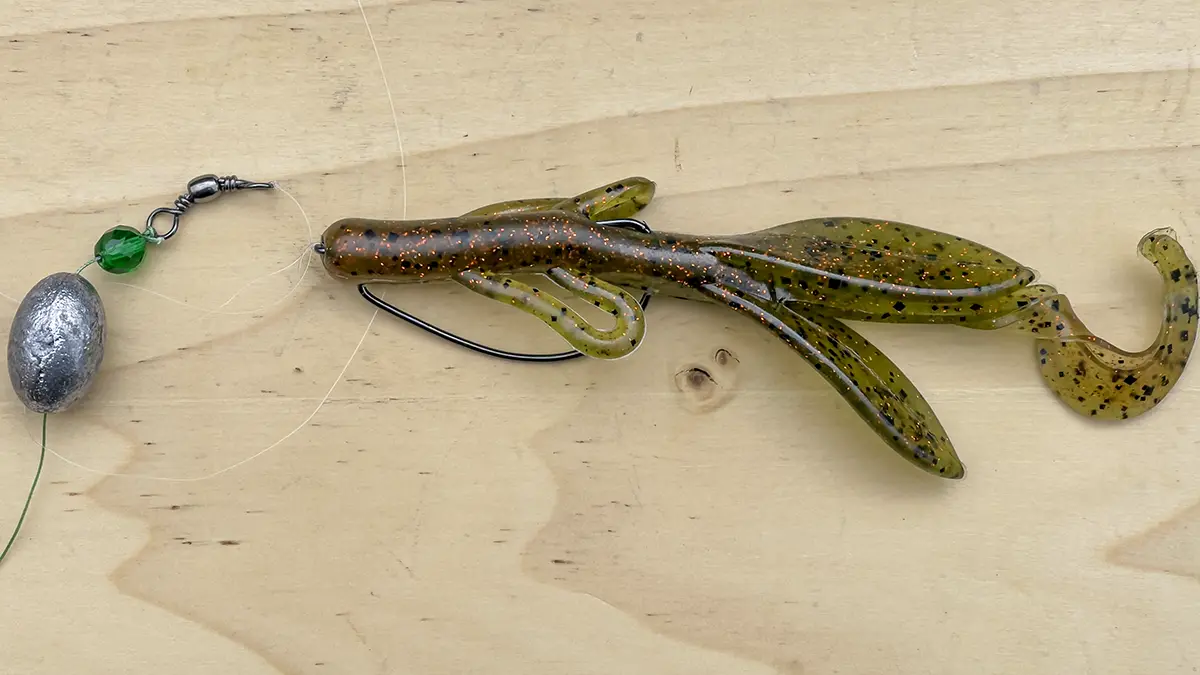
One of the Carolina rig’s greatest strengths is its ability to cover water efficiently while staying in the strike zone. Unlike a Texas rig, which falls vertically and spends a lot of time being hopped around, the Carolina rig keeps your bait moving horizontally along the bottom. That long leader allows the bait to glide, float, and lag naturally behind the weight, mimicking a baitfish or crawfish that’s just off the bottom.
This is especially deadly on offshore structures, like points, humps, ledges, and flats, where bass often spread out rather than stack tightly. When you’re not exactly sure where the fish are, a Carolina rig lets you search without leaving the bottom. You’re not guessing if you’re too high in the water column or moving too fast. You’re right where bass live and feed. The bait is always in the right strike zone.
Pressure-Proof and Natural
In heavily pressured fisheries, bass get conditioned to seeing the same handful of presentations. Jigs and Texas rigs get hopped aggressively, dropshots get shaken in place, and reaction baits get burned past fish that have seen it all, not triggering reaction strikes anymore. The Carolina rig shines in these situations because it looks different without looking unnatural.
That separation between weight and bait is key. Bass feel the weight hit the bottom, but when they inhale the bait, they don’t immediately feel resistance. That extra second is often the difference between a fish committing or spitting the bait. On tough days — post-frontal conditions, cold water, bluebird skies — the Carolina rig routinely gets bites when faster, flashier techniques don’t.
Teaching the Bottom Better Than Any Graph

Another underrated aspect of the Carolina rig is how much it teaches you about what’s happening beneath the boat. When you drag a Carolina rig, you feel everything: gravel, sand, mud, shell beds, wood, rock transitions. It’s like reading Braille with your rod tip.
Those subtle changes in bottom composition are often what bass relate to, especially offshore in deeper waters. A shell bed the size of a pickup truck on an otherwise soft flat can hold fish year after year. A slight rise or hard edge can be the difference between a dead zone and a sweet spot. The Carolina rig doesn’t just catch fish. It helps you find what each fish is relating to on the bottom.
More Versatile Than Most Anglers Realize
Most anglers think of the Carolina rig as a deep-water summer tool, but that’s selling it short. It works from late spring through fall and, under the right conditions, even into winter. You can drag it slowly in cold water and speed it up in warmer months. It’s not a rig that has to be presented and dragged the same way every time to generate strikes.
Leader length, weight size, and bait choice give you endless customization. Shorten the leader for more control in wind or current. Lengthen it when fish want a more subtle presentation. Use a heavy weight to maintain bottom contact in deep water, or downsize to fish shallow flats quietly or even on spinning gear. From creature baits and lizards to flukes and finesse worms, the Carolina rig adapts to whatever forage bass are feeding on.
Big Bass Love Carolina Rigs
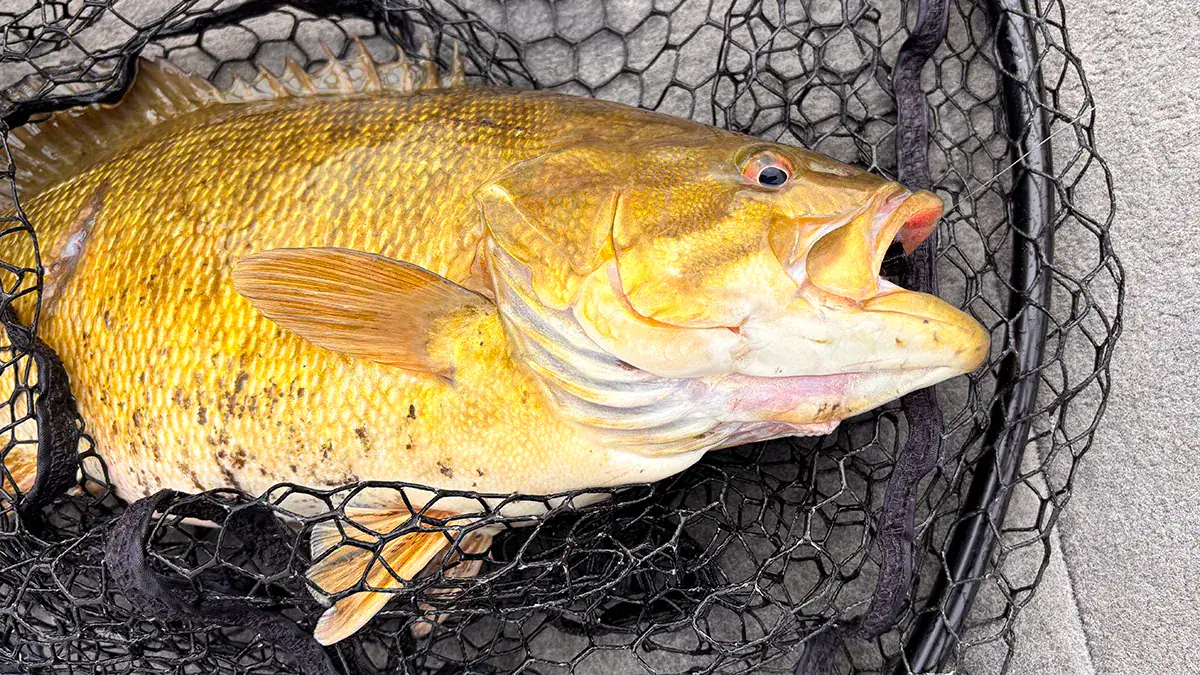
While it will catch numbers, the Carolina rig has a long-standing reputation for producing quality fish. Bigger bass often position slightly off the bottom or away from the pack. That trailing bait, hovering naturally behind the weight, appeals to those less aggressive but more experienced fish.
For example, when I fish on the St. Lawrence River in current for smallmouth, you can drag a dropshot or ned rig as much as you want; while you’ll catch some big smallmouth, most will be on the smaller side. With the Carolina rig, I can almost assure that every fish that bites will be much bigger. I might not get as many bites as a finesse presentation, but the bites I will get are the ones I’m looking for.
There’s also something about the slow, deliberate nature of the presentation that seems to trigger larger bass. It doesn’t rush them, it doesn’t force a reaction, it gives them time to commit. And when they do, they usually eat it well.
It’s Methodical, Not Boring
Anglers who mistake patience for inefficiency deem the Carolina rig boring. In reality, fishing it well requires focus, feel, and intention. You’re not just dragging blindly. You’re reading the bottom, adjusting speed, paying attention to how the bait moves, and recognizing subtle bites that would go unnoticed with other techniques.
There’s a satisfaction that comes from catching bass this way, especially when others around you are struggling. It’s a reminder that fundamentals still matter, and that bass fishing isn’t always about doing something new: It’s about doing something right and having confidence in what you’re throwing.
The Carolina Rig Deserves a Spot on Your Deck
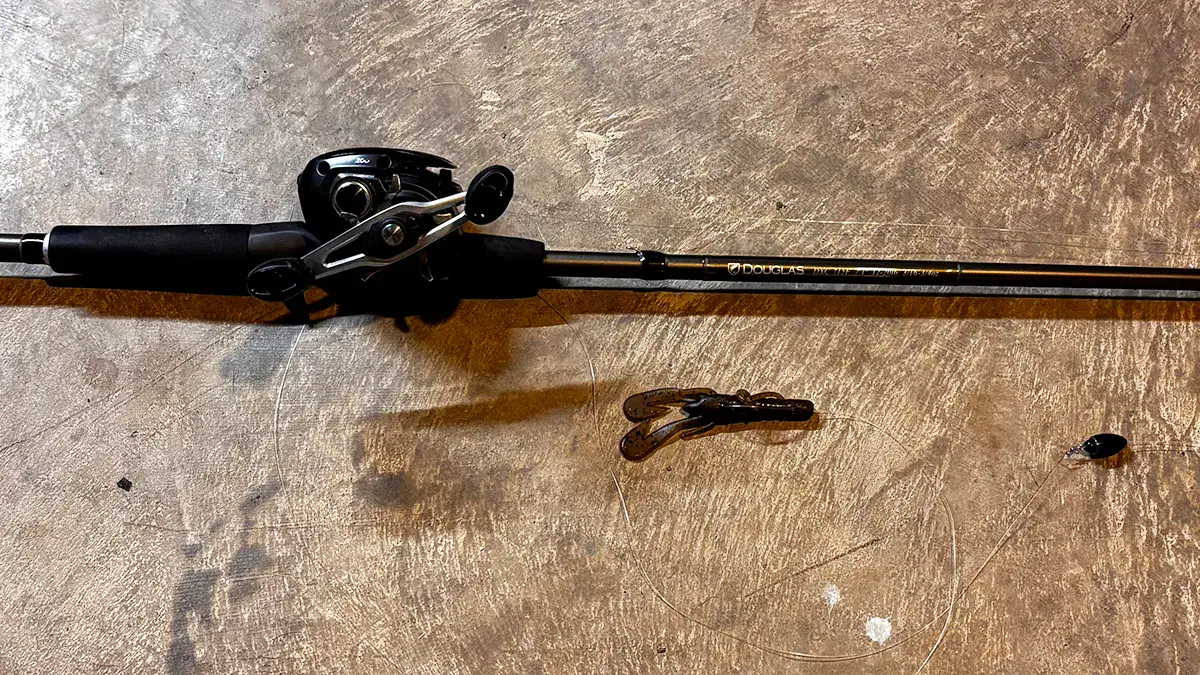
In a world dominated by electronics and trends, the Carolina rig remains a quiet workhorse. It may not be flashy, but it flat-out catches bass in situations where many modern techniques fail. If you’re willing to slow down, stay connected to the bottom, and fish with purpose, the Carolina rig will reward you.
Underrated? Absolutely. Outdated? Not even close. The Carolina rig holds a special place in my arsenal for both species of bass — and got some of the season’s biggest bites.
Don’t be afraid to drag the ol’ ball and chain around. You might just be rewarded with a new personal best or some big hooksets on some giant bass.