If you’re looking at the country as a whole, March is the month most associated with the pre-spawn. Sure, some extreme southern states have already seen bass on bed and the northernmost stretches of the states are still a far ways out, but it’s when the pre-spawn is in full swing for a large swath of the nation.
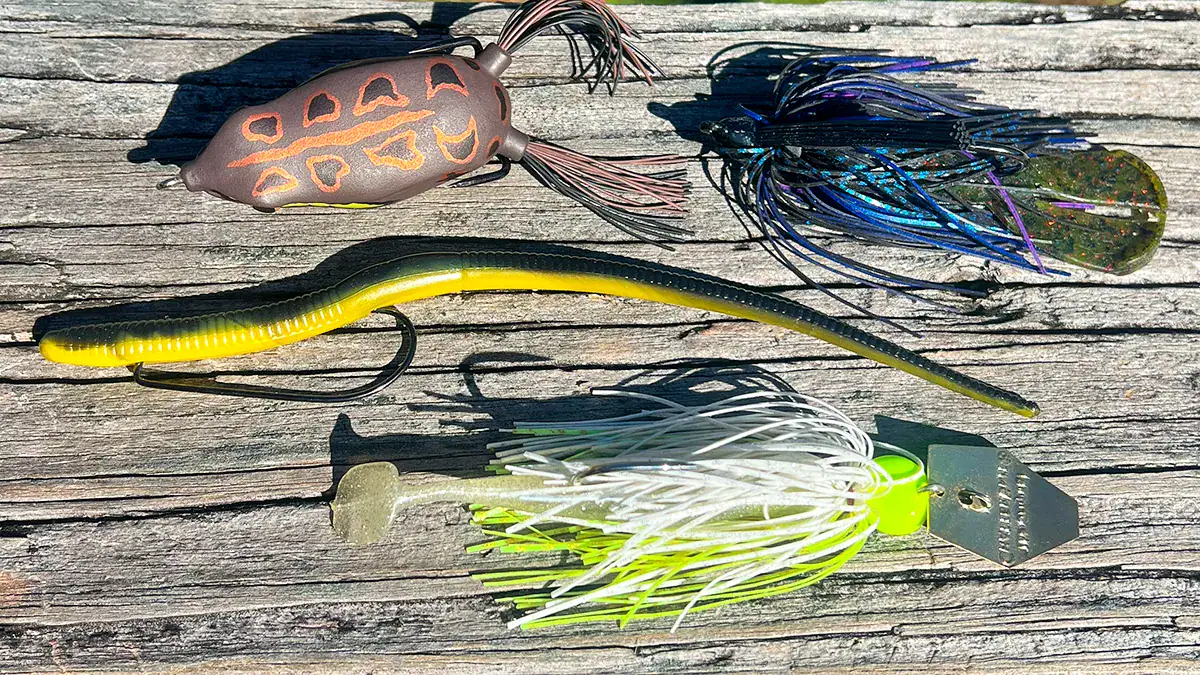
I’ll talk about March bass fishing in the South, and we’ll also get some anglers’ input on what’s happening around the country. Here are the lures we’re throwing in March.
ChatterBait
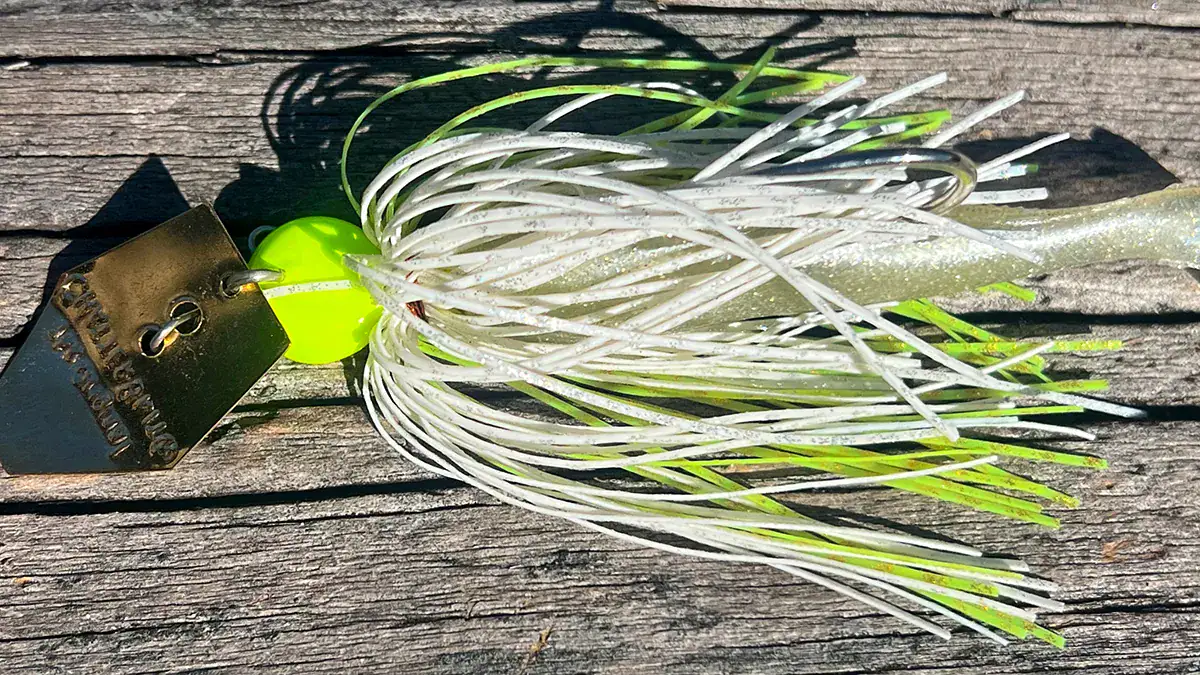
There likely isn’t a better bait for bass fishing in March than a vibrating jig. These baits give off a lot of vibration, which helps bass track the baits in low-visibility situations — and triggers big ones to bite in all situations.
The beauty of a blade jig in the pre-spawn is that it can be fished at various depths around all sorts of cover. You can slow-roll it and rip it through submerged vegetation in six feet of water on one cast and reel it right down a dock in a foot of water on the next.
These baits also skip really well, which makes them a better power-fishing option than even squarebills and spinnerbaits if you’re fishing around overhanging cover like docks, bushes, and pontoons. We’ve got more pointers on how to fish a chatterbait that’ll benefit first-timers and long-timers, too.
Floating Worms
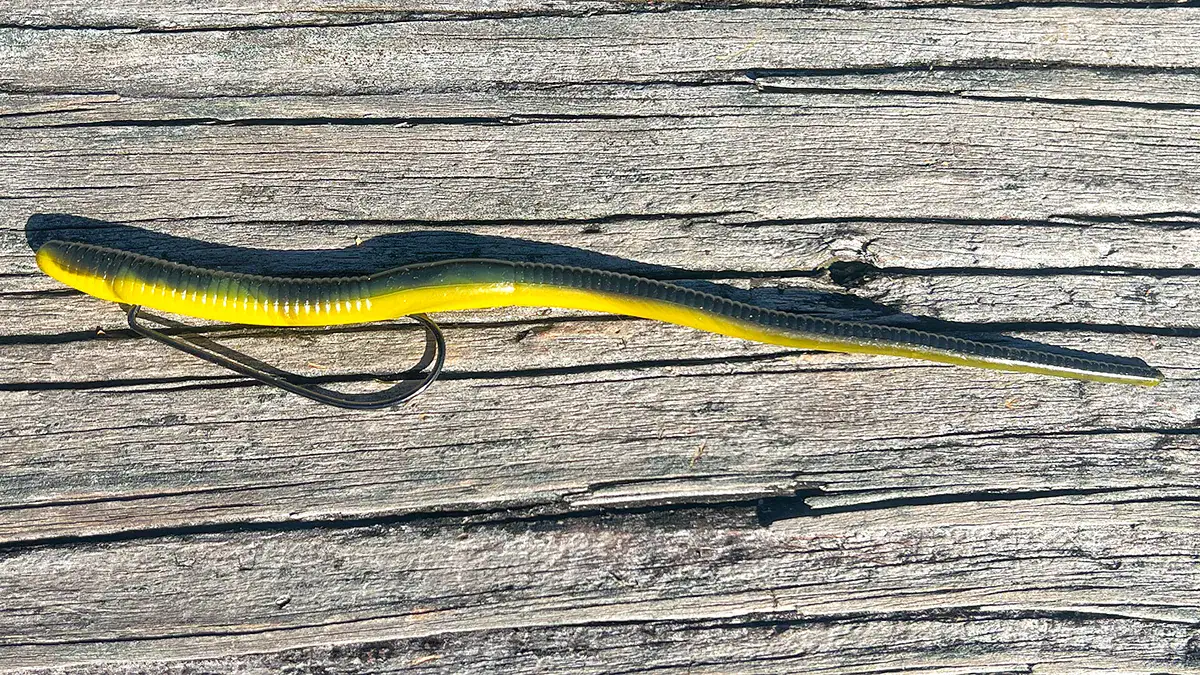
The floating worm has fallen off the radar in recent decades, but is still a tried-and-true staple around the spawn.
As bass enter the final stage of pre-spawn and begin roaming shallow areas to make their beds, they can be a little difficult to catch. Earlier in the pre-spawn, these bass would bite almost anything that came swimming by. Now, when they’re hyper-focused on starting the spawning process, they can become finicky.
The floating worm is the antidote to this funk. Fishing a weightless worm right along or just under the surface around shallow spawning areas gives the bass a finesse presentation that they can hardly pass up. Here’s more on how to fish a floating worm.
Walking Frogs
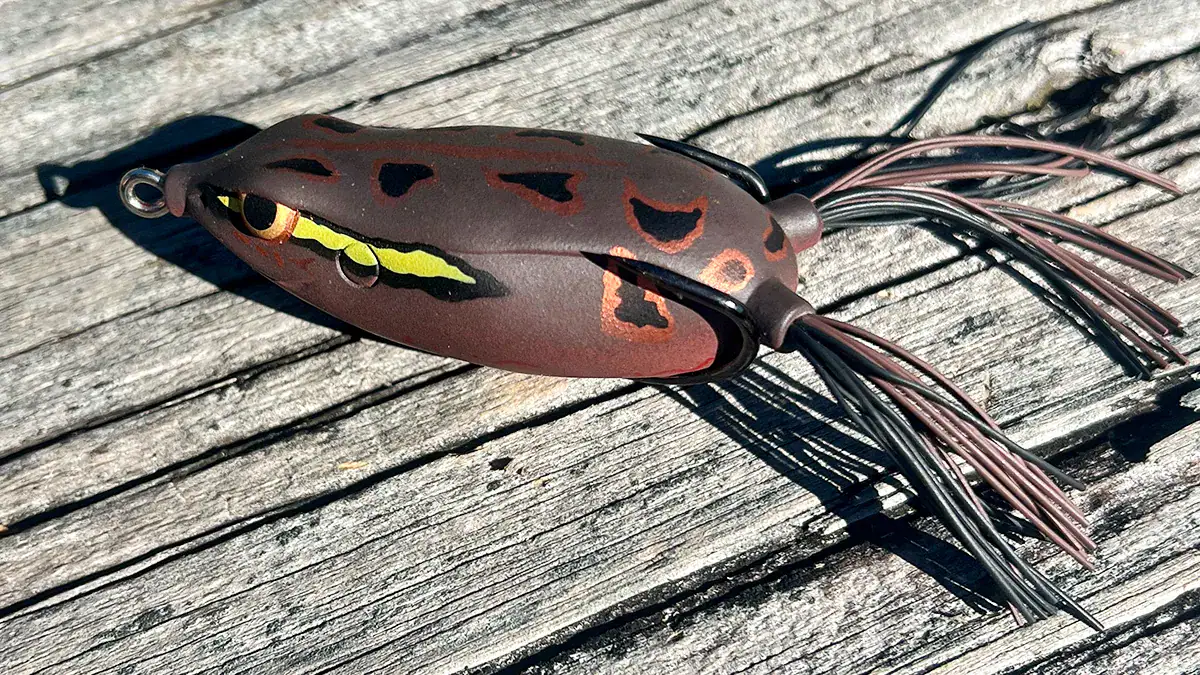
I really like a walking-style hollow body frog toward the end of March. And I love a popping frog later in the spring and into the summer, as the fish become more aggressive and start feeding on bluegill.
But while the fish are still on bed and just as they begin to come off, I’ve found that the subtle action of a walking frog is more effective at getting bass to bite. These baits are awesome this time of year because they can be fished slowly, tight to cover where bass may be bedding. And they can be skipped under overhanging cover.
Baits like the SPRO Bronzeye Frog 65 also come equipped with two big bold hooks, making them more than capable of hauling big bass around the spawn.
Swim Jigs
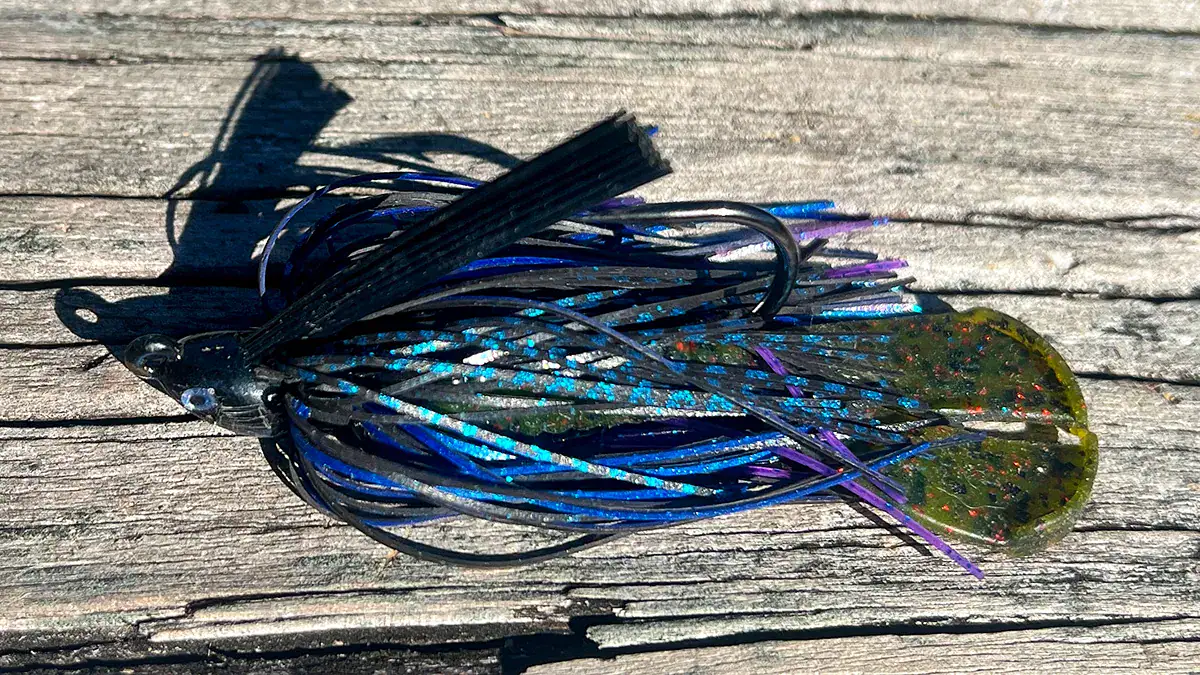
A swim jig is also a great offering in March, especially if you’re fishing a lake with vegetation. When bass feed heavily during the pre-spawn, they often like to bury up in vegetation to wait out a meal. Swimming a jig like the Dirty Jigs No-Jack Swim Jig over and through water willow, lily pads, and the like is a great way to get a big bite.
While this technique works especially well on grass lakes, a swim jig is also great for catching bass around woody cover and docks. It’s a good idea to use braided line in the vegetation and fluorocarbon in clearer water around isolated cover.
Trey McKinney
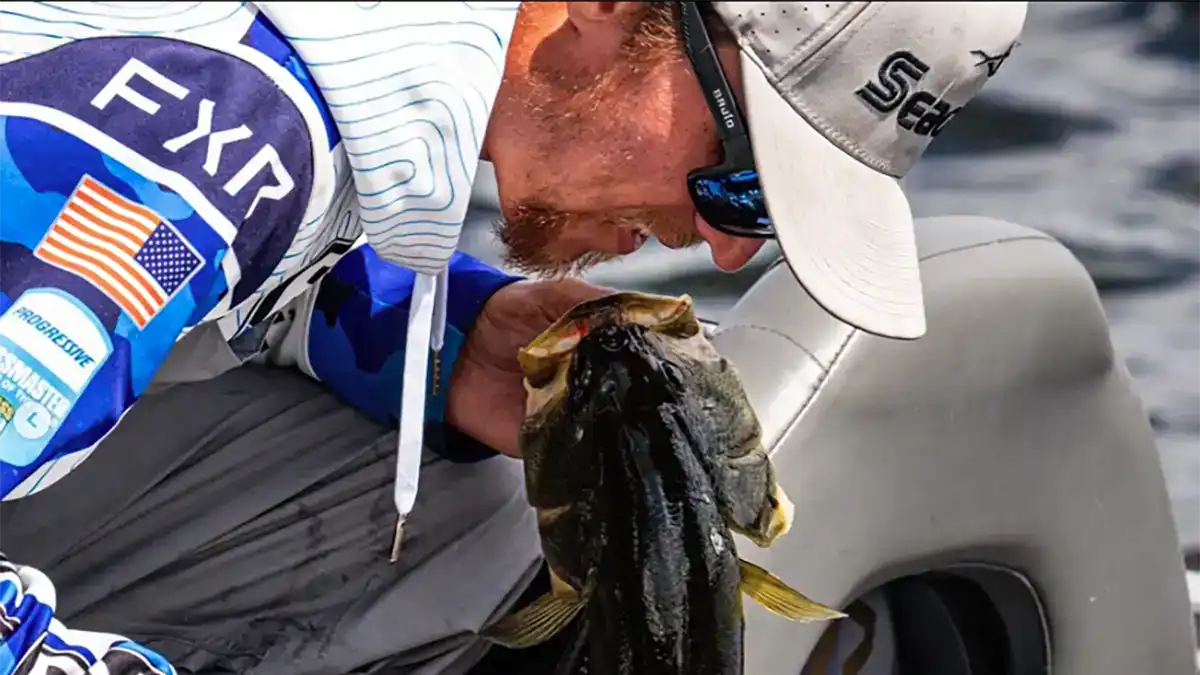
Here’s what the angler from Illinois has to say:
Number one I’d have on my deck is a 6th Sense Provoke 97DD Jerkbait. The water’s usually really clear in a lot of these lakes so they usually get from 15 to five or six feet of water this time of year around my house, whether it’s the pre-spawn stage or they’re feeding on bait. The water temp is still really cold, but it’s starting to get a little warmer every day. They hold on stumps at the mouth of creek arms or brush piles, or sometimes chase bait out in front of a creek arm they want to go in.
I’d probably do a 5-inch Shindo for a lot of those fish that are chasing bait. A jerkbait is harder to get to them. The jerkbait is more for cover or for fish that are floating underneath the surface. The minnow is good for the fish chasing around the bait.
There’s also another pattern that’s really good for me. It’s called a PD4. A PD4 is a little bitty crankbait from the Pressure Series from 6th Sense. Or you can go a little deeper. That’s probably the shallowest I’d go. Around my house, you can catch a fair number of them from now ‘til the end of March just cranking down the grass edges. There’s water willow along the bank, and it’s three to five feet on the edge. You can crank down it and catch them really good, or riprap, or rock. On the super cold days that you’ll still have sometimes up where I’m from, the little bitty crankbait will really wear them out.
Jake Whittaker
This southern angler had the following to add:
From late February on into March, you’re going to have your shallow running crankbaits. February is your reds, and red is definitely a player right into March. But as March progresses and the water warms, if you’ve still got dirtier or dingier water available, I start transitioning to chartreuse. The last two weeks of pre-spawn when those fish are getting really close to spawning: If you’ve got dirty water, a chartreuse shallow water crankbait is really killer for me — specifically a chartreuse and black back Bill Lewis ATV Squarebill.
A vibrating jig with a Big Bite Kamikaze Swimon. If you’ve got dingy water, either a dark bait or white/chatreuse. And I even like to throw it in cleaner water, but I’ll throw a translucent color like Clear Water Shad. I’m fishing staging areas with boat docks, laydowns, and your last deep water in a creek. A vibrating jig is interchangeable with a spinnerbait. If the fish are really tight to cover and not in a chasing mood, I’ll go with a spinnerbait. But if I know the fish are active, I like a vibrating jig.
Just a jig in general is good. I like to be in just a little bit of stain or dingy water in March. I feel like I catch bigger fish and they’re easier to catch in dingy water. They can be around laydowns and boat docks as well. If I’m noticing that those fish are real lethargic or really tight to cover, a jig is a fantastic way to pluck a big fish out of an area. Just a regular arkie style jig, something you can skip a dock with and the next cast flip a laydown with.