Ask most fisheries biologists about invasives and you’ll usually hear a long laundry list of different species. Zebra mussels, sea lampreys, Asian carp, and countless others have altered ecosystems across North America. But every once in a while, an invasive species creates an unexpected silver lining. It’s something that actually enhances the fishery instead of making things worse. In the Great Lakes, that species is the round goby.
While they were never supposed to be here, it’s hard to argue against the impact gobies have had on many of the region’s sport fisheries. From giant smallmouth bass to trophy walleyes and even massive lake trout, countless predators have benefited from the arrival of this little bottom-dwelling fish.
As strange as it sounds, gobies may be the best accident to ever happen in the Great Lakes. Here’s a little bit about the most delectable little baitfish that greatly impacted our fisheries for the better.
How Gobies Got Here
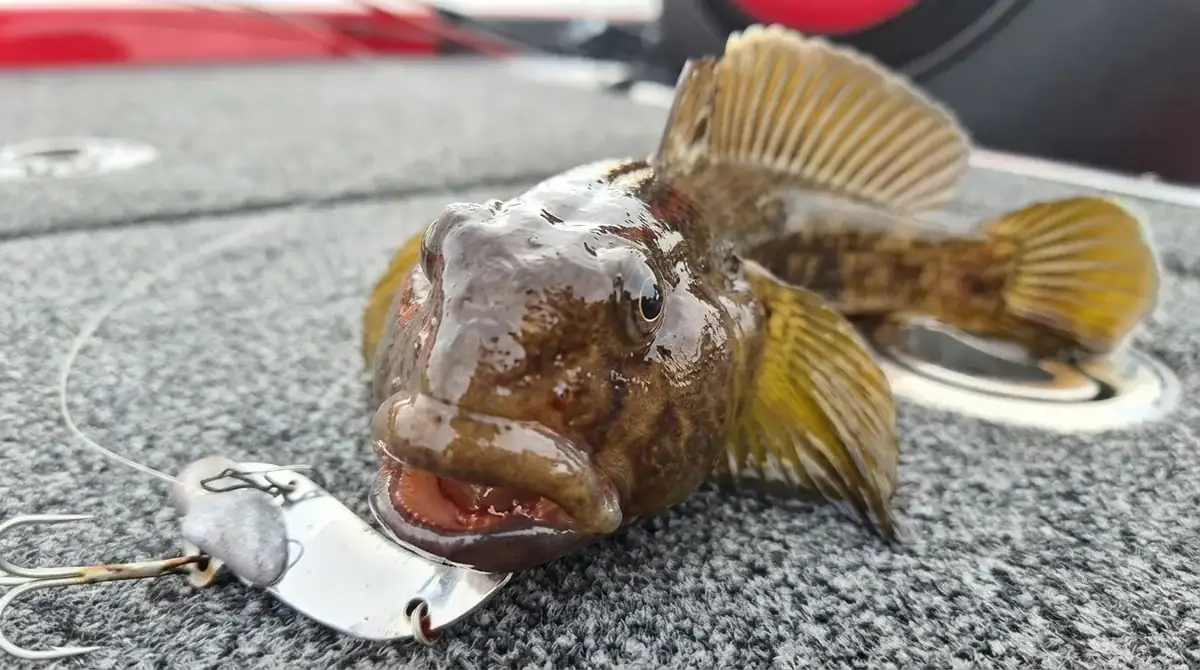
The round goby is native to the Black and Caspian Sea regions of Eastern Europe and Western Asia. Like many invasive aquatic species, they arrived in North America through ballast water discharge from overseas cargo ships — particularly those coming through the St. Lawrence seaway. Ships traveling across the Atlantic Ocean would take on water in foreign ports to stabilize their vessels. When they reached the Great Lakes, that ballast water was released, along with countless microscopic organisms, plants, and fish species. Round gobies were first discovered in the St. Clair River in 1990; from there, they began their rapid spread throughout all five Great Lakes and many connected rivers.
At first, biologists feared the worst. Gobies reproduce quickly, aggressively defend nesting sites, and compete with native bottom-dwelling fish such as sculpins and darters. Initial concerns centered around their ability to disrupt native ecosystems. Those concerns weren’t entirely unfounded: Gobies did displace some native species in certain areas. But what happened next changed both Great Lakes fisheries forever and how different species of fish have adapted.
The Perfect Forage Fish
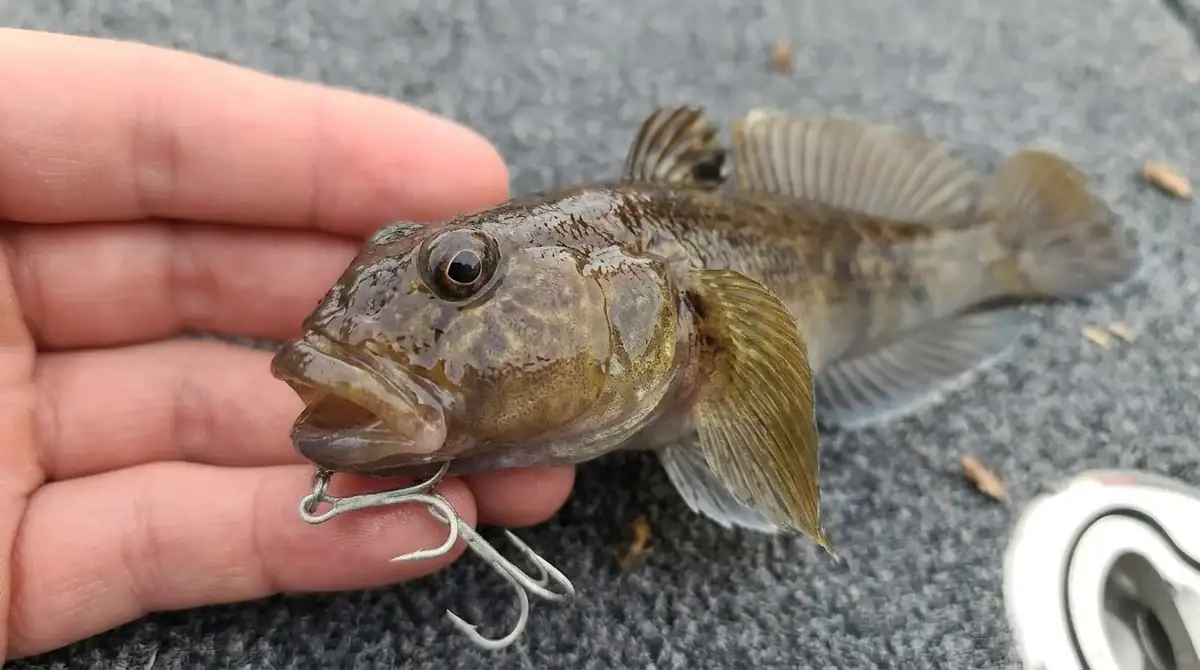
The biggest reason gobies became so beneficial is simple: They are almost the perfect prey species. Gobies spend nearly their entire lives on the bottom. They are relatively slow swimmers compared to baitfish like alewives or smelt. They are abundant, protein-rich, and available year-round. Gobies have almost little to no spines on them, making for a soft, easy-to-swallow meal. For predators, they’re basically hot dogs with fins: Bass, walleye, perch, and trout all slurp up these bad boys almost as quickly as Joey Chestnut at the Nathan’s Hot Dog Eating Contest.
Unlike pelagic baitfish roaming open water, gobies stay around rocks, reefs, breakwalls, and other structure. That means predators can consistently find them without expending large amounts of energy. Gobies can cup their fins to clamp on or “suction cup” to rocks, making it easy for most species of fish to pluck them off the sides of rocks or other structures.
Perhaps most importantly, gobies are incredibly prolific. A female can spawn multiple times during a single season, producing thousands of eggs. Their population growth allows them to withstand heavy predation while still maintaining enormous numbers. Just like any invasive species, they will just keep multiplying once they’ve taken hold.
What Gobies Feed On
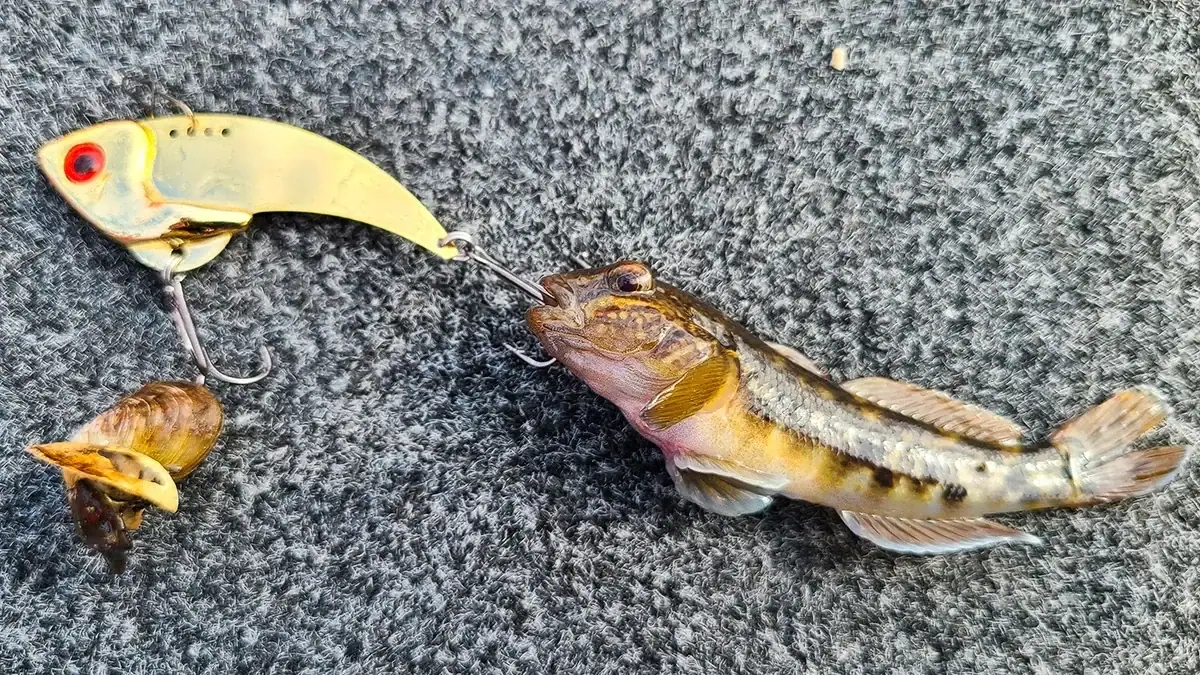
One reason gobies have been so successful is their varied diet. Their favorite food is mussels, particularly zebra and quagga mussels, which are also invasive species that exploded throughout the Great Lakes. Gobies use their powerful jaws and specialized crushing teeth to crunch down on small mussels and consume them in huge quantities.
They also feed on:
- Aquatic insects
- Mayfly larvae
- Midges
- Crayfish
- Fish eggs
- Small fish
- Amphipods and other invertebrates
This diverse menu allows gobies to thrive almost anywhere suitable habitat exists. In a strange twist of ecological fate, one invasive species became an important control mechanism for two others. As gobies consume large numbers of zebra and quagga mussels, they simultaneously convert that biomass into food that larger predators can use. It’s crazy and interesting how one species can manage another and still be a very viable food source.
What Feeds on Gobies?
The better question might actually be what doesn’t feed on gobies. Today, gobies are a major food source for a wide variety of Great Lakes predators. It seems like every predatory fish species relies on gobies as either their primary or secondary food source throughout the entire Great Lakes system.
Smallmouth Bass
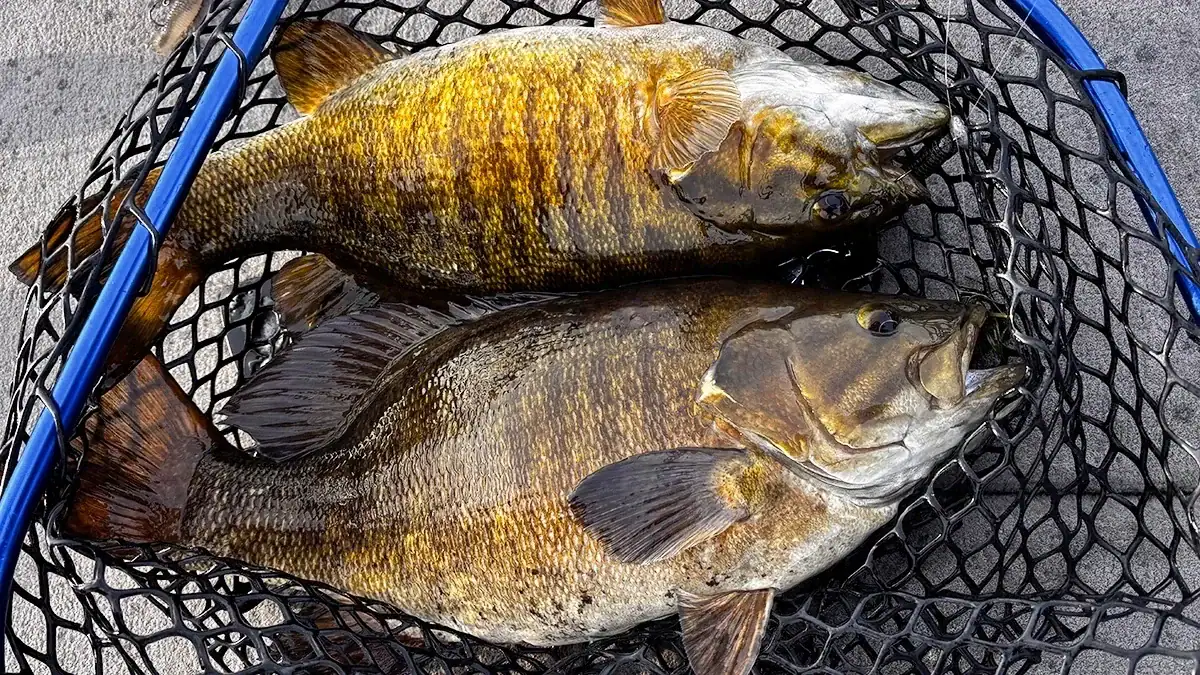
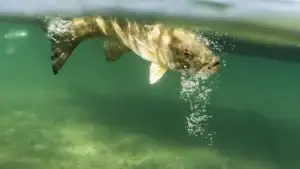
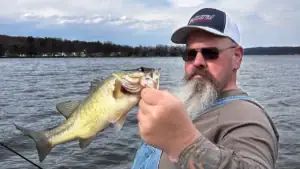
No species has benefited more from gobies than the smallmouth bass. Before gobies arrived, Great Lakes smallmouth relied heavily on crayfish, insects, perch, and baitfish. Most bass rarely exceeded the four-pound mark. Once the gobies were introduced, they provided an easy, high-calorie forage source that lives in exactly the same places bass spend much of their time.
The result has been astonishing growth rates. Many fisheries that once produced respectable smallmouth now regularly produce fish exceeding six pounds. In places like Lake Erie, Lake Ontario, the St. Lawrence River, and parts of Lake Michigan, giant smallmouth have become increasingly common and sought-after by anglers all around the country. Many anglers believe the modern era of world-class Great Lakes smallmouth fishing simply wouldn’t exist without gobies. Bass will still rely on other sources of food, but their main diet all year has switched to being goby based.
Walleye
Walleyes quickly learned that gobies are easy meals. Young walleyes consume smaller gobies while larger fish routinely target adult gobies around reefs, rocky shorelines, and breakwalls. In many areas, gobies have become a primary forage source, helping walleyes maintain exceptional growth rates.
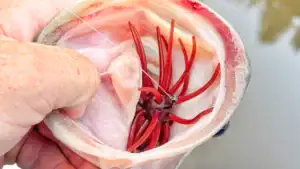
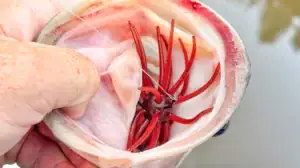
It’s no coincidence that many Great Lakes systems are producing some of the largest walleye populations in decades. They still feed on baitfish in open water. But many walleyes in the early part of the year — when they move either closer to shore or up tributaries — rely heavily on gobies as their main food source. I see it on Lake Erie all spring long, as many of the walleyes are spitting up gobies as we jig them early on.
Lake Trout
Lake trout have also embraced the goby buffet. Since these fish are more of a bottom-dwelling char species, lakers often gorge themselves on gobies. Rocky reefs that serve as spawning habitat for lake trout are often loaded with gobies hiding around and under every rock. This gives trout an abundant food source throughout much of the year.
Many biologists believe gobies have contributed to improved body condition among lake trout populations in several Great Lakes regions. We see it on Lake Ontario, Lake Erie, and the St. Lawrence River when we catch them in the spring and fall, when the lakers move shallow.
Yellow Perch
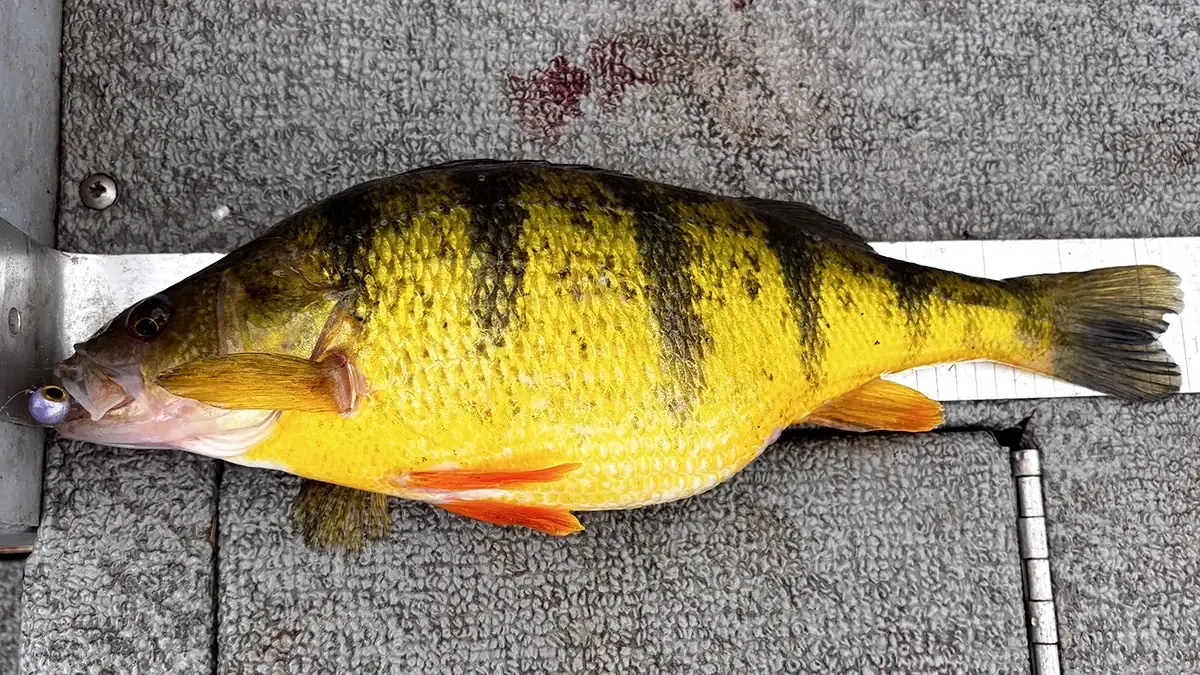
Even yellow perch benefit from gobies, particularly larger perch capable of eating juvenile gobies. While there can be competition between the two species for some food resources, mature perch often turn the tables and feed on young gobies whenever the opportunity presents itself.
With gobies reproducing at a rapid rate, yellow perch often find that gobies are an easy meal when they are staged along rocky areas throughout the year. When we perch fish on both Erie and Ontario, gobies often fill their stomachs as we fillet them.
Other Predators
The goby menu doesn’t stop with fish. Cormorants, herons, gulls, mergansers, and numerous other fish-eating birds consume gobies regularly. Even snapping turtles and larger aquatic predators take advantage of their abundance. With them being both so abundant and found throughout the water column, they are a primary food source for every predator in the food chain.
The Bass Fishing Revolution
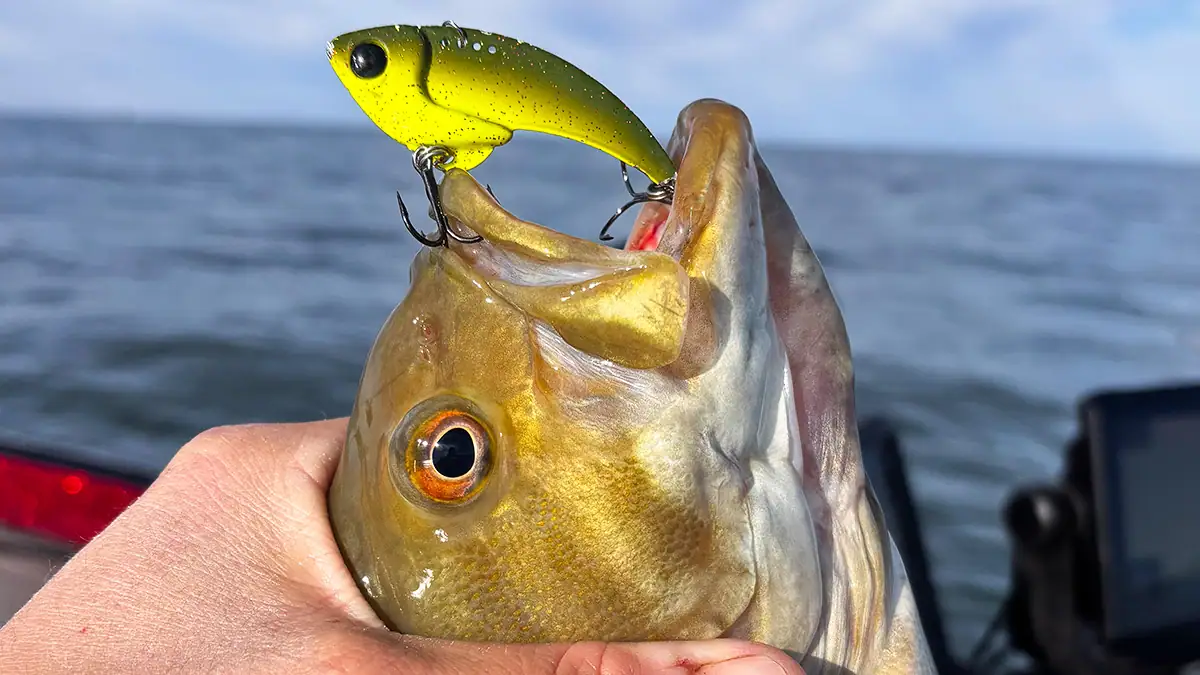
As a bass fisherman, it’s impossible not to appreciate what gobies have done for Great Lakes bass fishing. Modern finesse techniques such as tube jigs, Ned rigs, football jigs, goby-colored swimbaits, and dropshots rigged with goby-style soft baits owe much of their effectiveness to the presence of gobies. Entire lure categories are now designed specifically to imitate them.
When anglers drag a green pumpkin tube or a little football jig with a ned trailer across a rocky reef, they’re often presenting one of the most realistic goby imitations available. It’s an easy snake that most bass can’t resist.
No Perfect Story
That doesn’t mean gobies are entirely positive. They have displaced some native species and altered food webs. Their habit of eating fish eggs can negatively impact certain native fish populations. Like most invasive species, their arrival came with ecological costs.
However, unlike many invasive species that provide little benefit, gobies have become deeply integrated into Great Lakes ecosystems, creating substantial advantages for numerous sport fish populations.
The Best Accident in The Great Lakes
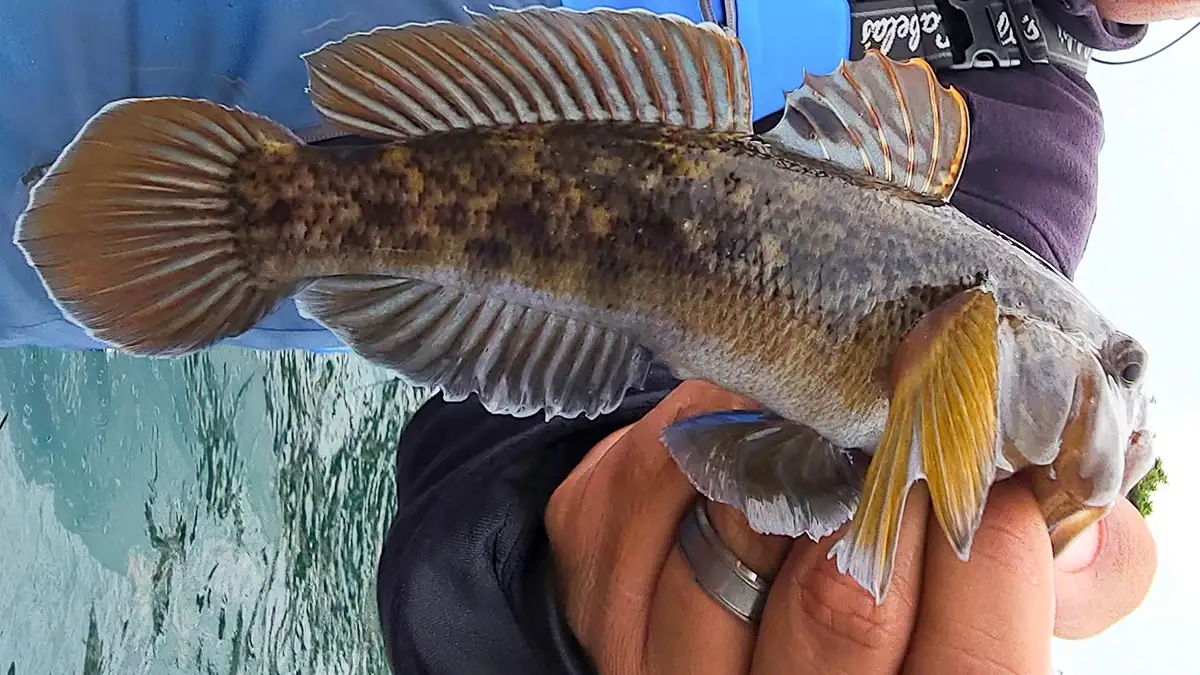
No fisheries manager would intentionally introduce an invasive species, let alone support the introduction of one. The arrival of round gobies was accidental and initially alarming. Yet more than three decades later, their impact has become one of the most fascinating ecological stories in North America.
They turned invasive mussels into usable forage, provided an abundant food source for predators, and helped create some of the finest fishing opportunity on the planet. Gobies contributed to healthier populations of walleyes, lake trout, bass, and countless other species.
While they may never win any popularity contests among conservationists, many Great Lakes anglers know the truth about these little fish. With their bulging eyes and oversized head, gobies have become one of the most important forage species in the region. Sometimes the best things in fishing happen completely by accident. For the Great Lakes, that accident was the round goby.