Greater Central Florida has a history of exceptional bass fishing lakes that’s attracted anglers from across the nation. To this day, major tournament trails still make their way down to Central Florida in winter and spring. Not surprisingly, the coldest months of the year are definitely when Florida lakes fish the best.
A 2026 Bassmaster Open went down on the Kissimmee Chain (including Lake Toho) in January. The Phoenix Bass Fishing League (BFL) held an event on the Harris Chain of Lakes (near Windermere) in April 2026. Major League Fishing’s Heavy Hitters event happened on Orange Lake (located between Gainesville and Ocala) in May 2026. If you head farther south, Lake Okeechobee looms as a behemoth as well, with the MLF Toyota Series Southern Division, MLF Phoenix Bass Fishing League and Strike King Bassmaster College Series all hosting events in January 2026.
This area is so important to me because I call it home these days. It’s the nearby waters that I fish when I can get out of the office. So what’s the point of saying all this? Well, to put it bluntly, the quality of Florida’s lakes is not all sunshine and rainbows. In fact, it might be the worst it’s ever been, no hyperbole. One study found that Florida’s lakes are the bottom of the barrel in the nation, claiming the highest total acres of lakes too polluted for either swimming or healthy aquatic life.
A Dark Underbelly of Degradation
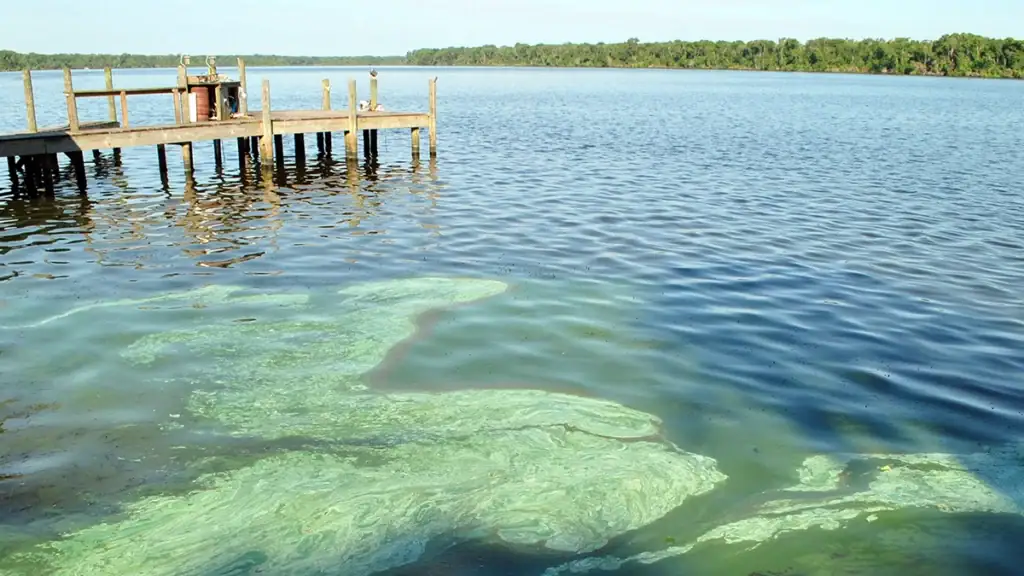
Unfortunately, I’ve watched the degradation of many unique Florida waterways deteriorating in real time. Yes, I’m talking about many of those lakes past or present known for exceptional bass fishing. Plus, I read the local news, listen to state biologists warnings, and closely follow social media pages of tourney pros and fishing guides who fish these waters way more regularly than I do. I cannot think of a single success story of a Florida lake that’s on the up-and-up and thriving when compared to its past. Even Fellsmere Reservoir (sometimes called Headwaters Lake) has completely fallen off in both fish-catching and water quality. The 10,000-acre manmade lake, not far from Sebastian, Florida, opened to boaters in August 2020 and was considered an untouched gem full of big bass and clear water. Its luster has faded and is nothing like it was even a couple years ago.
The reasons behind the collapse of Florida’s lakes are plentiful and cascading. Books upon books could be written about the details and historical events leading to where we are today. But in short, Florida’s poor water quality is directly due to a severe overload of nutrients (nitrogen and phosphorus), which is driven by agricultural runoff, stormwater overflow, and leaky septic tanks. You can add in other major factors such as loss of wetlands, overdevelopment, and lack of infrastructure. Yes, many cities in Florida don’t have adequate infrastructure to handle their ever-growing amounts of sewage, and that leads to sewage spills that dumps into waterways, especially during heavy rain events.
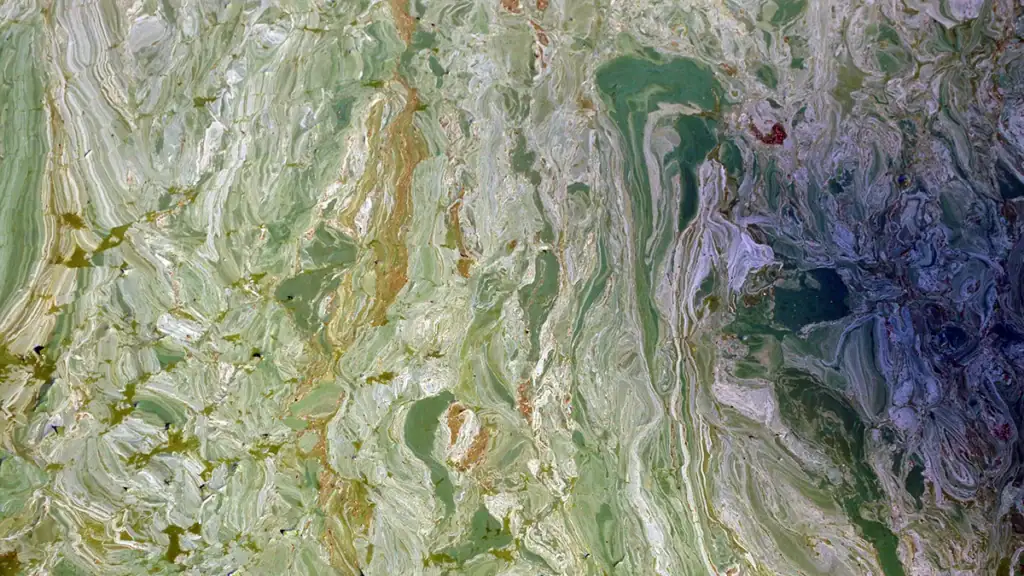
All of this inevitably leads to fish kills, declining Submerged Aquatic Vegetation (SAV), toxic blue-green algae blooms, loss of habitat, nasty water quality and dangerous bacteria, and vastly fewer fish to catch. I fish Florida’s freshwaters, yes, but these days I don’t swim in the state’s freshwaters unless it’s a flowing spring.
Spraying as a Flash Point
One growing frustration among many bass anglers is the state’s unwavering overuse of chemical herbicides to spray every inch of waterway harboring invasive plants. The most well-known intruders are hydrilla and water hyacinth, but there are definitely others, too. With the loss of native Florida lake habitat, anglers have come to rely on hydrilla as fish attractors. There simply isn’t much native SAV left in certain water bodies — for example, like the mighty St. Johns River.
The other x-factor is that hydrilla is exceptional at sucking up excess nutrients. Of note, hydrilla backhandedly provides a huge service to Florida’s waterways by filtering and cleaning nutrients even though the plant’s invasive. But it also grows so quickly in this environment and can take over with disastrous results. The most important step is to manage hydrilla, as the state will never be able to eradicate it.
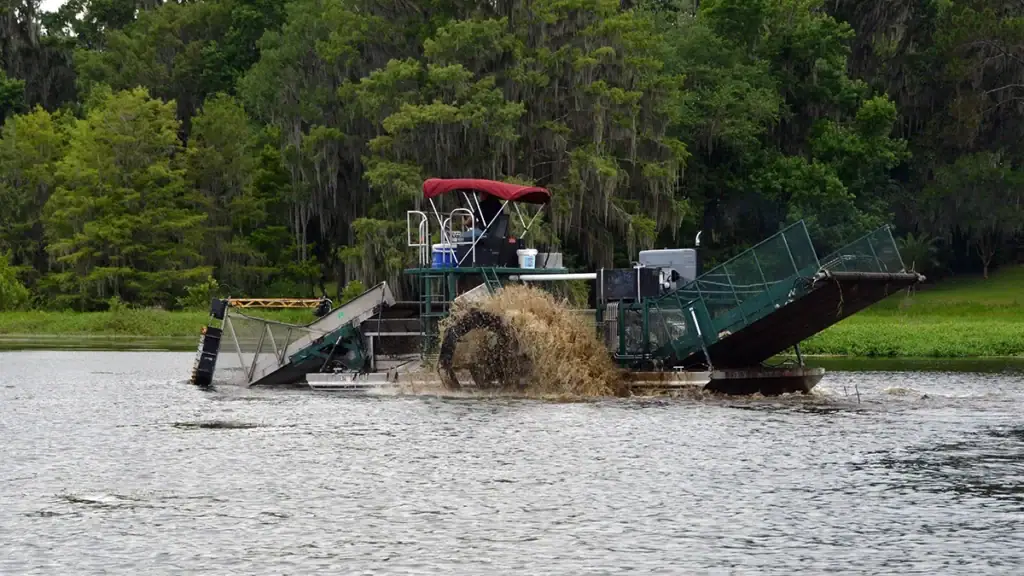
More and more anglers are demanding state officials stop spraying invasives with chemicals, but instead remove them mechanically via harvesting machines. The mechanical removal of invasives means that the phosphorus and nitrogen those plants sequester is also removed from water bodies. And that’s something that spraying does not do — in fact, when plants are sprayed, die, and fall to the lake floor, they tend to cause fish kills, oxygen-depleted dead zones, algae blooms, and muck bottoms. They also release nutrients back into the waterways.
The Mighty River Recovery organization, a group dedicated to ending the ecological decline of the St. Johns River, recently completed a study that found that spraying has some pretty nasty effects on waterways.
The group took control samples from a variety of areas along the river over a six-month period that showed no signs of pollution. Then, they took samples again after the areas were sprayed. In each case, phosphorus pollution rose to dangerous levels following herbicide use. Those nutrient levels remain elevated for months after spraying. From the results, the organization showed that spraying instantly drives nutrients accumulated by plants back into the system.
Florida Lakes Currently in the Crosshairs
Summer is when Florida’s waterways truly struggle. Whether it’s hot water causing low oxygen levels and sluggish fish, rainy seasons leading to more pollution and fertilizer entering waters, or just a heightened growing season leading to vegetation taking over a lake, the different factors unaffecting lakes, rivers, and fish-catching are immense. Summer is also known as the season of algae blooms. Below are just a few of the Florida lakes distressed from current conditions.
Lake Panasoffkee, Sumter County
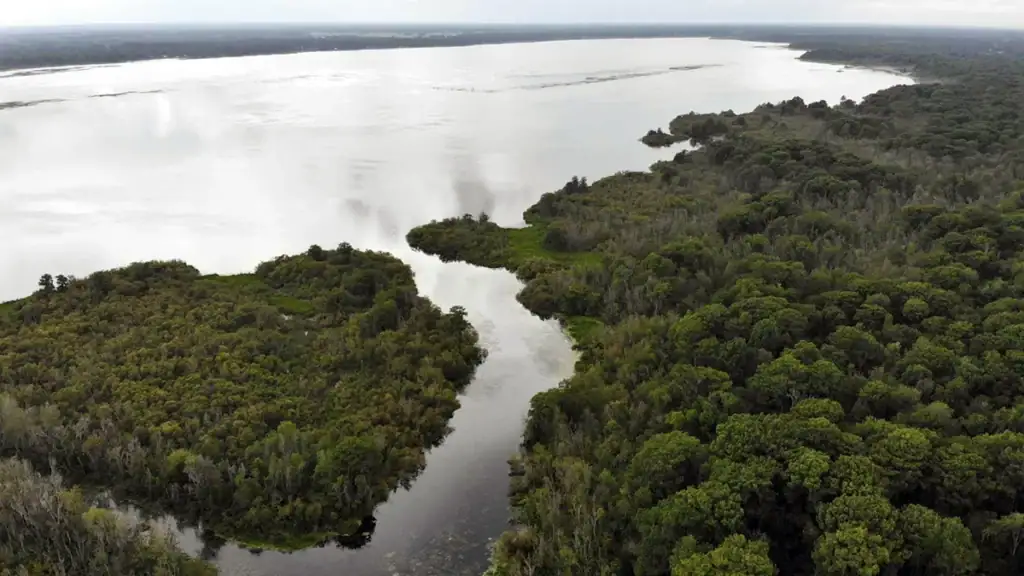
This renowned panfish lake is currently going through a pretty serious algae bloom. Lake Panasoffkee, near Sumterville, is experiencing environmental and navigational challenges, headlined by a blue-green algae advisory from the Florida Department of Health urging people to avoid swimming or boating near visible blooms. Compounding these issues, the Florida Fish and Wildlife Conservation Commission currently reports significantly low water levels alongside dense vegetation, creating navigation hazards for boaters in the shallow, weedy areas.
Lake George, Volusia County
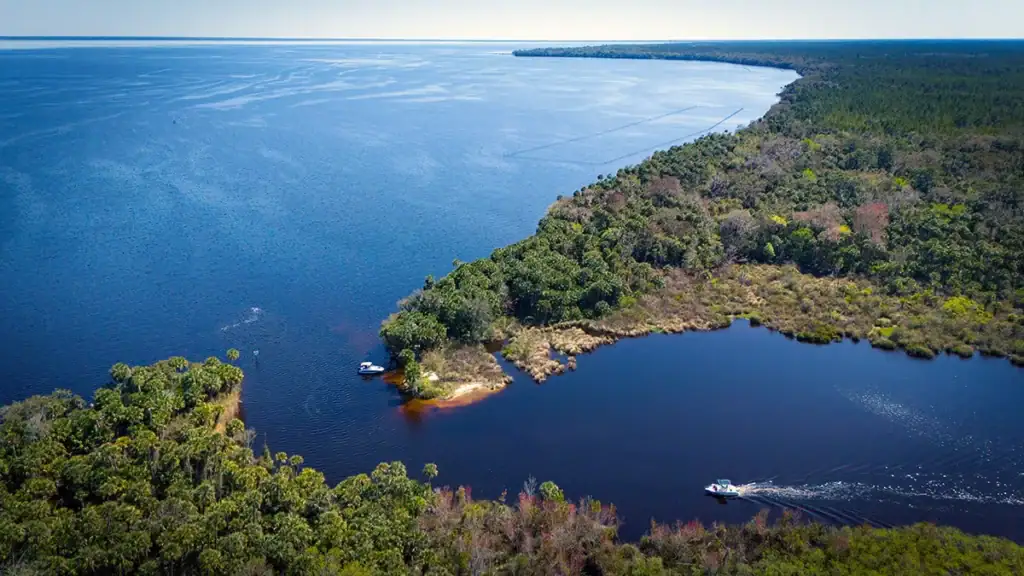
Lake George, near Pierson, is having a rough summer, as blazing Florida heat and stagnant waters have cooked up a nasty outbreak of toxic blue-green algae. Lake George was at one time considered a major bass-fishing destination. Years of nitrogen and phosphorus runoff flowing in from the St. Johns River act like super-fertilizer for these slimy blooms, which do a lot more than just ruin a good boat day. The algae mats block sunlight from underwater plants and release dangerous toxins that can make people sick — and are downright fatal to dogs. To make matters worse, when all that algae dies and decomposes, it sucks oxygen right out of the lake, suffocating fish and causing fish kills.
Lake Apopka, Orange County
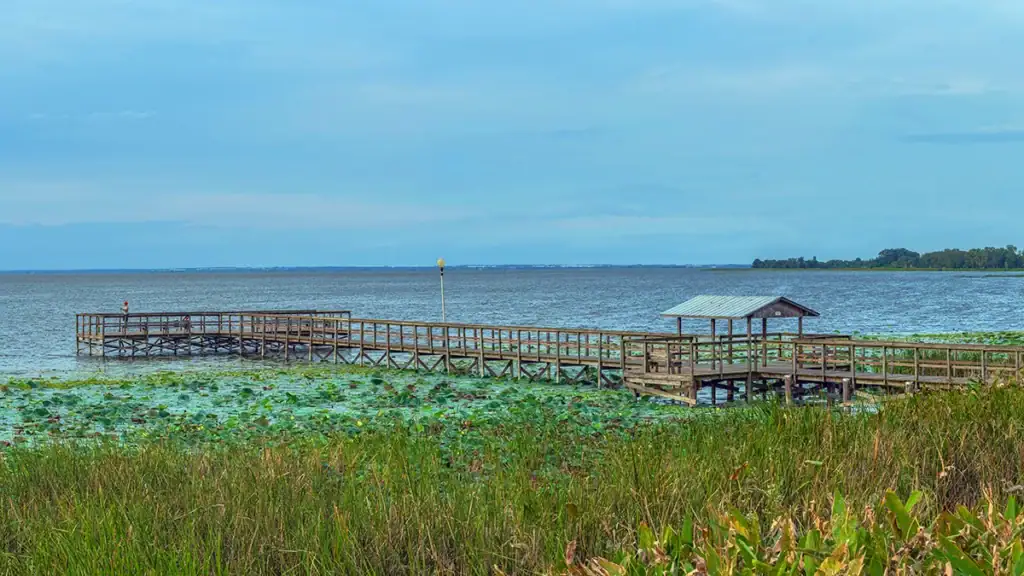
The rise and fall of Lake Apopka is tragic. As recently as 2025, Florida pro Bobby Lane won a national event on Lake Apopka with 56 pounds, 5 ounces, from 19 bass, taking home a $150,000 top prize. But in recent years, the lake is really known for its fish kills.
Despite decades of ongoing restoration efforts, Lake Apopka continues to endure severe water-quality degradation, driven by a toxic combination of legacy agricultural runoff and unrelenting summer heat. Decades of intensive farming along the lake’s north shore deposited massive quantities of phosphorus and pesticide-laden organic muck onto the shallow lakebed. During the hot, stagnant summer months, high water temperatures and long daylight hours cause these bottom nutrients to resuspend and cloud the water column.
This internal nutrient loading acts as fuel for persistent cyanobacteria (blue-green algae) blooms, which form thick, discolored surface scums that block sunlight needed for underwater plant recovery and drop dissolved oxygen levels as the algae dies and decomposes. The resulting foul odors, elevated microcystin toxins, and degraded aquatic habitat regularly trigger official public health cautions from authorities like the Florida Department of Health in Orange County.
Lake Jesup, Seminole County
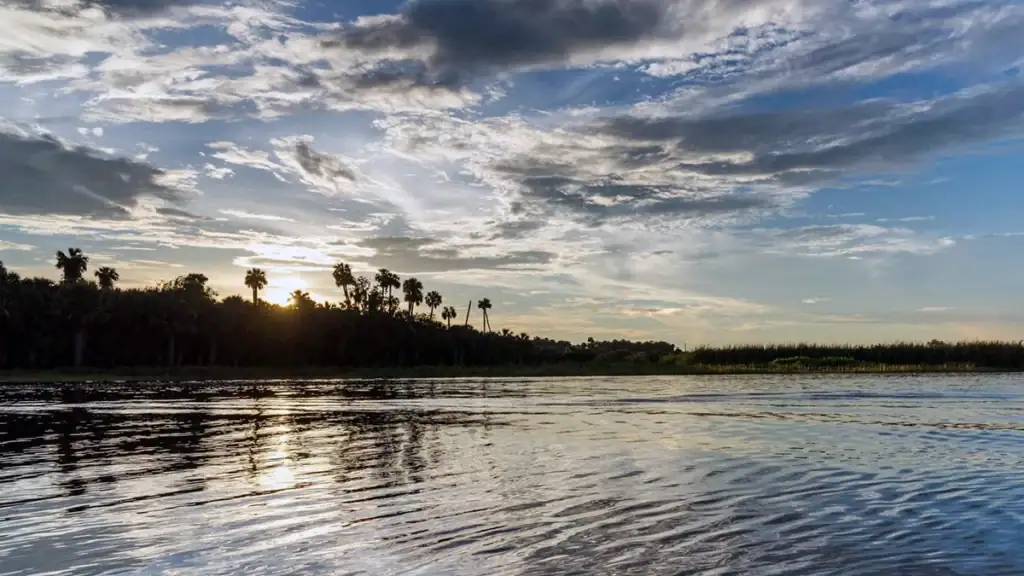
Lake Jesup used to be a well-known crappie lake; now, it’s just a dumping ground for nuisance alligators. Old-timers say the lack of water flow from the St. Johns River led to its demise. The root of the problem is decades of built-up filth — years of old farm runoff, neighborhood stormwater, and ancient sewage discharges left a thick layer of nutrient-packed muck sitting on the bottom. Combine that with the fact that Jesup is super shallow (averaging only about six feet deep) and barely gets any fresh water flowing through from the St. Johns River, and you’ve got a recipe for total disaster.
All that intense sun bakes the shallow lake, stirring up the bottom gunk and feeding massive, unhealthy blue-green algae blooms that end up looking like thick green pea soup. It’s gotten bad enough this summer that health officials in Seminole County have repeatedly warned people to keep themselves, their kids, and their dogs completely out of the water.
Crescent Lake, Putnam County
This lake (sometimes called Dunns Lake) was best known for its black crappie and big largemouths. But if you’ve been anywhere near Crescent Lake or Dunns Creek lately, you already know it’s having a hard time. Decades of old farm runoff, leaky septic tanks, and stormwater have piled thick, nutrient-heavy muck along the bottom. Once the summer sun took hold, all that legacy phosphorus and nitrogen stirred up into the water, triggering blue-green algae blooms. Things have gotten bad enough that health officials in Putnam County have issued repeated health alerts all summer to stay away from the water.
Lake Okeechobee, Multiple Counties
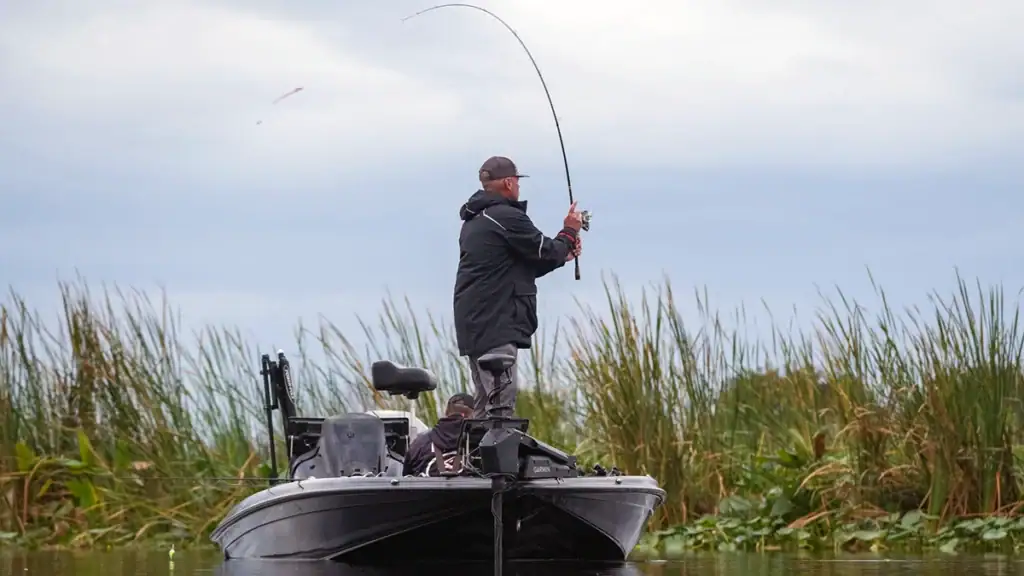
Lake Okeechobee used to be a mecca that many freshwater anglers pilgrimaged to in search of giant largemouth bass. Those days are long gone. This year’s drought conditions in the state actually allowed some regrowth of vital SAV and the freshly exposed lake muck bottom to dry out.
But Lake Okeechobee continues to struggle with severe environmental degradation, driven by a combo of legacy nutrient pollution, a shallow open-water layout, and intense temperatures. Decades of agricultural and urban runoff have loaded the lake with massive concentrations of phosphorus and nitrogen, creating a nutrient-dense sediment layer across the lakebed (simply called “muck”). In fact, much of the lake is not worth fishing because it’s devoid of life; anglers often tend to fish the edges and manmade rim canal.
Because Lake Okeechobee is exceptionally shallow — averaging only about 9 feet deep — summer sunlight and soaring water temperatures rapidly heat the water and produce common blooms. The legacy pollution in this lake is off the charts. These thick, foul-smelling algal outbreaks blanket large sections of the lake and are visible from satellite. Throughout June and July 2026, these persistent toxic blooms prompted a series of health alerts and cautions from health authorities in surrounding areas, including Palm Beach and Martin counties.
For more information on other lakes, the state of Florida has a dashboard that’s updated regularly showing current algae blooms across the state: https://floridadep.gov/AlgalBloom.