Throughout my time working in fisheries and pond management, I’ve seen just about everything. I’ve been asked just about everything, too. And the most common client question is, “I have so many bass in my pond, why don’t I have any big ones?” There is only one answer I can give them: Pond bass are stunted. All across the nation, there are small farm ponds and mismanaged private lakes loaded with bass that don’t seem to get past 15 inches. But how and why do they get like this?
Stunted bass populations are one of the most common — and most misunderstood — issues in small-waterbody ecosystems. At first glance, a pond full of 12-inch bass might seem healthy since there are plenty of fish to catch. But from a biological standpoint, that abundance often signals an imbalanced system. Stunting occurs when bass growth slows dramatically, preventing fish from reaching their full size potential. Understanding why this happens requires a closer look at population dynamics, forage availability, and the ecological limits of small waters. Here is a complete breakdown of why this problem exists and how to fix it.
The Root Cause: Too Many Predators
At its core, bass stunting is a density-dependent problem. Resources are finite in a pond. When the number of largemouth bass exceeds what the ecosystem can support, or the carrying capacity that it can support, competition for food intensifies. Each fish gets a smaller share of available prey, and growth rates decline. Each bass simply gets to a certain size, and then doesn’t grow any bigger than that.
Largemouth bass are apex predators in most pond systems. Without sufficient harvest or natural mortality, their numbers can quickly increase. A single successful spawn can produce thousands of offspring; even with high juvenile mortality, enough survive to overcrowd the system within just a few years. The result is a population dominated by slow-growing, underweight fish that will never have enough to eat. These bass expend more energy competing for food than they gain from consuming it, creating a biological bottleneck that keeps them small.
Forage Base Collapse
Closely tied to overpopulation is a declining forage base. Healthy bass growth depends on abundant prey species such as bluegill, shiners, and other small fish. In a balanced pond, bass regulate prey populations while still leaving enough forage to sustain rapid growth.
In a stunted system, however, that balance flips. Too many bass consume food faster than their prey can reproduce. Bluegill populations become truncated, meaning there are fewer small individuals available for bass to eat. Instead of a steady supply of bite-sized forage, bass are left chasing limited, often oversized prey that are difficult to capture. Stunted ponds like this will always have some of the largest bluegills and panfish in them because apex predators aren’t growing big enough to eat them.
This creates a feedback loop:
- Fewer prey fish → Slower bass growth
- Slower growth → More bass remaining in the same size class
- More bass → Even greater pressure on forage
Eventually, the system stabilizes at a low-growth equilibrium where bass survive, but rarely thrive. They’re essentially eating the whole pond ecosystem out of food.
Size Structure and Stockpiling
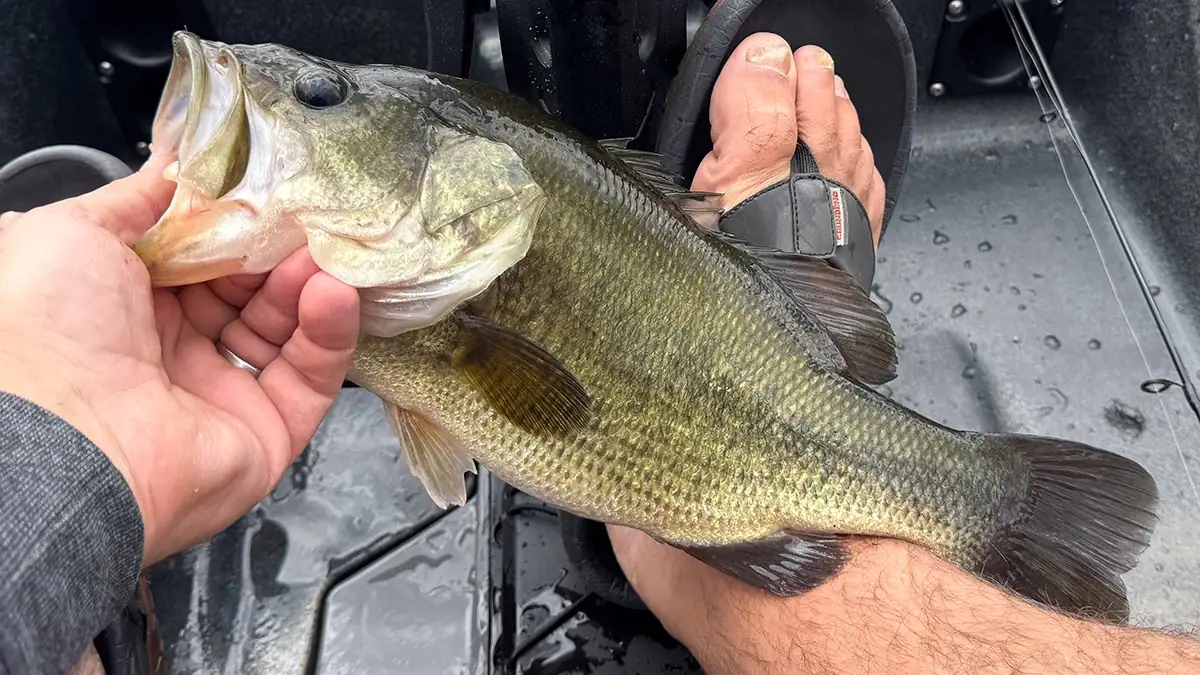
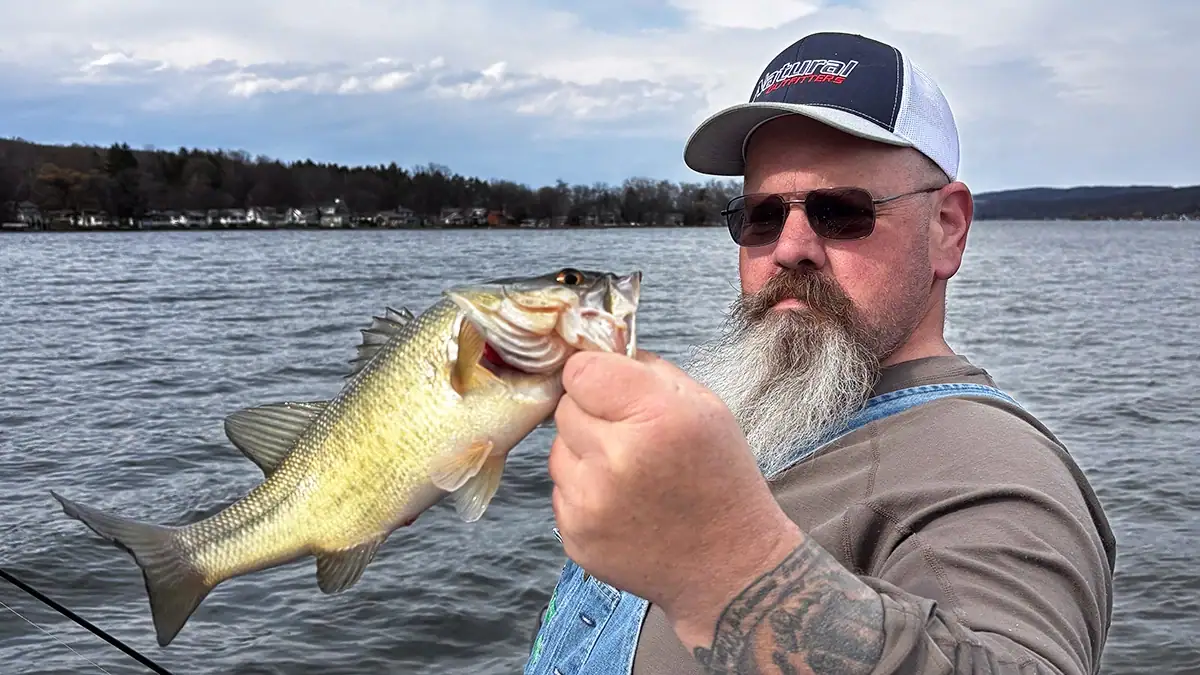
Another hallmark of stunted bass populations is poor size structure. In a healthy fishery, you’d expect to see a range of sizes, from young-of-year fish to larger, mature individuals. In a stunted pond, most bass cluster within a narrow size range, typically between 10 and 14 inches. This phenomenon is often referred to as “stockpiling.” Bass reach a certain size where food becomes insufficient to support further growth, and they essentially get stuck or “stunted” there. Because they’re not growing into larger size classes, they also don’t shift their diet effectively toward bigger, more energy-rich prey.
Larger bass, which could help thin out smaller individuals and restore balance, are often absent or extremely rare in these systems. This is what I call “1% Bass” in the pond. Those fish are smart enough to learn that they can eat the other bass. When you sample a pond full of stunted bass, you’ll often find hundreds of fish in the 12-inch size range, and one or two fish exceeding five to six pounds. Those are the “1% Bass” rarely seen in a fishery.
Environmental Carrying Capacity
Every pond has a biological carrying capacity, or the maximum biomass a body of water can support based on nutrients, oxygen levels, habitat, and productivity. When bass populations exceed this capacity, their growth inevitably suffers.
Fertility plays a major role here. Nutrient-rich ponds can support more forage and, in turn, larger bass. Conversely, infertile ponds have limited primary productivity, which trickles up the food chain. In these systems, even moderate bass populations can become stunted if the base of the food web isn’t strong enough.
Seasonal factors like winterkill or summer oxygen depletion can also influence carrying capacity. In some cases, these events temporarily reduce all fish numbers and allow the system to reset. But without intervention, populations often rebound to overcrowded levels.
Angler Influence
Human behavior frequently contributes to bass stunting. Many pond owners and anglers practice strict catch-and-release for bass, assuming it will improve the fishery. While well-intentioned, this approach can actually worsen overcrowding in small waters.
Unlike large lakes where predation and fishing pressure balance populations, ponds rely heavily on active management. When bass are not harvested, their numbers grow unchecked, intensifying competition and reducing overall fish quality.
Ironically, removing smaller bass is often the best way to produce larger ones. These aren’t big lakes where many anglers are keeping the fish they catch each year: These are singular ecosystems that need to be managed. While it may not feel right, removing bass from the ecosystem is the best thing for it.
Breaking the Cycle
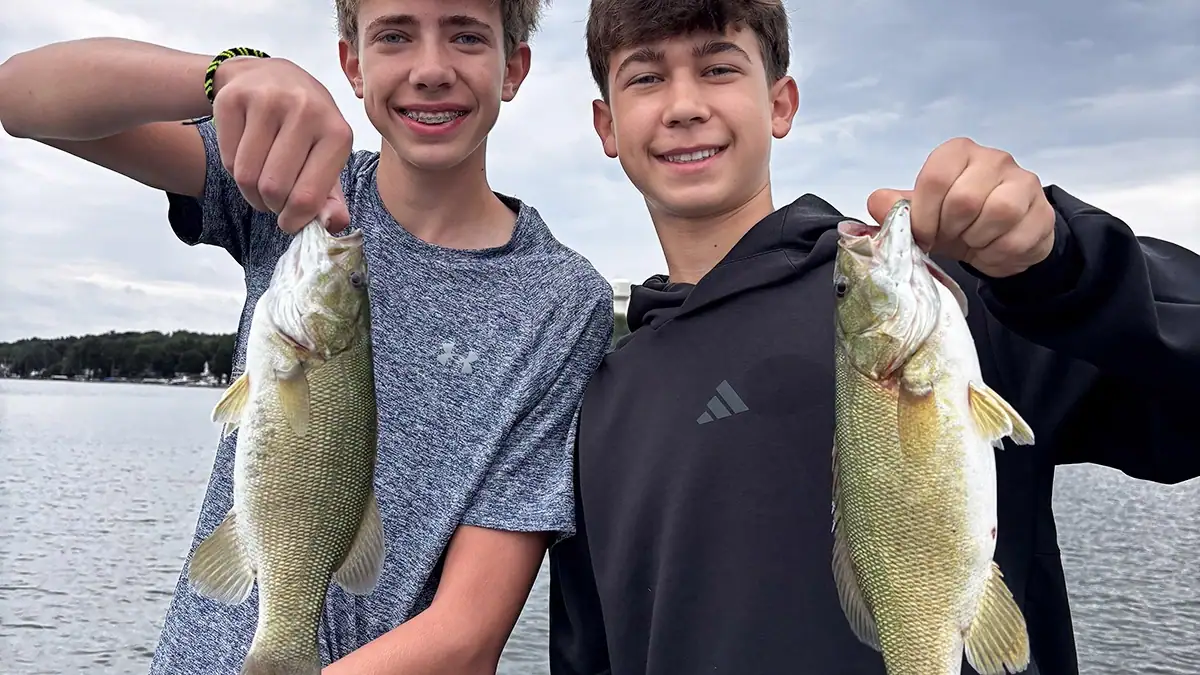
From a management perspective, correcting a stunted bass population involves restoring the balance between predators and prey. This typically includes:
- Harvesting smaller bass to reduce competition
- Enhancing forage populations, often through bluegill and minnow stocking
- Improving habitat, such as adding structure for prey refuge
In severe cases, a complete pond renovation may be necessary to reset the system. If managed correctly, small ponds can be thriving with fish. It’s an easy initiative to take, you’ll just need to keep up with it.
Final Thoughts
Stunted bass populations are not a mystery. They are, however, a predictable outcome of ecological imbalance. Too many predators, not enough prey, and limited resources create a system where survival is possible but growth is not.
For pond owners and anglers, the takeaway is clear: More bass does not mean better fishing. In fact, the opposite is often true. A well-managed pond with fewer bass can produce healthier fish, faster growth rates, and ultimately, the kind of quality fishery most people are after. It’s not just a size factor that it helps, it benefits the entire ecosystem.
Understanding the biology behind stunting is the first step toward fixing it — and turning an overcrowded pond into a thriving one.