Ned rig fishing has become one of the most popular finesse techniques and fishing rigs for catching bass all over the world. It’s a simple, do-nothing-looking rig that has proven effective for largemouth, smallmouth, and spotted bass across the country and beyond.
What is a Ned Rig?
Born out of the Midwest finesse niche in bass fishing by none other than Ned Kehde, the ned rig is simply a small plastic — usually 2 to 3 inches long — rigged on a mushroom-head jig. The original was basically half of a Yamamoto Senko threaded onto a mushroom head.
It’s typically fished on light line with a spinning rod and reel. Various retrieves work at different times, and that’s part of what makes it so versatile. The profile mimics many of the natural food sources in a bass’s environment, making it look natural and unobtrusive. They aren’t skeptical and instead just see it as an easy snack.
Why It Works
I remember being at the Berkley testing lab in Spirit Lake, Iowa, years ago. On the wall, there was a weird board covered in black plastic tubing. The tubes were different lengths and widths; some were short and fat, and some were long and skinny.
One tube, however, was set off to the side. It was about the width of a pinky and about 2 3/4 to 3 inches long. I was told that in their testing with all other variables the same (color, texture, scent, material), that was the profile the bass consistently preferred.
The Ned rig is nearly a spitting image of that 3-inch tube of soft plastic—a nothing-looking hunk of plastic. And that is exactly what bass prefer. That test stuck with me more than a decade later as the Ned rig exploded in popularity.
The Origins of the Ned Rig
The Ned rig was named after Ned Kehde of Lawrence, Kansas. Growing up in Sedalia, Missouri, Kehde fished the Ozark region. While he was a graduate student at the University of Missouri, he guided at Carrington’s Two Waters Resort on the Gravois Arm of the Lake of the Ozarks.
There, he met Guido Hibdon, who also worked at Carrington’s. Hibdon was an early practitioner of what is now known as the Ned rig. Along with Hibdon, Kehde met the late Chuck Woods of Kansas City, and the late Roy Fincke of Overland Park, Kan., both of whom Kehde refers to as the founding fathers of this finesse technique.
Setting up a Ned Rig
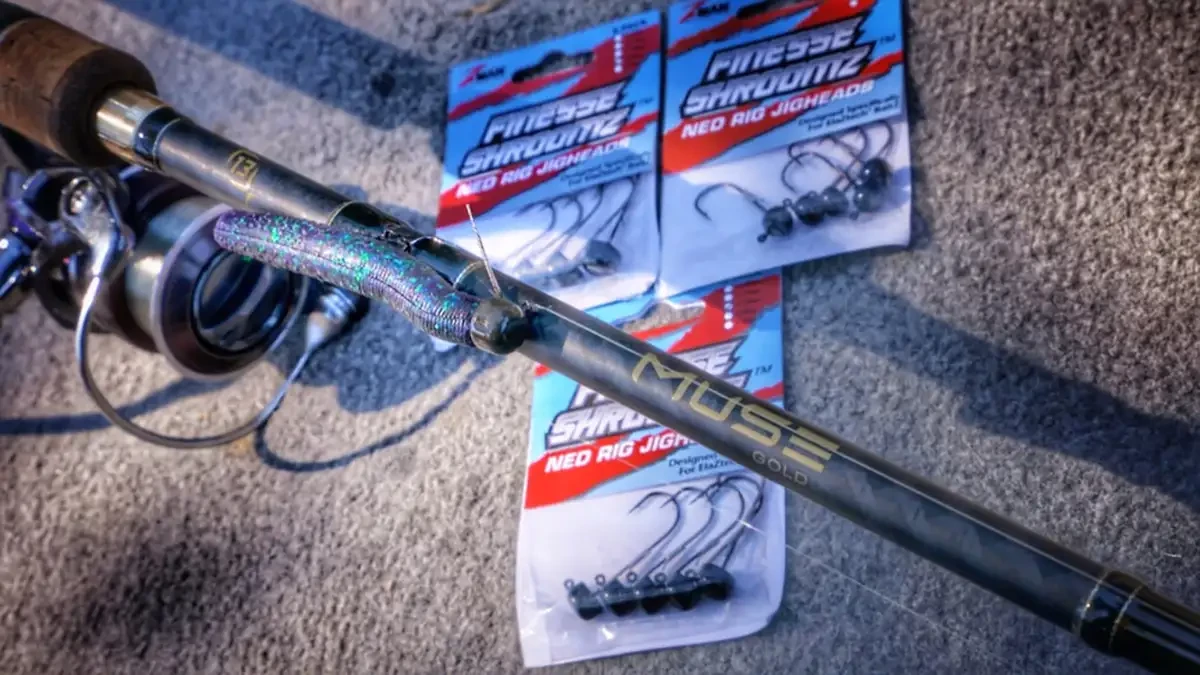
Your Ned rig setup can be as simple or as complicated as you’d like. You can simply cut your favorite stick bait in half and thread it onto a jighead, or choose from the hundreds of small finesse plastics out there calling themselves Ned rig baits. From mini stick baits to mini craws and mini baitfish, there are countless soft plastics and jigheads to choose from.
For our purposes, we’ll stick to the basics. You want the whole package to be streamlined, easy to fish on light tackle, and very natural to a bass.
Choose a Jighead
I generally recommend a 1/16-to 1/4-ounce jighead with a hook that matches the line you are fishing. If you’re fishing light line, choose a light wire in your jighead for better penetration. If you are using heavier line, you want a stronger hook it doesn’t bend out under increased pressure.
I tend to start with the lightest jighead I can, and only go heavier if needed.
Selecting a Soft Plastic
Choose a 2- to 4-inch plastic that matches the forage or colors in the waters you’re fishing. Thread it onto your jighead and make sure the keeper has a good hold on the plastic before tying the rig to your leader or line.
Rod, Reel & Line
I generally fish with 10-pound braid and a 6-pound leader, although there are times when straight fluorocarbon line is preferred.
I recommend a spinning rod with a medium or medium-light power and an extra-fast action, paired with a spinning reel that can hold the light braid and leader. That’s an efficient setup for most applications.
Recommended Rods
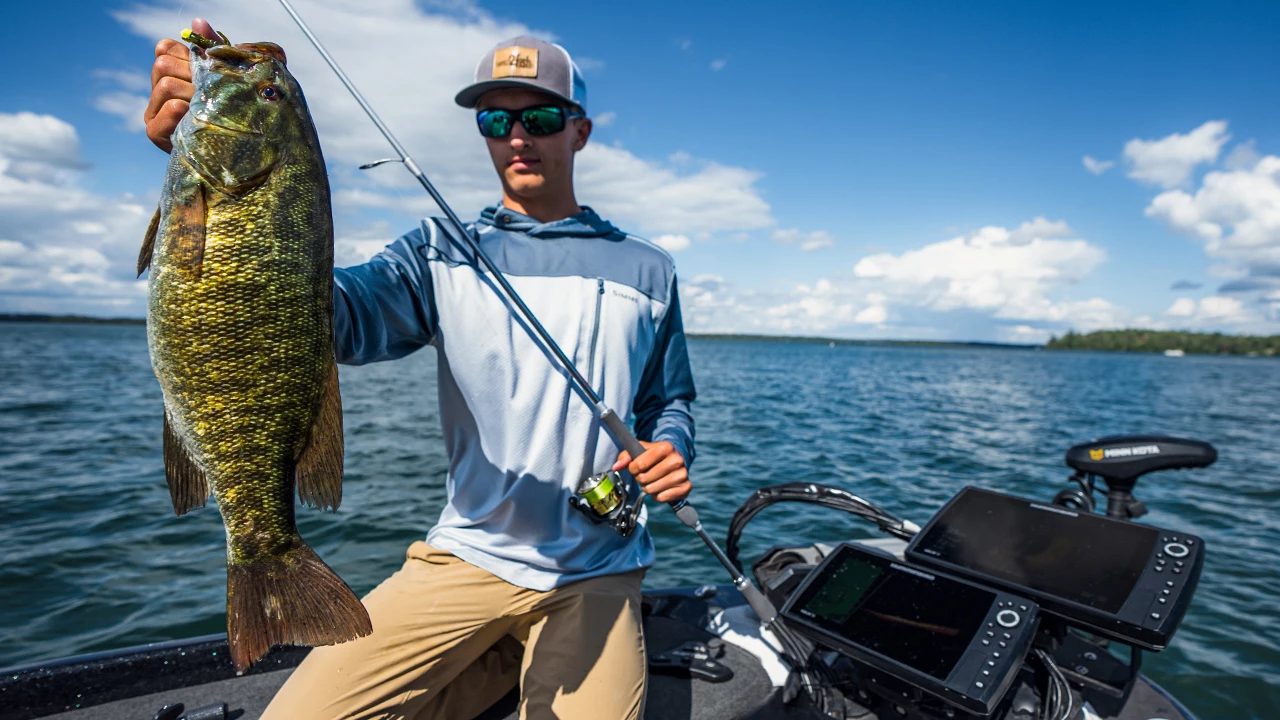
A good, sensitive spinning rod definitely makes fishing a Ned rig easier and more effective. Many of the bites are just changes in pressure. Your lure may suddenly feel a little heavier — or a little lighter if a bass picks it up and swims toward you. A sensitive rod with a fast-action tip helps cast lightweight lures, while enough backbone lets you pressure-set the hook as the fish swims away.
You can spend anywhere from $99 for a good rod to $600 for the top-of-the-line model. Here are a few of our favorite Ned rigs that we’ve spent time fishing.
- G.Loomis NRX+ Spinning Rod
- Cashion ICON Spinning Rod 7′ Medium Ned Rig
- St. Croix Bass X 6’10” ML XF
- Daiwa Tatula XT Bass Spinning Rod 7’1” ML XF
- Abu Garcia Zenon 6’10” ML XF
- Fenwick Elite 6’8″ Medium-Light Extra-Fast (ML-XF)
How to Fish a Ned Rig
Fishing a ned rig is fairly straightforward, although you can do a lot more with it than you think. It skips extremely well and is dynamite for fish you can see in clear water. It can be dragged, hopped, swum, crawled, snapped, pitched, and more.
Most anglers simply cast it out and fish it back like a regular worm. Because it is so light, it lifts and drops a lot more than a traditional worm. Often, it’s better to pull it to the side or slowly wind it with your reel so it creeps along the bottom.
A lot of folks prefer a slow and small lift and drop. Adding a little shake while the bait sits on the bottom is often deadly.
Fishing for Bass
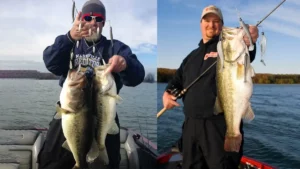
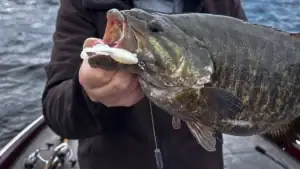
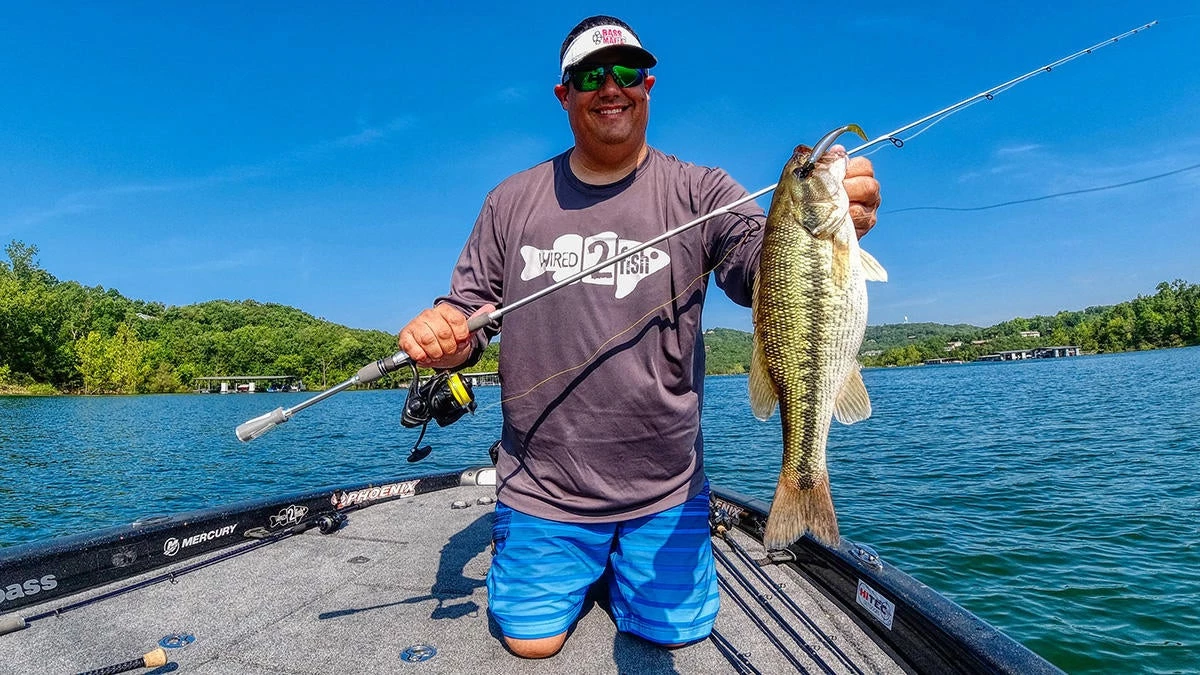
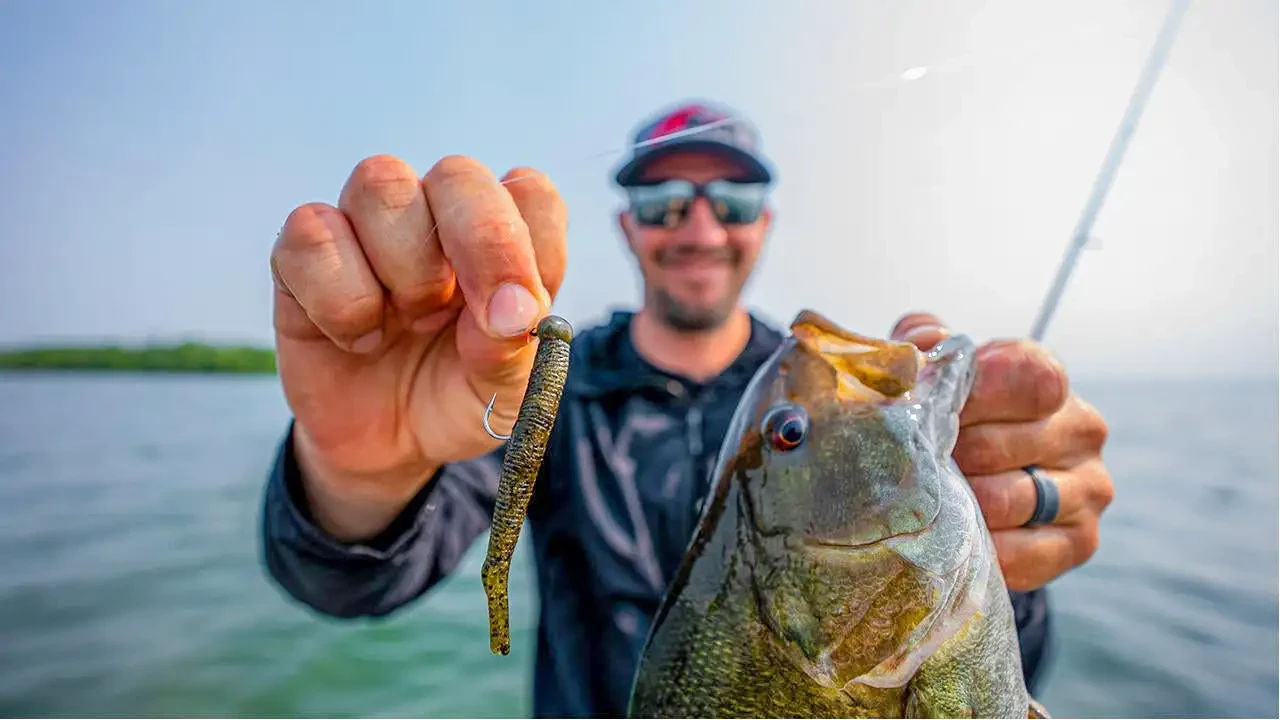
Most of the ned rigs today are designed around bass fishing. They are equally effective on largemouth and smallmouth bass, and spotted bass love them too. While you might fish them a little differently depending on the species or the fish’s location, it often comes down to choosing between hops or lift-and-drop retrieves and a steady crawl or swim.
I’ve found a lot of sneaky ways to be very effective with bass. For years, I kept one trade secret for catching spotted bass under docks on fisheries like Table Rock and Beaver Lake. Skip a Ned rig under a dock, let it fall about 10 feet, then start reeling it back at a fairly steady pace. I often caught fish on the initial skip, but I also caught plenty simply by winding it back out from under docks that were about 10 feet deep.
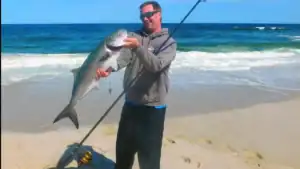
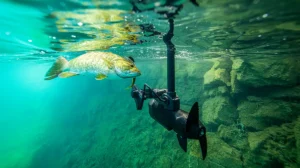
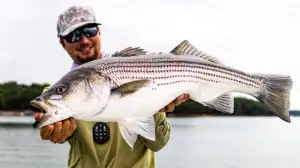
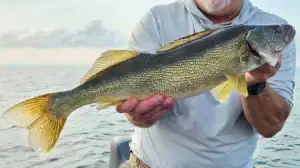
One of the things I like most about a Ned Rig is its versatility. While I’ve caught plenty of bass on it, I’ve also caught walleye, crappie, sauger, bluegill, catfish, and even striper and white bass. Its natural profile simply looks like food, and the number of fish that bite it proves that over and over again.
Choosing the Right Jighead
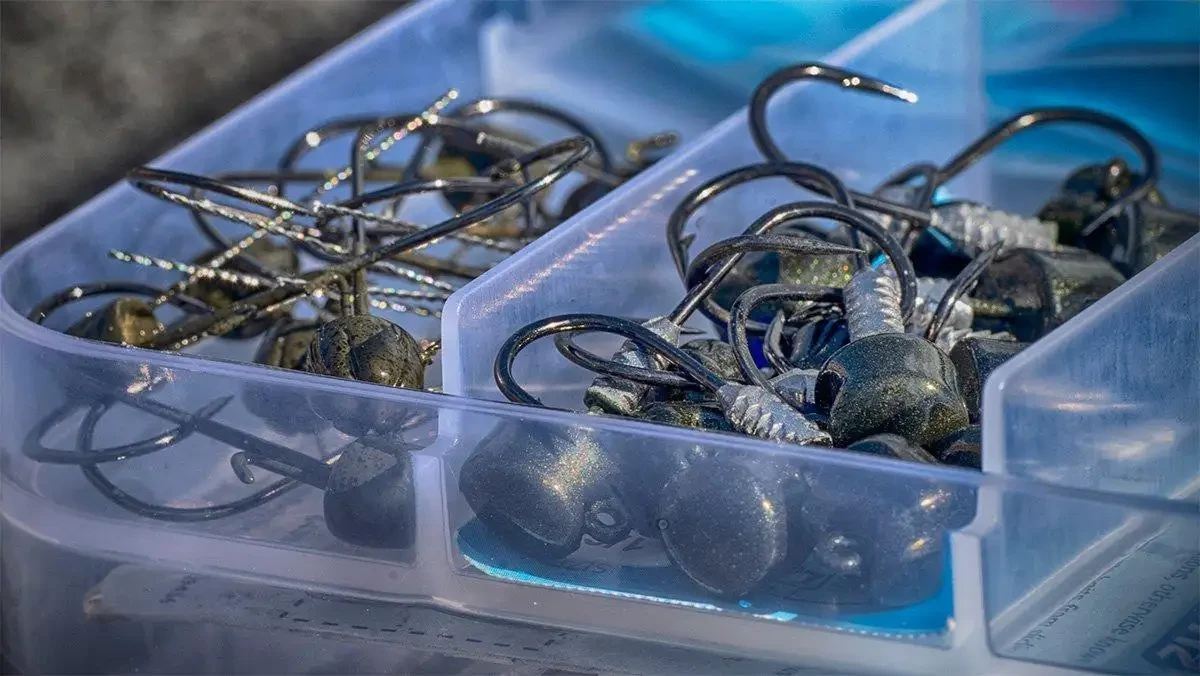
Nowadays, Ned rig jigheads are made in a variety of shapes and sizes, with heavier hooks, weedless options, and more.
I still keep my Ned rig setup really simple. With products like Z-Man Elaztech, I prefer a thinner-wire head with a wire keeper. Big, thick lead keepers don’t work as well with Elaztech material.
Most of the time, I stick with the same heads. I like the original Z-Man Finesse ShroomZ heads, and I like the 5 Fish Lures Ultimate Ned Head for weedless rigs and swimming a Ned rig.
Weedless Options
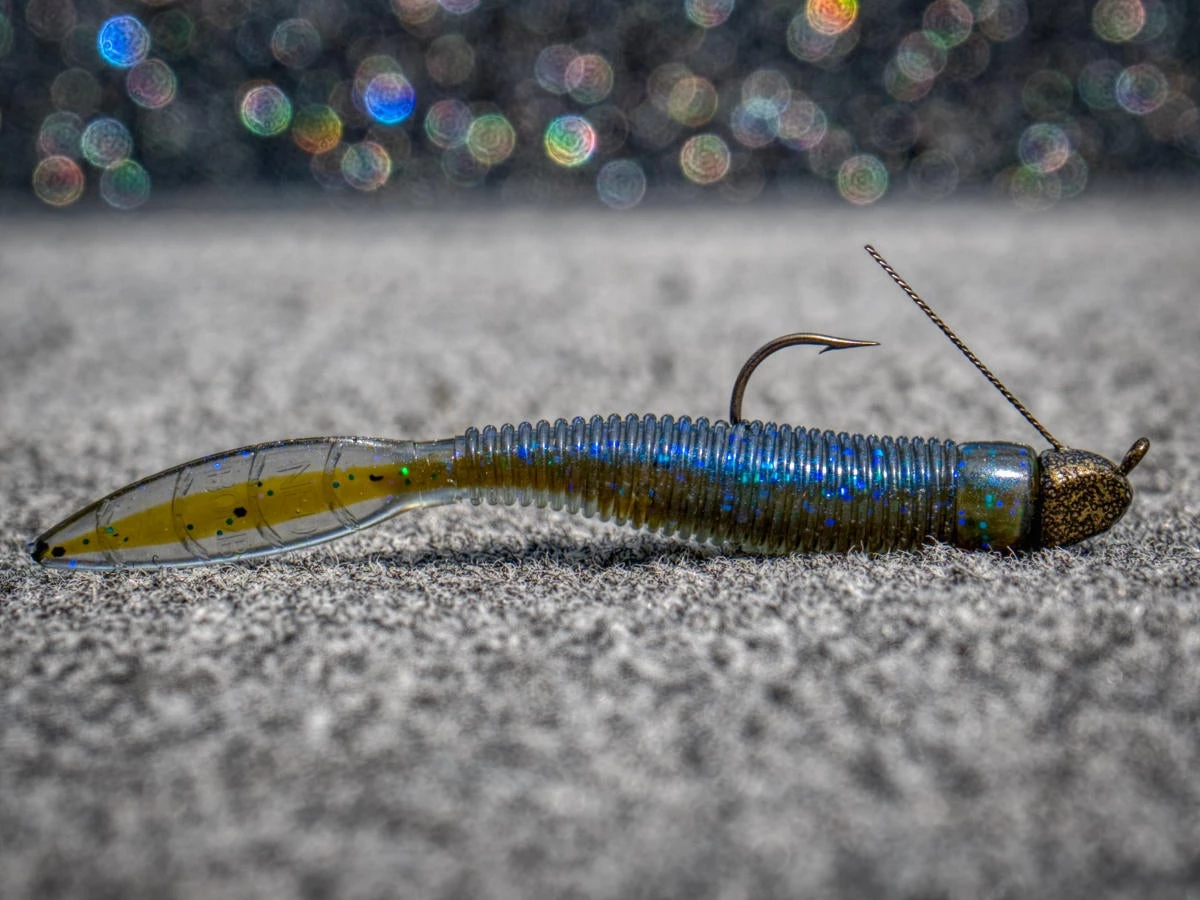
If you want to make your ned rig more weedless, there are jigheads with either a wire guard or an offset hook to protect the hook point.
I prefer the double-wire guard for fishing around snags. Offset-hook jigheads also work, but you’ll need to consider the bait’s material and thickness to ensure good hook penetration. With thicker or more elastic plastics, you may miss fish because the hook gap is relatively small.
A weedless Ned rig is a good choice for skipping docks, fishing around brush piles or stumps, and working the edges of grass lines.
There are several good weedless heads on the market, including:
- VMC Finesse Weedless Jig
- 5 Fish Lures Ultimate Ned Head
- Z-Man Pro Shroomz Weedless
- VMC Redline Series Tungsten Ned Head
- Strike King Tour Grade Ned
Choosing Soft Plastics
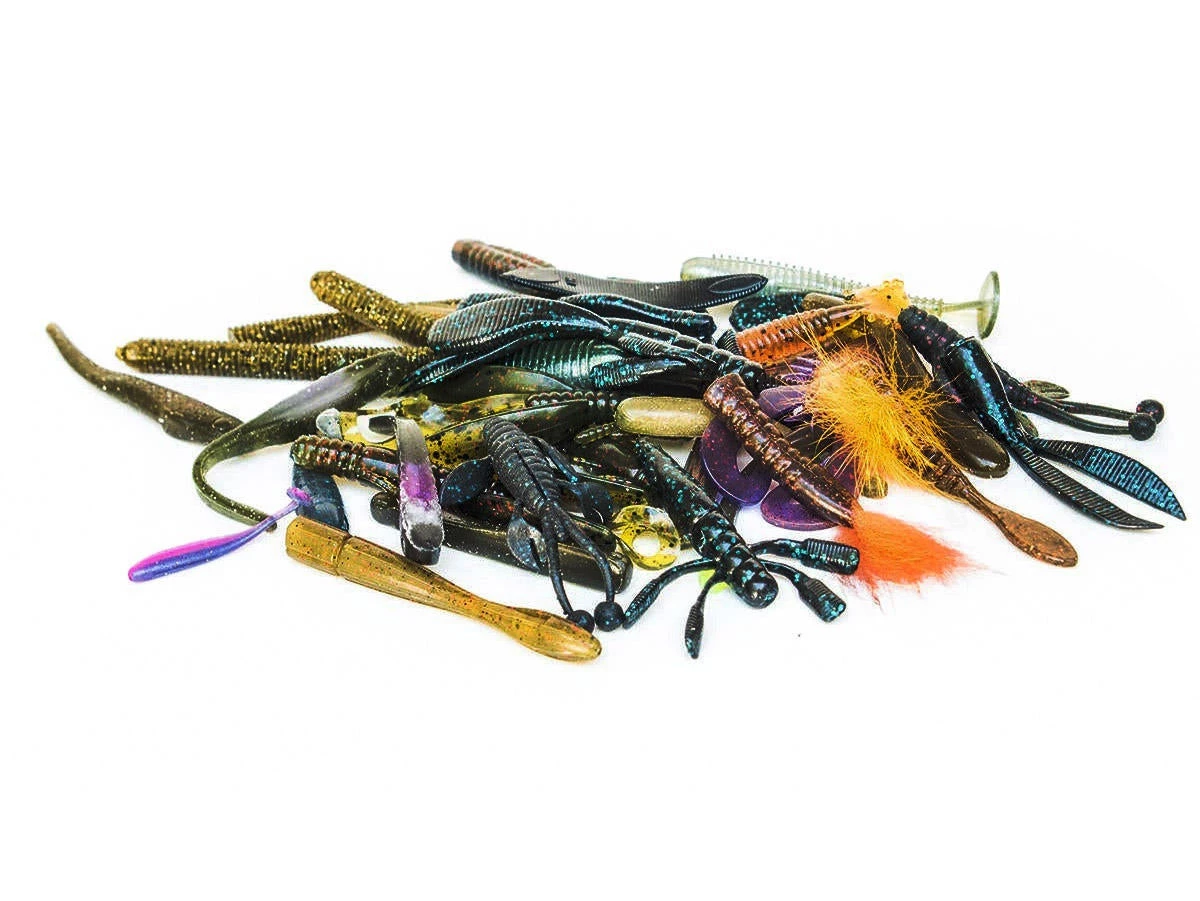
Here are a few of our favorite soft plastics for fishing a Ned rig, along with a few additional resources to help you find even more options.
You want something that resembles a crawfish, a baitfish, or bluegill. Small profiles are generally the most versatile. A straight, streamlined profile can mimic all three better than you might think. A small crawfish becomes streamlined when it jumps off the bottom, while baitfish and small bluegill are naturally streamlined. Sticking with that profile is often your best bet.
Our Top Picks
- Z-Man Finesse TRD. Most durable and best floating. The Z-Man Finesse TRD is one of the top-selling soft plastic baits nationwide for a reason.
- Yamamoto Ned Senko Floater. Best overall profile and formulation.
- Crush City Ned BLT. Durable TPE construction and high buoyancy that allows it to stand up vertically on the bottom. It also has a ribbed tail for subtle action.
Some of our other favorite soft plastic Ned rig baits include:
- Zoom Beatdown: Best dragging bait (Full review)
- Missile Baits Ned Bomb: Best swimming/hopping bait; best color selection (Full review)
- Strike King Ned Ocho: Best for skipping and ideal thickness (Full review)
- Rapala CrushCity Ned BLT: Full review
For even more options, check out Ned Kehde’s suggestions for overlooked Ned rig baits.

Ned Rig vs. Texas Rig
Many anglers will think they can just rig up a small Texas rig and do the same thing. While that may catch some fish, a Texas Rig does not act the same as a small plastic on a jighead.
The bait tends to glide more on a jighead, giving it a more natural fall. It also spirals, darts, and dances more than it does with a streamlined bullet head. Likewise, it will not swim as easily or steadily on a Texas rig.
While a small Texas rig may come through cover a little better, you’ll need slightly heavier tackle to get good hook penetration. One of the biggest advantages of a Ned rig on light line and a jighead is that you can often just start reeling and hook the majority of fish — you don’t have to make a hard hookset.
You also tend to catch more open-water fish, fish on the fall, and fish reacting to subtle hops or lifts of the bait with a jighead than with a Texas rig.
More Ned Rig Resources
We have a number of good Ned rig articles and videos on Wired2Fish that dive deeper into Ned rig fishing. Follow this link for additional Ned rig resources, where you’ll find tips for tweaking baits, experimentation with retrieves, and applications you’ll find on various bodies of water. You’ll also find Ned Kedhe’s log books, lots of tackle talk, and more.
A good rod and some 10-pound braid with a fluorocarbon leader — or straight 8-pound fluorocarbon on a spinning rod — will get the job done. Pair it with a spinning reel that can feel small bites while fishing lightweight 1/16-ounce jigs.
For another perspective, check out this video of Walker Smith explaining how he became a Ned rig believer and how he fishes the technique for bass.