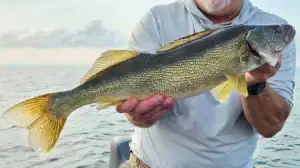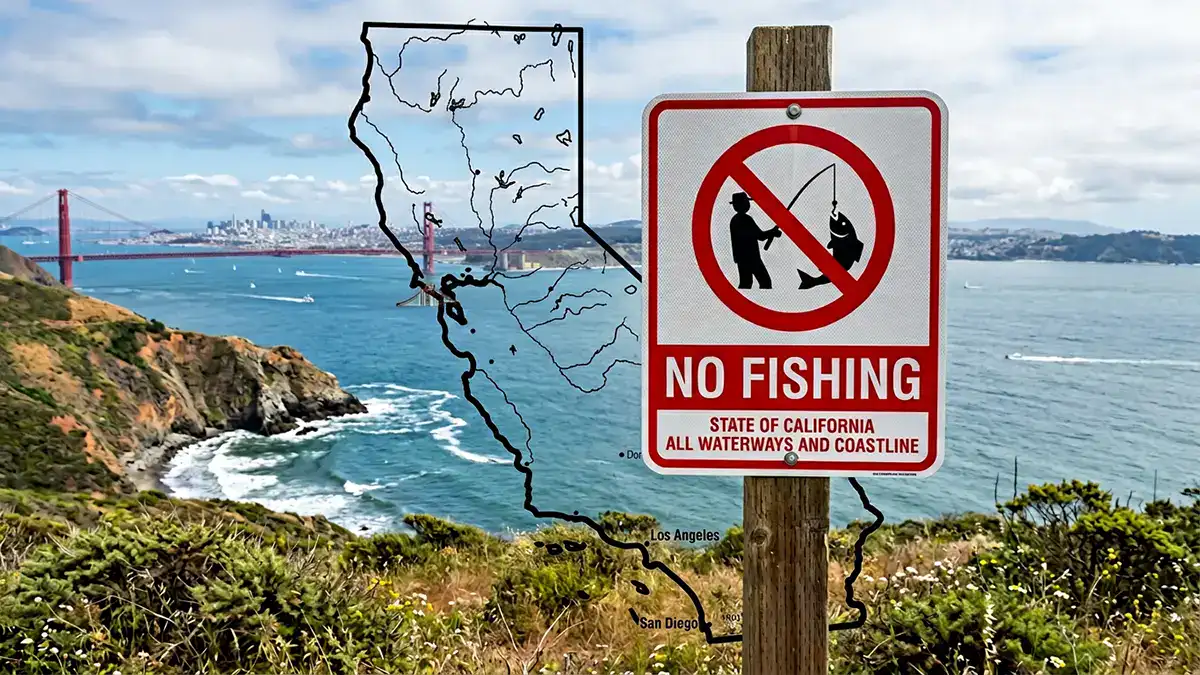
In a historic and controversial decision sparking debate across the nation, California officials announced today a sweeping ban on all recreational fishing in state waters.
The move follows years of advocacy from animal rights groups, most prominently People for the Ethical Treatment of Animals (PETA). The organization hailed the ruling as a “turning point in humanity’s relationship with marine life.”
The new law, set to take effect April 1, prohibits individuals from catching fish for sport in both freshwater and coastal areas. Commercial fishing operations will face stricter regulations, though they are not entirely banned under the current legislation.
PETA representatives gathered on the steps of the Capitol shortly after the announcement, celebrating what they described as a long-overdue recognition of fish as sentient beings capable of suffering.
“Fish are not swimming vegetables. They feel pain, experience stress, and deserve the same moral consideration as any other animal,” said PETA spokesperson Felicity Goodpaws in a statement. “Today, California has taken a bold step toward compassion.”
Goodpaws added, “For decades, people have treated fishing as harmless fun, but there is nothing humane about impaling a living being with a hook and dragging it from its home.”
Supporters of the ban argue that it reflects evolving scientific understanding of aquatic life. Environmental activist Vivian Carewell called the decision “a necessary correction to outdated traditions.”
“We’re not just protecting fish,” Carewell said. “We’re redefining what ethical coexistence with nature looks like in the 21st century.”
Pushback From Anglers

However, the announcement has received fierce opposition from anglers, local businesses, and outdoor recreation groups. All of whom point to significant economic and cultural consequences.
Tom Hooker, chairman of Keep California Fishing, said that the ban relied on “junk science” that is “rooted in feelings, not in facts.”
“Anglers are among the first conservationists,” Hooker tells Wired2fish. “No one is more concerned about the health and well-being of our fishes than anglers. As a group, we’ve taken steps to clean water, improve habitat, and, yes, increase the size of fish populations in California waters.”
Hooker said PETA hasn’t seen the last of him, noting that the organization plans on appealing the decision all the way up to the Supreme Court if needed. He notes that it’s not just a recreation issue, as the decision’s implications could negatively impact The Golden State’s economy, as well.
“This is an overreach that ignores the livelihoods of thousands of Californians,” Anne Glerr, owner of a family-run bait and tackle shop in Monterey, remarked to Wired2fish. “Fishing isn’t just a hobby; it’s a way of life, a tradition passed down through generations.”
Glerr continued, “They’re making it sound like we’re villains for feeding our families or teaching our kids how to appreciate nature.”
State officials defended the decision, emphasizing that it was based on a combination of ethical considerations and environmental concerns.
The State Stands Firm

“We understand this is a major shift,” said Deputy Secretary of Natural Resources Misse Neformed. “But California has always been a leader in progressive policy. This reflects our commitment to both animal welfare and ecological sustainability.”
Neformed noted that the state plans to introduce programs to help affected workers transition into alternative industries, including eco-tourism and conservation efforts.
Public reaction remains deeply divided. Social media platforms have been flooded with both praise and outrage, with hashtags like #FishAreFriends and #SaveOurFisheries trending simultaneously.
Despite the backlash, PETA remains optimistic that California’s decision could inspire similar measures elsewhere. Meanwhile, pro-angler organizations promise to hold the line.
For more information on this unfolding saga, read this.
Editor’s Note
If this story reeled you in — hook, line, and sinker — you’re not alone. This piece was part of our annual April Fools’ tradition here at Wired2Fish. While we’re passionate about bringing you the most accurate and helpful fishing content year-round, we also like to have a little fun on April 1st.
We hope you got a laugh out of it and appreciate you being a great sport. Now, back to the real tips, tactics, and gear you can count on every day.
— The Wired2Fish Team