Chasing post-spawn smallmouth bass can be one of fishing’s most frustrating times to figure out. One day they’re crushing moving baits on shallow flats; the next, they vanish into deeper water and refuse everything you throw at them. Unlike largemouth, post-spawn bronzebacks tend to roam more, feed inconsistently, and transition quickly back between where they spawn, rock structures, and offshore feeding zones.
These bass are moody, stressed, and constantly on the move. But if there’s one consistency about post-spawn smallmouth, it’s that they eventually get hungry. After weeks of spawning stress and guarding beds, they’re looking to recover weight and chase easy meals. The key is matching the bait to their mood and location. They can be finicky but when you dial them in, the fishing can be incredible.
Here are my top five baits for post-spawn smallmouth bass, and some reasons why they consistently produce when the spawn winds down.
The Ned Rig
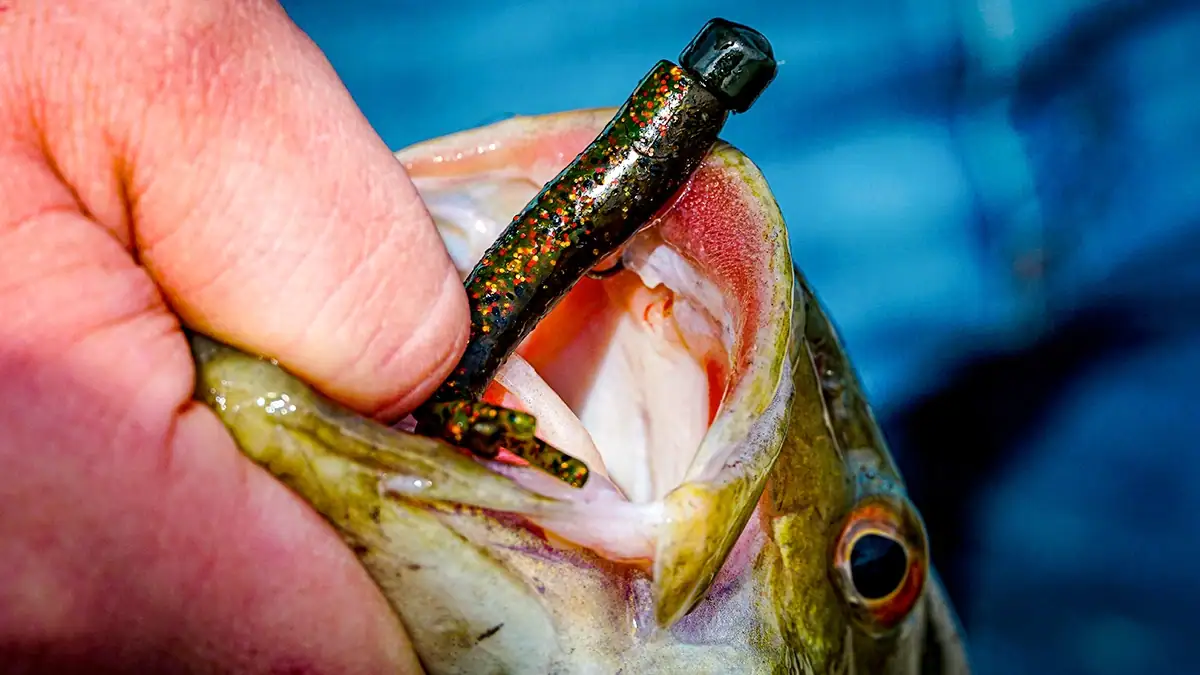
Some may call it the “new-age senko” or the “do-nothing bait” and most anglers hate throwing it, but there may not be a more reliable post-spawn bait than the Ned rig. When smallmouth are recovering from the spawn, they often get finicky and suspend between feeding windows. A small finesse presentation that stays near the bottom is hard for them to ignore.
The beauty of the Ned rig is its simplicity. A small mushroom-head jig paired with a neutrally buoyant stick bait or small creature bait imitates gobies, crawfish, and baitfish all at once. It excels around rocky points, gravel flats, sand transitions, and isolated boulders where post-spawn fish like to rest. And when you stop the bait, it stands straight up on the bottom, bringing curious smallmouth in for an easy meal.
The biggest mistake anglers make with a Ned rig is fishing it too aggressively. Most of the time, less is more. Drag it slowly, shake it subtly, and let the bait stand upright on bottom. Smallmouth often eat it while it’s sitting still or being moved ever-so-softly.
Numerous varieties of Ned-rig baits have flooded the bass fishing scene over the years, but some do stand out from the rest. The Berkley Maxscent Lil’ General is my top producer. Its added scent and neutral buoyancy are key to generating more strikes. A second favorite would be a Great Lakes Finesse Ned Bug, which imitates both gobies and crayfish for my Great Lakes smallmouth eaters. Plus, they are super durable. At any given moment during the post spawn, I’ll have both of these tied on.
Soft Jerkbaits
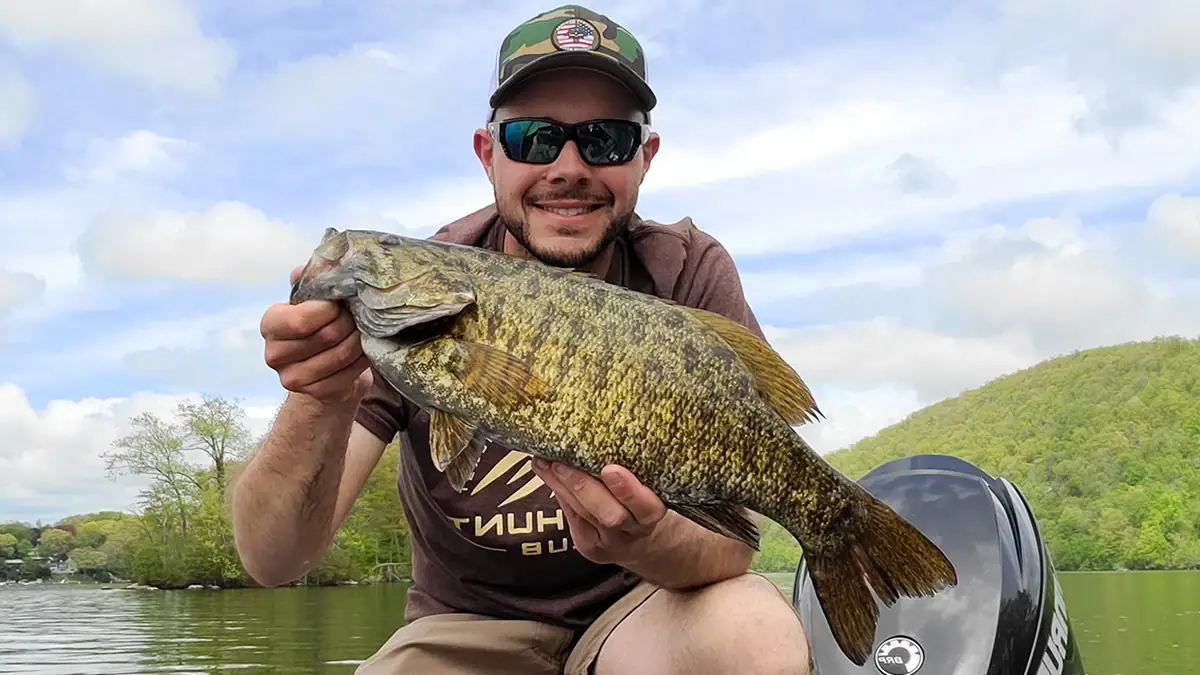
In the modern world, this has to be one of the most forgotten-about baits during the post-spawn period. Sure, it’s all the rage right now fished under a jighead — but weightless on a weedless worm hook, or even on a scrounger head? That’s not something you see many anglers doing.
This is one of my post-spawn go-to baits, especially for drawing big smallies up shallow. A lot of times, these fish haven’t strayed far from their beds and are cruising shallow cover, like rocks, docks, trees and rip-rap banks. Rigged weightless, these baits cast a country mile and generate great walking action when twitched just below the surface. The best part: These baits have a perfect action when paused, falling just like an injured baitfish. That triggers short strikers or followers to bite.
What I never see people do much anymore is throw it on a scrounger-style jighead. I might be letting the cat out of the bag on this one, but it’s a best-kept secret for the post-spawn period. Most anglers are going down the bank chucking and winding a chatterbait and a spinnerbait, but most smallmouth are not looking to put all their energy chasing a big meal. A scrounger head with a soft jerkbait trailer generates the same action, but it’s much more subtle. Sometimes the more finesse you can go when fish are stressed, the better it is for getting more bites.
When it comes to soft jerkbaits, I’m a big fan of the ol’ reliables. Zoom Super Flukes and Lunker City Sluggos sit high on my list, and for good reason. They flat-out produce bites and fish. Whether rigged weightless or on a scrounger head, they have the perfect action to generate big bites.
Tube Jigs
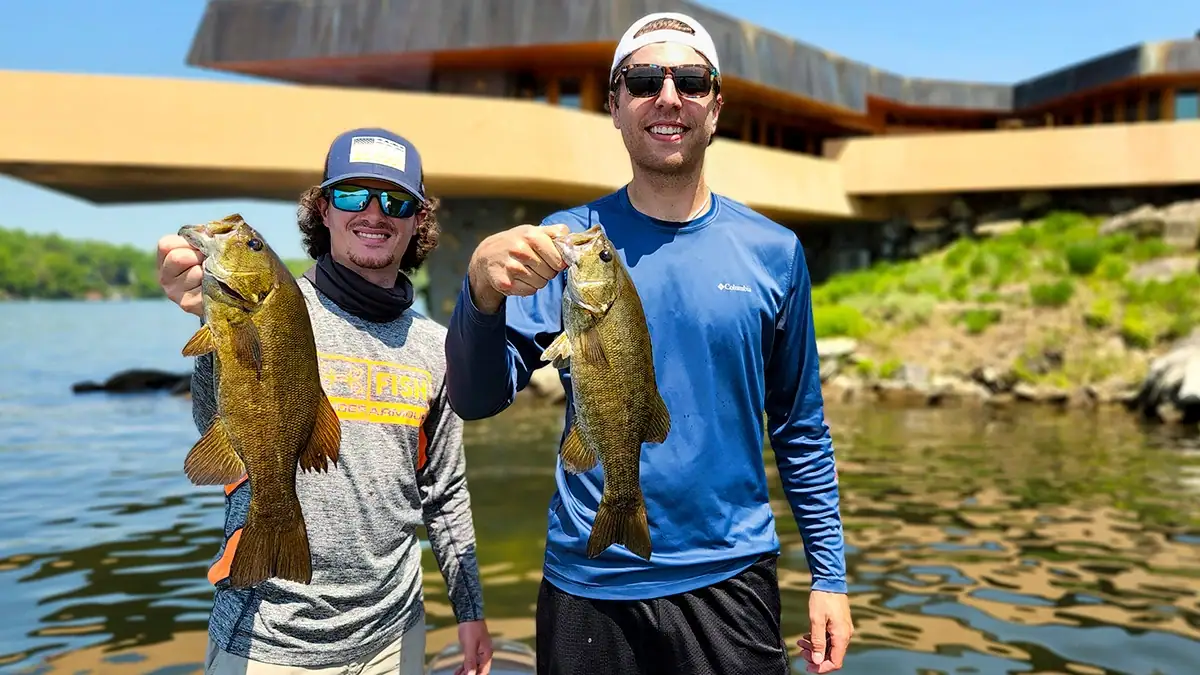
The tube jig might be the most iconic smallmouth bait ever created, and for good reason. Post-spawn bronzebacks love tubes because they perfectly imitate crawfish, gobies, helgramites, or other small aquatic creatures around on the bottom. It’s a snack most fish can’t resist.
Tubes shine when fish transition from spawning areas toward deeper summer structure. Rocky humps, shoals, breaklines, and isolated rock piles are prime targets. The spiraling fall of a tube triggers strikes from both aggressive and neutral fish.
One of the best ways to fish a tube during the post spawn is by dragging it naturally with occasional hops. It might sound boring, but it gets bites very well. Many anglers overwork tubes when a subtle bottom presentation is usually more effective. I see many anglers — especially on our Finger and Great lakes — who pop it, hop it, and move it way too much. Sometimes, slow and steady is all you need to get a bite.
If you’re looking for tubes with great action, feel, and scent, two main choices need to be in your boat. A Strike King Coffee Tube is hard to beat with its coffee scent and soft textured body. Another favorite of mine is a Great Lakes Finesse Juvy Craw. Paired with their Micro Tube Head, it’s the perfect match for finicky smallmouth keyed in on smaller crayfish, as well as having subtle action with its neutrally buoyant claws.
Topwater Walking Baits
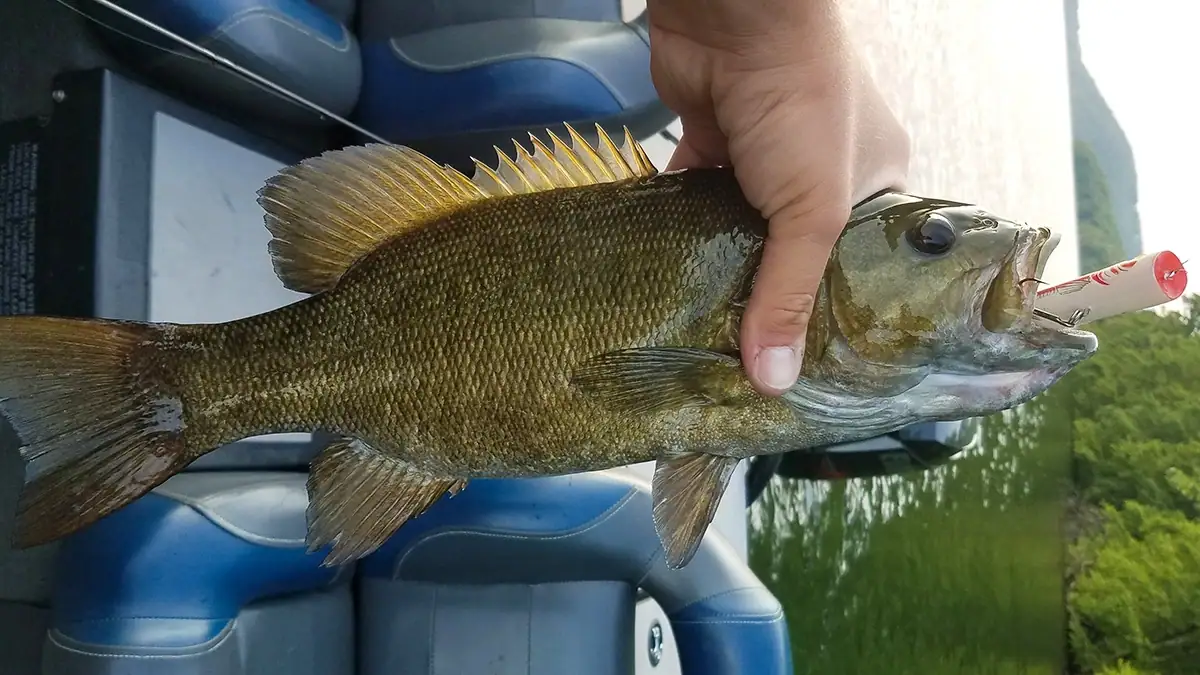
Once post-spawn smallmouth fully transition into feeding mode, topwater fishing can become absolutely explosive. Few things in fishing compare to a giant bronzeback detonating on a walking bait in calm water. Whether it’s shallow on structure or out deep over bait, smallmouths will always blow up topwater baits during the post spawn.
Popper-style baits excel during low-light periods, especially early mornings and evenings. Post-spawn fish often cruise shallow, feeding on baitfish around flats, reef tops, and points. A longer-style popping bait, like a Storm Chugbug or a Lucky Craft Gunfish, allows you to cover water quickly while drawing fish from long distances. Long casts are important because post-spawn fish can be wary in clear water. Keep your rod tip down and establish a consistent walk-the-dog cadence. Sometimes speeding up the retrieve triggers competitive reaction bites from schooling fish.
The key to successful topwater fishing is commitment. Many anglers give up too early after a few missed strikes. Smallmouth often slash at topwaters multiple times before getting hooked.
Swimbaits
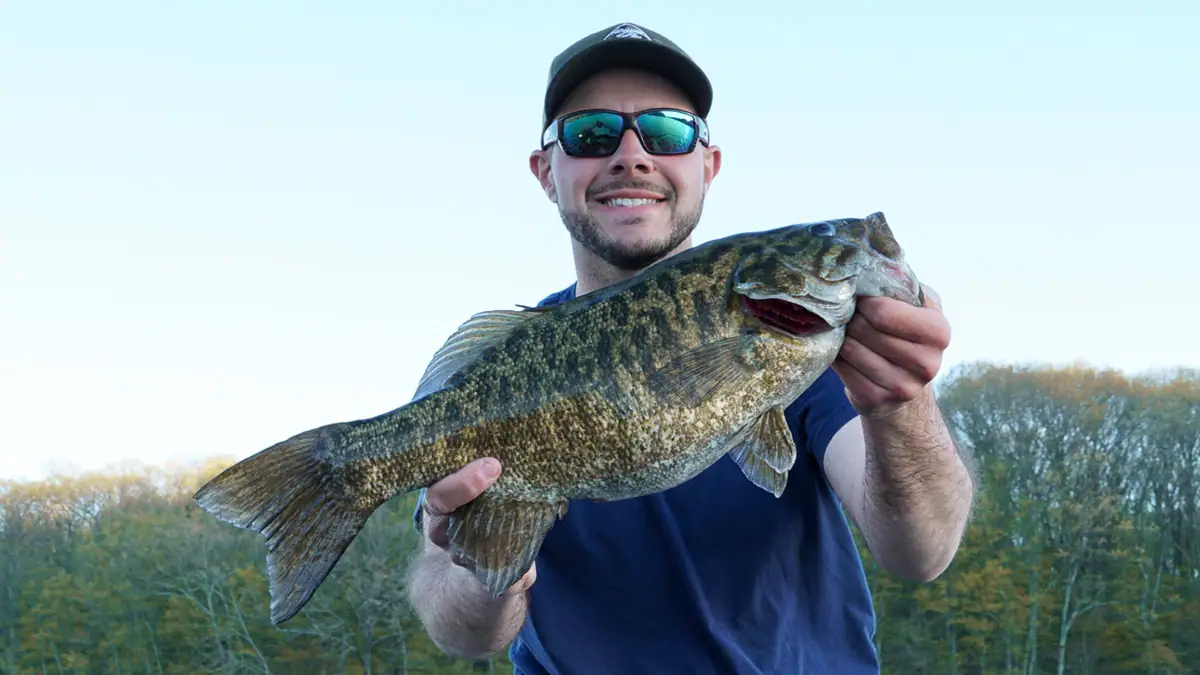
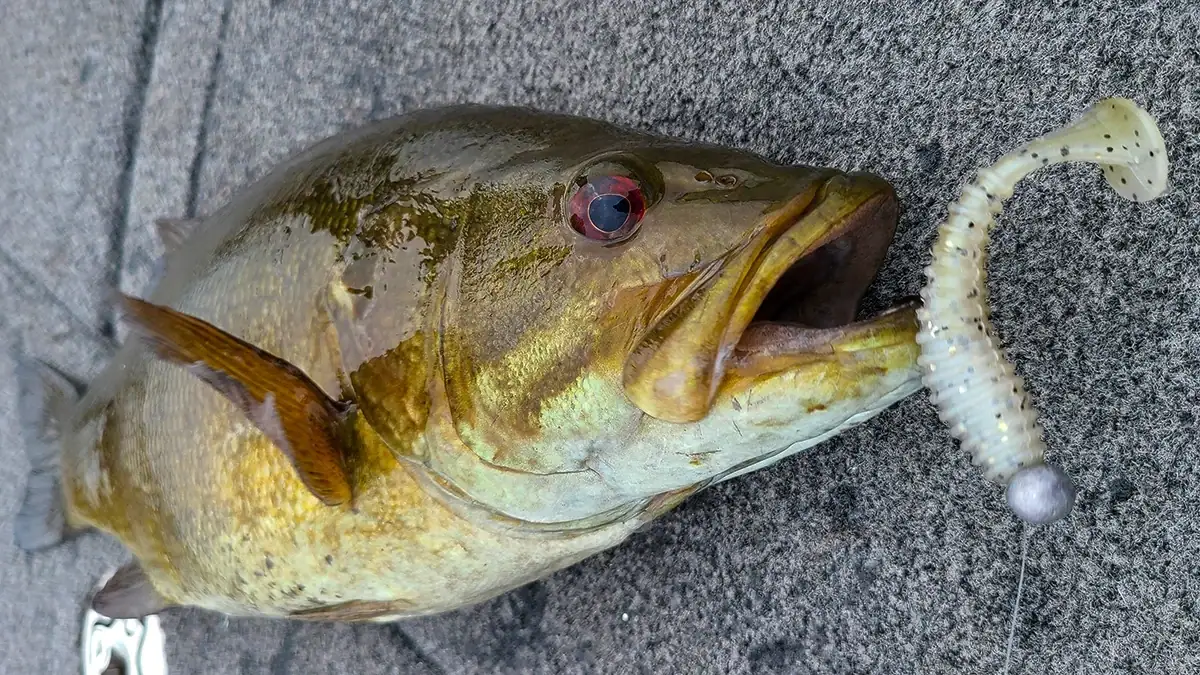
Arguably my favorite of the bunch, swimbaits have become among the most effective ways to target post-spawn smallmouth, especially on northern natural lakes and Great Lakes fisheries. Whether rigged on a jighead or underspin, a soft swimbait imitates nearly every major forage species smallmouth feed on.
Post-spawn fish often school up offshore and roam open water chasing bait. A swimbaits allows you to efficiently cover these areas while maintaining a natural presentation. A simple paddle-tail swimbait on a ball head jig can be counted down and retrieved steadily through the water column. If fish are suspended, this presentation is deadly. Around deeper structure, slow rolling a swimbait near bottom can trigger larger fish.
The biggest advantage of swimbaits is their realism. They convincingly mimic vulnerable baitfish, and appeal to both feeding and reaction instincts. Whether it’s perch, bluegill, alewife, smelt, or emerald shiners, there’s a variety of swimbait on the market that will match the hatch perfectly.
Match your bait size to the forage. In many fisheries, smaller two- to four-inch swimbaits outperform larger profiles during the post-spawn period. Keitech offers a variety of swimbaits to fit every need, including the Easy Shiner, Swing Impact, and Fat Swing Impact, whether it’s size, shape, or color.
Final Thoughts
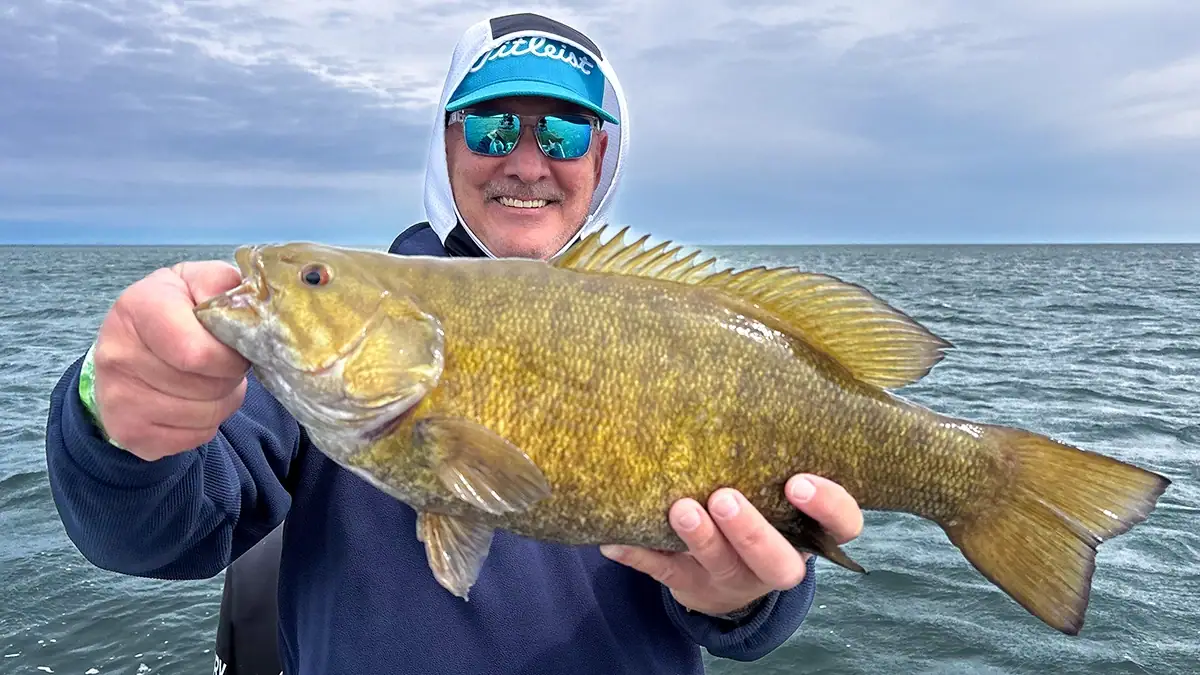
Post-spawn smallmouth fishing is all about adaption. Fish are transitioning from shallow spawning areas toward summer feeding patterns, and their behavior can change daily based on weather, bait movement, and water temperature.
That’s why these five baits are so effective. Together, they cover the entire water column and every smallmouth mood. The Ned rig and tube pick apart neutral fish on bottom, while soft jerkbaits and swimbaits target roaming feeders. Topwaters capitalize on aggressive feeding windows. Every base is covered.
If you keep these five baits rigged on your deck during the post spawn, you’ll be prepared for whatever mood the bronzebacks are in — and chances are, you’ll put more smallmouth in the boat.