Bass fishing as a sport is constantly evolving. Every year, new techniques and presentations emerge — but every so often a rig comes along that truly fills a gap between existing methods. Whether it’s a dropshot, jig, hardbait, whatever it may be, there’s always some way to improve it or something that gives bass a different look. For me, that’s where the Tokyo rig and the Jika rig fall. While neither is exactly new these days, they remain some of the most underutilized bass-catching tools available.
Collectively known as “standoff rigs,” both Tokyo and Jika rigs separate the weight from the hook in a unique presentation. They excel around both hard and soft cover, maintain excellent bottom contact, and allow soft plastics to move more naturally than traditional Texas rigs.
If you haven’t spent much time fishing them, you’re missing out on a highly effective way to target pressured bass throughout the entire water column.
What is a Standoff Rig?
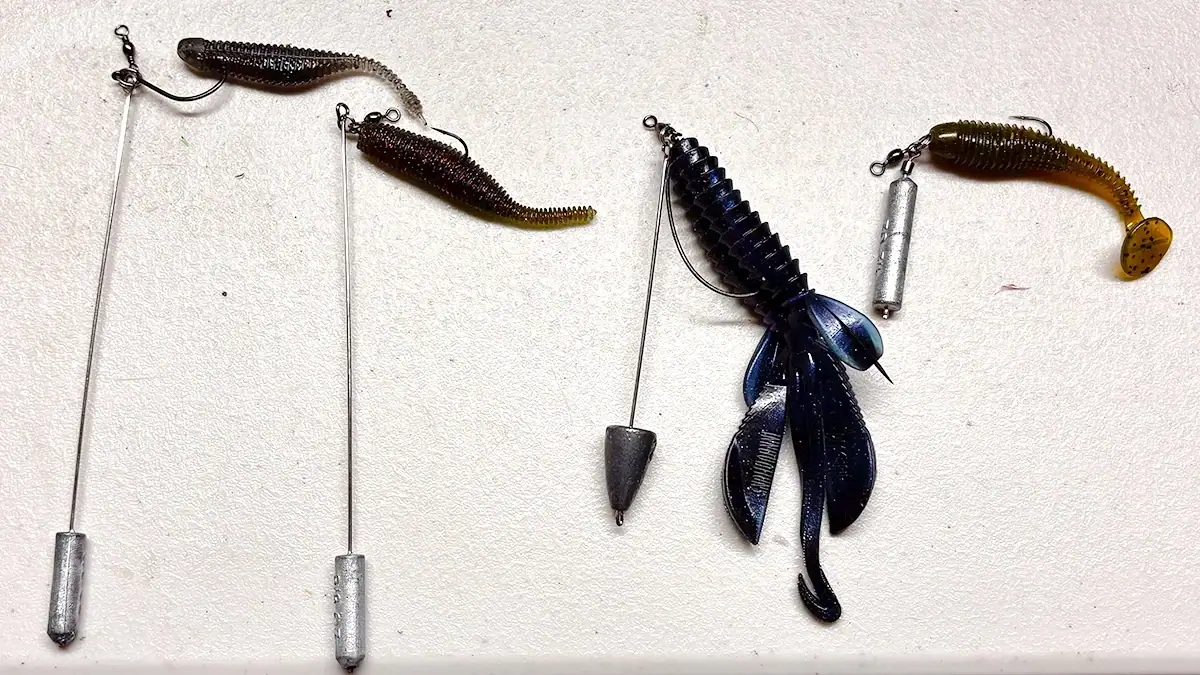
“Standoff rig” refers to any rig where the weight is positioned below the hook rather than directly on the line above it. This creates separation between the bait and the weight, allowing the lure to hover slightly off the bottom while the sinker maintains contact with structure and/or the bottom.
The result is a presentation that combines some of the best characteristics of both a Texas rig and a dropshot rig while reducing many of their limitations. It has weedless and punch/flippable ability like a Texas rig, as well the finesse of a dropshot rig and the bait being positioned above the weight. You can find a variety of different options, like from VMC and Owner Hooks.
The Tokyo Rig Advantage
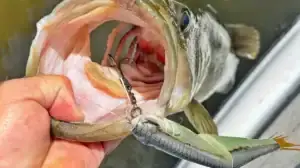
The Tokyo rig originated in Japan and has gained a cult following among serious bass anglers all over the world. The design features an EWG hook attached to a swivel with a wire dropper extending beneath it. A weight is attached to the wire, creating separation between the bait and the sinker. Also, depending upon the brand, there is either a forged wire ring or a split ring to keep everything from hanging up and twisting.
This simple design offers several advantages. First, the bait remains elevated off the bottom. Whether you’re dragging a creature bait or craw, the lure stays in bass’ strike zone while the weight maintains bottom contact. Second, the rig transmits bottom composition exceptionally well. You can easily distinguish rock, gravel, mud, and shell beds through the rod because the weight is constantly contacting the bottom. Third, the Tokyo rig comes through cover surprisingly well. The weight often slips through openings while the bait follows naturally behind. This makes it deadly around brush piles, laydowns, and heavy submergent vegetation, like milfoil or hydrilla.
One of my favorite ways to fish a Tokyo rig during the summer is with a compact creature bait, like a Reaction Innovations Sweet Beaver or Smallie Beaver. As bass position deeper around offshore vegetation and structure, the rig allows me to maintain bottom contact while presenting a subtle but natural-looking profile. It often produces bites when fish refuse a traditional or Texas rig.
Why the Jika Rig is So Effective
While the Tokyo rig receives much of the attention, the Jika rig deserves equal recognition. It’s not something that you see many anglers throwing, but it’s a sleeper technique for catching big bass.
The Jika rig consists of a hook connected directly to a split ring and swivel, with the weight attached beneath it. Unlike the Tokyo rig, there is no wire extension. The weight hangs directly below the hook, creating a compact, streamlined presentation. Think of the Jika rig as a finesse version of a flipping jig. Its compact profile allows it to penetrate heavy cover extremely well. It falls fast, maintains excellent bottom contact, and allows soft plastics to move freely behind the weight.
Where the Jika rig really shines is in thick cover. Whether you’re targeting flooded wood, docks, brush piles, or isolated vegetation, the rig slips through cover with remarkable efficiency.
Many anglers flip a Texas rig into heavy cover because that’s what they’ve always done. However, the Jika rig often provides a better feel and a more natural presentation while maintaining similar weedless characteristics. When bass are buried deep in cover and difficult to reach, the Jika rig can be a game changer.
Normally, I throw a very small compact creature bait on a Jika rig, with a Yamamoto Flappin’ Hog being my number-one choice.
The “Sneaky Rig”
This rig is extremely similar to the Tokyo rig. But it’s something I concocted myself to stop losing weights while fishing a tight dropshot for smallmouth. Especially where I fish during the summer up in the 1,000 Islands region, those smallmouth are mean and love to jump. And when they jump while hooked on a dropshot, you’ll usually lose your weight as it comes flying off.
How can you prevent that? I fixed up a walleye bottom bouncer and cut the extended wire off the weight, made an eye with a pair of pliers, attached it to a split ring and swivel, followed by a number two octopus hook. Is it technically very sneaky? Not really, but the smallmouth do not seem to mind — they bite just as well. It’s walleye bottom bouncing technology with dropshotting for smallmouth, just a little more sturdy.
Best Baits for Standoff Rigs
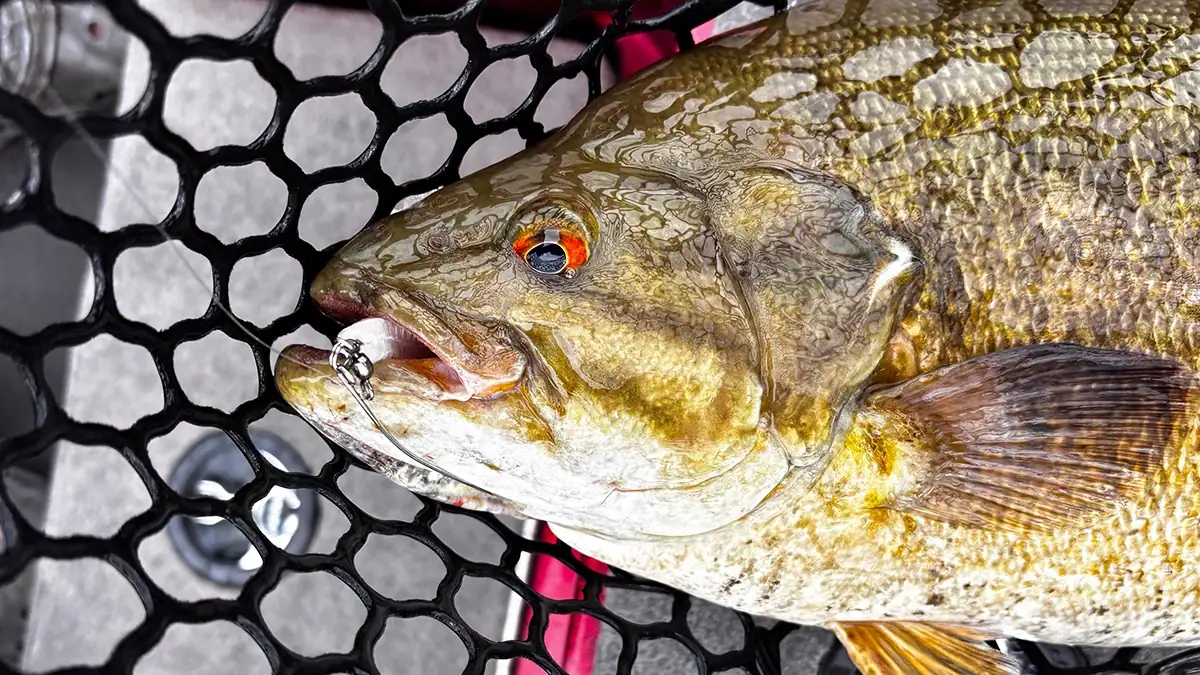
One of the biggest advantages of these rigs is versatility.
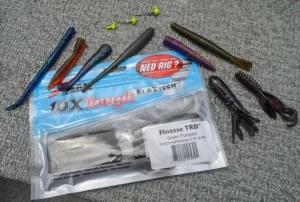
Creature or beaver-style baits are probably the most popular choice, and for good reason. Their appendages move freely behind the weight, creating plenty of action even with minimal rod movement. Normally, I throw a very small compact creature bait on standoff. That Flappin’ Hog is my number-one choice, but other great baits include Reaction Innovations’ Sweet and Smallie Beavers yet again, or a Berkley Maxscent Creature Hawg.
Many people don’t think about using them for smallmouth around rock, but anytime there is sparse vegetation around rock, baits with an open hook won’t come through clean. These rigs set up with small swimbaits or swimming grub style baits can be killer for big smallmouth. Keitech 3.8” Swimbaits or Strike King Menace Grubs make excellent options when swimming these rigs through that type of cover. Unlike flipping or pitching these rigs, casting and dragging them on the bottom can be just as effective.
As far as something that you would put on a “sneaky” style rig, any dropshot baits will work. I am a huge fan of a Berkley Maxscent Flatworm or a Great Lakes Finesse Hellgramite, as they are big fish catchers when fished on a dropshot. They work perfectly on this type of standoff rig.
When to Use Standoff Rigs
While these rigs can catch fish year-round, there are certain situations where they truly excel. Summer is perhaps the best season for standoff rigs. As bass move offshore and relate to deep structure, these rigs maintain excellent bottom contact while presenting a natural-looking bait. Tokyo rigs can be deadly around offshore rock piles, ledges, and hard-bottom transitions where baitfish and crawfish are abundant. They also shine during post-spawn periods when bass are feeding heavily but may not be willing to chase fast-moving lures.
Whenever bass are positioned close to the bottom and relating to cover, a standoff rig deserves consideration and can buy a bite when other rigs aren’t cutting it.
The Most Underrated Bass Rigging System
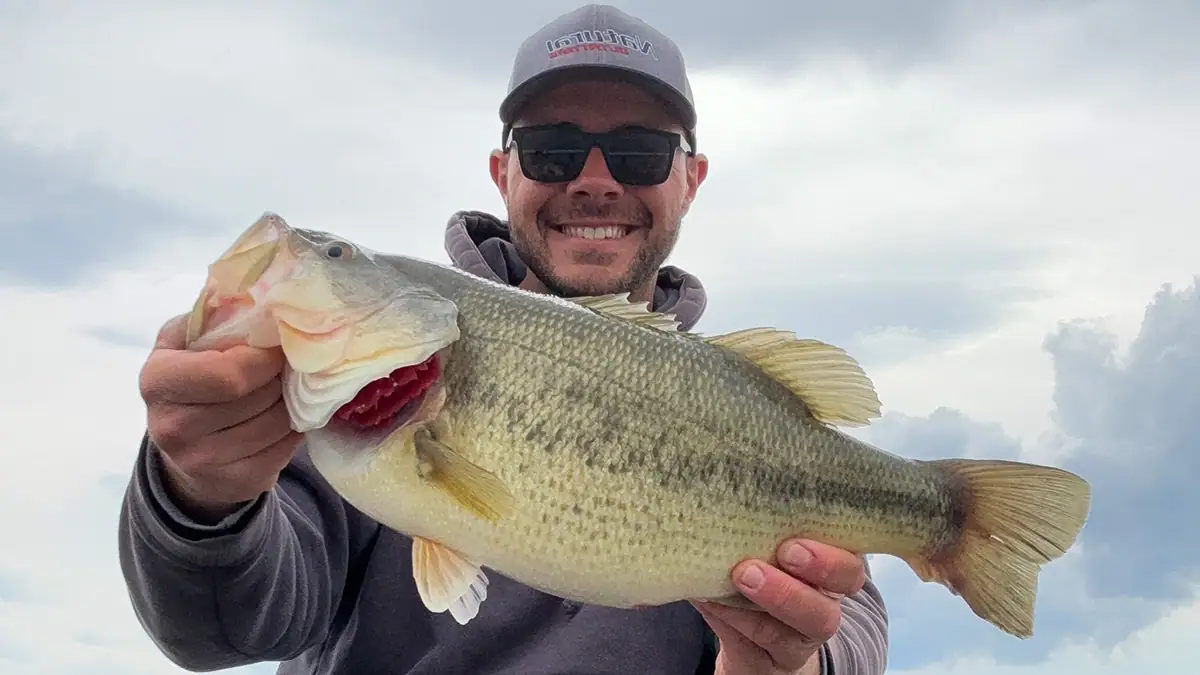
It’s surprising that more anglers don’t utilize standoff rigs. They provide incredible sensitivity, excellent hook-up percentages, outstanding snag resistance, and a presentation that bass simply don’t see every day. In an era where bass become increasingly conditioned to common techniques, showing them something different can make all the difference.
The next time your normal setups aren’t producing, consider reaching for a Tokyo rig or Jika rig. These standoff rigs combine the strengths of several traditional presentations into one highly effective package. It’s something bass aren’t used to seeing every day. Once you gain confidence in them, you’ll likely find yourself using them far more often than you ever expected.