Summer bass fishing is all about adapting to stay on feeding fish. Bass can be shallow early in the morning chasing bait on the surface and then, once the sun climbs high, slide offshore to deep structure.
Water temperature, fishing pressure, oxygen levels, and baitfish movement all influence where bass position themselves during the hottest months. These factors also heavily influence stress levels in fish, causing them to be super picky when prowling for food.
The anglers who consistently catch fish in summer keep a handful of versatile techniques ready at all times. Over the years, I’ve found myself relying on five lure categories more than anything else once summer settles in. They all play a crucial role in both my clients’ and my own personal summertime success with largemouth and smallmouth. These baits cover the entire water column and consistently get bites when others fall short.
Finesse Worms
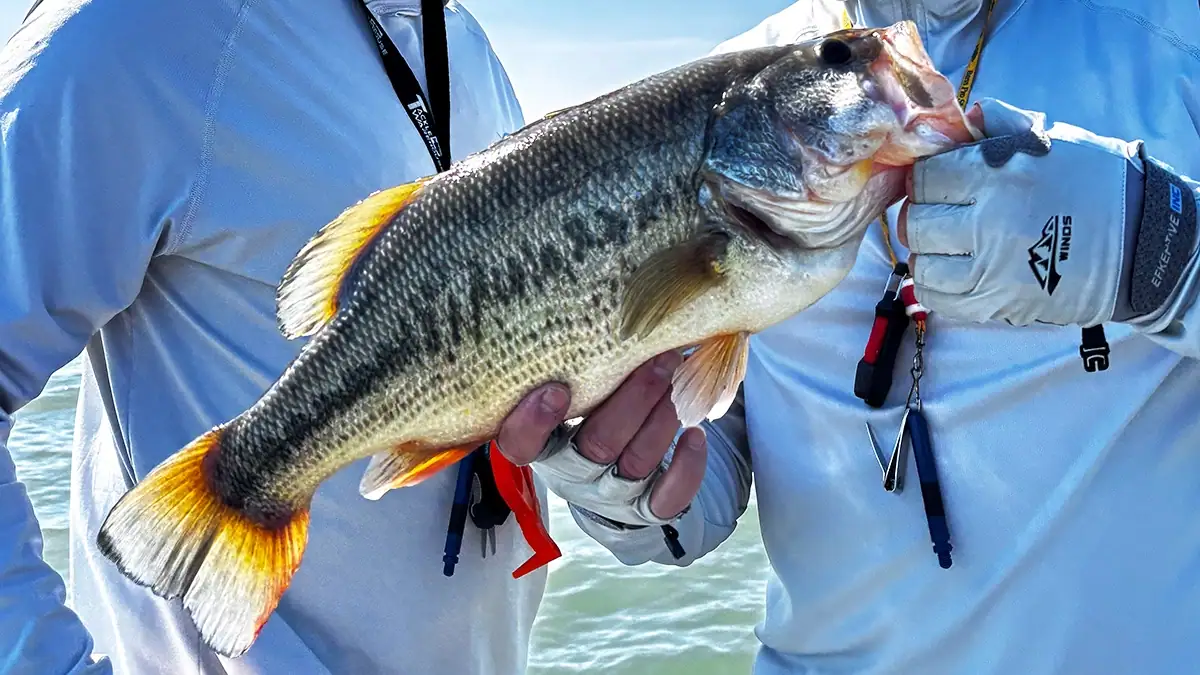
Few lures are as reliable during the summer months as a finesse worm. When bass become pressured, inactive, or simply unwilling to chase fast-moving baits, finesse worms can put fish in the boat.
What makes finesse worms so effective is their subtle, natural action. In warm water, bass often become less aggressive and prefer easy meals. A finesse worm imitates everything from small baitfish to leeches and worms, making it one of the most versatile summer presentations available.
Anglers can rig these baits in countless ways, depending on conditions. A shaky head is deadly around rock and offshore structure; a Texas rig excels around grass, docks, and wood cover. Dropshotting finesse worms is also among the best ways to target suspended or deep fish during summer’s hottest part. A large finesse worm, like a Zoom Six Inch Finesse Worm or a Six Inch Roboworm, rigged weedless on a dropshot with a super long leader is my best producer, especially for big largemouth.
Finesse worms shine around deep brush piles, ledges, points, and hard-bottom structure where bass commonly set up during summer. Smallmouth especially seem to love a subtle worm presentation dragged slowly across rock and gravel.
The biggest mistake anglers make is fishing too fast. Summer bass often want a slower presentation, and finesse worms are designed to stay in the strike zone longer than power-fishing techniques. The key is to make that tail quiver with the most subtle movement of the rod tip. No matter how you rig it, the worm should almost always be subtly moving.
Deep Diving Crankbaits
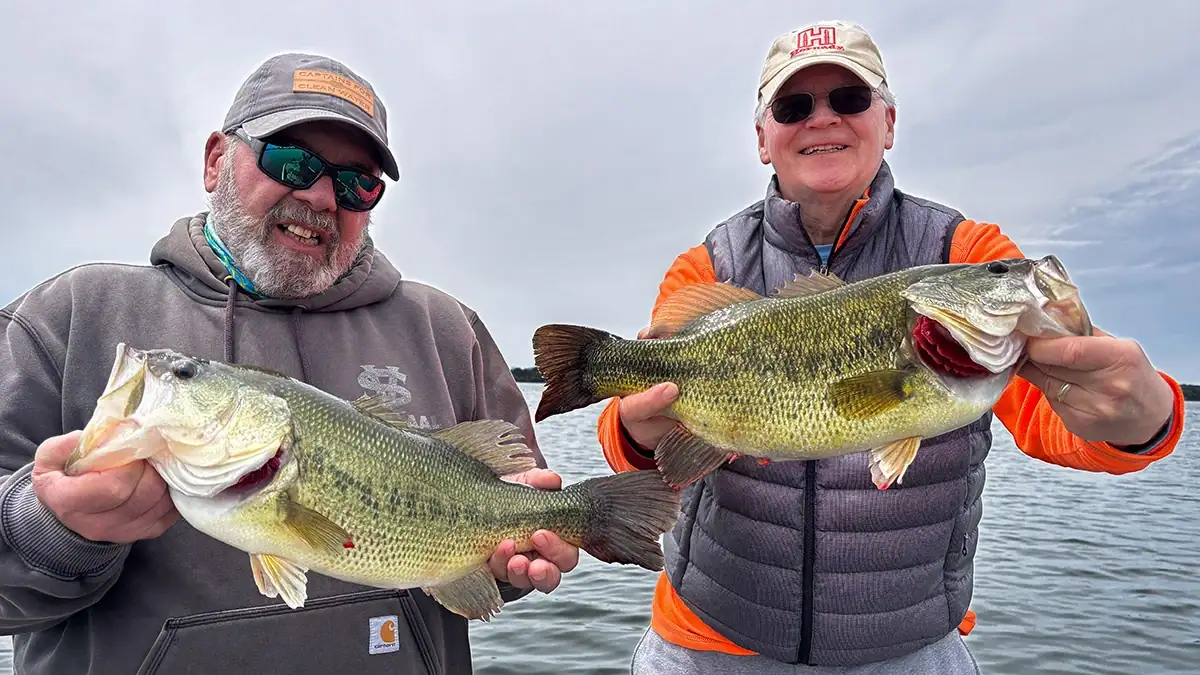
Over the years, deep cranking has always been my favorite way to catch big bass. There is nothing like lobbing out a big-lipped plug in the middle of the summer and a big largemouth coming right up on it. When bass group together offshore in summer, few lures trigger reaction bites like a deep diving crankbait. These baits excel at covering water quickly and locating active fish relating to structure.
Deep cranks are at their best around hard-bottom areas like shell beds, rock piles, points, and ledges. The aggressive wobble and constant bottom contact imitate fleeing baitfish or crawfish while also forcing bass to react. Here on northern lakes, we also use them a lot around deep grass lines on the outside edge. If you can find the right diving bait to just barely tick the top of the vegetation, bass will almost always come out and strike.
One of the biggest crankbait mistakes is avoiding bottom contact. The best bites often happen when the bait crashes into rocks, deflects off cover, or digs into the bottom. That erratic movement is what triggers strikes. Long casts are essential: They allow the bait to achieve maximum running depth. Once you contact fish, you can thoroughly work the area and often catch multiple bass from the same offshore school.
Shad colors dominate most situations, but chartreuse patterns can be excellent in dirty water or low-light conditions. Some of my favorites are a Strike King 6XD, Rapala DT Series (DT-10 through DT-20), and the Norman DD22. All have their time, place, and different color patterns, but all of them put fish in the boat and are super reliable in getting bites.
Deep cranking is physically demanding, but it remains one of the best ways to target aggressive summertime bass. Having the right rod, reel, and line combination that best suits your needs will help you avoid fatigue after a long day of chucking big crankbaits.
Football Jigs
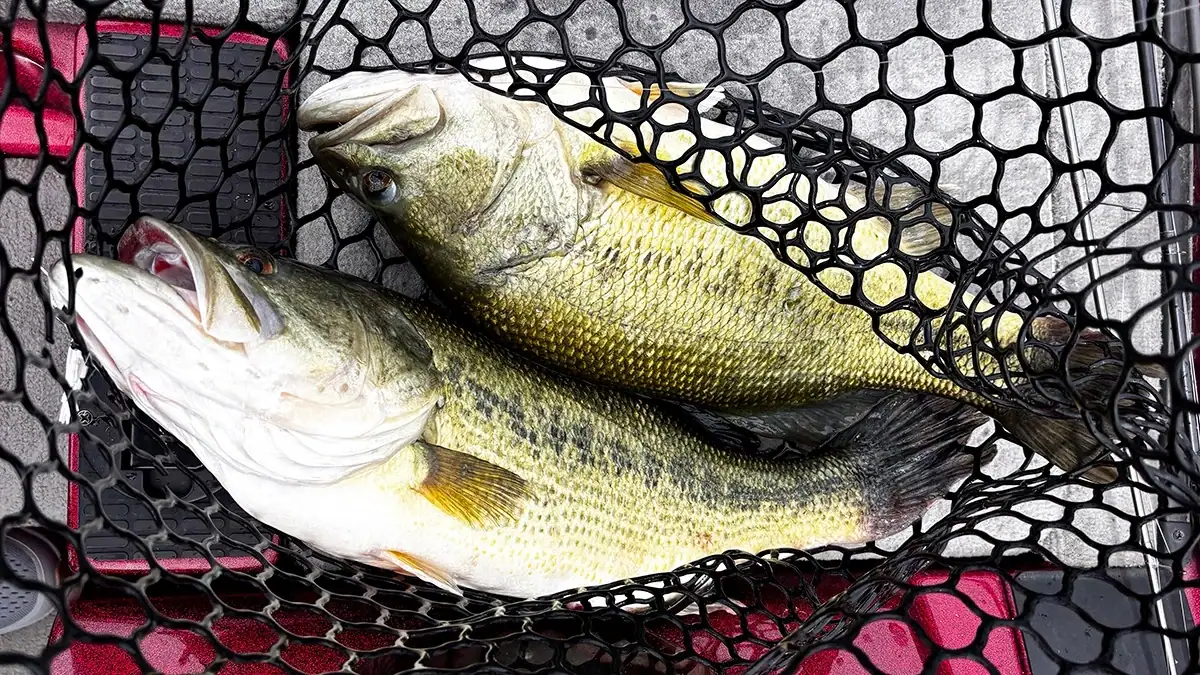
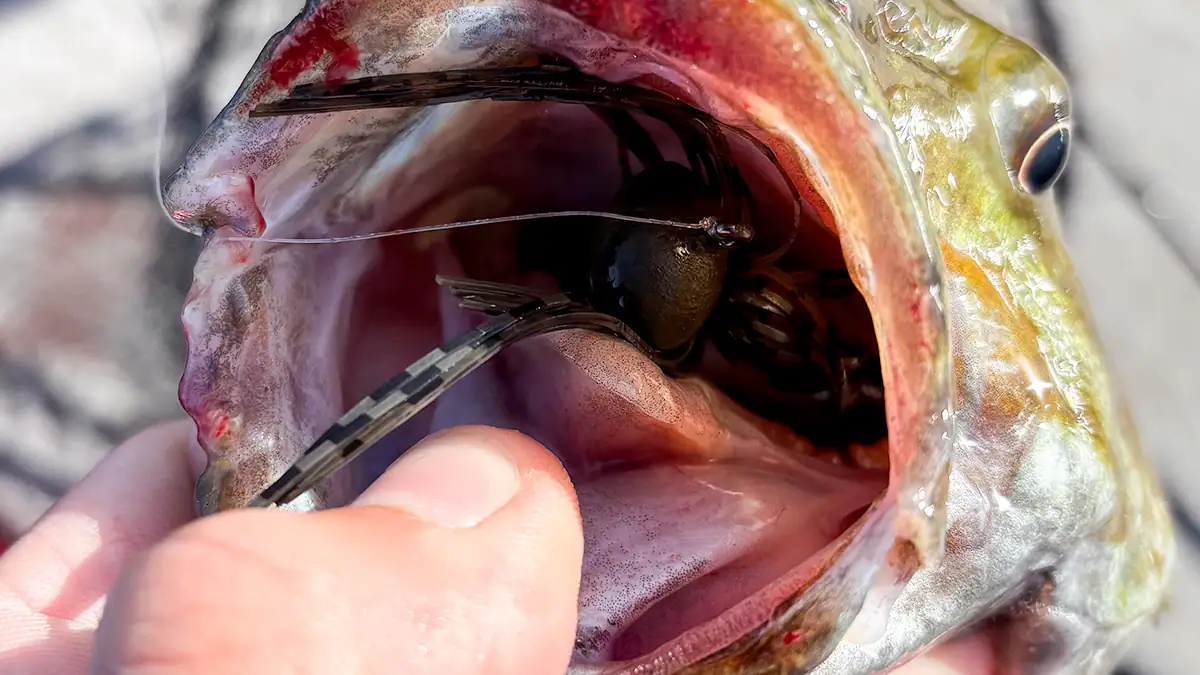
If there’s one lure that consistently catches quality bass during summer — especially big smallmouth — it’s a football jig. This bait perfectly imitates crawfish and bottom-oriented forage while allowing anglers to methodically pick apart offshore structure. Summer bass spend a tremendous amount of time on hard-bottom areas out in the depths. Rock, gravel, shell beds, and transition zones become feeding highways, and football jigs excel in those environments.
The wide football-shaped head helps the jig crawl over rocks while maintaining constant bottom contact. Sometimes the best retrieve is simply dragging it slowly across the bottom and letting the structure create action. Remember: The less movement with a football jig, the better. When bass get stubborn, subtle movements become critical. Small hops, pauses, and slow drags often outperform aggressive jigging motions during hot weather.
Football jigs also excel at catching bigger fish. Whether it’s a compact or oversize jig, the bulky profile crawling through offshore structure is something that bigger bass just key in on.
Of all the football jigs on the market today, only three truly stand out from the rest. A Keitech Model II Football Jig, a Beast Coast OW Sniper, and my personal favorite custom make, a T’s Tackle Custom Smallie Football Jig. All are made with quality skirt material, and have an excellent hook that keeps fish pinned. These are all on the smaller side, but most pressured bass are more willing to bite a small jig over a big jig.
Jighead/Minnow Combos
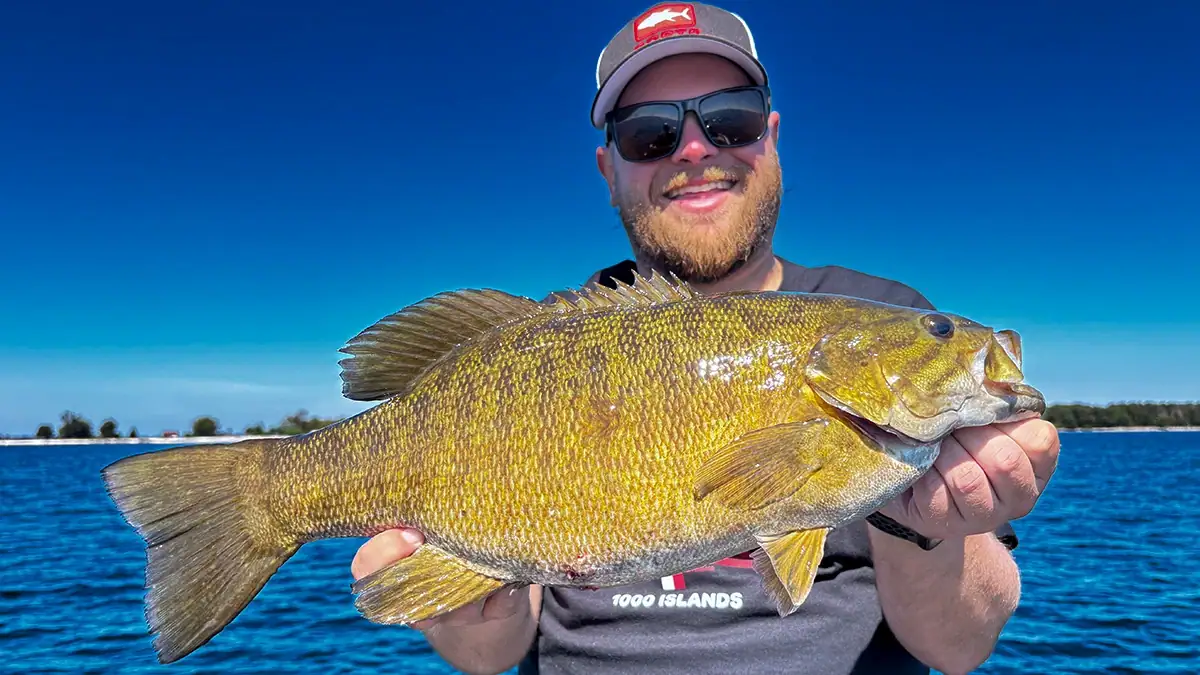
The jighead/minnow combination has exploded in popularity for a reason: It flat-out catches bass of both species all summer long. Whether you’re targeting suspended fish, offshore schools, or drawing fish from a structure, this setup simply imitates natural forage better than almost anything else. It has become among my favorite techniques to put both quality and quantities of bass in the boat all summer long.
Summer bass spend much of their time feeding on baitfish, and a soft plastic minnow on a jighead matches that profile perfectly. The presentation can be as simple as casting and steadily reeling, but subtle rod movements and pauses often trigger more bites. You’ll hear anglers talk about the certain “roll” of the bait when fished on a jighead — if the bait doesn’t move right, you won’t get bit.
This technique shines for suspended fish that ignore bottom presentations, which have always been the hardest to catch. Sometimes bass position themselves over deep water chasing schools of bait, and a jighead/minnow allows anglers to present something directly in their feeding zone.
Smallmouth are especially vulnerable to this setup around offshore rock, current, and schools of bait, but don’t overlook the largemouth. They love these minnow offerings, too. The beauty of this technique is its versatility. You can fish it aggressively or finesse it, depending on fish mood and conditions.
I think just about every known bait manufacturer now makes a minnow bait, but all are not the same. The Rapala Crush City lineup of baits, like the Mayor, Freeloader, and famous Mooch Minnow, all score high as fish producers. When conditions are tough, it’s hard to beat the super soft Deps Sakamata Shad (which is extremely hard to find). But don’t overlook ol’ reliables like a Zoom Super Fluke, Strike King Z-Too, and the Z-Man Scented Jerk Shad. Having a variety of minnows in the boat in different colors will help you match the hatch accordingly to get more bites.
Topwater Baits
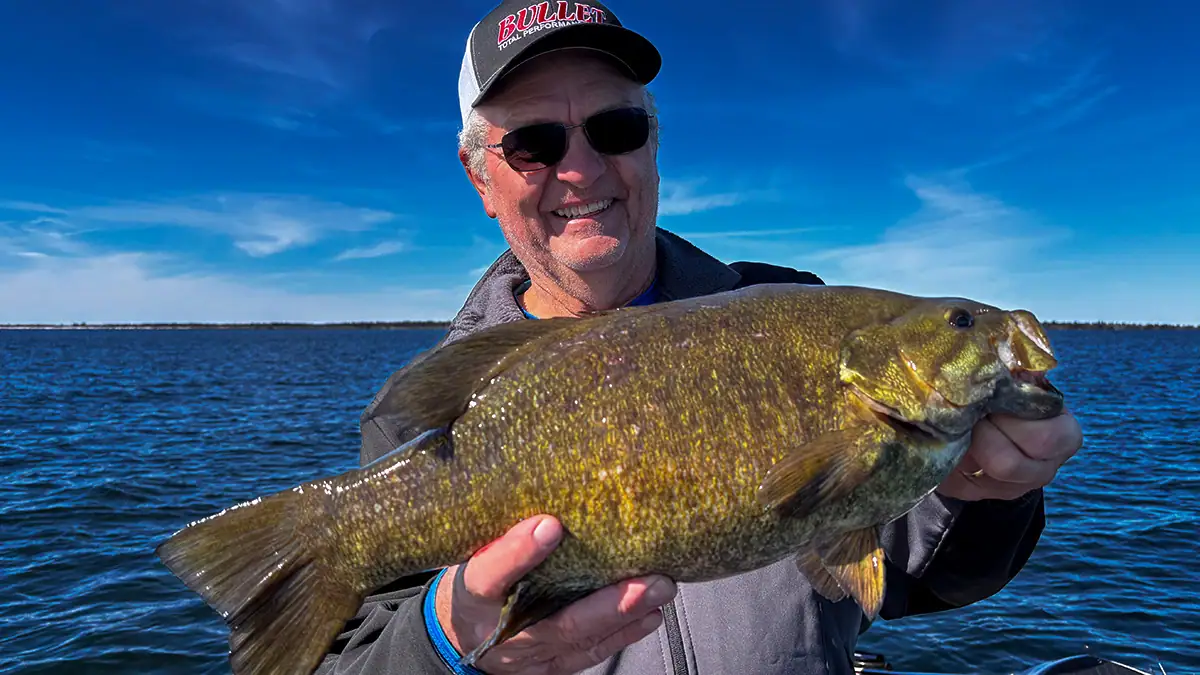
No summer lure category is more exciting than topwater. Watching a bass explode on a surface bait never gets old, and summer provides some of the year’s best topwater opportunities, especially during low-light conditions. Early mornings, evenings, and cloudy days are prime times for fishing on top. Bass often push baitfish shallow during low-light periods, creating incredible feeding activity.
Walking baits, poppers, buzzbaits, and prop baits all have their place. Walking baits excel for schooling fish, while buzzbaits and poppers are excellent around shallow cover and grass. But one of the biggest advantages of topwater fishing is its ability to draw fish from long distances. Even inactive bass will often rise to investigate surface commotion. Fish are curious creatures and will always come over to check out any commotion.
Topwater also allows anglers to cover water quickly. If fish are feeding shallow, it’s one of the fastest ways to locate active bass. If there’s fish in the area, you’ll know pretty quickly: They will often rise on your bait.
I’m not the biggest topwater fan, but I’ll always keep one tied on whether it’s for schooling fish or up shallow early in the morning. A popper like a Rebel Pop-R or Megabass Pop Max always seems to get bit for me, as I believe they push more water and make more of a disturbance than other popping baits. For more open water applications, a Heddon Super Spook is always at the top of my list as it calls fish up from all depths.
Final Thoughts
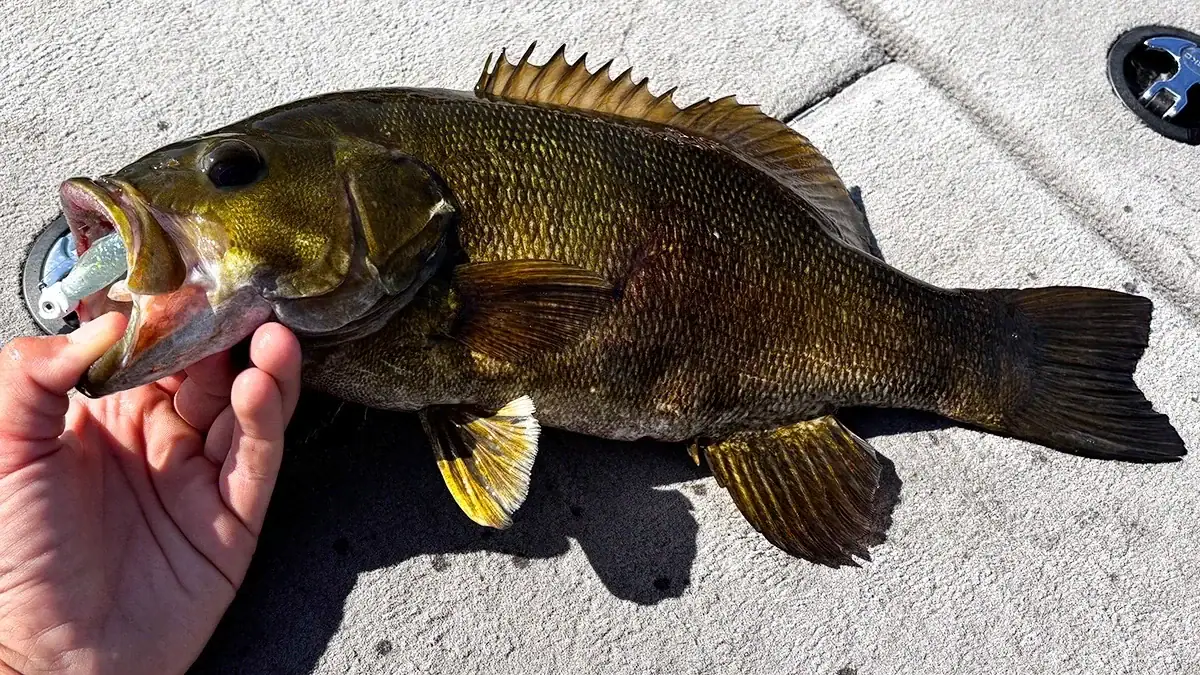
Summer bass fishing can change by the hour, which is why versatility matters so much. The anglers who consistently succeed are the ones who can adapt to fish behavior and cover every part of the water column. Having the right baits for the job can make all the difference between a 20-pound, five-fish bag and not even getting a bite.
Finesse worms excel for pressured and inactive fish. Deep diving crankbaits trigger reaction bites on offshore schooling fish. Football jigs catch quality bass relating to structure. Jighead/minnow combinations imitate the baitfish bass feed on all summer. Topwater baits provide explosive strikes and unmatched excitement. Having all your bases covered means you’ll be ready for any situation the summertime fishing will throw at you.
Keep these five lure categories on your deck this summer, and you’ll be prepared for almost any bass fishing situation throughout the hottest time of year.