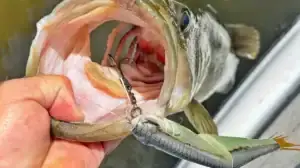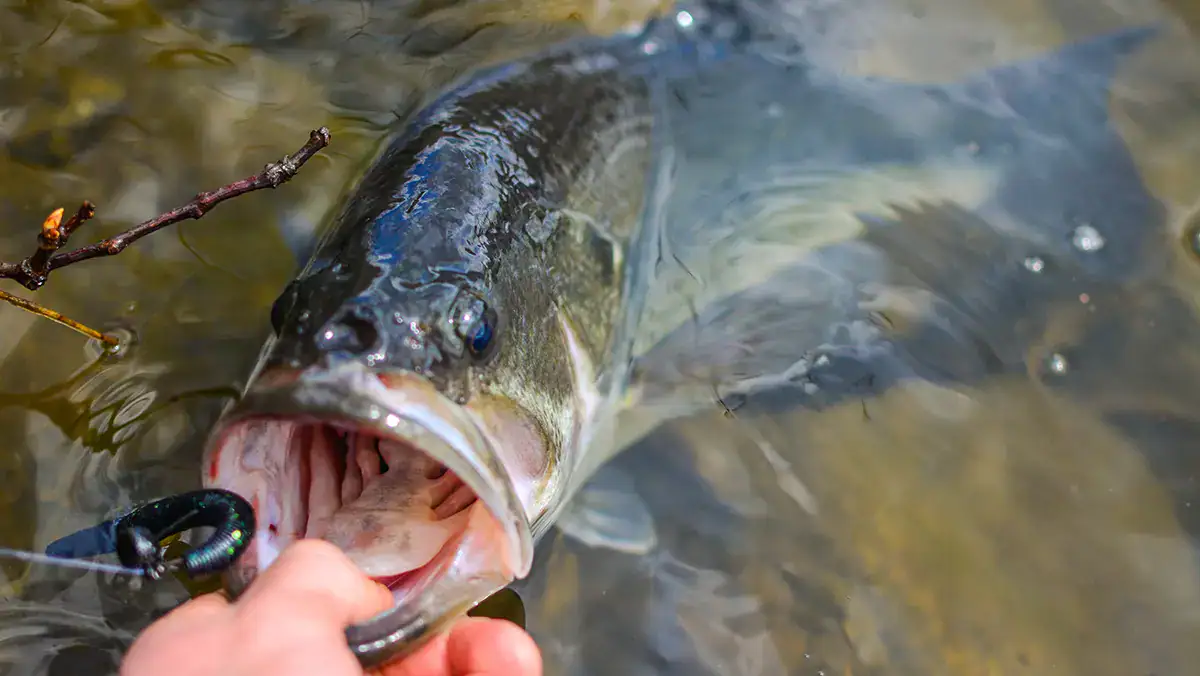
Anglers in Manitoba can now keep up to four largemouth bass in most waters under new regulations. The change is a result of concern over the species’ spread into non-native fisheries.
Provincial officials say largemouth bass were not historically part of Manitoba’s waterways but have become established in some areas due to a combination of warming water temperatures and illegal stocking. The latter involves anglers moving fish between waterbodies without authorization, a practice that has contributed to new and expanding populations in certain lakes. As a result, regulators have moved to allow harvest as a way to help manage their populations while still acknowledging their popularity as a game fish.
A New Threat?

The spread of largemouth bass in Manitoba is relatively recent compared to their long-established presence in parts of southern Ontario and the central United States. Historically, Manitoba’s fisheries were dominated by cold- and cool-water species such as walleye, lake trout and Northern pike.
Largemouth bass weren’t present, largely because the province’s climate and water temperatures were generally too cool for sustaining populations. That began to change in the early 2000s as warming trends created more favorable conditions for largemouth, particularly in southern and southeastern regions.
Alongside these environmental shifts, illegal introductions, often referred to as “bucket stocking,” have played a significant role in establishing bass in new waters. In many cases, anglers transported fish from nearby jurisdictions such as Ontario, where largemouth bass are common and highly valued, and released them into Manitoba lakes to create new fishing opportunities closer to home.
These introductions were typically unauthorized and unmonitored, meaning fisheries managers had little ability to assess or control early population growth. Over time, isolated introductions led to self-sustaining populations in certain lakes, including systems where bass had never previously existed.
Biologists are concerned about the potential harm these illegal introductions can create. Largemouth bass are efficient predators that can alter food webs by consuming smaller fish, amphibians and even young gamefish. In lakes managed for species like trout, unauthorized bass introductions can undermine stocking programs by increasing predation pressure and competition for forage.
In interconnected systems, there is also the risk of bass spreading beyond the original point of introduction, potentially impacting multiple lakes within a watershed. This is what happened in Nova Scotia, which has a catch and kill order that can result in fines of up to $500k for anglers that don’t comply. These introductions can complicate fisheries management by creating conflicts between anglers that want to fish for bass with the need to protect established native or stocked species.
New Rules For Manitoba Anglers
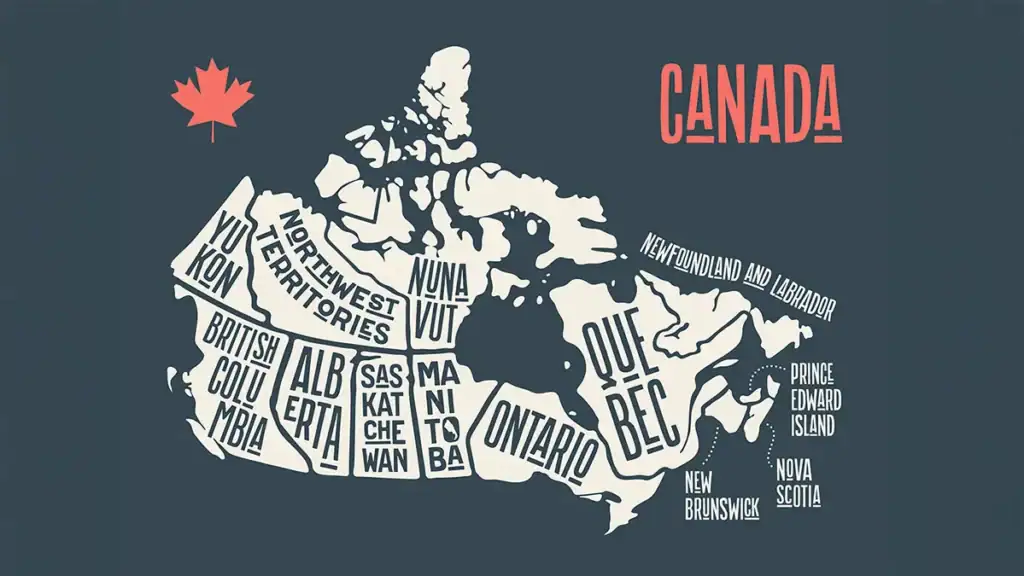
Under the updated regulations, anglers are generally permitted to keep up to four largemouth bass, provided they are no larger than 45 centimeters (about 17.7 inches). However, regulations vary depending on the waterbody. In Hunt Lake, located within Whiteshell Provincial Park, there is currently no possession limit or size restriction following a recent illegal introduction. Officials are encouraging harvest in that system due to concerns about impacts on existing fisheries, particularly trout.
By contrast, Mary Jane Reservoir remains closed to largemouth bass retention. Bass were intentionally stocked there to provide a controlled recreational opportunity, and catch-and-release is required. At Reynolds Ponds, anglers are allowed to keep two fish under 40 centimeters (about 15.7 inches); this limit is designed to provide angler opportunity white providing a measure of population control.
Biologists warn that largemouth bass can significantly affect native fish communities when introduced outside their natural range. As opportunistic predators, they compete with resident species for food and may prey on smaller fish, including juvenile northern pike. There is also concern that established populations could spread through interconnected waterways, particularly in southeastern Manitoba, where lake systems are closely linked.
Despite the regulatory changes, largemouth bass are not widely regarded as table fare among Manitoba anglers, many of whom prioritize other fish for consumption. As a result, while the province is encouraging limited harvest in some waters to help manage populations, it remains uncertain how significantly angler behavior will shift.