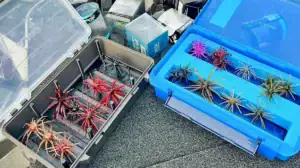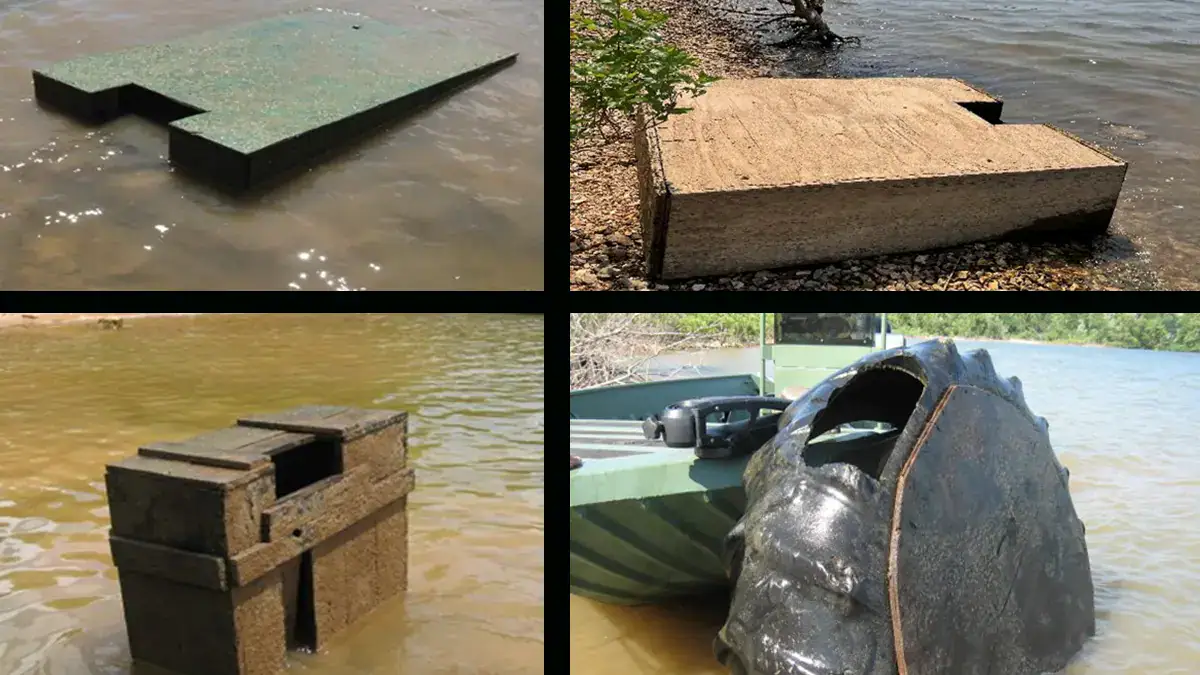
According to the Missouri Department of Conservation (MDC), conservation agents found at least four suspected “noodling” boxes on March 17. The discoveries came during a period of unusually low water levels at Pomme de Terre Lake, located roughly 50 miles north of Springfield in the Ozarks.
Authorities said the devices are typically placed underwater to mimic nesting sites and attract catfish, and note that the state has banned the practice.
What Is Noodling?
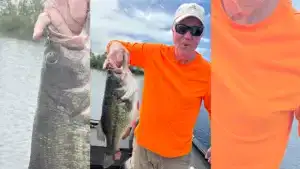
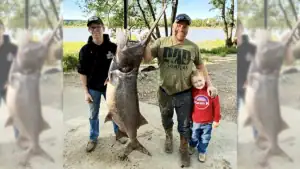
Catfish noodling, also known as hand-fishing, is a method of catching catfish by placing one’s hand into underwater holes, logs, or cavities where the fish are nesting. When a catfish bites defensively, the person pulls it out. Noodling typically targets large, mature fish, most often during spawning season when they are guarding eggs, making them more likely to strike intruders.
Noodling is practiced in parts of the southern and midwestern United States, including states like Oklahoma, Texas, Mississippi, and Alabama, where it is legal under regulated conditions. It gained wider attention through reality TV shows such as Hillbilly Handfishin’, which appeared on Animal Planet from September 2010 to August 2013. The practice was further popularized by outdoors media personality Hannah Barron, who rose to social media fame by wrestling big cats.
Critics of hand-fishing say that practice can disrupt fish reproduction by removing breeding fish from nests, often resulting in the loss of eggs or young, which can impact local populations.
Others say that noodling is a cultural tradition and a selective form of fishing that does not rely on commercial gear, allowing for a quick release if fish aren’t destined for the market or table.
Why It’s Dangerous — And Illegal
Detractors of noodling also point out its dangers, especially compared to hook-and-line methods for catching catfish.
Rates of drowning can be high with hand-fishers getting caught in rocks or otherwise tangled, as shown in at least one paper describing the human mortality rate in noodling catfish in Oklahoma. Practitioners can also be injured by unseen underwater hazards, like snapping turtles. Injuries to fingers and other extremities are also common.
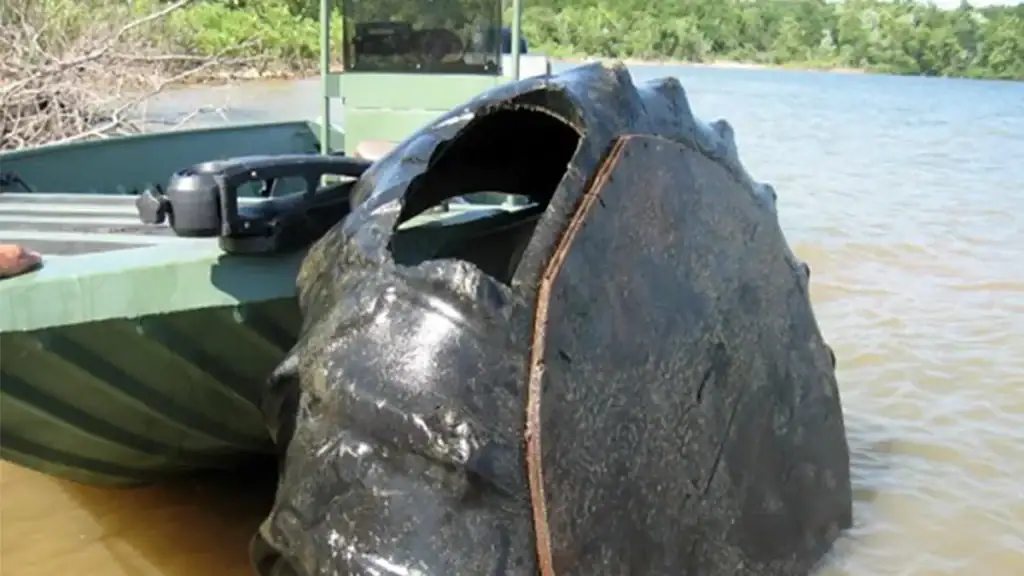
While the practice is legal in some states, it is prohibited in Missouri. The use of artificial structures such as boxes, covered tires, water heaters, and barrels to lure fish is also illegal and can contribute to water pollution, officials said.
It remains unclear how long the devices had been in the lake or who placed them there. In Missouri, illegal hand-fishing is classified as a Class A misdemeanor, carrying penalties of up to one year in jail and fines of up to $1,000, according to the conservation department.
The Public and Officials Respond
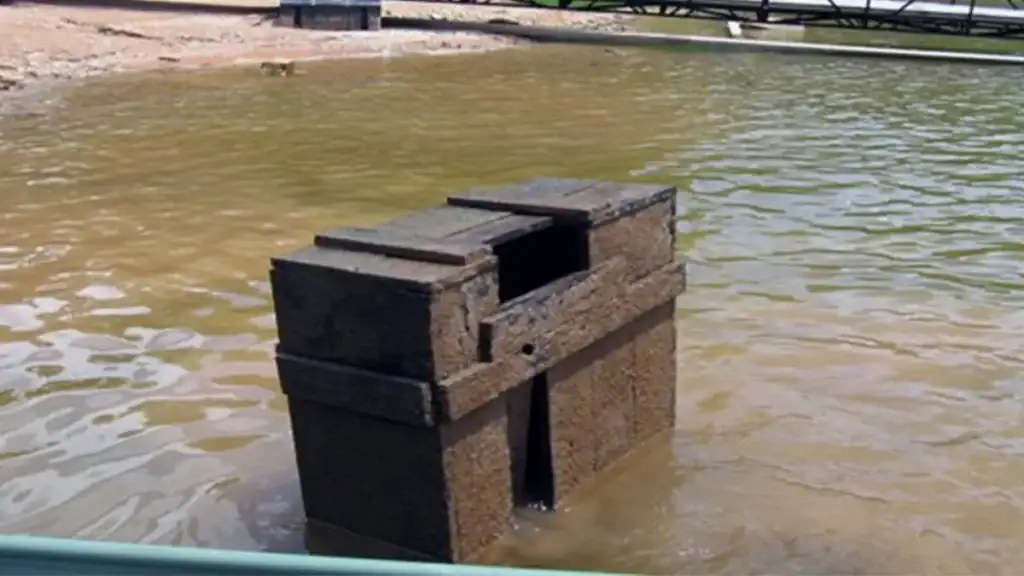
Commenters on the MDC’s Facebook post about the bust note that boxes designed for noodling tend to be shallow, allowing the noodler to grab the fish easily. The boxes shown in the department’s photos appeared to be too deep for this purpose, with many speculating that anglers may have placed the boxes to give catfish places to spawn. Others likened the boxes to trees placed in the water to attract crappies. The MDC maintains that the boxes are illegal.
This discovery follows prior enforcement actions in the state. In one case documented by the MDC, agents in northwest Missouri cited 25 people for illegal hand-fishing in a single month, seizing large catfish and issuing additional citations for related violations.
The agency asks residents to report suspected illegal fishing equipment or activity. It warned that beyond violating state law, the devices’ presence both introduces debris to waterbodies and harms local fish populations.
“Please report possible noodling boxes to agents or MDC offices, such as covered tires, water heaters, 55-gallon drums, or [sic] a large square boxes,” reads the MDC’s Facebook post. “These things are not only used to take catfish illegally but also add trash to our waterways.”
You can contact the MDC’s Operation Game Thief by phone at 800-392-1111.